Every winter, millions of drivers face a common problem: their car refuses to start on a cold morning. The culprit is often the car’s battery. But why does this happen? Does cold weather really affect car batteries, or is it just a myth? If you’ve ever wondered why your vehicle seems sluggish during winter or why jump-starts are more common in cold months, you’re not alone. Understanding how cold weather impacts car batteries can save you time, money, and frustration. Let’s explore the science, real-world examples, and practical solutions.
The Science Behind Car Batteries And Temperature
A car battery is more than just a box under the hood. It stores and releases electrical energy, which is essential for starting the engine and powering electronics. At the heart of the battery, chemical reactions occur to generate electricity.

49% off Today's Exclusive Deals
Limited-time Exclusive Deals. Check current discount on Amazon.
Check Price on Amazon As an Amazon Associate I earn from qualifying purchases.These reactions are sensitive to temperature.
In warm conditions, the chemicals inside the battery move more easily, allowing electricity to flow smoothly. However, when temperatures drop, these chemical reactions slow down. The result? The battery produces less electrical current, making it harder for your car to start. For example, at 0°F (-18°C), a typical car battery has only about 40% of its normal starting power. This reduction is significant, especially for engines that demand a lot of energy to crank in the cold.
How Cold Weather Impacts Battery Performance
Reduced Cranking Power
When you turn the key or press the button to start your car, the battery must deliver a sudden burst of power, called cranking amps. In cold weather, this ability drops sharply. The oil in the engine also thickens, increasing resistance and requiring even more power from the battery. This double challenge often causes the sluggish or failed starts people experience in winter.
49% off Today's Exclusive Deals
Limited-time Exclusive Deals. Check current discount on Amazon.
Check Price on Amazon As an Amazon Associate I earn from qualifying purchases.Shorter Battery Life
Repeated cold starts strain the battery over time. Each time the battery struggles to start the engine, its overall health declines a little faster. Batteries that routinely face cold weather often die sooner than those in mild climates. A battery that might last five years in a warm region could fail in three years in a place with harsh winters.
Slower Recharging
Cold weather doesn’t just affect starting. It also slows the battery’s ability to recharge while you drive. Alternators work harder in the cold, and short drives may not give the battery enough time to fully recover from a cold start.
Over several days, this can lead to a weak battery and even total failure.
Real-world Data: Cold Vs. Warm Weather Battery Performance
To see the difference, compare battery performance at various temperatures:
49% off Today's Exclusive Deals
Limited-time Exclusive Deals. Check current discount on Amazon.
Check Price on Amazon As an Amazon Associate I earn from qualifying purchases.| Temperature | Cranking Power (%) | Recharge Efficiency (%) |
|---|---|---|
| 80°F (27°C) | 100 | 100 |
| 32°F (0°C) | 65 | 80 |
| 0°F (-18°C) | 40 | 60 |
| -20°F (-29°C) | 20 | 40 |
As the table shows, cold weather can cut your battery’s cranking power in half, or more.
Common Signs Of Battery Trouble In Cold Weather
It’s important to recognize the early signs of battery problems, especially as temperatures drop. Here’s what to watch for:
- Slow engine crank – The starter sounds weak, or the engine turns over slowly.
- Dim headlights – Lights appear less bright than normal, especially before the engine starts.
- Clicking sound – You hear a click but the engine doesn’t start, meaning the battery lacks power.
- Dashboard warning lights – Battery or check engine lights may turn on.
- Electrical issues – Power windows, radio, or wipers act strangely.
If you notice one or more of these, your battery may be struggling in the cold.
Why Are Batteries More Likely To Fail In Winter?
It’s not only that cold weather reduces battery power. Summer heat actually does most of the damage, by causing water loss and internal wear. But these problems usually appear during the first cold snap. When the battery is already weak from summer, the cold pushes it over the edge.
Also, in winter, cars use more electrical accessories: heaters, defrosters, heated seats, and lights. This extra load further drains the battery. If your daily drive is short, the battery may never fully recharge.
Factors That Increase Risk Of Battery Failure
Not all batteries face the same risk in the cold. Here’s what increases your odds of trouble:
- Old batteries (3+ years)
- Low charge due to short trips or faulty alternator
- Corroded terminals or loose connections
- High electrical demand (many accessories, aftermarket devices)
- Poor insulation or battery location exposed to cold air
If your car fits several of these, it’s wise to prepare before winter.
Different Types Of Car Batteries And Cold Weather
Not all car batteries respond the same way to cold. Let’s compare the common types:
| Battery Type | Cold Weather Performance | Common Vehicles |
|---|---|---|
| Lead-acid (flooded) | Average, loses power quickly | Most cars |
| AGM (Absorbent Glass Mat) | Better, resists cold better than flooded | Premium, start-stop, luxury cars |
| Gel cell | Good, but expensive | Specialty vehicles |
| Lithium-ion | Poor in cold, but recovers when warmed | Hybrids, EVs |
AGM batteries are a smart upgrade for cold climates because they handle low temperatures better.
How To Prepare Your Car Battery For Winter
Before the first cold wave, you can take steps to protect your battery and avoid being stranded.
1. Get Your Battery Tested
Most auto shops can check your battery’s health in minutes. They measure cold cranking amps (CCA) and voltage. If your battery is weak, it’s best to replace it before winter.
2. Clean Battery Terminals
Corrosion at the terminals can block power, especially in cold weather. Clean with a wire brush and baking soda solution. Make sure connections are tight.
3. Check The Charging System
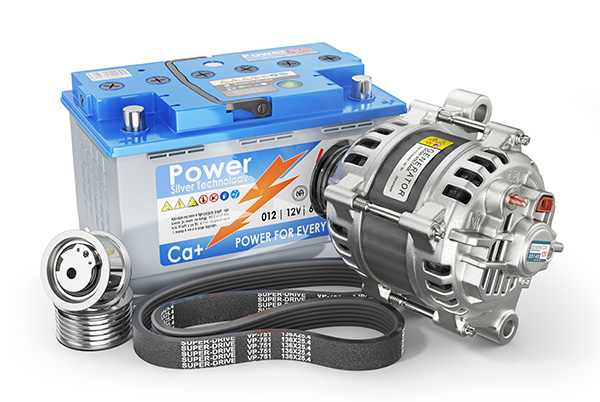
A failing alternator can leave your battery undercharged. Ask your mechanic to test the alternator and belts.
4. Park Indoors Or Use A Battery Blanket
A garage keeps your car warmer overnight. If you must park outside, a battery blanket (an electric heater for the battery) can help in extreme cold.
5. Limit Short Trips
Try to drive at least 20 minutes each time, so the battery has time to recharge. If you only take short drives, the battery can get weaker each day.
6. Turn Off Accessories Before Starting
Heaters, lights, and radios use battery power. Turn them off before starting your car to give the battery all its energy for the engine.
7. Keep A Portable Jump Starter
Modern jump starters are small and powerful. They can save you if the battery fails in a remote or dangerous spot.
Battery Replacement: When Is It Time?
Replacing a battery before it fails is always cheaper and safer than waiting for a breakdown. Here are guidelines for timing:
- Replace every 3-5 years (sooner in cold regions)
- Replace if CCA falls below car’s requirement
- Replace if you’ve needed a jump-start more than once
- Replace if the battery case is swollen or leaking
Ignoring a weak battery can lead to bigger problems, like being stranded or damaging the starter motor.
How Mechanics Diagnose Battery Problems In Winter
When you bring your car to a shop with a starting problem, mechanics use several steps:
- Visual inspection – Look for corrosion, loose cables, or leaks.
- Voltage test – Healthy batteries read 12.6V or higher when the car is off.
- Load test – Measures how the battery performs under a heavy electrical load.
- Alternator test – Checks if the battery is being recharged properly.
- Starter draw test – Ensures the starter isn’t drawing too much power.
This systematic approach finds out if the problem is the battery, the charging system, or something else.
The Impact Of Extreme Cold: Real-world Examples
In places like Minnesota or Canada, winter temperatures can drop below -20°F. During these cold spells, roadside assistance calls for dead batteries skyrocket. For example, in Chicago’s record cold of 2019, AAA reported a 400% increase in battery-related service calls.
Some drivers try to start their cars every few hours during extreme cold, just to keep the battery charged. Fleet operators and emergency services often use battery warmers or keep engines idling overnight to avoid battery failure.
Misconceptions About Cold Weather And Car Batteries
It’s easy to misunderstand why batteries fail in winter. Here are some common myths:
- Myth: New batteries can’t fail in the cold.
- Fact: Even new batteries lose power in extreme cold, especially if undercharged.
- Myth: Jump-starting is always safe.
- Fact: Jumping a frozen battery can be dangerous—it can explode. Always check the battery case first.
- Myth: Idling for a few minutes recharges the battery.
- Fact: Idling recharges very slowly; driving is much more effective.
- Myth: Only old cars have battery problems in winter.
- Fact: Modern cars, with many electronics, can also drain batteries quickly in cold weather.
Understanding these points helps you avoid risky mistakes.
Electric Vehicles And Cold Weather Battery Issues
Electric cars use large lithium-ion batteries. Cold weather affects these differently but just as seriously.
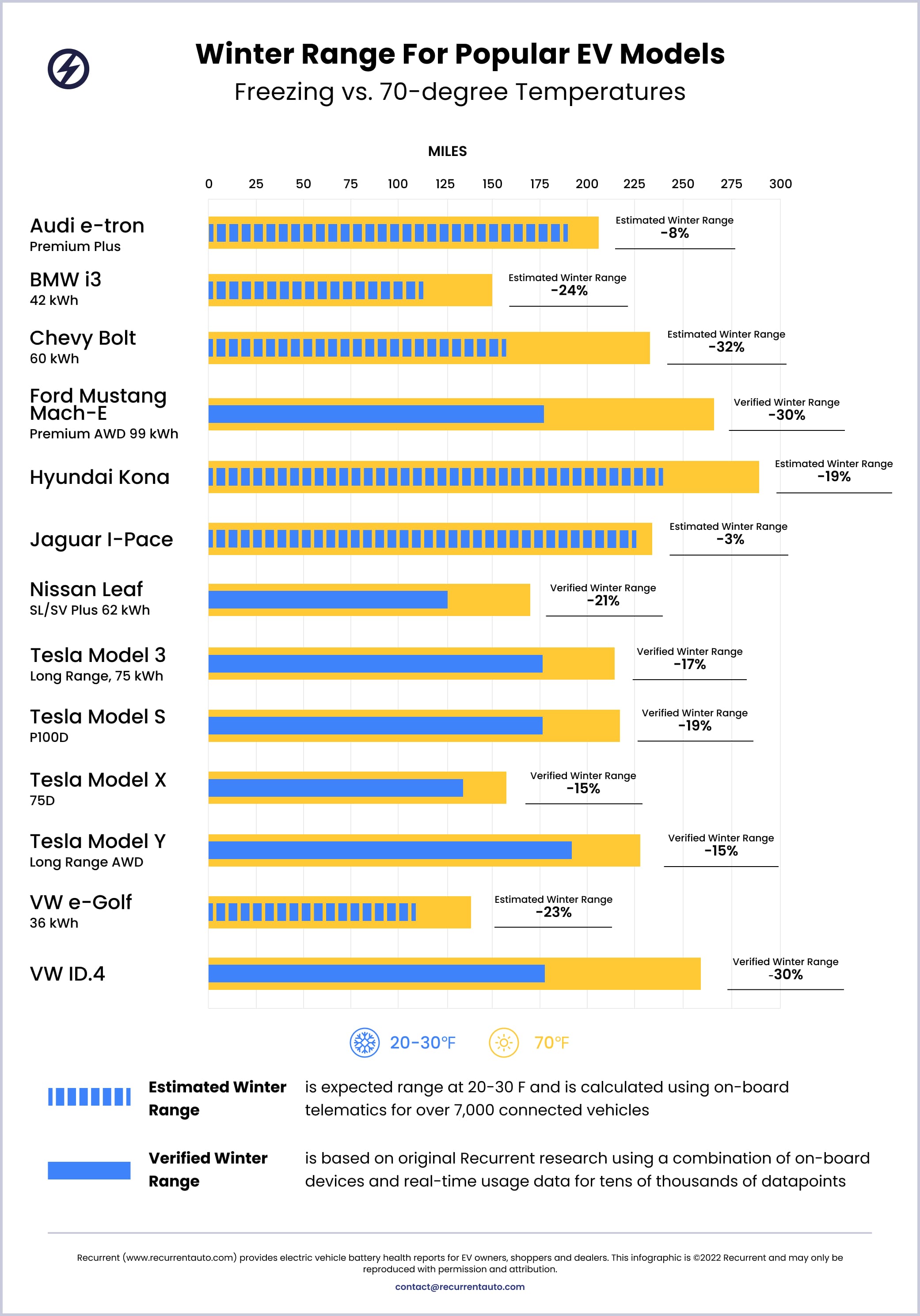
- Range drops: EVs can lose 20-40% driving range in winter, as batteries are less efficient and heaters use extra power.
- Slower charging: Cold batteries take longer to charge, especially at fast-charging stations.
- Pre-conditioning helps: Warming the battery before driving can improve performance and range.
Owners of electric cars need to plan for reduced range and longer charging times during cold spells.
Battery Maintenance Tips For Cold Climates
A little maintenance can make a big difference in battery reliability during winter.
- Check battery water level if you have a serviceable (non-sealed) battery. Add distilled water if low.
- Use dielectric grease on terminals to prevent corrosion.
- Insulate the battery with a thermal wrap or sleeve if your area is extremely cold.
- Store spare batteries indoors (for seasonal vehicles) to prevent freezing.
These steps are simple but effective, especially for people living in northern climates.
How Much Does Cold Weather Shorten Battery Life?
Statistics show that car batteries last 1-2 years less in cold regions compared to mild climates. For example, while a battery might last 5 years in California, it may only last 3 years in Alaska or Canada.
Here’s an estimated comparison:
| Climate | Average Battery Life |
|---|---|
| Hot (Texas, Florida) | 3-4 years |
| Mild (California, UK) | 4-5 years |
| Cold (Minnesota, Canada) | 2-3 years |
Cold itself doesn’t damage the battery; it exposes underlying problems and makes a weak battery fail sooner.
Practical Solutions For Drivers In Cold Regions
If you live somewhere with harsh winters, consider these solutions for peace of mind:
- Install a battery with higher CCA than the minimum recommended for your car.
- Use a trickle charger (battery maintainer) if your car sits unused for days.
- Choose a battery brand known for cold-weather performance (ask your mechanic for recommendations).
- Replace the battery proactively if it’s nearing the end of its expected life.
These steps cost less than emergency towing or missed work due to a dead battery.
Two Non-obvious Insights Most Drivers Miss
First, battery insulation matters more than you think. Even a simple foam wrap can keep your battery 10-20°F warmer than outside air, making a big difference in starting power.
Second, charging system health is as important as battery age. Many battery failures blamed on “old age” are actually due to weak alternators or loose belts. Always check the whole system, not just the battery, before winter.
When To Seek Professional Help
If your car is slow to start, needs frequent jump-starts, or shows warning lights, don’t wait. A professional can test your battery and charging system with proper tools. Replacing a battery is quick and affordable compared to the stress of being stranded.
Trusted Resources For Further Reading
For more in-depth technical details, see the AAA guide on cold weather and car batteries.
Frequently Asked Questions
Why Does My Car Battery Die More In Winter?
Cold weather slows the chemical reactions inside your battery, reducing its power. At the same time, your engine oil is thicker, making the engine harder to turn over. This double effect often leads to more dead batteries in winter.
How Can I Tell If My Battery Is Failing Due To Cold?
Common signs are slow engine cranking, dim headlights, and the need for repeated jump-starts. If your battery is more than 3 years old and struggles in cold, it’s time to get it tested.
Will A New Battery Solve All Cold-weather Starting Problems?
A new battery with enough cold cranking amps helps a lot. However, if your alternator or starter is weak, or if you have corroded connections, you may still have problems. Check the whole electrical system.
Can Extreme Cold Permanently Damage A Battery?
Extreme cold usually doesn’t cause permanent damage but can freeze a battery if it’s fully discharged. A frozen battery can crack and become dangerous. Always keep your battery charged in winter.
What’s The Best Way To Start A Car In Very Cold Weather?
Turn off all accessories, push the clutch (if manual), and try starting. If it doesn’t start after 5 seconds, wait 30 seconds and try again. Don’t crank for too long, as this can damage the starter.
When you understand how cold weather affects car batteries, you can prevent most winter breakdowns. With smart preparation, regular checks, and a little extra care, you’ll keep your car reliable all season long. Stay safe and keep your battery ready for whatever winter brings.