Common signs include overheating, coolant leaks, sweet smell, dashboard warnings, and heater failure.
I have spent years working on BMWs and diagnosing cooling problems. I will walk you through how to spot issues early. This guide explains What are the signs of cooling system problems in a BMW 5 Series? in clear, practical detail. You will learn common symptoms, causes, simple checks, repair options, costs, and prevention tips. Read on to protect your BMW and avoid costly breakdowns.

49% off Today's Exclusive Deals
Limited-time Exclusive Deals. Check current discount on Amazon.
Check Price on Amazon As an Amazon Associate I earn from qualifying purchases.
How the cooling system works in a BMW 5 Series
The cooling system keeps the engine at the right temperature. It moves coolant through the engine, radiator, and heater core. A water pump, thermostat, radiator, coolant hoses, and cooling fans work together. Modern BMW 5 Series models also use electric water pumps and thermostats. When one part fails, symptoms appear quickly.
Understanding the system helps you recognize early signs. Knowing What are the signs of cooling system problems in a BMW 5 Series? helps you act fast and save money. I’ll show you how to spot those signs and what to do next.
49% off Today's Exclusive Deals
Limited-time Exclusive Deals. Check current discount on Amazon.
Check Price on Amazon As an Amazon Associate I earn from qualifying purchases.
Common signs of cooling system problems
Here are the most frequent signs to watch for. Each sign is explained with likely causes and what to check.
- Overheating engine
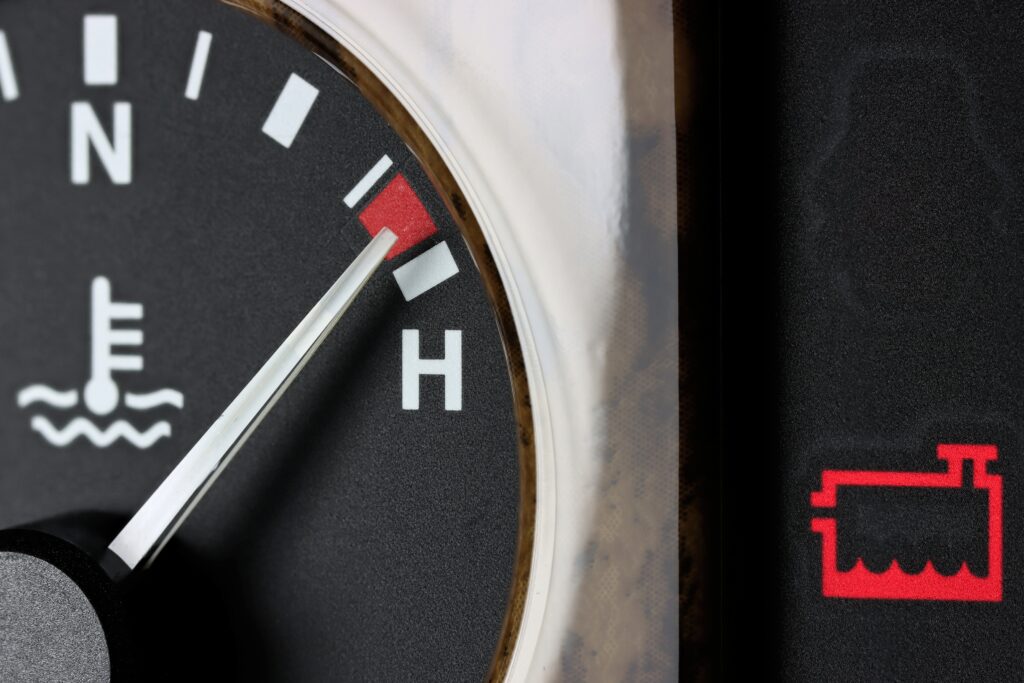
- The temperature gauge climbs into the red or a warning appears. Overheating is the clearest sign of failure. Check coolant level and fans when safe.
- Coolant leaks
- Pools or stains under the car with a green, orange, or pink fluid. Leaks point to hoses, radiator, water pump, or gasket issues.
- Low coolant level without visible leaks
- Coolant drops but no puddles appear. This may mean an internal leak or a head gasket issue. Watch for white smoke from the exhaust.
- Sweet, syrupy smell
- A sweet odor inside or around the car suggests leaking coolant. It can also mean heater core failure if smelled in the cabin.
- Heater not working or blowing cold air
- If the cabin heater fails, the heater core or low coolant could be the cause. This symptom often shows with other cooling system faults.
- Steam from under the hood
- Steam usually means severe overheating or a burst hose. Pull over immediately and let the engine cool.
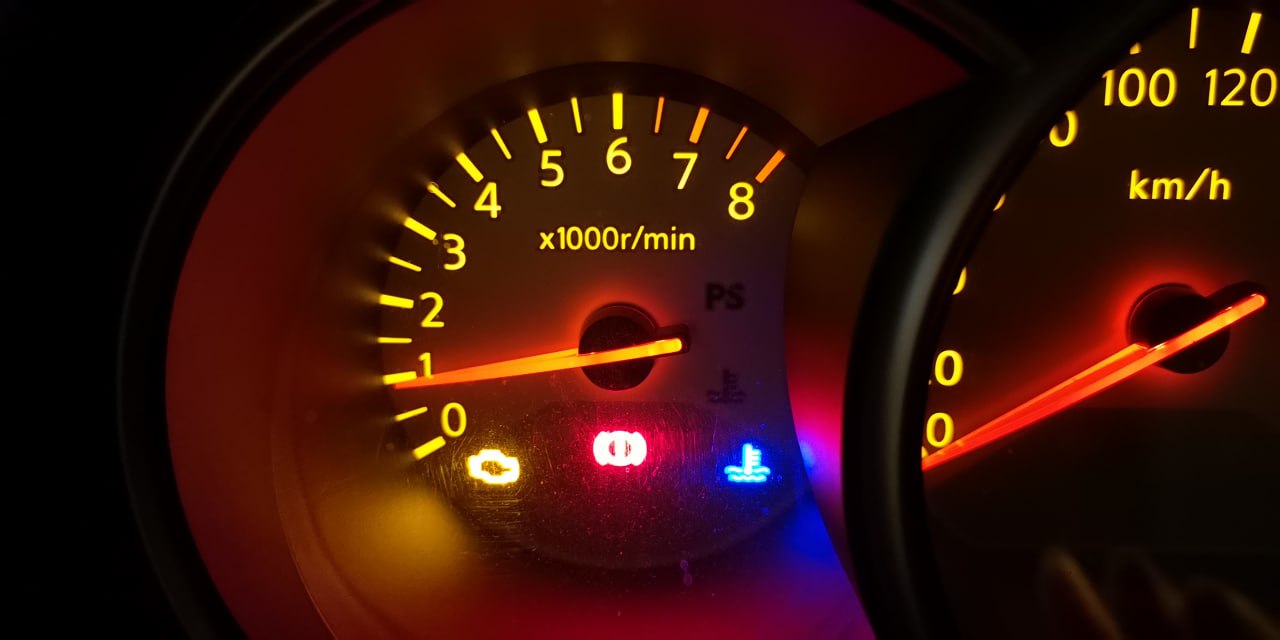
- Coolant warning lights or messages
- Modern BMWs show dashboard warnings or messages when coolant pressure or temperature is abnormal. Never ignore these.
- Unusual engine noise
- A failing water pump can make whining or grinding sounds. Air in the system can cause gurgling noises too.
- Poor performance and reduced fuel economy
- An overheating engine can run poorly. If you notice power loss with other cooling symptoms, address it quickly.
- Visible corrosion or deposits
- Corrosion on hoses, clamps, or the radiator suggests contamination. Deposits can block coolant flow.
Knowing What are the signs of cooling system problems in a BMW 5 Series? makes it easier to prioritize repairs. Catching problems early often avoids engine damage.
49% off Today's Exclusive Deals
Limited-time Exclusive Deals. Check current discount on Amazon.
Check Price on Amazon As an Amazon Associate I earn from qualifying purchases.Causes behind cooling system problems
Problems come from wear, neglect, design quirks, or external damage. Common causes include:
- Age and wear
- Hoses, clamps, and seals harden and crack over time.
- Water pump failure
- Bearings wear out or the impeller corrodes. Electric pumps can fail too.
- Thermostat sticking
- A thermostat stuck closed causes rapid overheating. Stuck open leads to poor engine warm-up.
- Radiator damage or clogging
- Road debris, corrosion, or scale can block flow.
- Leaking head gasket
- Pressure and coolant mixing lead to bad symptoms and white exhaust smoke.
- Heater core leaks
- Cabin wetting or sweet smells are signs.
- Air in the cooling system
- Improper bleeding after service allows hot spots and gurgling noises.
- Contaminated or old coolant
- Wrong or old coolant reduces corrosion protection and causes deposits.
- Fan or sensor failure
- Faulty temperature sensors or cooling fans reduce airflow and cooling.
I have seen hoses fail on high-mileage BMW 5 Series cars after long highway trips. Replacing aged parts early prevents cascading failures.

How to diagnose cooling system issues step by step
Follow these steps to identify the problem safely and clearly.
- Visual inspection
- Check coolant level in expansion tank when engine is cold. Look for puddles or stains under the car.
- Smell and cabin check
- Note sweet coolant smells or fogging inside the cabin. This points to heater core problems.
- Listen for noises
- Run the engine and listen for pump whining or gurgling sounds.
- Monitor temperature gauge
- Drive short distances and watch the gauge. Rapid climbs indicate serious faults.
- Pressure test the cooling system
- A pressure tester finds external leaks and evaluates cap function.
- Check for exhaust symptoms
- White smoke or constant bubbles in the coolant suggest head gasket failure.
- Scan for diagnostic codes
- Use an OBD-II scanner. Modern BMWs log coolant and thermostat faults.
- Inspect radiator and hoses
- Squeeze hoses when cool. Soft or brittle hoses need replacement.
- Verify electric fan operation
- Check that fans engage at higher temps or with AC on.
- Conduct a cooling system flush
- If contaminated coolant is present, flush and inspect for debris.
If you suspect complex failures, get a trained BMW technician involved. I once missed a subtle head gasket leak. The repair cost rose when I delayed. Learn from that mistake and diagnose early.
Repair options and maintenance steps
Fixes vary by cause. Typical repairs include:
- Refill or replace coolant
- Use the correct BMW-approved coolant and flush when needed.
- Replace hoses and clamps
- Use OEM-quality parts for reliability.
- Replace water pump
- Replace with a quality unit. Consider replacing the thermostat at the same time.
- Replace thermostat
- A simple fix with big impact on temperature control.
- Repair or replace radiator
- Clean or replace if damaged or clogged.
- Repair heater core
- This can be labor-intensive for some BMW 5 Series models.
- Pressure cap replacement
- A cheap fix that can solve pressure-related problems.
- Head gasket repair
- Major repair. Address immediately if suspected.
I recommend combining related jobs. For example, replace the water pump, thermostat, and coolant in one service to save labor costs and reduce repeat visits.

Costs and timeframes to expect
Costs vary by job, model year, and labor rates.
- Coolant flush and refill
- Low cost and often done in one hour.
- Hoses and thermostat
- Moderate cost, typically 1–3 hours.
- Water pump replacement
- Moderate to high cost, 2–5 hours depending on engine layout.
- Radiator replacement
- Moderate to high cost, 2–6 hours.
- Heater core replacement
- High cost, often 6+ hours due to cabin access.
- Head gasket repair
- Very high cost and lengthy time. Expect multiple days.
Always get itemized quotes. Ask about warranty on parts and labor. Preventive maintenance is far cheaper than major repairs.

Preventive tips and best practices
Small steps keep the cooling system healthy.
- Check coolant level monthly
- Top up with correct coolant when cold.
- Inspect hoses and clamps regularly
- Replace any brittle or soft hoses.
- Follow BMW service schedule
- Replace coolant per recommended intervals.
- Use OEM or approved parts
- Cheap parts can fail early.
- Bleed the system correctly
- Remove air to prevent hot spots.
- Watch for early signs
- React to odors, leaks, or dashboard warnings immediately.
- Keep records
- Track repairs and coolant changes for resale value.
I once advised a friend to replace aged hoses. That advice saved their engine and a big repair bill. Simple actions matter.

Frequently Asked Questions of What are the signs of cooling system problems in a BMW 5 Series?
What should I do if my BMW 5 Series starts to overheat?
Pull over safely and turn off the engine. Allow the car to cool before checking the coolant level and calling for help if needed.
Can a low coolant level cause engine damage in a BMW 5 Series?
Yes. Low coolant can lead to overheating and severe engine damage. Fix leaks and refill with the correct coolant promptly.
How long can I drive with a coolant leak in my BMW 5 Series?
Do not drive long distances with a coolant leak. Even short trips risk overheating and engine damage. Tow if the leak is significant.
Is a sweet smell inside the car always a heater core issue?
A sweet smell often indicates coolant in the cabin and commonly means a heater core leak. It can also be other small leaks near the firewall.
Will a thermostat failure show on the dashboard of a BMW 5 Series?
Sometimes. Modern BMWs can log thermostat faults or show temperature warnings. However, the gauge may also behave without triggering a code.
How often should I flush the cooling system in a BMW 5 Series?
Follow BMW’s maintenance schedule, typically every few years. Older coolant or contamination may require more frequent flushes.
Conclusion
Recognizing What are the signs of cooling system problems in a BMW 5 Series? saves time and money. Watch for overheating, leaks, smells, heater issues, and warning lights. Perform simple checks and seek professional help when needed. Take action early to avoid major repairs and keep your BMW running smoothly. If you found this guide useful, subscribe for more BMW maintenance tips, or leave a comment with your question or experience.