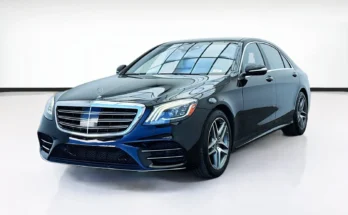
Luxury, cutting-edge tech, and comfort balanced by high cost and upkeep.
I’ve spent years testing and writing about premium cars, including many hours behind the wheel of the Mercedes-Benz S-Class. This guide breaks down the pros and cons of owning a Mercedes-Benz S-Class with clear, practical advice. Read on for real-world insights, cost realities, and buying tips to help you decide if the S-Class fits your life and budget.

49% off Today's Exclusive Deals
Limited-time Exclusive Deals. Check current discount on Amazon.
Check Price on Amazon As an Amazon Associate I earn from qualifying purchases.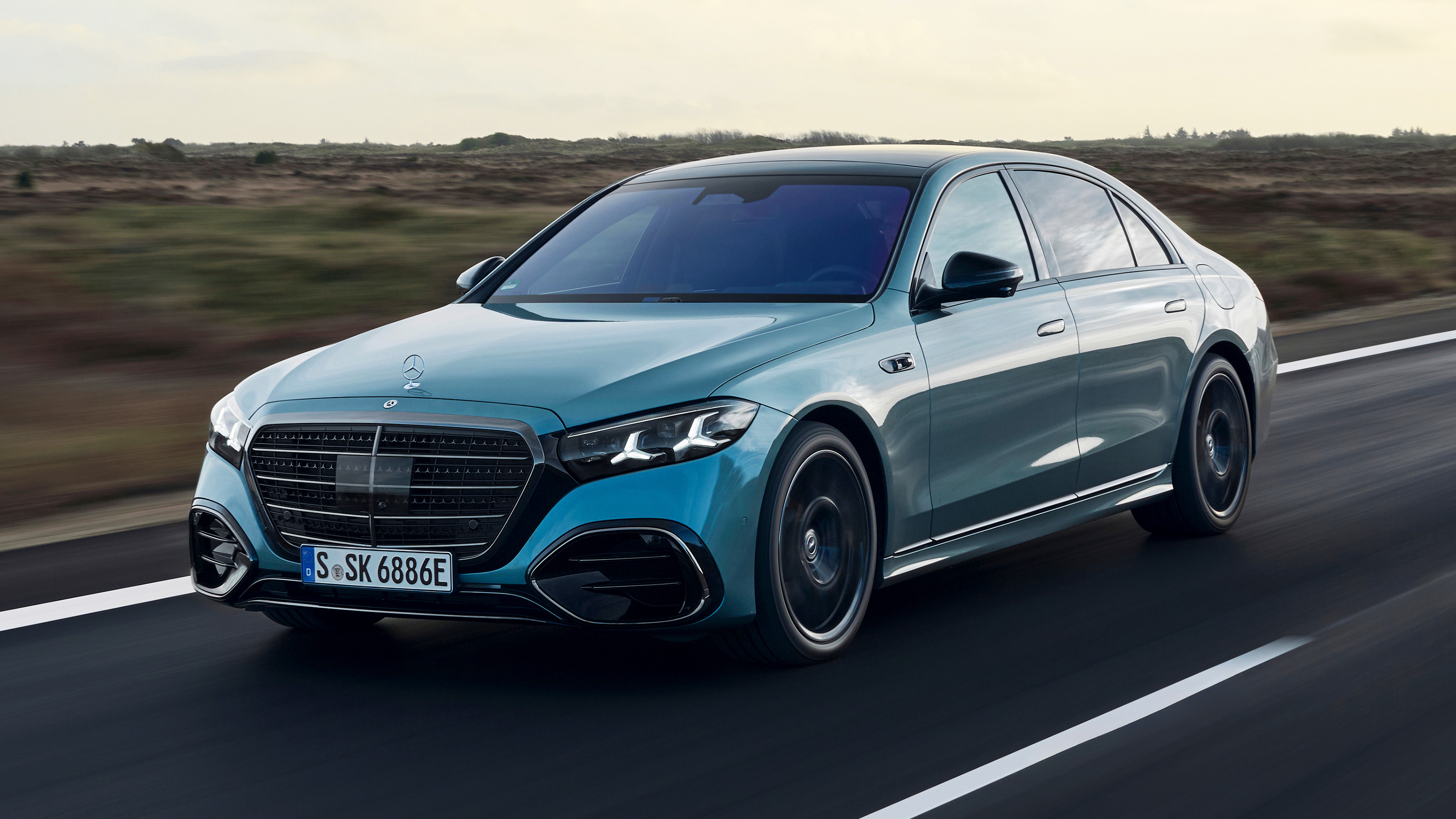
Why buyers choose the Mercedes-Benz S-Class: key advantages
The Mercedes-Benz S-Class is the brand’s flagship sedan. It shows what Mercedes can do at the highest level. Buyers expect top comfort, advanced safety, and the latest tech.
- Prestige and brand image. The S-Class delivers elite status. It makes a clear statement about taste and success.
- Best-in-class comfort. Long wheelbase seats, soft ride, and adjustable rear seats make long trips restful.
- Cutting-edge technology. The S-Class introduces new driver aids, infotainment, and active suspension tech first.
- Safety and driver assistance. Advanced sensors and redundant systems add confidence and protection.
- Engine and drivetrain options. You can choose efficient hybrids, smooth six- and eight-cylinder engines, or performance-focused variants.
- Craftsmanship and materials. High-quality leather, wood, and metal trim feel premium and durable.
- Strong resale among luxury buyers. The S-Class name helps used value versus lesser-known luxury models.
I have driven multiple S-Class model years. The calm cabin and silky ride always stand out. For many buyers, those perks alone justify the price.
49% off Today's Exclusive Deals
Limited-time Exclusive Deals. Check current discount on Amazon.
Check Price on Amazon As an Amazon Associate I earn from qualifying purchases./MBCAN-2026-S-SEDAN-HC-D.jpg)
Main drawbacks of owning a Mercedes-Benz S-Class
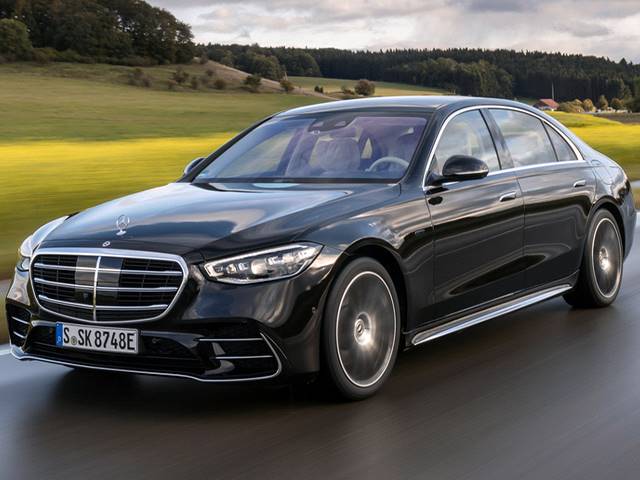
Owning a Mercedes-Benz S-Class brings real trade-offs. These affect pocketbook, time, and ownership ease.
- High purchase price. New S-Class models start at a premium compared with mainstream cars.
- Expensive maintenance and repairs. Complex systems and luxury parts cost more to fix.
- Higher insurance costs. Insurers price flagship sedans at a premium due to repair expense.
- Faster depreciation in absolute dollars. Luxury cars lose significant value early in ownership.
- Complexity and repair risk. Advanced tech means more things can need calibration or replacement.
- Fuel costs for powerful engines. V8 and V12 models consume more fuel than smaller cars.
- Size and practicality limits. Tight city garages and narrow streets can be a hassle for a full-size S-Class.
From my experience, owners who skip a factory service plan tend to face surprise bills. It’s smart to plan for higher recurring costs.
49% off Today's Exclusive Deals
Limited-time Exclusive Deals. Check current discount on Amazon.
Check Price on Amazon As an Amazon Associate I earn from qualifying purchases.Ownership cost breakdown: what to expect
Knowing the cost lines helps you budget for S-Class ownership. Below are the major cost areas to consider.
- Purchase price. Expect to pay significantly above mainstream sedans for a new S-Class.
- Depreciation. Luxury sedans often lose a large share of value in the first five years.
- Maintenance and scheduled service. Dealer services use specialized labor and diagnostic tools.
- Repairs and parts. Electronics, air suspension, and trim parts carry premium prices.
- Insurance. Liability and comprehensive coverage are costlier for flagship models.
- Fuel. Choose a hybrid or smaller engine to lower fuel spend if that matters.
- Tires and brakes. Larger wheels and performance brakes cost more to replace.
Tip: A certified pre-owned Mercedes-Benz S-Class with remaining warranty can reduce immediate depreciation and repair risk. Extended warranties are worth considering for expensive electronic systems.
Technology, safety, and comfort: why the S-Class leads — and where it can bite back
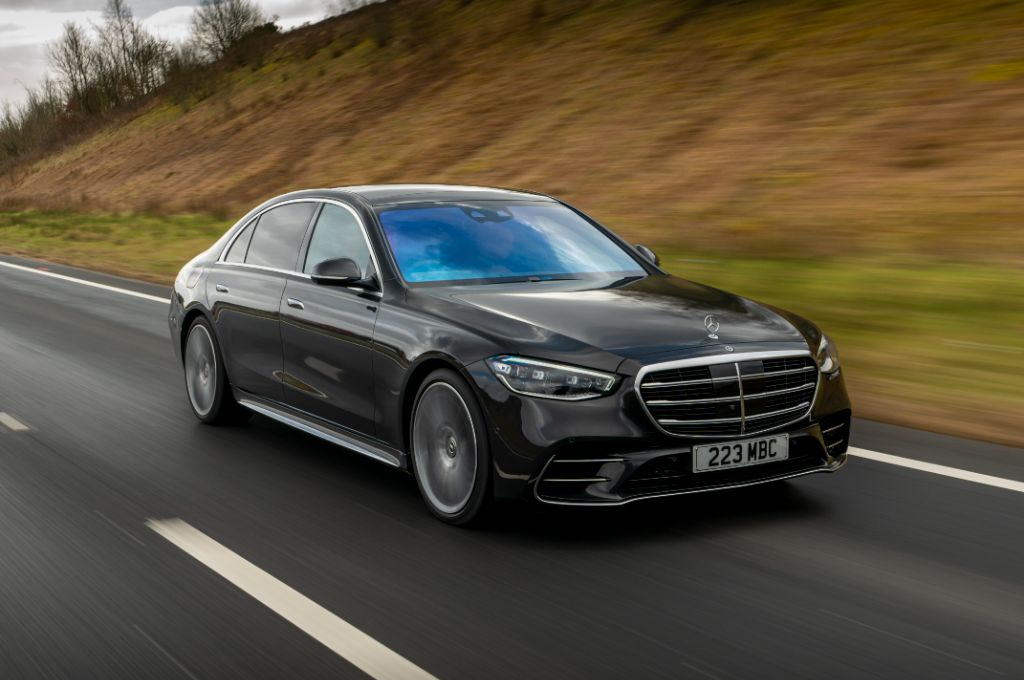
The Mercedes-Benz S-Class often debuts the brand’s latest innovations. These raise comfort and safety, but add maintenance complexity.
- Infotainment and voice control. Modern systems are highly capable but require occasional updates and recalibration.
- Active suspension and ride tech. Systems like active body control smooth the road. Repairs can be costly if hydraulics or sensors fail.
- Driver assistance suites. Intelligent cruise and lane systems reduce fatigue. They rely on many sensors that need proper alignment.
- Interior features. Heated, cooled, and massaging seats are great for comfort. They involve many moving parts that can need service over time.
I once experienced a software update that temporarily disabled a convenience feature after service. The dealer fixed it quickly, but it showed how software can affect daily use.
Is a Mercedes-Benz S-Class right for you? A quick checklist
Use this checklist to judge fit. If most items match your needs, the S-Class could be a good match.
- You value top comfort and tech more than low cost of ownership.
- You will keep the car long-term or prefer certified pre-owned to avoid steep new-car depreciation.
- You can budget for higher insurance, fuel, and maintenance.
- You want a flagship vehicle for executive travel or brand prestige.
- You accept occasional dealer-only repairs for complex systems.
If you need simple, low-cost transport, a smaller luxury sedan may be a better choice than the Mercedes-Benz S-Class.
Buying tips and maintenance advice for S-Class owners
Practical steps help reduce surprises and protect value. These tips come from test drives, ownership stories, and working with dealers.
- Consider certified pre-owned. It lowers upfront cost and often includes warranty coverage.
- Buy key options wisely. Some tech packages are expensive and costly to repair.
- Get a pre-purchase inspection. A trained technician can detect suspension or electronics problems early.
- Maintain service records. Dealer maintenance improves resale value and service accuracy.
- Invest in an extended warranty for peace of mind. It can be cost-effective for expensive components.
- Learn the basic tech resets. A simple reboot or software update can resolve minor glitches.
- Choose the right drivetrain for your use. Hybrids save fuel for city driving. V8s suit those who prioritize performance.
I recommend shopping around dealers and asking for historic service invoices. They show how the car was cared for.
Frequently Asked Questions of What are the pros and cons of owning a Mercedes-Benz S-Class?
Is the Mercedes-Benz S-Class reliable?
The Mercedes-Benz S-Class is well-engineered, but reliability varies by model year and options. Complex electronics and advanced systems mean reliability depends on regular maintenance and software updates.
How much does it cost to maintain an S-Class?
Maintenance for an S-Class typically costs more than for mainstream cars due to luxury parts and specialized labor. Expect higher annual service and occasional expensive repairs for electronic or suspension components.
Should I buy a new or used Mercedes-Benz S-Class?
A certified pre-owned Mercedes-Benz S-Class often offers better value by avoiding the steepest depreciation while retaining many warranty protections. New models are best if you want the latest tech and customization.
Are S-Class parts expensive?
Yes, parts for the Mercedes-Benz S-Class are usually pricey. High-end audio, active suspension parts, and body trim can carry premium costs compared with non-luxury cars.
Does the S-Class hold value well?
The S-Class name helps resale versus lesser luxury brands, but flagship sedans still experience notable depreciation in absolute dollars. Keeping service records and buying popular trims helps preserve value.
Is the S-Class worth it for tech and comfort?
For buyers who prioritize comfort and cutting-edge tech, the Mercedes-Benz S-Class is often worth the premium. It sets a high bar for cabin quietness, ride quality, and in-car technology.
Conclusion
Owning a Mercedes-Benz S-Class means enjoying one of the most refined rides, top-tier safety, and the latest automotive tech. It also means higher upfront cost, steeper upkeep, and complex systems that need careful care. If you value prestige, supreme comfort, and leading-edge features — and you can budget for maintenance and insurance — the S-Class can be a rewarding choice.
Takeaway: weigh long-term costs against the daily joy and status the S-Class brings. If you’re leaning toward ownership, start by test driving the exact trim you want, compare new vs certified pre-owned options, and plan for service and warranty coverage. Share your thoughts or questions below, or subscribe for more buying guides and ownership tips.