Have you ever noticed your engine oil disappearing faster than it should? It’s frustrating, and it might even worry you about your car’s health.
But why does engine oil burn fast, and what does it mean for your vehicle? Understanding this can save you money, prevent engine damage, and keep your car running smoothly. You’ll discover the common reasons behind rapid oil burn and simple steps you can take to fix the problem before it’s too late.
Keep reading to protect your engine and get the most out of your car.
Common Causes Of Fast Oil Burning
Engine oil burns faster than normal for several reasons. These issues cause the oil to disappear quickly and may harm your engine. Understanding common causes helps you spot problems early. It also saves money on repairs and oil changes.
Worn Piston Rings
Piston rings seal the space between pistons and cylinder walls. When they wear out, oil leaks into the combustion chamber. This oil then burns during the engine’s operation. Worn rings cause higher oil consumption and lower engine performance.
Leaking Valve Seals
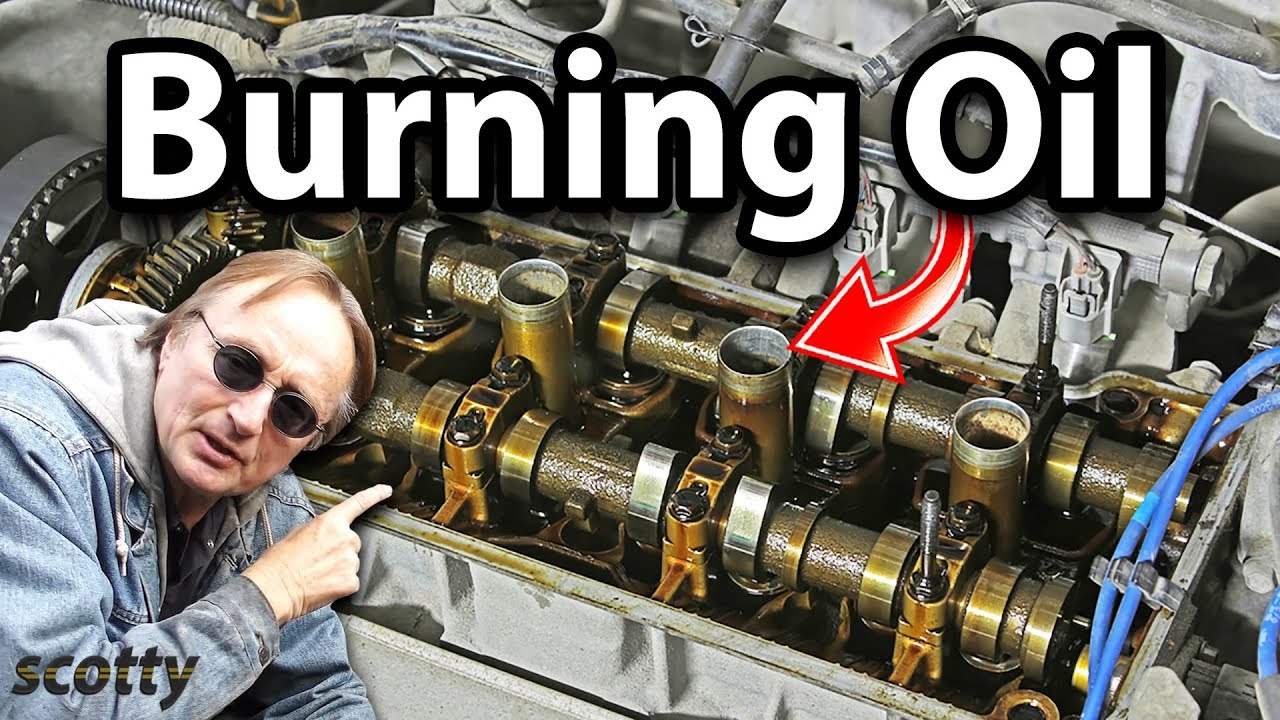
Valve seals stop oil from entering the engine’s cylinders. Over time, they can crack or harden. This allows oil to drip into the combustion area and burn. Leaking valve seals often cause blue smoke from the exhaust.
Clogged Pcv Valve
The Positive Crankcase Ventilation (PCV) valve clears gases from the engine. A clogged PCV valve traps pressure inside the engine. This forces oil to enter the combustion chamber and burn. Cleaning or replacing the valve fixes this problem.
Engine Overheating
High engine temperatures break down oil faster than normal. Overheating can burn off oil quickly and reduce its protective properties. It also causes sludge buildup, which clogs engine parts and wastes oil.
Poor Quality Oil
Low-quality oil lacks the right additives to protect engines. It breaks down and burns faster under heat and pressure. Using cheap oil can increase oil consumption and damage engine parts over time.
Driving Habits Impact
Frequent hard acceleration and stop-and-go traffic stress the engine. This increases oil consumption and causes faster burning. Gentle driving and regular maintenance help keep oil use low and engines healthy.

Signs Your Engine Is Burning Oil
Engine oil burns fast for many reasons. Knowing the signs helps you spot problems early. Watch for clear signals that your engine is burning oil. Catching these signs saves money and avoids bigger damage.
Here are the most common signs to watch for in your vehicle.
Blue Smoke From Exhaust
Blue smoke coming from the exhaust shows oil is burning inside the engine. It means oil slips into the combustion chamber. This smoke is often visible when starting the car or accelerating.
Frequent Oil Top-ups
You need to add oil more often than usual. This means oil is burning or leaking. Check oil levels regularly. Fast oil loss is a warning sign of engine trouble.
Engine Performance Issues
The engine runs rough or loses power. Burning oil can foul spark plugs and reduce efficiency. You may notice misfires or poor acceleration. These problems can worsen if oil burning continues.
Oil Smell Inside Cabin
Smelling oil inside your car is a bad sign. It means oil vapors enter the cabin through leaks. This smell is strong and unpleasant. It signals a serious engine issue that needs attention.
Quick Fixes For Oil Consumption
Engine oil burning fast can cause serious problems. It lowers engine performance and increases repair costs. Quick fixes help reduce oil consumption. These steps protect your engine and save money.
Regular Oil Checks And Changes
Check oil levels often. Low oil causes the engine to burn oil faster. Change oil as recommended. Fresh oil keeps the engine running smoothly. This simple step prevents many oil issues.
Replacing Valve Seals
Worn valve seals let oil leak into the engine. This increases oil consumption. Replace old valve seals to stop leaks. This fix helps keep oil inside the engine where it belongs.
Fixing Pcv Valve
The PCV valve controls engine pressure. A broken valve causes oil to burn quickly. Check the PCV valve regularly. Replace a faulty valve to reduce oil burning.
Using High-quality Oil
Cheap oil breaks down faster. Use high-quality oil made for your engine. Good oil lasts longer and protects engine parts. This reduces oil burning and improves engine health.
Avoiding Engine Overheating
Hot engines burn oil faster. Keep the cooling system in good shape. Fix leaks and check coolant levels often. Avoiding overheating helps save oil and prevents damage.
Adjusting Driving Style
Hard driving increases oil consumption. Drive gently and avoid rapid acceleration. Smooth driving reduces engine stress. This simple change helps your engine use oil more efficiently.

Preventive Measures For Oil Longevity
Engine oil burns fast due to several factors. Taking steps to protect the oil helps the engine last longer. Simple habits can keep oil in good shape. These habits save money and improve car performance.
Scheduled Engine Maintenance
Regular engine checks keep oil clean and effective. Changing oil on time stops dirt buildup. Clean oil flows better and cools engine parts. Follow the manufacturer’s service schedule closely. This prevents early oil burning and engine damage.
Using Recommended Oil Grades
Use the oil grade your car needs. Wrong oil can break down quickly under heat. Correct oil thickness keeps engine parts lubricated. It also reduces oil consumption and burning. Check the owner’s manual before buying oil.
Monitoring Engine Temperature
High engine heat makes oil burn faster. Watch the temperature gauge during drives. Stop and cool the engine if it overheats. Fix cooling system issues fast. Proper temperature keeps oil working well longer.
Addressing Leaks Promptly
Oil leaks cause quick loss of engine oil. Check under the car for puddles or stains. Repair leaks as soon as possible. Leaks lead to low oil and engine wear. Early fixing keeps oil levels stable and safe.
Frequently Asked Questions
Why Does Engine Oil Burn Quickly?
Engine oil burns fast due to engine overheating, worn piston rings, or valve seal leaks. These issues cause oil to enter combustion chambers and burn. Regular maintenance helps prevent rapid oil consumption and protects engine performance.
How Does Engine Condition Affect Oil Burning?
Poor engine condition, like worn components or leaks, increases oil burning. Damaged seals or rings allow oil into combustion chambers. Maintaining engine health reduces oil consumption and improves efficiency.
Can Using Wrong Oil Cause Fast Burning?
Yes, using incorrect oil viscosity or low-quality oil can cause faster burning. Wrong oil may not lubricate properly, increasing engine wear and oil consumption. Always use manufacturer-recommended oil for best results.
How Often Should Engine Oil Be Checked?
Check engine oil level monthly or before long trips. Regular checks help detect leaks or burning early. Maintaining proper oil level ensures engine protection and prevents damage.
Conclusion
Engine oil burns fast for several key reasons. Poor engine health, leaks, and driving habits all play roles. Using the wrong oil type speeds up burning. Regular checks help spot problems early. Fixing leaks and changing oil on time saves money.
Clean oil keeps engines running smooth and long. Watch your engine oil level often. Preventing fast oil burn protects your car’s life. Keep your engine healthy with simple care steps.


