Most common issues include battery/charging quirks, software glitches, and high repair costs.
I’ve spent years working with EVs and testing high-performance electric cars. If you’re asking "What are the most common problems with the Porsche Taycan?" you want clear, practical answers you can trust. This article breaks down the main faults owners see, why they happen, and what you can do to avoid or fix them. I’ll share hands-on tips from service work and real-world drives so you can make smarter ownership decisions.

49% off Today's Exclusive Deals
Limited-time Exclusive Deals. Check current discount on Amazon.
Check Price on Amazon As an Amazon Associate I earn from qualifying purchases.
Overview: common themes and why they matter
When people ask "What are the most common problems with the Porsche Taycan?" they usually mean practical faults that affect daily use. These fall into a few clear buckets: battery and charging, software and electronics, thermal management and range, and ownership costs like maintenance and repairs. Each category has causes that are tied to the Taycan’s advanced tech. Knowing the cause helps you prevent trouble or spot issues early.
Key points owners should watch
49% off Today's Exclusive Deals
Limited-time Exclusive Deals. Check current discount on Amazon.
Check Price on Amazon As an Amazon Associate I earn from qualifying purchases.- Battery and charging depend on temperature and charger type.
- Software updates can both fix and introduce quirks.
- Regenerative braking and cooling affect comfort and range.
- Repair and parts costs are higher than average for a luxury EV.
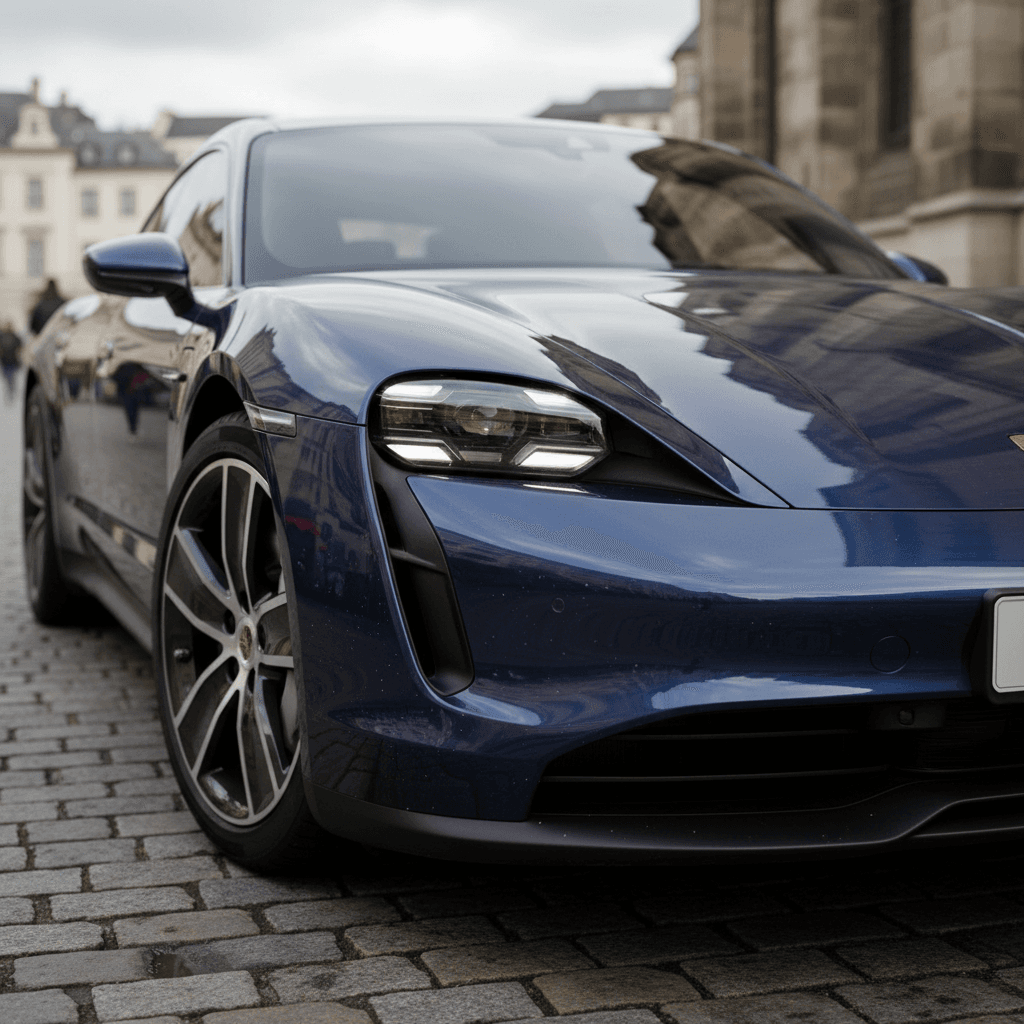
Battery, charging, and range: what to expect
A core part of answering "What are the most common problems with the Porsche Taycan?" is battery behavior. The Taycan uses high-voltage systems and advanced battery management. That delivers fast charging and strong performance. But it also means the battery needs careful thermal control to charge at peak speed.
Typical issues
- Slower-than-expected DC fast charging when the battery is cold or the charger is not fully compatible.
- Range drops in cold weather due to battery chemistry and auxiliary loads like heating.
- Range estimation that can feel optimistic in mixed driving or with aggressive driving.
Why this happens
49% off Today's Exclusive Deals
Limited-time Exclusive Deals. Check current discount on Amazon.
Check Price on Amazon As an Amazon Associate I earn from qualifying purchases.- The Taycan’s 800V architecture gives very fast charging when conditions are right. If the battery is cold or the charge station only supplies 400V, charging slows due to safety and efficiency limits.
- Cold batteries have less usable capacity. Heating the cabin draws energy and cuts range.
- Real-world range varies with speed, driving style, temperature, and use of accessories.
Practical tips
- Precondition the battery and cabin before charging on long trips.
- Use compatible high-power chargers for best results.
- Monitor firmware updates that improve battery management and range estimation.

Software, infotainment, and electronics glitches
Software plays a large role in modern cars. So another angle on "What are the most common problems with the Porsche Taycan?" concerns infotainment and driver assistance systems. Owners report occasional bugs that need software updates.
Common symptoms
- Infotainment freeze or slow startup.
- Connectivity issues with phones, apps, or navigation rerouting.
- Random warning messages that clear after a reboot or update.
How to handle them
- Keep your car’s software up to date. Updates often fix known bugs.
- If intermittent warnings appear, note the exact message and conditions, then share them with the dealer or service center.
- Use the car’s reset options before booking a service visit. This often resolves minor glitches.
From my experience, many software complaints end up resolved with a single update or a minor reconfiguration at the dealer. Still, recurring issues should be logged and followed up.
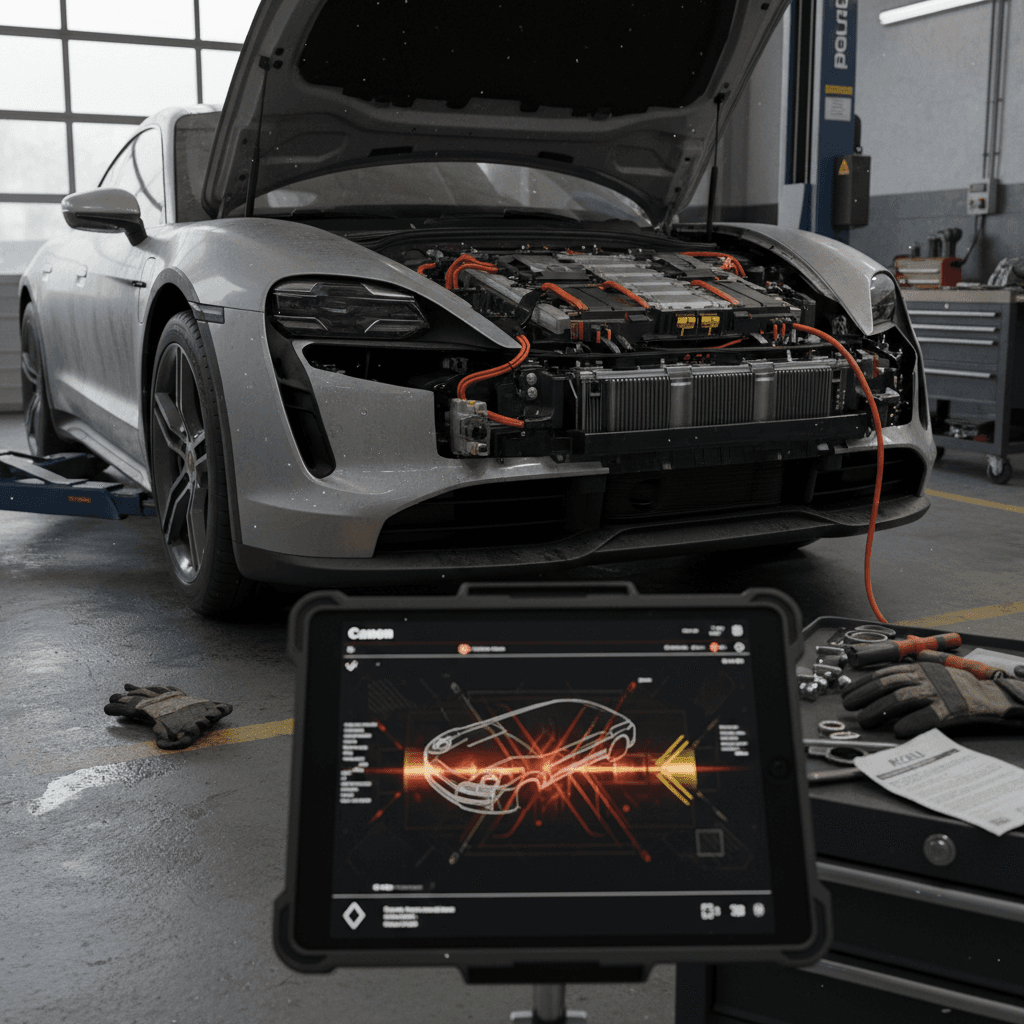
Cooling, thermal management, and braking behavior
Thermal systems control battery temperature, cabin comfort, and regenerative braking. These areas often come up when asking "What are the most common problems with the Porsche Taycan?"
Key issues
- Reduced regenerative braking in some conditions or inconsistent feel compared with ICE cars.
- Cooling system strain during repeated high-speed runs or heavy charging sessions.
- HVAC performance that varies with software settings and climate conditions.
Why owners notice this
- Regenerative braking is tuned for efficiency and driver preference. It can feel abrupt or weak depending on settings.
- Rapid charging raises battery temperature. The cooling system runs hard to protect cells, which can limit charge speed or cause temporary performance adjustments.
- Complex HVAC linked to battery heating can be confusing until you learn the car’s behavior.
Owner tips
- Learn the regen settings and try different modes to match your driving style.
- For spirited runs, allow cooldown periods to keep thermal systems within limits.
- Preconditioning helps both charging and cabin comfort in cold weather.

Build quality, interior fit, and small annoyances
Porsche is known for finish and fit, but even premium cars have small issues. When someone asks "What are the most common problems with the Porsche Taycan?" they also mean daily comfort items that add frustration.
Examples owners report
- Minor rattles or trim squeaks, especially as miles add up.
- Wear on high-contact surfaces like seat bolsters or touch panels over years.
- Occasional mismatch in material aging compared to older, simpler Porsches.
How to manage this
- Regular inspections during service visits catch loose trim early.
- Keep interior plastics and leathers conditioned to slow wear.
- Address noises promptly—many are cheap fixes if caught early.
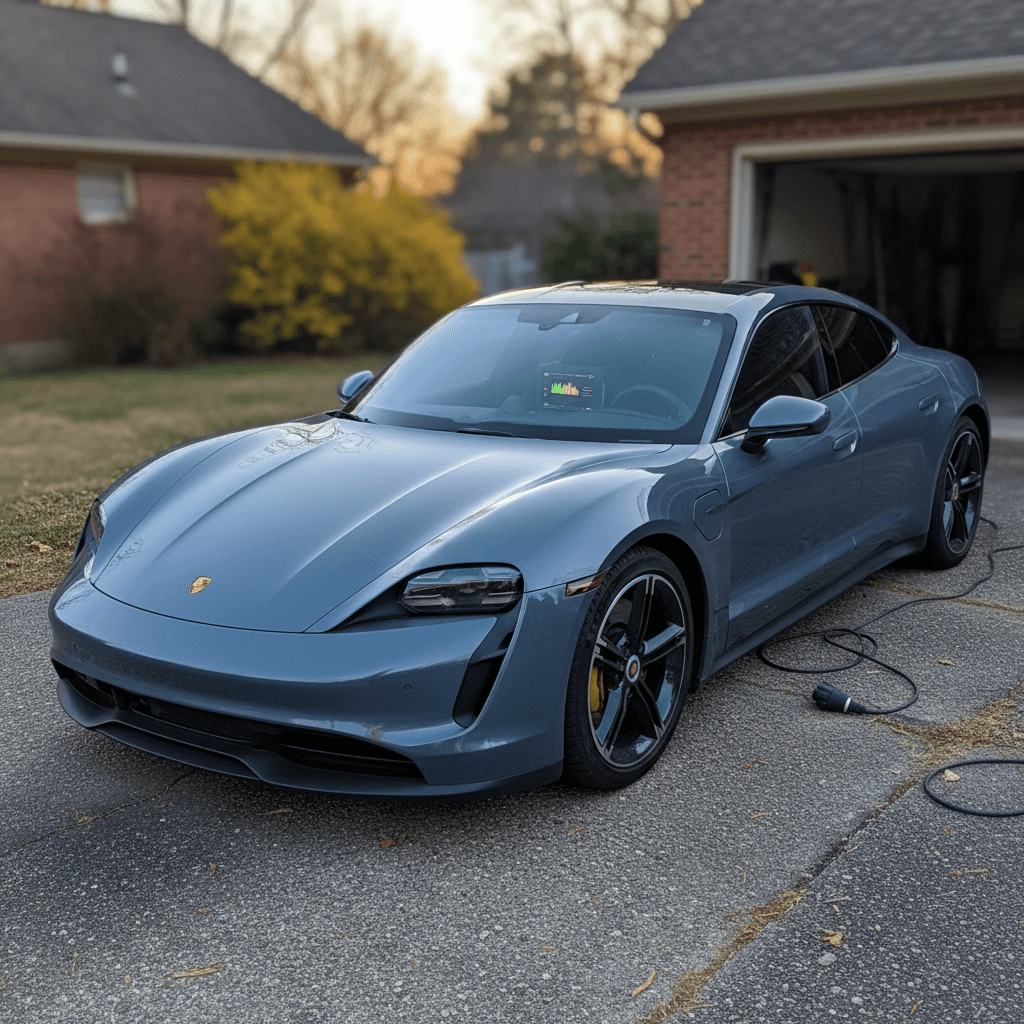
Maintenance, repair costs, recalls, and reliability expectations
A final part of answering "What are the most common problems with the Porsche Taycan?" involves ownership cost and long-term reliability. EV powertrains have fewer moving parts than combustion engines, but high-tech components cost more.
What to expect
- Routine maintenance is less frequent but still important: brakes, tires, suspension, and cabin systems.
- Repairs for electronics, battery systems, or unique EV components can be costly.
- Occasional recalls and service campaigns happen as software gets refined or components are improved.
Smart ownership practices
- Buy or verify a strong warranty and consider extended coverage for peace of mind.
- Track software updates and service bulletins from the dealer.
- Keep a maintenance log to preserve resale value and warranty claims.
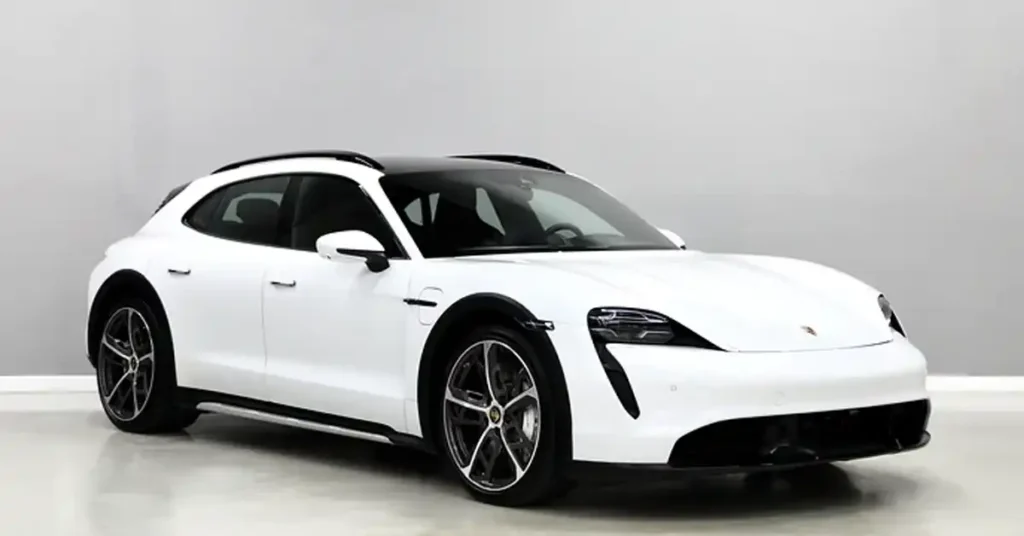
Ownership tips: prevention, inspection, and daily habits
If you’re wondering "What are the most common problems with the Porsche Taycan?" the best answer includes how to prevent them. Small habits make a big difference.
Practical checklist
- Precondition battery before charging and driving in extreme temps.
- Use manufacturer-recommended chargers when possible.
- Update software promptly and keep records of updates.
- Inspect tires, brakes, and suspension regularly because the Taycan is heavy and high-performance.
- Test all electronics during a pre-purchase inspection if buying used.
Personal tip from experience
- I once helped a buyer who thought their Taycan had a major battery fault. It was a software calibration issue fixed by an update. A thorough test drive and dealership diagnostic saved them thousands.
Frequently Asked Questions about What are the most common problems with the Porsche Taycan?
What are the most common problems with the Porsche Taycan related to charging?
Charging issues often stem from cold battery temperatures or incompatible chargers. Preconditioning and using high-power compatible chargers usually fix slow charging.
Does the Taycan suffer from battery degradation quickly?
The Taycan’s battery performs well long-term with normal use and proper charging habits. Extreme fast charging and repeated deep discharges can accelerate wear over many years.
Are software glitches a major concern for Taycan owners?
Software glitches happen but are usually fixed through updates or dealer service. Keep the car updated and report repeat problems to the service center.
How expensive is maintenance for a Taycan compared to other EVs?
Routine maintenance is similar to other luxury EVs, but repairs for electronics or unique parts can be pricier. Warranties and dealer service plans reduce out-of-pocket costs.
What should I check during a pre-purchase inspection of a Taycan?
Check battery health, charging behavior, software version, infotainment function, HVAC, and verify no outstanding service campaigns. A certified technician should run diagnostics for complete peace of mind.
Conclusion
Understanding what are the most common problems with the Porsche Taycan? helps you buy smarter and drive with confidence. The main faults are predictable: battery and charging quirks, software and electronics, thermal management, and higher repair costs. Most issues can be prevented or minimized with good habits: precondition the battery, update software, and keep up with service. If you own or plan to buy a Taycan, take these steps and you’ll enjoy its performance with fewer surprises. Share your experiences, ask questions in the comments, or subscribe for more EV ownership guides.