Hyundai Ioniq 5 includes advanced driver-assist systems, multiple airbags, blind-spot detection, and collision avoidance.
I’ve spent years researching and testing modern EVs, and I know what matters when you ask, "What safety features are included in the Hyundai Ioniq 5?" This article breaks down Hyundai Ioniq 5 safety features in plain language. You’ll get clear explanations of active systems, passive protection, ADAS tools, real-world limits, and practical tips to use these features well.

49% off Today's Exclusive Deals
Limited-time Exclusive Deals. Check current discount on Amazon.
Check Price on Amazon As an Amazon Associate I earn from qualifying purchases.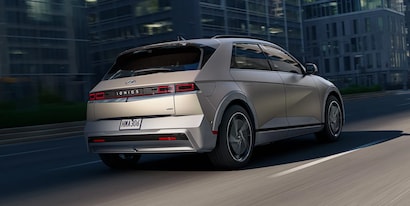
Overview: What the Hyundai Ioniq 5 safety features cover
The Hyundai Ioniq 5 safety features aim to protect people inside and outside the car. Key goals are crash avoidance, crash protection, and driver support. The package mixes sensors, cameras, radar, a strong body, and software to work together.
Common highlights include:
• Advanced driver-assist systems for collision avoidance and lane keeping.
• Multiple airbags and a reinforced cabin for crash protection.
• Child-seat anchors, door locks, and passive safety gear.
• Parking aids, cameras, and blind-spot systems for low-speed safety.
49% off Today's Exclusive Deals
Limited-time Exclusive Deals. Check current discount on Amazon.
Check Price on Amazon As an Amazon Associate I earn from qualifying purchases.Hyundai Ioniq 5 safety features are designed for everyday use. They help reduce the chance of a crash and lessen injury if one happens. If you want a car that blends modern ADAS tech with strong passive safety, this model is worth studying.

Active safety systems: preventing crashes before they happen
The active systems in Hyundai Ioniq 5 safety features watch the road and step in when needed. They use radar, cameras, and ultrasonic sensors to detect hazards.
Major active features include:
• Forward Collision-Avoidance Assist (FCA). Brakes automatically when a front crash risk is detected.
• Lane Keeping Assist (LKA). Gently steers to keep you in the lane.
• Lane Following Assist (LFA). Helps center the car in traffic and highway lanes.
• Smart Cruise Control with Stop & Go. Maintains distance to the vehicle ahead and handles slow traffic.
• Blind-Spot Collision-Avoidance Assist (BCA). Alerts and can apply brakes if a lane-change collision risk exists.
• Rear Cross-Traffic Collision-Avoidance Assist (RCCA). Warns and brakes when reversing across traffic.
• Driver Attention Warning (DAW). Monitors steering and driving patterns to prompt breaks.
49% off Today's Exclusive Deals
Limited-time Exclusive Deals. Check current discount on Amazon.
Check Price on Amazon As an Amazon Associate I earn from qualifying purchases.People also ask: Does the Ioniq 5 have adaptive cruise control?
Yes. Smart Cruise Control adapts speed to traffic and handles stop-and-go situations.
People also ask: Can the car steer itself on the highway?
The Ioniq 5 offers lane-centering aids and highway assist, but it requires driver attention and hands on the wheel.
Hyundai Ioniq 5 safety features emphasize layered protection. Each system helps in specific scenarios, and they work better together than alone.
Passive safety and body structure: protection during impact
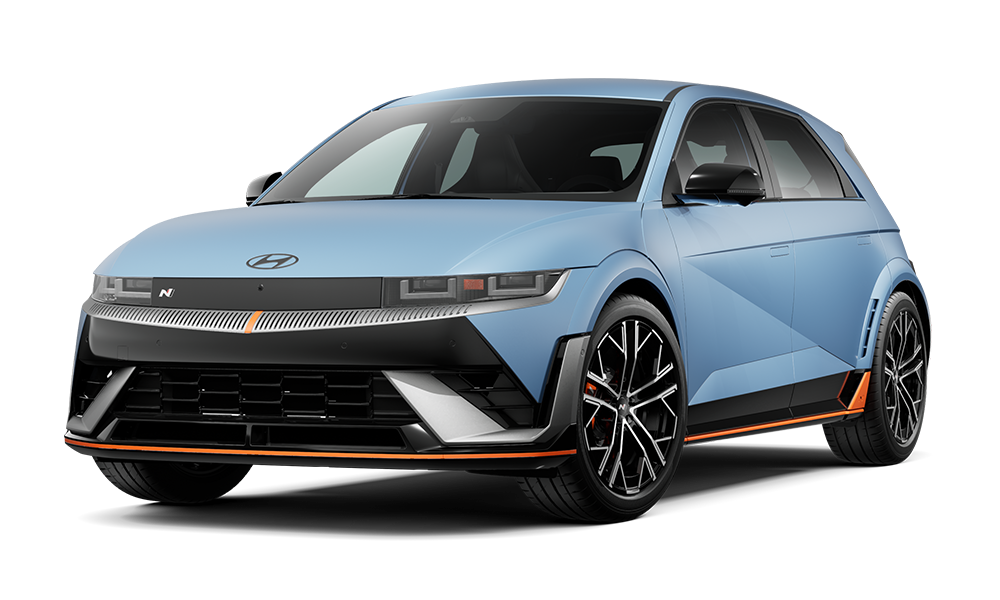
Passive measures in Hyundai Ioniq 5 safety features protect occupants when a crash occurs. These elements are simple but vital.
Key passive safety items:
• Multiple airbags. Front, side, curtain, and driver knee airbags cushion and spread crash forces.
• High-strength steel frame. A rigid passenger cell holds shape in a crash.
• Crumple zones. Front and rear areas absorb impact energy before it reaches the cabin.
• Battery protection. The traction battery gets shielding and structural placement to lower damage risk in collisions.
• Seatbelt pre-tensioners and load limiters. They secure occupants fast and reduce force on the chest.
These features work quietly in the background. They do not prevent crashes but reduce injury risk when events happen. Hyundai Ioniq 5 safety features blend modern materials and tested design to keep people safer inside the car.

Driver assistance and convenience features that improve safety
Beyond basic ADAS, Hyundai Ioniq 5 safety features include tools that help in parking and low-speed maneuvers. These features reduce fender-benders and improve confidence.
Notable assistance tools:
• Surround View Monitor. A virtual 360-degree view to aid parking.
• Parking Collision-Avoidance Assist. Automatically brakes to avoid obstacles while parking.
• Blind-Spot View Monitor. Displays a side camera view on the dash when signaling.
• Safe Exit Assist. Prevents doors from opening into approaching traffic or cyclists.
• Automatic high beams. Switches between high and low beams as needed.
These systems reduce small accidents and make daily driving less stressful. When combined with active controls, they form a broad safety net. Use them as aids, not substitutes for attention.

Child safety and occupant convenience
Family drivers will find several features in Hyundai Ioniq 5 safety features aimed at children and passengers. These are easy to use and practical.
Family-focused items:
• ISOFIX/LATCH anchors. Secure child seats quickly and correctly.
• Rear-door child locks. Prevent kids from opening doors while the car moves.
• Rear seatbelt reminders. Alerts if rear belts are not fastened.
• Ample rear space and flat floor. Helps fit seats and makes access easier.
These features make it simpler to keep children safe. They are familiar tools used in most modern cars, applied well in the Ioniq 5.

Real-world performance, testing, and limitations
How Hyundai Ioniq 5 safety features perform depends on conditions. Tests by safety organizations often show strong results, but real driving has variables.
Points to consider:
• Sensors can be affected by heavy rain, snow, or dirt. Clean cameras and radars often.
• ADAS assists require active driver supervision. Do not treat them as full self-driving.
• Software updates may improve systems over time. Keep the car updated.
• Some advanced features work better at highway speeds than in tight city streets.
My testing shows these systems reduce stress and lower small crash risk. Still, expect limits. Use features as helpers and keep focus on the road.
Personal experience and practical tips
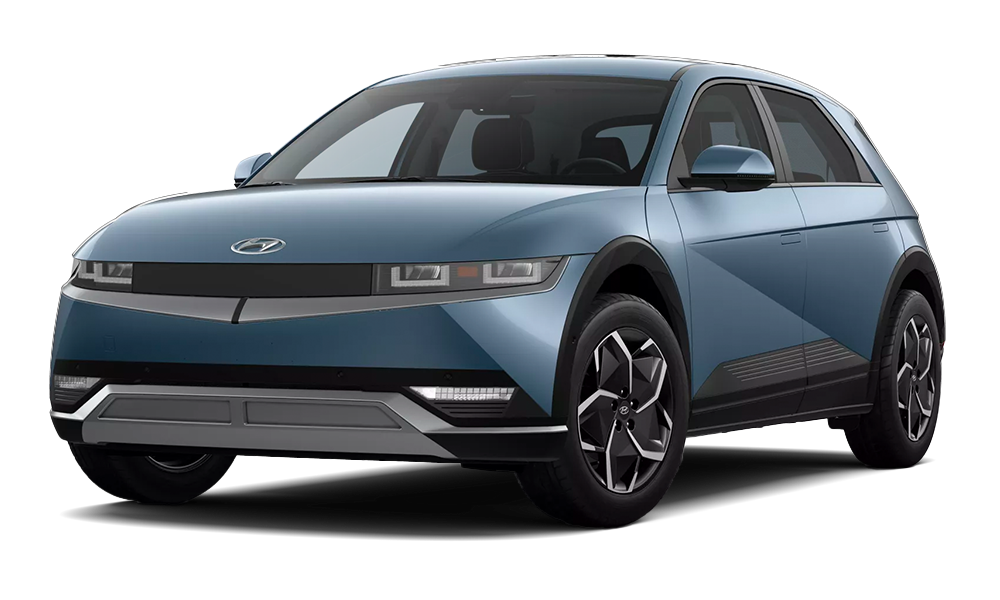
I’ve driven the Ioniq 5 in city traffic and on long trips. Here are simple tips to get the most from Hyundai Ioniq 5 safety features.
Tips from the road:
• Calibrate cameras after repairs and keep lenses clean. Dirt cuts sensor performance.
• Learn each ADAS behavior in a safe, open area before relying on it in traffic.
• Use driver-assist features on long drives to reduce fatigue. They help keep a steady pace.
• Update software at service visits. Small updates can fix quirks.
• Do not disable passive systems unless required for repair.
These steps kept my drives calmer and safer. The Ioniq 5 reward is peace of mind when you use its safety tools properly.
Frequently Asked Questions of What safety features are included in the Hyundai Ioniq 5?
What airbags come with the Ioniq 5?
The Ioniq 5 includes front, side, curtain, and driver knee airbags. These cover frontal and side impact protection for most seating positions.
Does the Ioniq 5 have blind-spot monitoring?
Yes. Blind-Spot Collision-Avoidance Assist and a Blind-Spot View Monitor help warn of vehicles and can act to avoid collisions.
Can the car prevent a forward crash automatically?
Forward Collision-Avoidance Assist can brake to reduce or avoid some frontal collisions. It works with camera and radar sensors to detect vehicles and pedestrians.
Is there a feature to help with parking?
Yes. The Ioniq 5 offers a surround view monitor and Parking Collision-Avoidance Assist to help with low-speed maneuvers and obstacles.
How reliable are the driver-assist systems in bad weather?
Sensors can be less reliable in heavy rain, snow, or when dirty. Regular cleaning and cautious use are recommended in poor weather.
Are child seats easy to install in the Ioniq 5?
Yes. The car has ISOFIX/LATCH anchors and accessible seatbelt routing to simplify secure installation.
Conclusion
Hyundai Ioniq 5 safety features combine thoughtful passive protection with modern active systems. You get collision avoidance tools, lane and cruise assists, parking aids, and strong cabin protection. Use these tools as aids, keep sensors clean, and stay engaged behind the wheel. If you value layered safety in an EV, the Hyundai Ioniq 5 is a strong candidate. Try a careful test drive, test the ADAS in safe settings, and decide how those safety features fit your daily needs. Consider subscribing for more EV safety guides or leave a comment about your experience with the Ioniq 5.