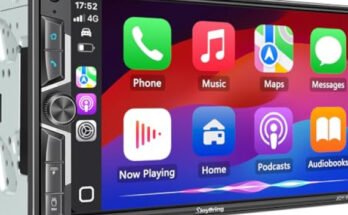
Sony DSX-GS80 troubleshooting is usually about power, wiring, Bluetooth, or audio settings.
If your Sony DSX-GS80 is acting up, you are not alone. I have seen this model behave like a stubborn teammate: great when everything is right, frustrating when one small connection slips. In this guide, I’ll walk you through Sony DSX-GS80 troubleshooting in a clear, practical way so you can find the problem fast and get your stereo working again.

49% off Today's Exclusive Deals
Limited-time Exclusive Deals. Check current discount on Amazon.
Check Price on Amazon As an Amazon Associate I earn from qualifying purchases.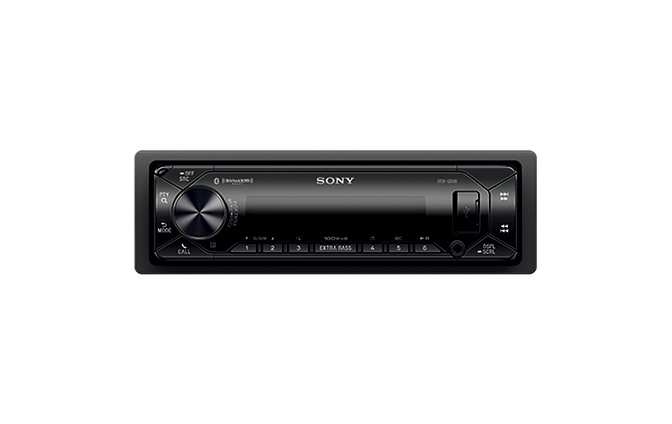
Common Sony DSX-GS80 Problems and What They Usually Mean
The Sony DSX-GS80 is a powerful digital media receiver, but even good car audio gear can run into issues. Most problems come down to a few familiar areas: no power, no sound, distorted audio, Bluetooth pairing trouble, or display glitches.
Here is the good news. Many Sony DSX-GS80 troubleshooting cases are simple fixes, not major failures. In my experience, the hardest part is not the repair itself. It is figuring out which small detail is causing the chain reaction.
49% off Today's Exclusive Deals
Limited-time Exclusive Deals. Check current discount on Amazon.
Check Price on Amazon As an Amazon Associate I earn from qualifying purchases.Common symptoms include:
- The unit does not turn on
- The display lights up, but there is no sound
- Bluetooth will not connect
- Audio cuts in and out
- FM radio reception is weak
- The sound is too low, too harsh, or unbalanced
- Buttons stop responding or the screen freezes
If you know the symptom, you are already halfway there. A good troubleshooting process starts by narrowing the issue instead of guessing.
Check the Basics First
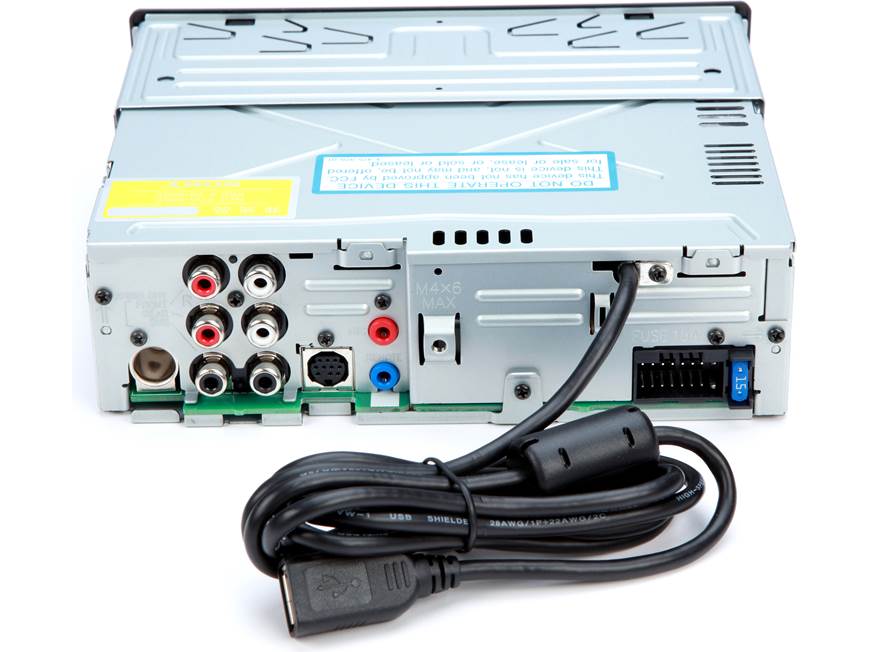
Before digging into advanced Sony DSX-GS80 troubleshooting, start with the simple stuff. Many “serious” problems turn out to be loose wiring, a bad fuse, or a setting that got changed by accident.
49% off Today's Exclusive Deals
Limited-time Exclusive Deals. Check current discount on Amazon.
Check Price on Amazon As an Amazon Associate I earn from qualifying purchases.Here is the order I usually follow:
- Make sure the car ignition is on
- Check the head unit power button and volume
- Confirm the fuse is not blown
- Inspect the wiring harness for loose plugs
- Verify the speaker wires are connected correctly
- Make sure the unit is not muted
A small wiring issue can feel like a big failure. I once spent too long chasing a dead radio only to find a slightly loose ground wire. That one tiny connection made the whole system look broken.
Also check whether the unit entered a protection mode. Car audio systems often shut down or limit output when they detect a short circuit or overheating. That is not a defect by itself. It is usually the device trying to protect itself.
Sony DSX-GS80 No Power Troubleshooting
If your Sony DSX-GS80 does not power on, focus on the power path first. Think of it like checking a garden hose from the faucet to the nozzle. If water is not reaching the end, the break is somewhere in the chain.
Try these steps:
- Inspect the car fuse and the stereo fuse
- Check the yellow constant power wire
- Check the red ignition wire
- Confirm the black ground wire is firmly attached to bare metal
- Look for pinched or damaged wiring
- Test the vehicle battery voltage
If the fuse keeps blowing, that points to a short circuit. Do not keep replacing fuses without finding the cause. That can waste time and may damage the unit or the car wiring.
If you have a multimeter, use it. A simple voltage test can tell you whether power is reaching the receiver. Sony car audio units usually need steady 12V power, so weak battery voltage or poor grounding can create strange startup problems.
Sony DSX-GS80 No Sound or Low Sound Fixes
A powered-on unit with no sound can be more confusing than a dead one. The screen looks fine, so it feels like the stereo should work. But sound loss often comes from settings, speaker wiring, or amplifier issues.
Check these points:
- Make sure the volume is up
- Confirm mute is off
- Check fader and balance settings
- Verify the correct audio source is selected
- Inspect speaker wires for shorts or breaks
- Check amplifier remote turn-on wiring if you use an external amp
If the sound is low only on one side, the problem may be speaker related. If there is no sound at all, the issue may be upstream. That means the signal is not leaving the head unit properly or the amplifier is not waking up.
Sony DSX-GS80 troubleshooting for audio should also include checking the sound settings. Bass, EQ, and loudness settings can make the unit sound weak or muddy if they are set too aggressively. Sometimes the fix is as simple as resetting the EQ to flat and testing again.
Bluetooth Pairing and Connection Problems
Bluetooth is one of the most common pain points in Sony DSX-GS80 troubleshooting. Pairing issues can come from the phone, the stereo, or even stored connections that are fighting each other.
Try this approach:
- Turn Bluetooth off and on again on your phone
- Delete the Sony DSX-GS80 from your phone’s paired devices
- Clear the phone list on the receiver if needed
- Put the stereo back into pairing mode
- Make sure no other device is connected already
- Keep your phone close to the unit during setup
From real-world use, I have seen Bluetooth act like two people trying to grab the same chair. If the receiver still remembers an old device, it may keep reconnecting to that instead of your current phone. Clearing old pairings often solves the issue quickly.
If calls work but music does not, check the Bluetooth profile settings on your phone. Also make sure your media volume is not turned down separately from call volume. Phones love to split those controls in ways that confuse everyone.
Sony DSX-GS80 Display, Button, and Freeze Issues
When the display acts strange, the problem may be software, temperature, or power instability. A flickering screen or frozen buttons often points to a weak connection, a bad reset, or a unit that needs to restart cleanly.
Try these steps:
- Turn the unit off and back on
- Perform a reset using the reset button if available
- Disconnect power briefly, then reconnect
- Check for loose wiring behind the dash
- Make sure the unit is not overheating
- Avoid pressing multiple buttons too fast during startup
If the screen is dim or hard to read, check display brightness settings first. Also inspect whether the dash lights are affecting screen mode. Some receivers respond to vehicle lighting signals, and a wrong connection can make the display seem faulty when it is really just set low.
Sound Distortion, Static, and Poor Audio Quality
Distortion is one of those issues that can sneak up on you. At first it sounds fine, then one speaker starts crackling or the whole system sounds harsh at higher volume. In Sony DSX-GS80 troubleshooting, distortion usually means one of three things: bad source material, bad wiring, or gain settings that are too high.
Check for:
- Speaker wires touching each other
- Damaged speaker cones
- Incorrect impedance
- Overdriven amplifier gain
- Poor ground connection
- Weak or noisy audio source
If distortion happens only at high volume, the speakers may be reaching their limit. If it happens at low volume too, the issue may be electrical. A shorted speaker wire can create crackling, popping, or protection mode shutdown.
A useful test is to switch between Bluetooth, USB, and radio. If only one source sounds bad, the receiver may be fine and the problem may be with the file, phone, or antenna input.
Resetting the Sony DSX-GS80 Safely
Sometimes the best Sony DSX-GS80 troubleshooting move is a reset. This is like rebooting a laptop that has gotten confused. It clears temporary glitches and can fix pairing issues, frozen screens, or strange behavior after installation.
Before resetting, remember:
- Save any custom settings if possible
- Expect paired devices and sound adjustments to be cleared
- Use the reset button or power cycle method recommended for the unit
- Recheck your settings after rebooting
I recommend a reset when the unit behaves oddly after power loss or after a wiring change. But do not use it as a shortcut for real hardware problems. If the unit keeps failing after reset, there is probably a deeper issue like grounding, fuse damage, or a bad connection.
Installation Issues That Look Like Product Failure
A lot of Sony DSX-GS80 troubleshooting starts with installation. That is true for many car audio systems. A receiver can be perfectly fine and still seem broken if the install is off by just one wire.
Watch for these common installation mistakes:
- Ground wire attached to painted metal
- Loose harness connectors
- Speaker wires reversed or shorted
- Ignition and constant power wires swapped
- External amplifier remote wire not connected
- Antenna lead not seated properly
If the receiver worked for a while and then failed after a new install, revisit the wiring diagram. Car audio wiring is unforgiving. One crossed wire can create weird symptoms that look random but are actually very consistent once you trace them.
A clean install is often the best troubleshooting fix. Secure the harness, check each splice, and make sure nothing is being pinched behind the dash. Heat and vibration can expose weak connections over time.
When to Suspect a Hardware Problem
Not every issue can be fixed at home. If you have checked power, wiring, settings, and reset options, the receiver may have a hardware fault. That could involve the internal amplifier, display board, Bluetooth module, or a damaged circuit.
Signs of a deeper hardware issue include:
- The unit smells burnt
- The fuse blows repeatedly with correct wiring
- The screen stays dead despite confirmed power
- Bluetooth fails even after full reset
- The unit overheats quickly
- Sound cuts out regardless of source or volume
At that point, professional service may be the smarter move. I always tell people not to keep forcing a unit that is showing clear electrical trouble. It is better to stop, test carefully, and protect the vehicle’s wiring as well as the stereo itself.
Best Troubleshooting Checklist for Sony DSX-GS80
If you want a fast, practical method, use this checklist. It covers the most common Sony DSX-GS80 troubleshooting causes in a simple order.
- Check vehicle power and ignition
- Inspect both fuses
- Confirm grounding
- Test speaker wiring
- Reset the unit
- Re-pair Bluetooth devices
- Verify source and sound settings
- Test with another phone or USB device
- Check for overheating or protection mode
- Inspect for damaged wiring or loose plugs
This approach saves time because it starts with the most likely causes. In many cases, the fix shows up by step 3 or 4. If not, you have already ruled out the basics and can move on with confidence.
Preventing Future Problems
Good Sony DSX-GS80 troubleshooting is not only about fixing problems. It is also about preventing them from coming back. That is where careful wiring and regular checks make a big difference.
A few habits help a lot:
- Keep wiring secure behind the dash
- Avoid overloading the system with mismatched speakers
- Do not set amplifier gain too high
- Keep firmware or phone software updated when relevant
- Clean stored Bluetooth devices you no longer use
- Check the ground connection if the system acts up after bumps or heat
Car audio systems live in a rough world. Vibration, heat, and power swings are part of daily life. A little prevention goes a long way, just like tightening the lid on a travel mug before putting it in a backpack.
Frequently Asked Questions of Sony DSX-GS80 Troubleshooting
Why is my Sony DSX-GS80 not turning on?
The most common reasons are a blown fuse, loose wiring, or a bad ground connection. Start by checking power wires, then test the vehicle battery and ignition feed.
Why does my Sony DSX-GS80 have power but no sound?
This usually points to speaker wiring, mute settings, balance/fader settings, or an external amplifier issue. Also make sure the audio source is working and the volume is not set too low.
How do I reset my Sony DSX-GS80?
Use the unit’s reset function if available, or power it down and reconnect it after a short wait. A reset can fix freeze-ups and Bluetooth glitches, but it will not repair broken wiring or hardware damage.
Why won’t my phone connect to Bluetooth?
Old paired devices, a stuck connection, or phone settings can block pairing. Delete the stereo from your phone, clear the unit’s memory if needed, and try pairing again with the phone close to the receiver.
Why does my Sony DSX-GS80 keep blowing a fuse?
A repeated fuse failure usually means a short circuit, damaged wiring, or an incorrect installation. Stop replacing fuses until you inspect the harness, speaker wires, and power leads carefully.
Why does the sound distort at higher volume?
Distortion often comes from speaker limits, gain set too high, weak grounding, or damaged speakers. Try lowering the volume and testing different sources to narrow down the cause.
Conclusion
Sony DSX-GS80 troubleshooting becomes much easier when you follow a calm, step-by-step process. Start with power, wiring, and fuses, then move to sound settings, Bluetooth, resets, and installation checks. That simple order solves a surprising number of problems without guesswork.
If your unit still misbehaves after the basics, do not rush. Take time, test carefully, and rule out hardware issues before replacing parts. Use the checklist above, and if the problem persists, consider professional help or keep learning from trusted car audio resources.