Are you trying to decide between a diesel or petrol engine for your next vehicle? It’s a common question with no one-size-fits-all answer.
You want the best choice for your money, your driving style, and your needs. But how do you know which engine truly gives you more power, better fuel efficiency, and lower costs? By the end of this article, you’ll have clear, simple facts that help you choose confidently.
Keep reading to uncover the real differences and find out if a diesel engine is really better than petrol for you.
Fuel Efficiency
Fuel efficiency plays a key role in choosing between diesel and petrol engines. It affects how far a vehicle can travel on a specific amount of fuel. Better fuel efficiency means fewer stops at the pump and lower fuel costs. Understanding the differences helps buyers make smart choices.
Mileage Differences
Diesel engines usually provide higher mileage than petrol engines. They burn fuel more slowly, making them last longer on a single tank. Diesel cars often travel 20% to 30% farther than petrol cars with the same fuel volume. This makes diesel a popular choice for drivers who cover long distances.
Energy Content Of Fuels
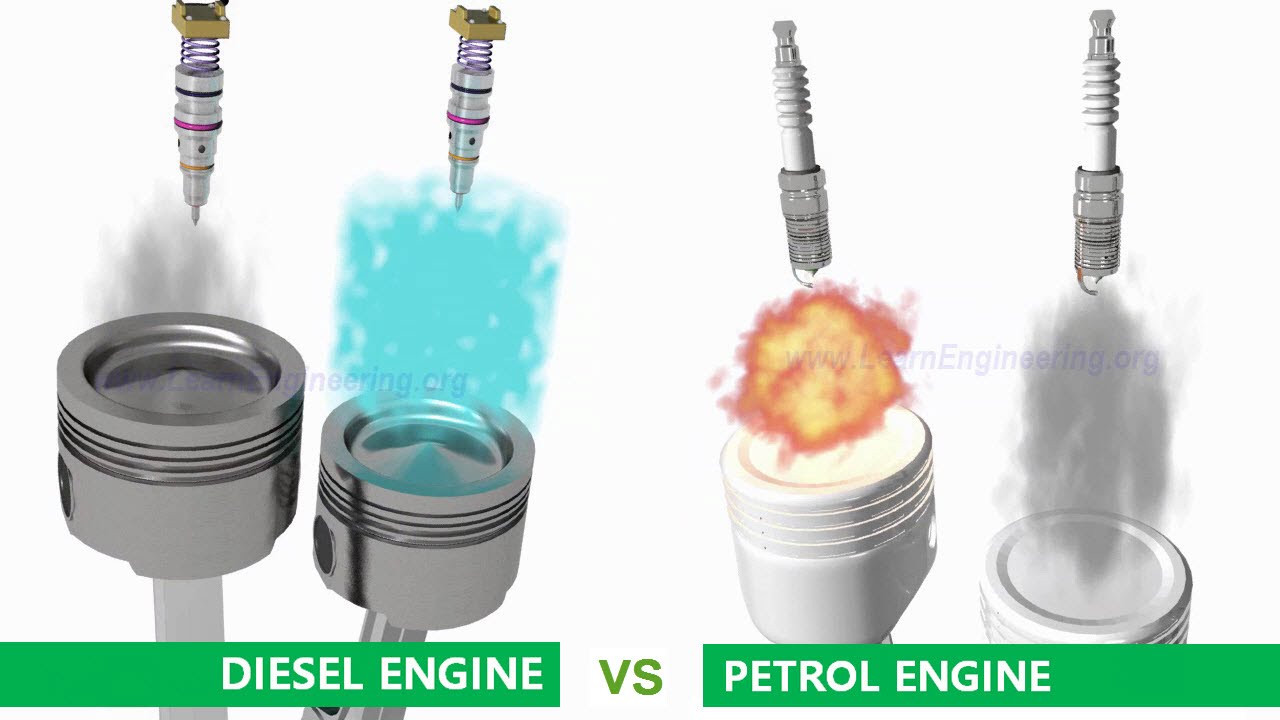
Diesel fuel contains more energy per liter than petrol. This means diesel releases more power when burned. The higher energy content helps diesel engines run efficiently with less fuel. Petrol has lower energy content, so it needs more fuel to produce the same power. This is one reason diesel engines often use fuel more efficiently.
Performance And Power
Performance and power are key factors in choosing between diesel and petrol engines. These qualities affect driving feel and vehicle capability. Both engine types deliver power differently, impacting your driving experience. Understanding their torque, acceleration, noise, and vibration helps make a better choice.
Torque And Acceleration
Diesel engines produce more torque at low speeds. This means strong pulling power right from the start. Trucks and SUVs often use diesel for this reason. Petrol engines deliver power at higher RPMs. They accelerate faster but need to reach higher speeds. Diesel suits heavy loads and long drives. Petrol fits light vehicles and quick city rides.
Engine Noise And Vibration
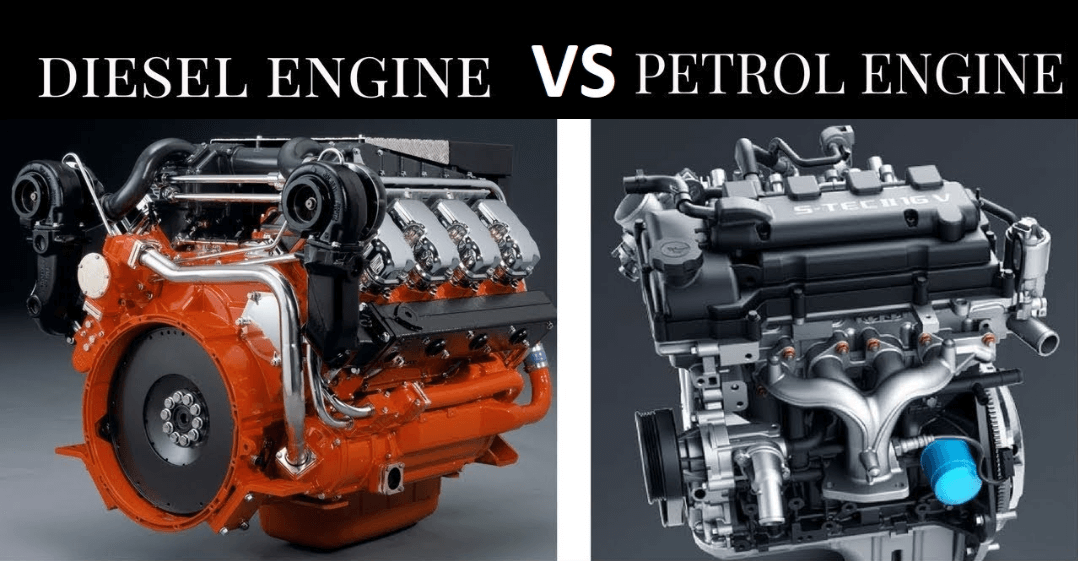
Diesel engines are louder and vibrate more than petrol engines. This is due to higher compression in diesel cylinders. The noise can feel rough during slow driving. Petrol engines run quieter and smoother. They provide a calm and refined driving experience. Some modern diesels reduce noise with new tech. Still, petrol engines remain better for quiet rides.
Cost Factors
Cost plays a big role when choosing between diesel and petrol engines. It affects your budget from the start and through the life of the vehicle. Understanding different cost factors helps make a smart choice.
Initial Purchase Price
Diesel vehicles usually cost more to buy than petrol ones. This is because diesel engines are built to be stronger. The parts cost more to produce and assemble. Buyers often pay a higher price upfront for diesel models.
Maintenance And Repairs
Diesel engines need more frequent maintenance. They have complex parts like turbochargers and fuel injectors. Repairs can be expensive due to these parts. Petrol engines are simpler, so their maintenance costs stay lower.
Fuel Costs
Diesel fuel often costs less per liter than petrol. Diesel engines are more efficient and use less fuel. This saves money over time, especially for long drives. Petrol engines burn more fuel, raising the total fuel cost.
Environmental Impact
The environmental impact of diesel and petrol engines is a key concern for many drivers today. Both types affect air quality and natural resources differently. Understanding their impact helps make better choices for the planet and future generations.
Emissions And Pollution
Diesel engines release less carbon dioxide than petrol engines. This helps reduce greenhouse gases that cause global warming. But diesel emits more nitrogen oxides and fine particles. These pollutants harm air quality and human health.
Petrol engines produce more carbon dioxide but fewer harmful particles. This means cleaner air but a bigger carbon footprint. Both engine types contribute to pollution, but in different ways.
Fuel Consumption Effects
Diesel engines use fuel more efficiently than petrol engines. They travel longer distances with less fuel. This lowers fuel consumption and reduces overall emissions.
Petrol engines consume more fuel for the same distance. Higher fuel use means more frequent refills and more pollution over time. Fuel efficiency plays a major role in environmental impact.
Durability And Lifespan
Durability and lifespan are key factors in choosing between diesel and petrol engines. Both types have unique features that affect how long they last and how they handle daily use. Understanding these differences helps in making a smart choice for your vehicle.
Engine Longevity
Diesel engines often last longer than petrol engines. Their design is built to handle higher pressure and tough conditions. This makes diesel engines strong and able to run for many miles. Petrol engines usually have a shorter lifespan due to their lighter build. Diesel engines can reach 300,000 miles or more with good care. Petrol engines often need major work or replacement after 150,000 to 200,000 miles.
Wear And Tear
Diesel engines face less wear and tear because they operate at lower speeds. Their parts are thicker and more durable. Petrol engines run faster and hotter, which can cause parts to wear out quicker. The fuel type also affects engine wear. Diesel fuel lubricates engine parts, reducing friction. Petrol does not provide the same lubrication, increasing wear over time.
Suitable Applications
Choosing between a diesel and a petrol engine depends on how you plan to use your vehicle. Each engine type suits different driving needs. Knowing the right application helps you pick the best option.
City Driving
Petrol engines perform well in city driving. They start quickly and run smoothly on short trips. Petrol cars are lighter and easier to handle in traffic. Diesel engines can struggle with frequent stops and low speeds. They work better when running longer and steady. So, petrol is often better for daily city use.
Long Distance And Heavy Loads
Diesel engines excel in long-distance driving and carrying heavy loads. They offer more torque, which helps pull weight easily. Diesel vehicles use fuel more efficiently on highways. This makes them cheaper for long trips. They also last longer under tough conditions. Diesel suits trucks, buses, and large SUVs better than petrol engines.
Resale Value
Resale value plays a big role in choosing between diesel and petrol engines. It tells how much money you get back when selling your vehicle. This value depends on many things, including fuel type, demand, and maintenance costs.
Diesel Engine Resale Value
Diesel cars usually keep their value better over time. They are popular for long drives and heavy use. Buyers often pay more for diesel cars because of their fuel efficiency. Diesel engines also last longer, which adds to their resale price.
Petrol Engine Resale Value
Petrol cars may lose value faster than diesel cars. They are cheaper to buy new but may not hold value well. Petrol engines suit city driving and short trips. Some buyers prefer petrol cars for their lower noise and smoother ride.
Factors Affecting Resale Value
Market demand changes the resale price a lot. Fuel prices can make diesel or petrol cars more popular. Maintenance costs also affect how buyers value the car. Condition, mileage, and model year are important too.
Frequently Asked Questions
Which Engine Is More Fuel-efficient: Diesel Or Petrol?
Diesel engines are generally more fuel-efficient than petrol engines. They extract more energy from fuel, leading to better mileage and lower fuel costs.
Are Diesel Engines More Expensive To Maintain?
Diesel engines often have higher maintenance costs due to complex components. However, their durability may offset these expenses over time.
Do Diesel Engines Produce More Pollution Than Petrol Engines?
Diesel engines emit more nitrogen oxides and particulates, but petrol engines release higher carbon monoxide. Modern filters reduce diesel emissions significantly.
Which Engine Offers Better Performance For Heavy Vehicles?
Diesel engines provide higher torque at low RPMs, making them ideal for heavy vehicles and towing tasks compared to petrol engines.
Conclusion
Diesel and petrol engines each have clear strengths. Diesel engines offer better fuel efficiency and torque. Petrol engines usually provide smoother rides and less noise. Choosing depends on your driving style and needs. Think about fuel costs, maintenance, and environmental impact.
Both types serve different purposes well. The best choice fits your daily use and budget. Consider these points before making a decision.


