You’ve invested in a dash cam to keep your drives safer and capture every moment on the road. But have you ever noticed those loose cables hanging around your windshield or dashboard?
Not only do they look messy, but unsecured cables can distract you, get damaged, or even cause your dash cam to stop working when you need it most. Imagine driving without your reliable recording just because of a simple cable problem.

49% off Today's Exclusive Deals
Limited-time Exclusive Deals. Check current discount on Amazon.
Check Price on Amazon As an Amazon Associate I earn from qualifying purchases.You’ll discover easy and effective ways to secure your dash cam cables, keeping your setup neat, safe, and fully functional. Keep reading to protect your gear and drive with confidence.
Choosing The Right Cables
Choosing the right cables for your dash cam is crucial for a clean, secure setup. Proper cables ensure steady power and clear video signals. They also help avoid tangled wires and unsafe connections.
Good cables keep your dash cam working well over time. They reduce the risk of damage from constant use or harsh weather conditions.
49% off Today's Exclusive Deals
Limited-time Exclusive Deals. Check current discount on Amazon.
Check Price on Amazon As an Amazon Associate I earn from qualifying purchases.Types Of Dash Cam Cables
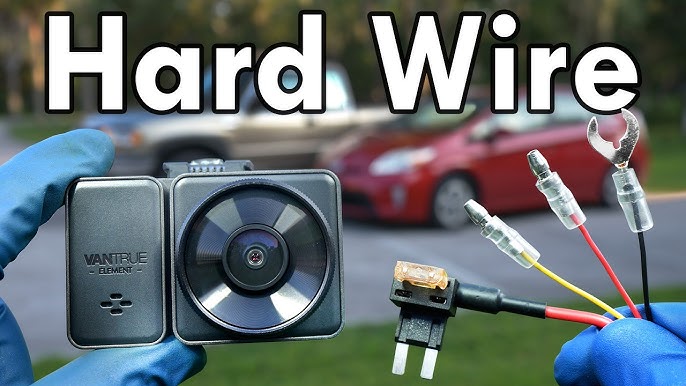
Dash cams use mainly two types of cables: USB and hardwiring cables. USB cables connect the camera to a power source or charger. Hardwiring cables link the dash cam directly to the vehicle’s fuse box. This lets the camera run even when the car is off.
Cable Length Considerations
Choose cable length based on your vehicle size and camera position. Too short cables limit where you place the dash cam. Too long cables create extra clutter and may get tangled. Measure the distance from the power source to the camera before buying cables.
Durability And Quality
Select cables made from strong materials to last longer. Look for cables with thick insulation and sturdy connectors. Quality cables resist heat, cold, and daily wear. Cheap cables can break quickly, causing power loss or poor video quality.
Planning Your Cable Route
Planning your cable route is the first step to secure your dash cam cables properly. A good plan keeps cables safe and out of sight. It also helps avoid damage and interference. Taking time to map the path makes installation easier and cleaner.
49% off Today's Exclusive Deals
Limited-time Exclusive Deals. Check current discount on Amazon.
Check Price on Amazon As an Amazon Associate I earn from qualifying purchases.Common Routing Paths
Most dash cam cables run along the edge of the windshield. They go up the A-pillar and under the headliner. Some routes go behind the dashboard or under the door seals. Choose a path that avoids moving parts like airbags or vents. This keeps cables secure and prevents wear.
Avoiding Interference
Keep cables away from power wires and electronic devices. Interference can cause poor video quality or power issues. Use plastic clips or cable ties to separate cables. Avoid running cables near antennas or speakers. This reduces the chance of signal problems.
Keeping Cables Hidden
Hide cables inside trim panels or under mats. Use a trim removal tool to tuck wires neatly. Avoid sharp bends and pinching points. A clean look keeps cables safe and protects your car’s interior. Hidden cables are less likely to be damaged or noticed.
Cable Management Tools
Managing dash cam cables keeps your car tidy and safe. Neat cables avoid distractions and damage. Using the right tools can make this task simple and effective. Here are some popular cable management tools to secure your dash cam wires.
Cable Clips And Holders
Cable clips stick to surfaces and hold cables in place. They prevent cables from hanging loosely or tangling. Clips come in various sizes to fit different cable thicknesses. Installing clips is quick and does not need tools. Position clips along the cable path for a clean look.
Using Zip Ties
Zip ties bundle cables tightly and keep them secure. They are strong and inexpensive. Use zip ties to group cables running along the same route. Avoid tightening too much to prevent cable damage. Cut off excess tie ends for a neat finish.
Adhesive Cable Organizers
Adhesive cable organizers stick firmly to most surfaces. They hold cables in place without drilling or screws. These organizers come in different shapes for flexible cable arrangement. Clean the surface before applying for better grip. They help keep cables out of sight and organized.
Securing Cables Safely
Securing dash cam cables safely is important for a clean setup and long device life. Proper cable management stops damage and keeps connections working well. It also protects cables from heat and wear, which can cause failures. Small steps can make a big difference in cable safety.
Preventing Cable Damage
Use cable clips or ties to keep wires in place. Avoid tight bends or sharp angles that can break cables. Keep cables away from doors or windows where they might get pinched. Check cables regularly for signs of wear or damage.
Avoiding Loose Connections
Make sure all plugs fit snugly into ports. Loose connections can cause the dash cam to lose power. Clean connectors if dusty to improve contact. Secure cables with clips to stop movement that loosens plugs.
Protecting Against Heat And Wear
Keep cables away from hot engine parts or direct sunlight. Heat can melt or weaken cable insulation. Use heat-resistant sleeves if cables run near warm areas. Replace any cables that show cracks or wear to avoid failures.
Maintaining A Tidy Setup
Keeping dash cam cables neat helps your car look clean and prevents damage. A tidy setup stops cables from tangling or getting caught. It also makes it easier to check the cables and keep them working well. Simple steps can keep cables safe and your dash cam running smoothly.
Regular Cable Checks
Check your dash cam cables often. Look for signs of wear, like cracks or loose ends. Make sure cables are not pinched or twisted. Fix any problems quickly to avoid bigger damage. Regular checks help your system stay safe and reliable.
Cleaning And Upkeep
Keep cables clean from dust and dirt. Use a soft cloth to wipe cables gently. Avoid strong cleaners that can damage the cable surface. Clean cables last longer and keep good connections. A clean setup looks better and works better.
Upgrading Cables When Needed
Old or damaged cables affect dash cam performance. Replace cables that show signs of wear or fail to work. Use high-quality cables made for your dash cam model. Upgrading cables ensures steady power and clear video signals. It helps avoid sudden failures on the road.

Frequently Asked Questions
How Do I Hide Dash Cam Cables In My Car?
To hide dash cam cables, tuck them along the car’s trim or headliner. Use cable clips or adhesive mounts to secure them neatly. Avoid loose wires that can distract or interfere with driving safety.
What Tools Help Secure Dash Cam Cables Effectively?
Cable clips, adhesive mounts, zip ties, and trim removal tools work best. These tools keep cables organized, prevent tangling, and maintain a clean look inside your vehicle.
Can I Use Double-sided Tape For Dash Cam Cables?
Yes, double-sided tape works well for securing cables on smooth surfaces. Choose automotive-grade tape for durability and strong adhesion. It helps keep cables in place without damaging interiors.
Why Is Securing Dash Cam Cables Important?
Securing cables prevents them from obstructing your view or interfering with controls. It also protects wires from damage caused by movement or friction, ensuring your dash cam functions reliably.
Conclusion
Securing dash cam cables keeps your car neat and safe. Proper cable management prevents damage and avoids distractions. Use clips, ties, or adhesive mounts for a tidy setup. Keep cables away from moving parts and heat sources. Regularly check cables to ensure they stay secure.
A clean installation makes your dash cam work better. Small steps make a big difference in safety and convenience. Take time to organize cables carefully. Your driving experience will improve with less clutter inside.