Are your wiper blades making that annoying squeaking or chattering sound every time it rains? You’re not alone, and the good news is, fixing noisy wiper blades is easier than you think.
Imagine driving in a storm with clear, streak-free windows—and no distracting noise. You’ll discover simple, effective steps to silence those wipers and improve your visibility. Keep reading to learn how you can quickly get rid of that irritating sound and enjoy a smoother, safer drive every time you hit the road.

49% off Today's Exclusive Deals
Limited-time Exclusive Deals. Check current discount on Amazon.
Check Price on Amazon As an Amazon Associate I earn from qualifying purchases.
Causes Of Noisy Wiper Blades
Noisy wiper blades can be annoying and reduce visibility while driving. Understanding the causes helps fix the problem quickly. Several common issues make wiper blades squeak or chatter. Knowing these causes saves time and improves safety.
Worn Out Blades
Wiper blades wear out with time and use. The rubber becomes hard or cracked. Old blades do not glide smoothly on the glass. This causes noise and poor wiping.
Dirty Windshield
A dirty windshield makes blades work harder. Dust, dirt, and debris create friction. The blades scrape instead of sliding softly. This leads to loud noises during wiping.
49% off Today's Exclusive Deals
Limited-time Exclusive Deals. Check current discount on Amazon.
Check Price on Amazon As an Amazon Associate I earn from qualifying purchases.Improper Installation
If wiper blades are not installed right, noise can happen. Blades might be loose or at a wrong angle. This causes uneven contact with the glass. The result is chattering sounds.
Weather Conditions
Cold weather can harden wiper rubber. Ice or frost on the glass adds roughness. Heat can also dry out the blades. Both conditions cause noisy wiping sounds.

Cleaning Techniques
Cleaning techniques play a key role in fixing noisy wiper blades. Dirt and grime build-up cause the blades to squeak or skip. Regular cleaning can make your wipers work smoothly and quietly. Both the blades and the windshield need cleaning for best results.
Cleaning The Blades
Start by lifting the wiper arms away from the windshield. Use a soft cloth soaked in warm, soapy water. Gently wipe the rubber edges of the blades. Remove any dirt, leaves, or grease stuck to the blades. For stubborn grime, use rubbing alcohol on a cloth. Clean both sides of the blade thoroughly. Dry the blades completely before lowering them back.
49% off Today's Exclusive Deals
Limited-time Exclusive Deals. Check current discount on Amazon.
Check Price on Amazon As an Amazon Associate I earn from qualifying purchases.Cleaning The Windshield
Spray glass cleaner or a mixture of vinegar and water onto the windshield. Wipe it with a clean microfiber cloth. Focus on the areas where the wipers rest and wipe. Dirt on the glass causes the blades to chatter. Remove all dust and debris for a smooth wipe. Repeat if needed to ensure the windshield is spotless.
Blade Maintenance Tips
Keeping your wiper blades in good shape is key to quiet, clear wiping. Simple care steps stop noise and wear. These tips help your blades last longer and work better.
Follow these easy steps to maintain your wiper blades and avoid noisy problems on rainy days.
Regular Inspection
Look at your blades often. Check for cracks, tears, or hard spots. Dirt or debris can cause noise and streaks. Clean the blades with a soft cloth and mild soap. Catch problems early to keep wiping smooth.
Replacing Old Blades
Old blades lose their flexibility and grip. Replace them every six to twelve months. New blades wipe better and stay quiet. Choose the right size for your car. Swap out both blades at the same time for even performance.
Lubricating Wiper Arms
Wiper arms can get stiff and cause noise. Use a small amount of silicone spray or light oil on the joints. Move the arms back and forth to spread the lubricant. This helps them move smoothly and reduces squeaking sounds.
Adjusting Wiper Blades
Adjusting wiper blades can stop annoying noises and improve visibility. Proper alignment and pressure help wipers work smoothly. Small tweaks make a big difference in how blades move across your windshield.
Checking Blade Alignment
Start by turning on the wipers and watching their movement. The blades should touch the glass evenly from top to bottom. If one side lifts or misses spots, the alignment is off. Gently lift the blade arm and reposition it to sit flat against the glass. Test again to ensure the blade sweeps correctly without gaps or chatter.
Correcting Blade Pressure
Wiper blades need the right pressure to clear water well. Too much pressure can cause noise and wear out the blades fast. Too little pressure leaves streaks on the windshield. Check the wiper arm’s spring tension by pressing it with your hand. Adjust the arm slightly if it feels too loose or too tight. The blade should press firmly but glide smoothly across the glass.
Choosing The Right Wiper Blades
Choosing the right wiper blades is key to stopping noisy, streaky wipes. The correct blades clear your windshield quietly and smoothly. Pick blades that fit your driving needs and weather conditions. This helps improve visibility and safety during rain or snow. Understanding different types and matching them to your vehicle ensures better performance.
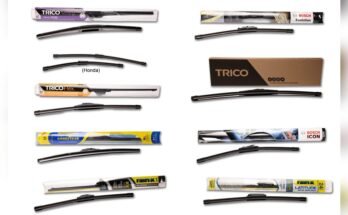
Types Of Wiper Blades
There are three main types of wiper blades. Traditional frame blades have a metal frame holding the rubber. They work well in most weather but can wear out faster.
Beam blades use a single, curved piece of rubber. They press evenly on the glass for a cleaner wipe. These blades resist ice and snow buildup better.
Hybrid blades combine features of frame and beam blades. They offer strong wiping power and smooth movement. Many drivers find hybrids quieter and longer-lasting.
Matching Blades To Vehicle
Check your vehicle’s manual or use online tools to find the right size. Blades too long or short will not clean properly. Some cars need different sizes on driver and passenger sides.
Consider your climate when choosing blade material. Rubber blades work well in mild weather. Silicone blades last longer and handle heat better.
Proper fit reduces noise and extends blade life. Installing the correct blades ensures safe, clear vision on the road.

Additional Quieting Tricks
Wiper blades can be noisy for many reasons. Sometimes, simple tricks can help make them quiet again. These quieting tricks protect your blades and improve their performance. They also keep your windshield clear and safe during rain.
Using Rain Repellent Products
Rain repellent products create a smooth surface on your windshield. This helps water slide off quickly. It also reduces wiper blade friction and noise. Apply the product following the instructions on the bottle. Use a clean cloth to spread it evenly. This trick helps your wipers glide silently and clean better.
Avoiding Harsh Chemicals
Harsh chemicals can damage wiper blades and windshield surfaces. Avoid cleaners with ammonia, bleach, or strong acids. These substances dry out rubber and cause cracks. Use mild soap and water instead. Gentle cleaning extends the life of your wipers. It also keeps them quiet and efficient during use.
Frequently Asked Questions
Why Are My Wiper Blades Making Noise?
Noisy wiper blades usually result from dirt, debris, or worn rubber. Clean the blades and windshield regularly. Replace blades every 6-12 months for optimal performance and to avoid noise.
How Can I Stop Wiper Blades From Squeaking?
Squeaking often happens due to dry or hardened rubber. Clean the blades with soapy water and wipe the windshield. Applying a silicone-based lubricant to the rubber edge also helps reduce noise.
When Should I Replace Noisy Wiper Blades?
Replace wiper blades if they leave streaks, chatter, or make noise consistently. Typically, replacement is needed every 6 to 12 months or when rubber shows cracks and wear.
Can Improper Blade Installation Cause Noise?
Yes, incorrect installation can cause uneven pressure and noise. Ensure blades fit your vehicle model and are securely attached. Follow manufacturer instructions for proper installation to avoid noise issues.
Conclusion
Noisy wiper blades can be annoying and unsafe. Clean the blades and windshield first. Check for cracks or worn rubber on the blades. Tighten or replace loose wiper arms. Use proper cleaning products to avoid damage. Regular maintenance keeps your wipers quiet and effective.
Clear vision means safer driving in rain or snow. Small fixes save money and improve comfort. Stay safe by fixing noisy wiper blades today. Simple steps make a big difference.