Have you ever turned on your windshield wipers during a rainstorm, only to find streaks ruining your view? Those annoying lines can make driving dangerous and frustrating.
But why do your wiper blades streak in the first place? Understanding what causes this problem can help you fix it quickly and keep your windshield clear. Keep reading to discover the common reasons behind streaky wiper blades and how you can get your vision back to crystal clear.

49% off Today's Exclusive Deals
Limited-time Exclusive Deals. Check current discount on Amazon.
Check Price on Amazon As an Amazon Associate I earn from qualifying purchases.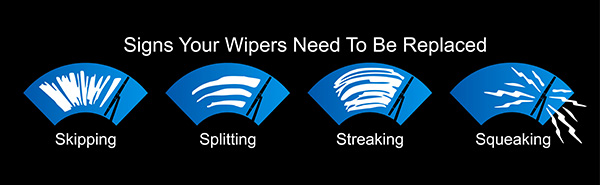
Common Causes Of Wiper Streaks
Wiper streaks can make driving in rain or snow dangerous. Clear vision is vital for safety. Understanding common causes helps fix the problem fast. Several factors can cause streaks on your windshield. Knowing these helps keep your wipers working well.
Worn Out Rubber Blades
Rubber blades wear out with time and use. They can crack, harden, or tear. Worn blades do not clean the glass properly. They leave streaks and reduce visibility. Replace blades every six to twelve months for best results.
Dirty Windshield And Blades
Dirt and debris on the windshield affect wiping. Dust, bird droppings, and grime cause streaks. Blades also collect dirt that reduces their cleaning power. Clean both windshield and blades regularly. Use a good glass cleaner for best results.
49% off Today's Exclusive Deals
Limited-time Exclusive Deals. Check current discount on Amazon.
Check Price on Amazon As an Amazon Associate I earn from qualifying purchases.Incorrect Blade Installation
Wrong installation makes blades miss spots on the glass. Blades need to sit flat against the windshield. Loose or crooked blades cause uneven wiping. Follow the instructions carefully when fitting new blades. Proper installation improves wiping efficiency.
Damaged Or Bent Wiper Arms
Wiper arms hold the blades firmly. Bent or damaged arms reduce pressure on the glass. This causes streaks and missed areas. Inspect the arms for bends or rust. Replace or repair damaged arms to restore proper contact.
Using The Wrong Type Of Blades
Blades come in different sizes and styles. Using the wrong type can cause poor contact. This leads to streaking and noise. Check your vehicle’s manual to get the right blades. Use blades designed for your car model.

Effects Of Environmental Factors
Environmental factors play a big role in how wiper blades perform. Different weather and road conditions can wear down the blades. This causes streaks and reduces visibility. Knowing these effects helps you take better care of your wipers.
49% off Today's Exclusive Deals
Limited-time Exclusive Deals. Check current discount on Amazon.
Check Price on Amazon As an Amazon Associate I earn from qualifying purchases.Exposure To Sun And Heat
Sunlight and heat can dry out the rubber on wiper blades. The rubber becomes hard and cracks. This makes the blades less flexible. Hard blades do not clean the glass well and leave streaks behind.
Cold Weather And Ice Buildup
Cold weather can freeze the blades to the windshield. Ice buildup makes the blades stiff. Stiff blades cannot glide smoothly over the glass. This causes uneven wiping and streaks on the windshield.
Debris And Road Contaminants
Dirt, dust, and road grime stick to the blades often. Small stones and debris scratch the rubber edge. These scratches create gaps during wiping. Water and dirt are not removed properly, causing streaks.
Simple Fixes To Eliminate Streaking
Wiper blades that streak can reduce visibility and make driving unsafe. Many causes create streaks, but simple fixes often solve the problem fast. These easy steps keep your windshield clear and improve your driving experience.
Cleaning The Blades And Windshield
Dirt and debris cause streaks on your windshield. Clean both the blades and the glass regularly. Use a soft cloth with mild soap and water to wipe the blades. Then, clean the windshield with a glass cleaner or vinegar solution. This removes buildup that blocks smooth wiping.
Replacing Old Wiper Blades
Wiper blades wear out over time and lose their shape. Rubber becomes hard or cracked, causing streaks. Replace blades every six to twelve months for best results. New blades ensure full contact with the glass and clear wiping.
Adjusting Or Replacing Wiper Arms
Wiper arms push the blades against the windshield. Bent or loose arms cause uneven pressure and streaks. Check if the arms move smoothly and sit correctly. Tighten or adjust them if needed. Replace arms if they are damaged or weak.
Applying Protective Treatments
Protective treatments help water bead off the glass easily. Apply rain repellent products on your windshield. These create a smooth surface and reduce streaking. Follow product instructions and reapply as needed for better results.
Preventive Tips For Long-lasting Wipers
Wiper blades often streak because dirt, grime, and wear build up on their surface. These streaks reduce visibility and can be dangerous. Preventing streaks starts with caring for your wipers properly. Simple steps can keep them working smoothly for longer.
Regular Maintenance Routine
Clean your wiper blades every two weeks. Use a soft cloth with mild soap and water. Remove dirt and grease to stop streaks. Check blades for cracks or tears. Replace blades if they look worn or hard. Regular care helps blades glide smoothly on the glass.
Choosing Quality Wiper Blades
Pick wiper blades made with good materials. Silicone or natural rubber blades last longer and clean better. Avoid cheap blades that crack quickly. Read product reviews to find reliable brands. Good blades reduce streaks and improve visibility.
Proper Storage During Off-season
Lift wipers off the windshield when not in use for a long time. Store them away from direct sunlight and heat. This prevents rubber from drying and cracking. Protecting blades during off-season keeps them flexible and effective.

Frequently Asked Questions
Why Do Wiper Blades Leave Streaks On My Windshield?
Wiper blades streak because of dirt, debris, or hardened rubber on the blade edge. Worn or damaged blades also cause streaks. Cleaning or replacing blades regularly prevents streaking and ensures clear visibility during rain.
How Does Weather Affect Wiper Blade Performance?
Extreme heat or cold can dry out or crack wiper blades. UV rays degrade rubber over time, reducing flexibility. This causes poor contact with the windshield and streaking. Regular inspection and blade replacement help maintain optimal performance in all weather.
Can Dirty Windshields Cause Wiper Streaking?
Yes, dirt and grime on the windshield can cause wiper blades to streak. Contaminants create uneven surfaces, preventing smooth wiping action. Cleaning the windshield with proper glass cleaner reduces streaking and improves blade efficiency.
How Often Should I Replace Wiper Blades To Avoid Streaks?
Replace wiper blades every 6 to 12 months or when streaking occurs. Frequent use, weather conditions, and blade quality affect lifespan. Timely replacement ensures clear visibility and safer driving in wet conditions.
Conclusion
Wiper blades streak because dirt, wear, or damage affect their performance. Clean blades and windshield often help stop streaks. Replace old or cracked blades to keep clear vision. Proper care makes driving safer, especially in rain. Regular checks prevent problems before they start.
Clear wipers mean better visibility and less stress on the road. Keep your blades working well for a smooth drive. Simple steps can make a big difference in safety.