Have you ever wondered if the hot weather outside could be harming your car’s wiper blades? You rely on those blades to keep your windshield clear and your driving safe, but extreme heat might be quietly wearing them down.
If your wipers start to leave streaks or miss spots, it’s not just annoying—it could be a sign that the summer sun is taking a toll. Keep reading to discover how high temperatures affect your wiper blades and what you can do to protect them before it’s too late.

49% off Today's Exclusive Deals
Limited-time Exclusive Deals. Check current discount on Amazon.
Check Price on Amazon As an Amazon Associate I earn from qualifying purchases.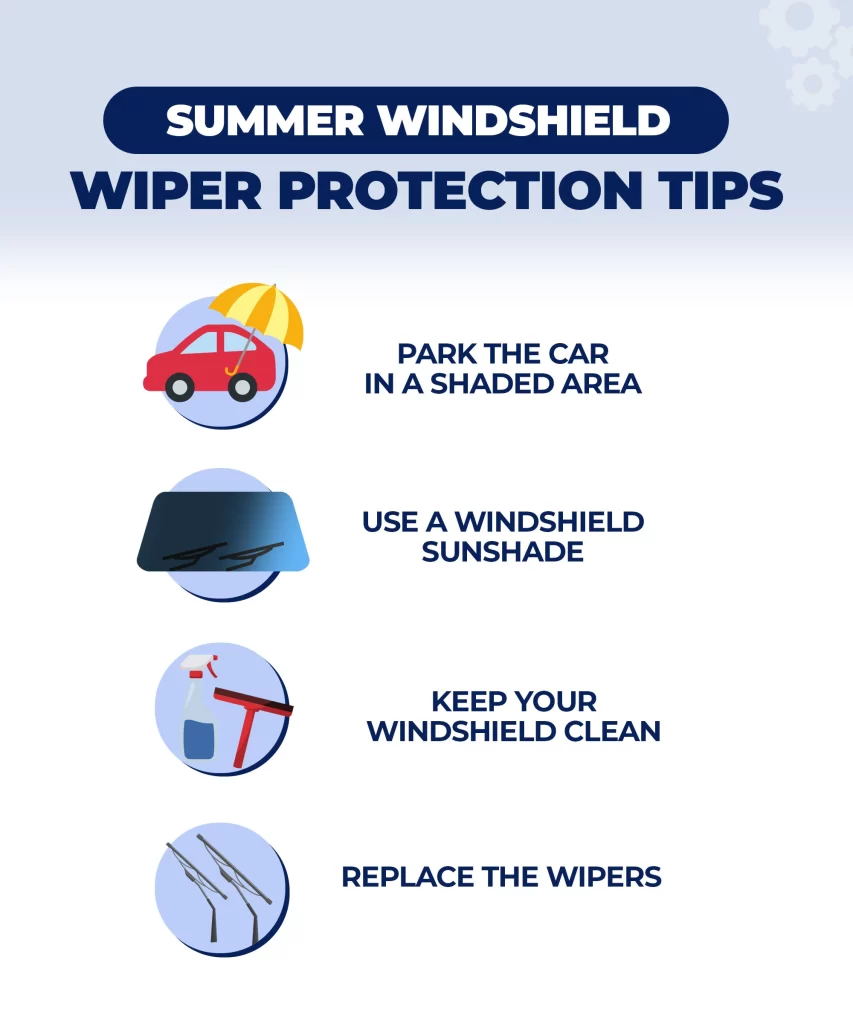
How Heat Affects Wiper Blades
Hot weather can harm wiper blades in many ways. The heat affects the materials and performance of the blades. Understanding these effects helps to keep your wipers working well during summer.
Material Breakdown In High Temperatures
Wiper blades often use rubber or silicone. High heat causes these materials to break down faster. The rubber loses strength and can start to crumble. Silicone also weakens but lasts longer than rubber.
Loss Of Flexibility And Cracking
Heat makes wiper blades less flexible. They become stiff and dry out. This stiffness causes cracks on the blade surface. Cracks reduce the blade’s ability to touch the windshield evenly.
49% off Today's Exclusive Deals
Limited-time Exclusive Deals. Check current discount on Amazon.
Check Price on Amazon As an Amazon Associate I earn from qualifying purchases.Impact On Wiper Performance
Damaged wiper blades do not clean well. They leave streaks and miss spots on the glass. The loss of flexibility and material damage lowers wiping efficiency. This affects visibility and driving safety in rain or dust.

Signs Of Heat Damage On Wipers
Heat can cause serious damage to your car’s wiper blades. High temperatures wear out the rubber quickly. This damage reduces the blade’s ability to clean your windshield well. Recognizing the signs of heat damage early helps keep your vision clear and safe on the road.
Streaking And Smearing
One common sign is streaking across the glass. Hot weather can make the rubber lose its smoothness. This causes the blade to drag and leave marks. Smearing happens when the blade cannot wipe water properly. It makes driving in rain or fog dangerous.
Visible Cracks And Tears
Check the rubber closely for cracks or tears. Heat dries out the material, making it brittle. Small cracks appear first and grow bigger over time. Tears in the rubber stop the blade from making full contact. This damage clearly shows that the blade needs replacement.
49% off Today's Exclusive Deals
Limited-time Exclusive Deals. Check current discount on Amazon.
Check Price on Amazon As an Amazon Associate I earn from qualifying purchases.Reduced Water Removal Efficiency
Wipers damaged by heat fail to clear water quickly. Water droplets stay on the windshield longer. This reduces your ability to see clearly. The blade loses its flexibility and can’t adapt to the glass surface. Poor water removal is a key sign of heat damage.
Preventing Heat Damage
Hot weather can cause serious damage to wiper blades. The heat makes the rubber dry and crack. This reduces their ability to clear your windshield. Preventing heat damage helps keep your blades working well longer. Simple steps protect your blades from sun and heat.
Choosing the right blades and caring for them regularly saves money. It also improves your driving safety during rain or dust storms. Here are some tips to protect your wipers from heat damage.
Choosing Heat-resistant Blades
Look for wiper blades made from silicone or synthetic rubber. These materials resist heat better than natural rubber. Heat-resistant blades last longer under strong sun exposure. They keep their flexibility and clear water well. Buying blades designed for hot climates reduces damage risks.
Parking Tips To Protect Wipers
Park your car in shaded areas whenever possible. Shade lowers the temperature inside the car and on the windshield. Avoid parking under direct sunlight for long hours. Use a windshield sunshade to block sun rays. This prevents the rubber from getting too hot and drying out.
Regular Maintenance And Inspection
Check your wiper blades often for cracks or stiffness. Clean them with mild soap and water to remove dirt and debris. Replace blades at the first sign of wear to avoid poor visibility. Regular care keeps blades flexible and effective in all weather.
When To Replace Wiper Blades
Knowing when to replace wiper blades is important for safe driving. Hot weather can wear out the rubber fast. This section explains how to spot the right time to change your blades. It covers how often to replace them in hot climates, how to check their condition, and the cost versus safety balance.
Frequency Of Replacement In Hot Climates
Heat can dry and crack wiper blades quickly. In hot areas, change blades every six months or less. Check them often during summer months. This helps avoid poor visibility caused by damaged blades. Regular replacement keeps your windshield clear and safe.
Evaluating Blade Condition
Look for cracks, tears, or hardening rubber. Worn blades leave streaks on the glass. They might skip or make noise while wiping. Test them by running the wipers on a wet windshield. Replace blades if they do not clean well or sound rough.
Cost Vs. Safety Considerations
Wiper blades are inexpensive but vital for safety. Cheap blades that fail can cause accidents. Spending a little on good-quality blades protects you on the road. Replace blades promptly to avoid dangerous driving conditions in rain or sun.
Additional Factors Affecting Wiper Lifespan
Wiper blades do more than just fight rain and snow. Many factors affect how long they last. Hot weather is one, but other elements also play a big role. Understanding these helps keep wipers working well longer. Here are some key influences beyond heat.
Sunlight Exposure Beyond Heat
Sunlight contains ultraviolet (UV) rays. These rays break down rubber on wiper blades. The rubber becomes dry and cracks. This damage reduces the blade’s ability to clean properly. Shade or parking indoors can protect blades from UV damage.
Environmental Pollutants And Debris
Dust, dirt, and pollution build up on blades. These particles scratch and wear out the rubber. Road salt and chemicals in the air cause corrosion too. Regular cleaning of blades helps remove harmful debris. This keeps blades smoother and lasting longer.
Use Of Cleaning Agents And Their Effects
Not all cleaning products suit wiper blades. Harsh chemicals can eat away at rubber parts. Soap with strong detergents can cause drying and cracking. Use mild soap and water for cleaning. Avoid sprays that claim to make blades last longer.

Frequently Asked Questions
Can Hot Weather Cause Wiper Blades To Crack?
Yes, hot weather can dry out wiper blades, causing rubber to crack and lose flexibility. This damages their ability to clean effectively.
How Does Heat Affect Windshield Wiper Performance?
Heat softens the rubber, making blades less effective at clearing water and debris. Over time, this reduces visibility and safety while driving.
Should I Replace Wiper Blades More Often In Summer?
Yes, high temperatures accelerate wear and tear. Replacing wiper blades every six months during hot seasons helps maintain clear vision and safety.
Can Sun Exposure Shorten Wiper Blade Lifespan?
Direct sun exposure breaks down rubber compounds in wiper blades. UV rays cause brittleness, leading to faster deterioration and poor wiping performance.
Conclusion
Hot weather can cause wiper blades to wear out faster. The heat makes the rubber dry and crack. This reduces their ability to clear rain and dirt well. Check your wipers often during hot months. Replace them if you see damage or streaks.
Taking care of wipers keeps your windshield clear and safe. Don’t wait for bad weather to notice problems. Small steps help your wipers last longer in the heat. Stay safe on the road by keeping wipers in good shape.