F-150 is a versatile full-size truck; Raptor is a high-performance, off-road-focused F-150 variant.
I’ve spent years testing full-size trucks and driving them off-road. If you want a clear, expert take on What is the difference between Ford F-150 and F-150 Raptor? you’re in the right place. This guide breaks down design, powertrain, off-road gear, interior, towing, costs, and real-world advice so you can pick the right truck for your needs.

49% off Today's Exclusive Deals
Limited-time Exclusive Deals. Check current discount on Amazon.
Check Price on Amazon As an Amazon Associate I earn from qualifying purchases.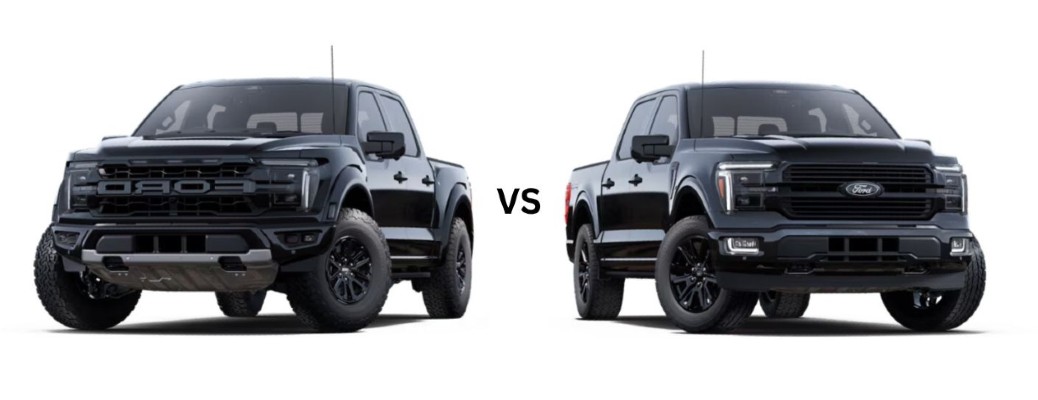
Quick comparison at a glance
What is the difference between Ford F-150 and F-150 Raptor? The short answer shows the key split.
The F-150 is built for broad use: work, towing, daily driving, and comfort. The F-150 Raptor is tuned for high-speed off-road performance with special suspension, tires, and power.
Key contrasts
49% off Today's Exclusive Deals
Limited-time Exclusive Deals. Check current discount on Amazon.
Check Price on Amazon As an Amazon Associate I earn from qualifying purchases.- Purpose: F-150 for utility and variety; Raptor for aggressive off-road driving.
- Performance: Raptor has higher-output tuning and unique suspension.
- Price: Raptors cost significantly more than equivalent F-150 trims.
- Ride: F-150 favors comfort and towing; Raptor favors rugged control at speed.
Design and chassis differences
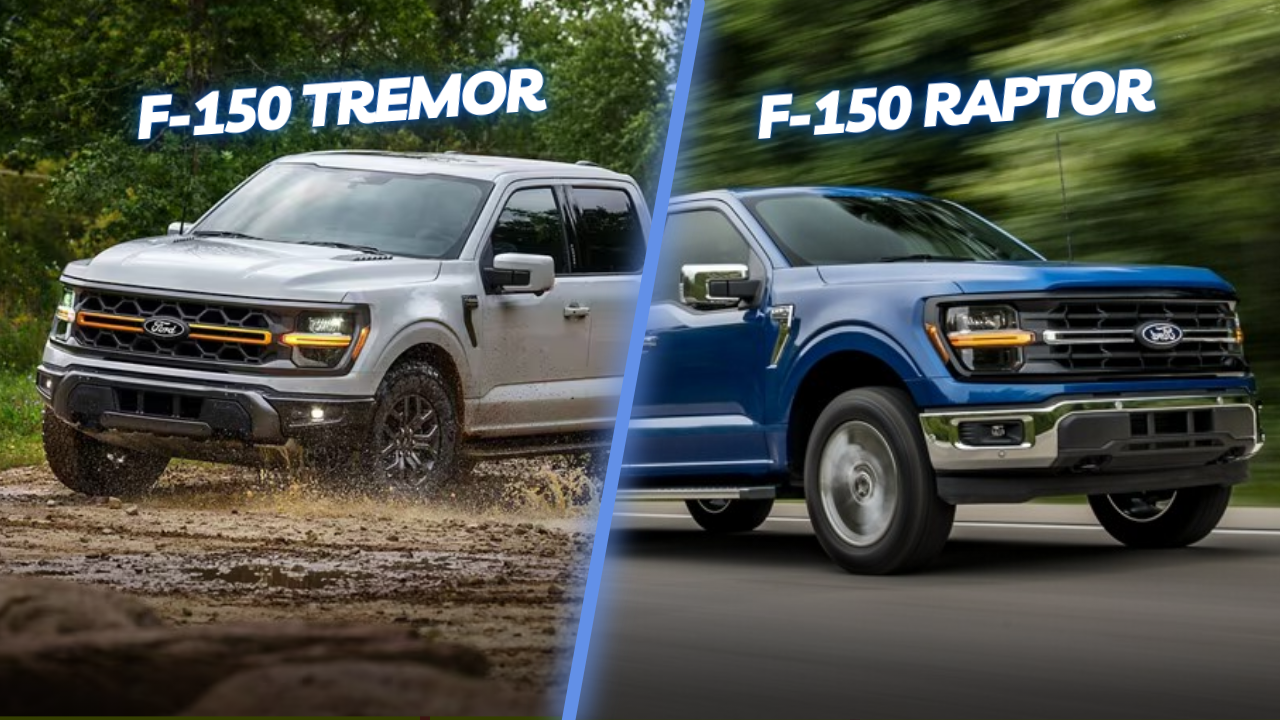
What is the difference between Ford F-150 and F-150 Raptor? Look first at frame and stance.
The Raptor uses a wider track, flared fenders, and reinforced frame bits. It has larger wheels, bigger tires, and unique bumpers that improve approach and departure angles. The regular F-150 keeps a narrower stance for daily parking and better fuel economy.
Exterior and protection
- F-150: practical bumpers, standard skid protection depending on trim.
- Raptor: heavy-duty skid plates, reinforced rock rails, and performance bodywork.
Where it matters
49% off Today's Exclusive Deals
Limited-time Exclusive Deals. Check current discount on Amazon.
Check Price on Amazon As an Amazon Associate I earn from qualifying purchases.- Maneuvering in town favors the F-150.
- Off-road lines and rough trails favor the Raptor.
Powertrain and performance
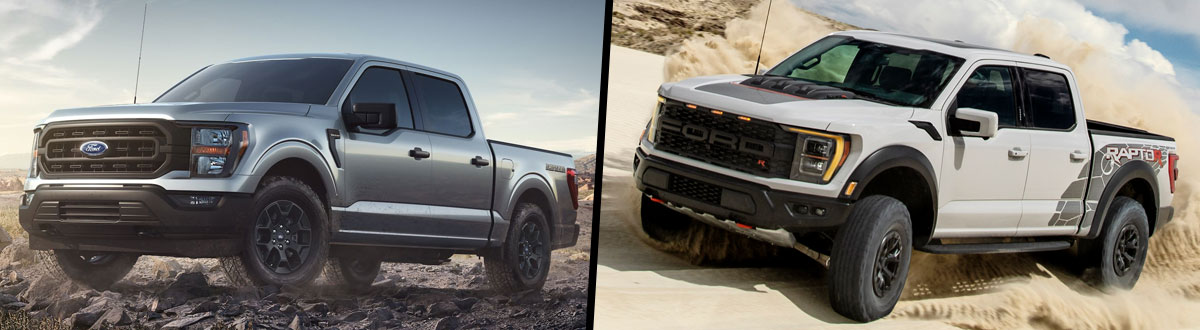
What is the difference between Ford F-150 and F-150 Raptor? Powertrain choices tell much of the story.
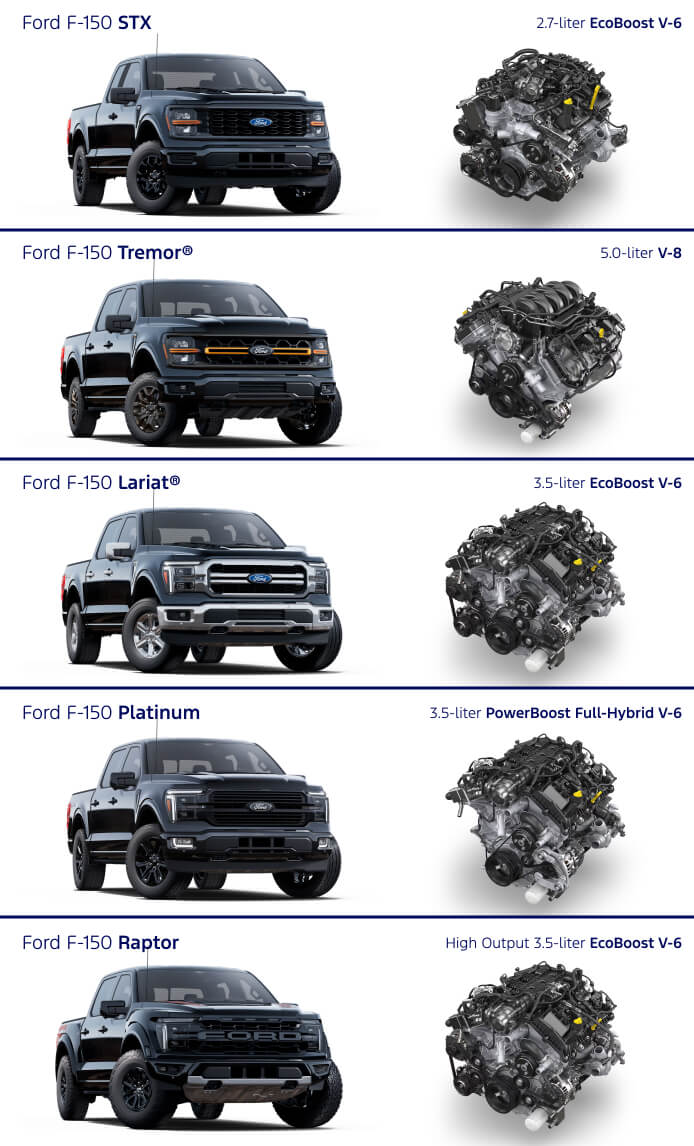
The F-150 offers many engines: economical V6 options, turbocharged EcoBoost choices, and hybrid variants. That range lets buyers pick for fuel economy, towing, or everyday punch.
Raptor-specific tuning
- Engine: Raptor models use high-output turbo engines or an available high-power V8 in special Raptor R editions.
- Transmission and mapping: Raptor gets performance calibrations, different cooling, and drivetrain tuning for heat resistance and throttle response.
- Differentiation: The Raptor’s engines are tuned for strong midrange torque and high-speed control rather than pure fuel economy.
PAA-style question
Does the Raptor get a special engine compared to the F-150?
Yes. Raptor trims have tuned turbo engines and, in some special editions, a high-output V8 option, both optimized for high-power, sustained off-road use.

Off-road capability and suspension
What is the difference between Ford F-150 and F-150 Raptor? Off-road gear is where Raptors shine.
Raptors come with upgraded suspension with long travel, high-performance shocks, and specialized tuning. They often include selectable terrain modes and off-road driving aids.
Core off-road features of the Raptor
- Long-travel suspension and reinforced control arms for big bumps.
- Performance shocks (often Fox or equivalent) built for repeated heavy use.
- Advanced traction control modes, hill-descent control, and launch/off-road assists.
- Wider tires and wheel offsets for stability in soft or rough terrain.
How the F-150 handles rough ground
- Solid off-road trims exist for the F-150, but they use less aggressive suspension.
- F-150 models are better for mixed duties where towing and comfort still matter.
PAA-style question
Can a stock F-150 match Raptor off-road?
A stock F-150 will handle light to moderate trails well, but it lacks the Raptor’s long-travel suspension, shock tuning, and aggressive gearing needed for high-speed desert runs and extreme terrain.

Interior, comfort, and daily usability
What is the difference between Ford F-150 and F-150 Raptor? Inside, choices reflect purpose.
F-150 interiors range from basic work-focused cabins to near-luxury layouts with leather, large infotainment screens, and quiet cabs. They prioritize storage, comfort, and tech for daily life.
Raptor interior focus
- Sport seats, unique trim, and performance accents are common.
- Raptor cabins often include special gauges, performance data, and durable materials for dirt and wear.
- Ride noise: Raptor tires and suspension can add road noise compared to a quiet F-150 setup.
Practicality
- F-150 is more flexible for families, contractors, or people towing often.
- Raptor keeps creature comforts but sacrifices a bit of refinement for rugged capability.

Towing, payload, and utility
What is the difference between Ford F-150 and F-150 Raptor? Utility numbers differ by tuning.
Regular F-150s are built with towing and payload as priorities. They offer a range of towing packages, hitches, and axle ratios to maximize capacity.
Raptor trade-offs
- Raptor’s emphasis on performance can reduce maximum towing and payload compared to similarly equipped F-150s.
- It still tows, but its gearing, suspension, and cooling are optimized for off-road use rather than heavy loads.
Choose the F-150 if your main need is towing heavy trailers or carrying big payloads. Choose the Raptor if off-road performance and capability are primary.
Pricing, ownership, and running costs
What is the difference between Ford F-150 and F-150 Raptor? Budget matters a lot.
F-150 pricing spans affordable to premium, based on trim. Raptor models start at a much higher price and can climb steeply with options.
Cost factors
- Purchase price: Raptor commands a premium for performance hardware.
- Fuel: Raptor’s power and tires usually mean lower fuel economy.
- Maintenance: Off-road use adds wear on tires, suspension, and drivetrain, increasing service needs.
- Resale: Raptors often hold value well among enthusiasts, but repairs can be costlier.
Which truck should you choose? Use-case guide
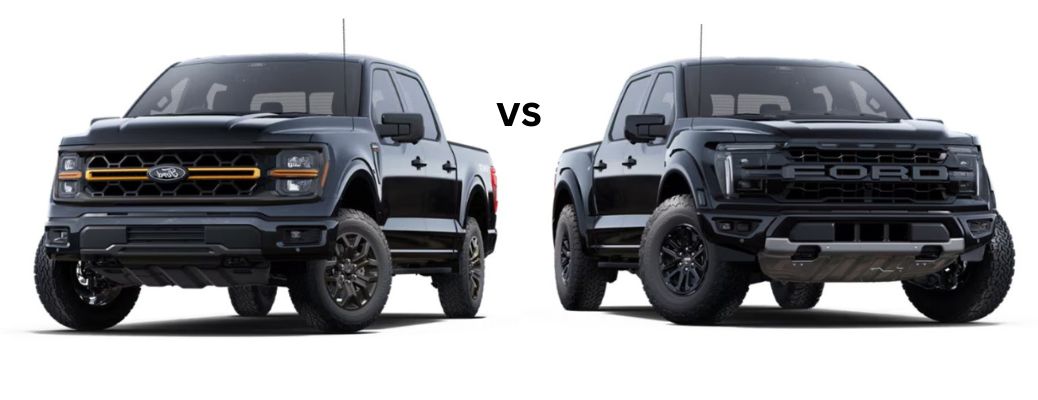
What is the difference between Ford F-150 and F-150 Raptor? Your needs decide the truck.
Pick an F-150 if you need a versatile truck for work, family, towing, or city driving. It gives more trim and engine choices and better economy in some configurations.
Pick a Raptor if:
- You regularly drive fast over rough terrain.
- You want factory-tuned off-road hardware and sporty performance.
- You accept higher ownership costs for a unique capability.
Practical scenarios
- Daily driver and contractor: F-150.
- Weekend desert racer or trail enthusiast: Raptor.
- Mixed duties with occasional light trails: high trim F-150 or a dedicated off-road package might fit best.

Personal experience, tips, and lessons learned
What is the difference between Ford F-150 and F-150 Raptor? I’ve driven both in town, on highways, and on trails.
On pavement, the F-150 feels composed and quiet. The Raptor feels more fun at speed and more planted on rough ground, but it is louder and uses more fuel.
Real-world tips
- Test drive both with your normal load to see handling and braking differences.
- If you plan heavy towing, test towing performance and cooling on a hill.
- If you buy a Raptor mainly for looks, consider whether the extra cost and harsher ride are worth it.
Mistakes to avoid
- Don’t assume a Raptor is the best daily driver; its setup favors off-road speed.
- Don’t ignore brake and tire upgrades if you plan serious towing with a Raptor.
Frequently Asked Questions
What is the difference between Ford F-150 and F-150 Raptor in simple terms?
The F-150 is a versatile full-size pickup for many jobs. The Raptor is a factory-built, high-performance off-road version of the F-150.
Can the F-150 be upgraded to match Raptor performance?
You can add off-road parts to an F-150, but matching Raptor levels of suspension travel and tuning is costly and complex.
Is the Raptor practical for everyday driving?
Yes, but expect a firmer ride, bigger tires, and higher fuel use compared to a standard F-150.
Which truck is better for towing a heavy trailer?
A properly equipped F-150 (with towing package and preferred engine) usually offers higher towing and payload capability than a Raptor.
Are Raptor parts more expensive to maintain?
Generally yes. High-performance shocks, large tires, and specialized components can cost more than standard F-150 parts.
Conclusion
Choosing between the F-150 and the F-150 Raptor comes down to purpose and priorities. If you need a reliable, flexible truck for towing, work, and daily life, choose the F-150. If you crave factory-ready high-speed off-road performance and accept higher costs, the Raptor is the clear pick. Try both in real-world conditions, compare total ownership costs, and pick the truck that matches your driving style and needs. If you found this helpful, leave a comment with your priorities or subscribe for more truck comparisons and buying tips.