Most Ford F-150s do not require premium fuel unless a specific engine calls for it.
I’ve worked on trucks and written about automotive fuel needs for years, so I know the common worries owners have. This article answers the core question, Does the Ford F-150 require premium fuel?, then breaks down why it matters, how to check your truck’s needs, and real-world tips to save money and protect your engine. Read on for clear, practical guidance you can use at the pump tonight.

49% off Today's Exclusive Deals
Limited-time Exclusive Deals. Check current discount on Amazon.
Check Price on Amazon As an Amazon Associate I earn from qualifying purchases.
Understanding octane, engines, and what "required" means
Most people ask, Does the Ford F-150 require premium fuel? to avoid engine damage and to save money. Octane rating measures a fuel’s resistance to knock. Higher octane lowers the chance of pre-ignition in high-compression engines.
Many modern engines use knock sensors and tuning to run safely on lower octane when needed. That means "requires" and "recommended" can be different. Requires means the engine will suffer or be locked in limp mode on lower fuel. Recommended means you may get better performance or efficiency with premium.
49% off Today's Exclusive Deals
Limited-time Exclusive Deals. Check current discount on Amazon.
Check Price on Amazon As an Amazon Associate I earn from qualifying purchases.- Octane helps prevent engine knock and damage.
- Modern engines can adapt to lower octane but may reduce power.
- "Requires" is a hard rule; "recommended" is optional but beneficial.
What Ford officially recommends by engine and year
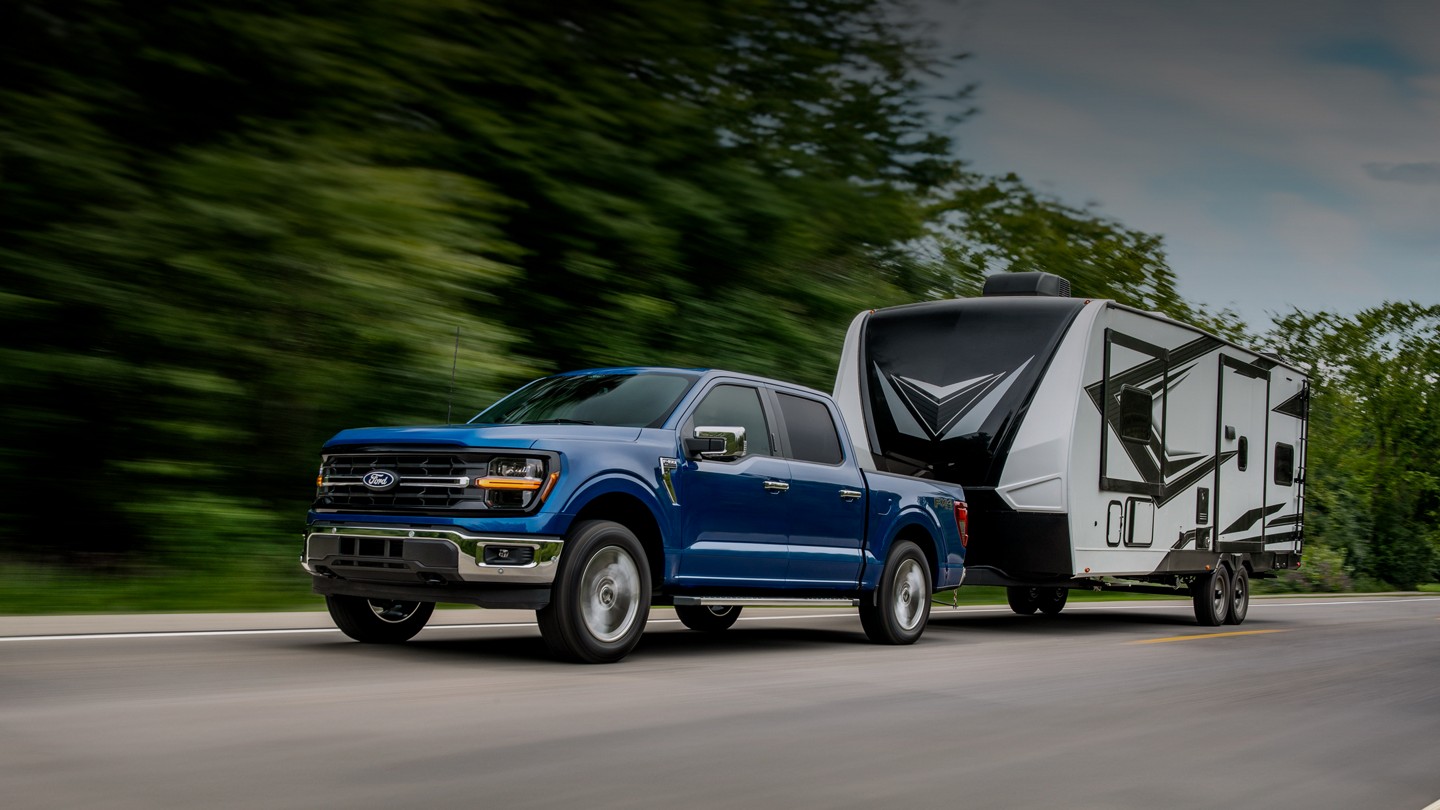
If you’re wondering, Does the Ford F-150 require premium fuel? the manufacturer’s guidance is the first place to check. Ford posts fuel requirements in the owner's manual and on a label inside the fuel door. Many F-150 engines list regular 87 octane as acceptable. Some high-output engines ask for or recommend 91 octane.
Common patterns to note:
- 3.3L V6, 2.7L EcoBoost, and many 5.0L V8 models typically accept 87 octane.
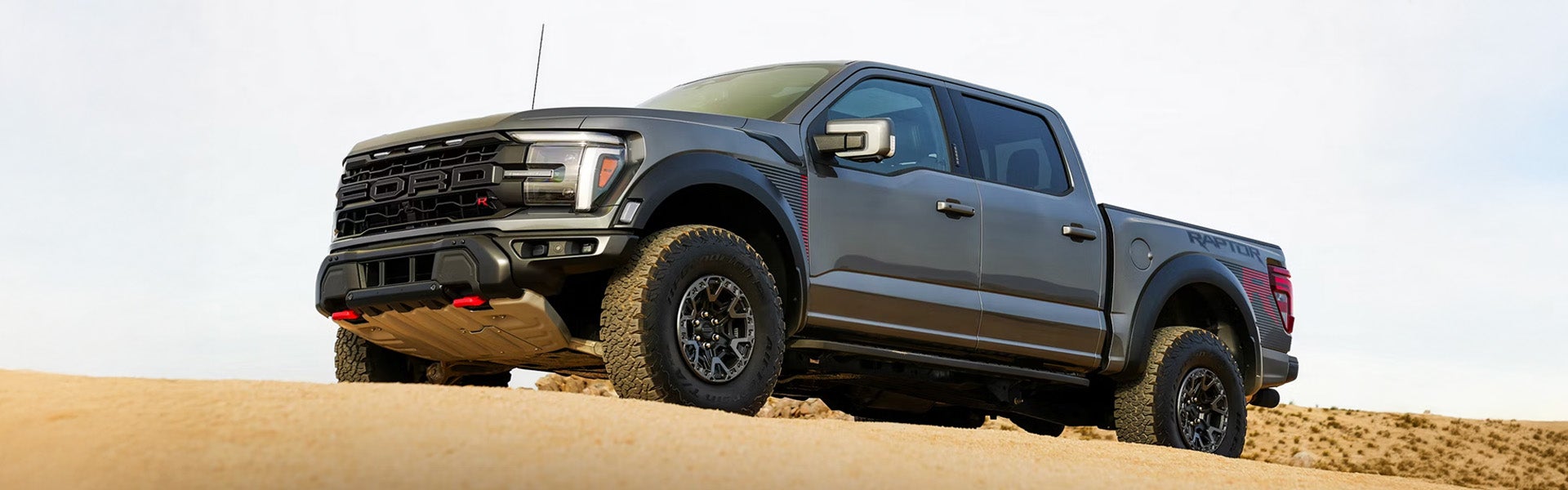
- 3.5L EcoBoost high-output versions and Raptor-style engines often recommend or require 91 octane.
- Turbocharged and high-compression variants are more likely to need higher octane.
49% off Today's Exclusive Deals
Limited-time Exclusive Deals. Check current discount on Amazon.
Check Price on Amazon As an Amazon Associate I earn from qualifying purchases.Performance and risks: what happens if you use regular instead of premium
People ask, Does the Ford F-150 require premium fuel? because they fear costly damage. In most cases, using regular fuel in an engine that only recommends premium will not cause immediate damage. The engine control unit will adjust timing to prevent knock. However, there are trade-offs.
Possible effects:
- Lower horsepower and reduced acceleration in tuned engines.
- Slight drop in fuel economy when premium is recommended.
- In rare cases, persistent knock can cause long-term wear if sensors or systems fail.

When premium fuel is required or clearly beneficial
Does the Ford F-150 require premium fuel? Yes for some engines and situations. Use premium when the owner’s manual or fuel door label says "required." Also consider premium fuel if you tow heavy loads, drive at high altitude, or demand peak performance.
Situations to use premium:
- Manufacturer states premium is required.
- You own a high-output EcoBoost or performance-tuned model.
- You tow heavy loads up steep grades often or haul payload near capacity.

How to check your specific F-150's fuel requirement
When asking, Does the Ford F-150 require premium fuel?, the quickest checks are simple. Look at the fuel door label and the owner’s manual. If still unsure, check the engine bay or consult your dealer.
Steps to confirm:
- Open the fuel door and read the sticker.
- Read the owner’s manual fuel section for your model year and engine.
- If buying used, ask for maintenance records or do a dealer VIN check.
Cost, savings, and smart fueling tips
Fuel costs add up fast, so Does the Ford F-150 require premium fuel? is also a budgeting question. Premium fuel costs more per gallon, but the savings can come from better mileage or preserved performance in engines that need higher octane. For most drivers with engines that accept 87 octane, regular fuel saves money without harm.
Practical tips:
- Follow manufacturer guidance to avoid voiding warranties.
- If your engine only recommends premium, test with one tank and compare mileage and feel.
- Keep tires inflated and maintain filters to improve efficiency regardless of octane.
- Use top-tier gasoline brands if you experience carbon buildup; detergents help long-term cleanliness.

My experience with F-150s and fuel choice
I have driven and maintained several F-150s over the years. When I asked, Does the Ford F-150 require premium fuel? for each truck, I checked the manual first. For a 3.5L EcoBoost I owned, premium made a clear difference under load. For a 5.0L V8 daily driver, 87 octane worked fine and saved money.
Lessons learned:
- Always trust the owner’s manual over online advice.
- If you tow often or want the best throttle response, try premium and measure results.
- Avoid switching fuels frequently; let a few tanks pass before judging change.
Related concepts: additives, ethanol, and engine tuning
Does the Ford F-150 require premium fuel? ties into other fuel topics. Additives and ethanol content affect performance and long-term engine health. Many modern trucks tolerate E10, but higher ethanol blends can affect fuel economy and storage life. Professional tuning can alter octane needs, so keep records if your truck was tuned.
Key points:
- E10 (10% ethanol) is common and generally safe for F-150s.
- Higher ethanol blends may reduce fuel economy.
- Aftermarket tuning can raise compression or boost, increasing octane needs.
Quick PAA-style questions
What is octane and why does it matter for the F-150?
Octane measures fuel’s resistance to knock. Higher octane helps high-compression or turbocharged engines avoid pre-ignition and keep power.
Can knock sensors protect my F-150 if I use regular fuel?
Yes, modern F-150s use knock sensors that adjust timing to prevent damage. But performance may drop and long-term stress can increase if sensors or systems fail.
Is premium required for towing with an EcoBoost F-150?
If the owner’s manual recommends premium for your EcoBoost, using premium during heavy towing helps maintain power and reduce knock risk.
Frequently Asked Questions of Does the Ford F-150 require premium fuel?
Does every F-150 require premium fuel?
No. Many F-150 engines accept regular 87 octane. Only certain high-output or performance engines require or recommend premium.
Will using regular fuel void my F-150 warranty?
If the owner’s manual requires premium and you use regular, warranty claims related to engine damage could be affected. Follow the manual to protect coverage.
Can I switch between regular and premium fuel?
Yes. You can switch fuels, but allow a few tanks to see real effects. Avoid frequent short-term switching for accurate comparison.
How can I tell if my F-150 needs premium while driving?
Symptoms include pinging or knock under load, reduced power, or check engine codes related to knock. If you see these, try premium and retest.
Does premium fuel improve gas mileage in an F-150?
In engines tuned for premium, you may see small mileage gains. For engines that accept regular, the mileage improvement is often minimal and may not offset cost.
Conclusion
Most Ford owners find that Does the Ford F-150 require premium fuel? depends on the engine. Check the fuel door and owner’s manual first, and use premium only when required or when you need full performance under heavy loads. If you want to save money, stick with the manufacturer’s minimum octane and keep your truck well maintained. Try one tank of premium if you tow often or crave sharper throttle feel, and track the results.
Decide with data: read the manual, test a tank, and choose what fits your driving needs. Share your experience or questions below and subscribe for more practical truck advice.