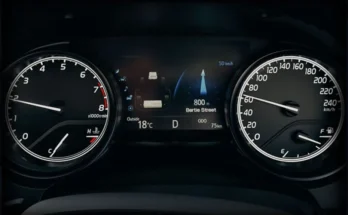
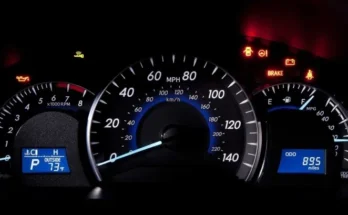
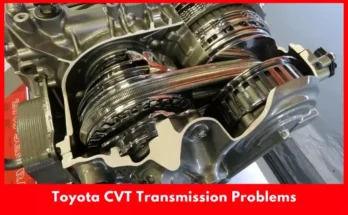
Toyota Camry engine stalling can be frustrating and worrying, especially when it happens in traffic or at a stoplight. The good news is that most causes are fixable without a huge repair bill if you can identify the root cause. Modern Camrys from 2002 onward use sophisticated engine management, which means a simple sensor issue can cause stalling without triggering a major warning light immediately.
Per manufacturer specifications, a healthy Toyota engine should idle between 650 and 750 RPM. When stalling occurs, the engine control unit (ECU) is typically receiving incorrect data or failing to maintain the proper air-fuel mixture. This guide walks you through a diagnostic workflow to pinpoint the exact problem, starting with the simplest checks and moving toward more involved fixes.
49% off Today's Exclusive Deals
Limited-time Exclusive Deals. Check current discount on Amazon.
Check Price on Amazon As an Amazon Associate I earn from qualifying purchases.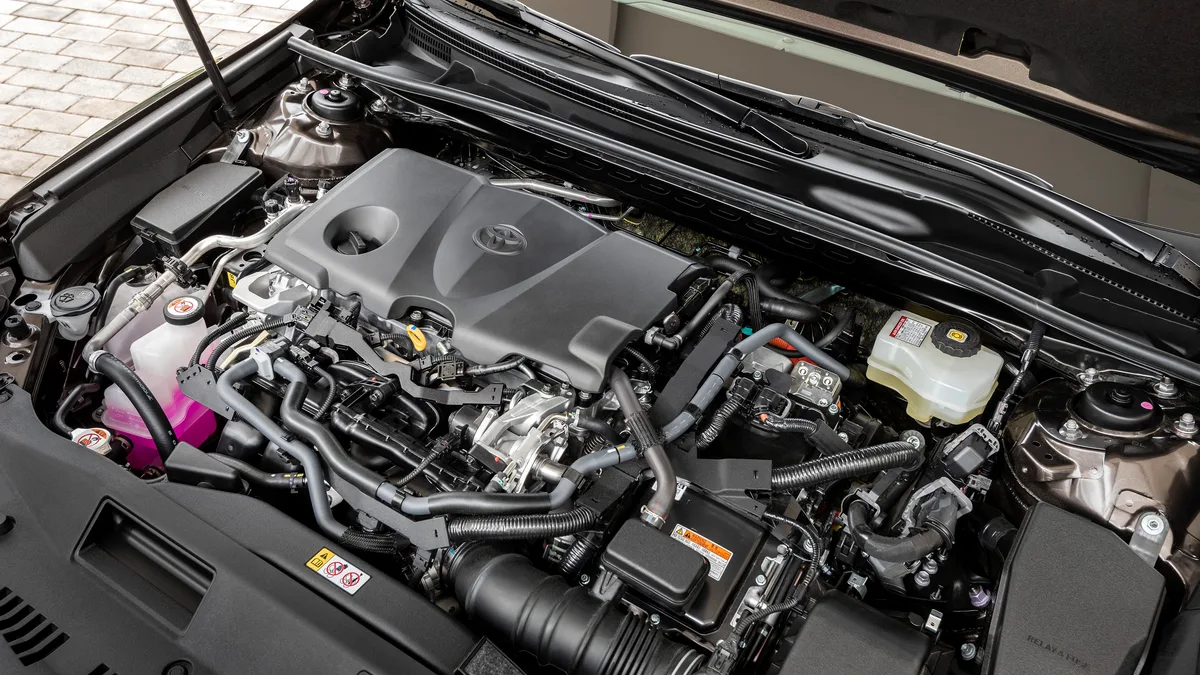
Image source: Bing (Web (fair-use with source credit))
Quick Answer
Toyota Camry engine stalling usually stems from four main areas: fuel delivery, ignition components, air intake issues, or electronic sensor failures. The most common culprits are a dirty mass air flow sensor, failing ignition coils, a clogged fuel filter, or vacuum leaks in the intake system. Begin diagnosis by pulling OBD-II codes with a scan tool, as these provide the fastest path to the root cause.
49% off Today's Exclusive Deals
Limited-time Exclusive Deals. Check current discount on Amazon.
Check Price on Amazon As an Amazon Associate I earn from qualifying purchases.Most fixes range from simple cleaning procedures to part replacements costing between $50 and $700.
How Camry Idle Control and Fuel Delivery Actually Work
Your Camry's engine management system is a closed-loop operation. The ECU constantly monitors inputs from multiple sensors to maintain proper combustion at idle. When you turn the key, the system goes into open-loop mode, running on preset parameters until sensors warm up.
Once operating temperature is reached, it switches to closed-loop, using real-time feedback to adjust fuel trim and ignition timing.
The four pillars of idle stability are fuel delivery, spark quality, air metering, and electronic control. The fuel pump delivers gasoline at 44 to 50 PSI to the fuel rail. Injectors spray precise amounts based on ECU commands.
49% off Today's Exclusive Deals
Limited-time Exclusive Deals. Check current discount on Amazon.
Check Price on Amazon As an Amazon Associate I earn from qualifying purchases.The ignition system fires plugs at exactly the right moment. Meanwhile, the mass air flow (MAF) sensor measures incoming air, and the throttle body controls idle speed via an electronic motor.
When any of these systems provide incorrect data or fail to perform their function, stalling occurs. The engine might idle roughly, surge up and down, or simply die when you remove your foot from the accelerator.
The Diagnostic Workflow: Find Your Exact Cause in 4 Steps
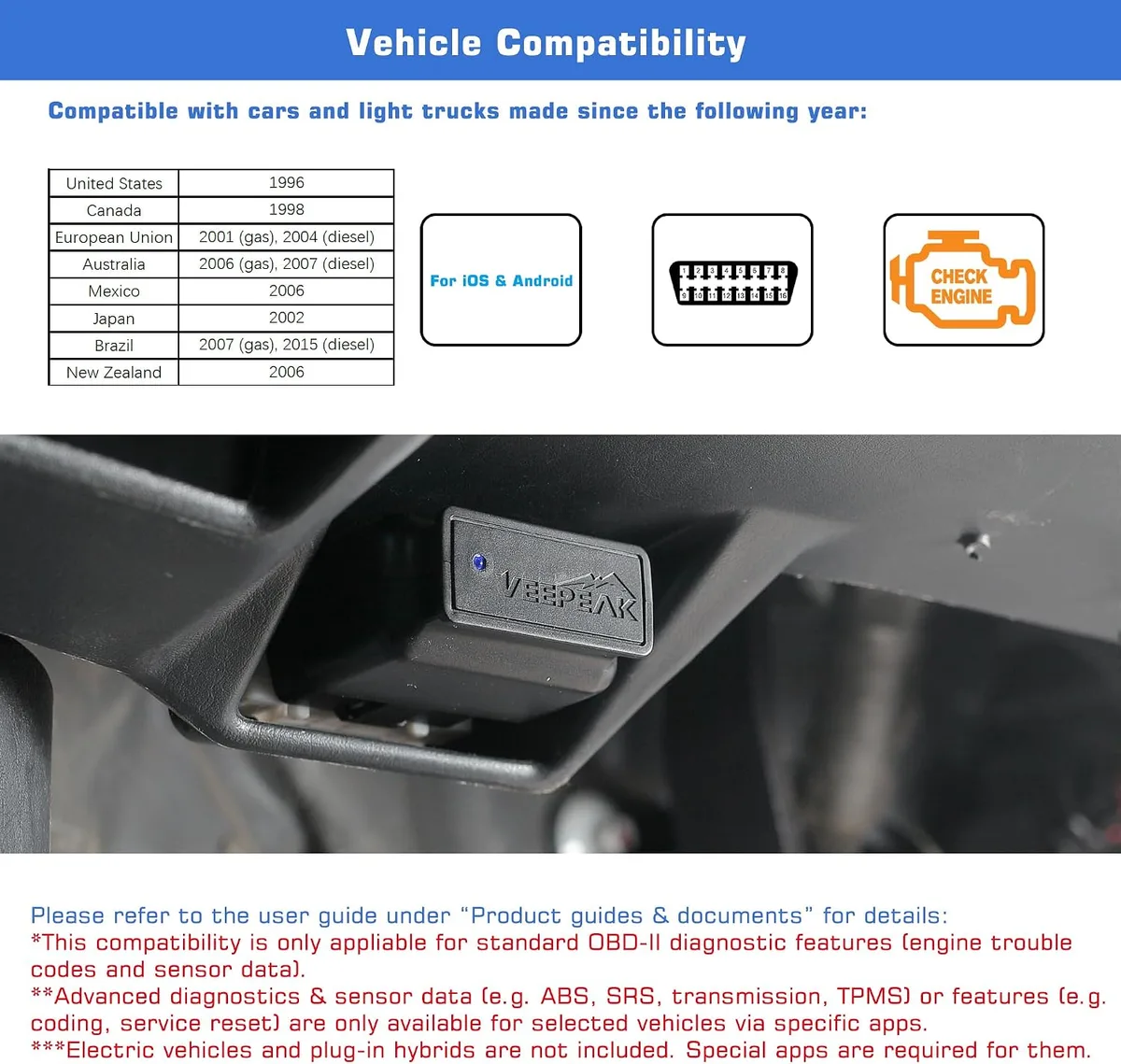
Image source: Bing (Web (fair-use with source credit))
Step 1: Pull the OBD-II Codes
Your first move is always connecting a scan tool to the OBD-II port under the dashboard. Many auto parts stores offer free code reading, or you can invest in a basic scanner for $20 to $50. Write down any stored codes, even if the check engine light isn't illuminated.
Common stalling-related codes include P0505 (Idle Air Control System malfunction), P0171 and P0174 (system too lean), P0300 (random misfires), P0101 through P0103 (MAF sensor issues), and P2118 (throttle actuator control motor range). These codes point you toward the problem area. A P0171 code suggests a vacuum leak or failing fuel pump.
A P0300 code indicates ignition or compression issues. Don't skip this step, as guessing without data wastes time and money.
Step 2: Match Your Symptoms to a Decision Branch
Now connect your symptoms to the code data. Does it stall only when cold? That points to coolant temperature sensor issues or fast idle problems.
Does it stall in hot weather? Consider failing ignition coils or vapor lock. Does it stall only at idle but runs fine while moving?
Focus on the idle air control system or vacuum leaks.
Create a simple decision path. Cold start stall with a P0128 code means thermostat or coolant temp sensor. Hot weather stall with P030X codes means ignition coil failure.
Random stalling with P0171 code means vacuum leak or fuel delivery issue. Idle hunting with P0505 code means throttle body or IAC valve problems. This logical approach prevents shotgun repairs where you replace parts randomly.
Step 3: Test Before You Buy Parts
With a suspected cause identified, perform verification tests. For vacuum leaks, use a handheld stethoscope or spray carburetor cleaner around intake connections while the engine idles. RPM changes indicate a leak point.
For fuel delivery issues, check fuel pressure with a gauge attached to the fuel rail test port.
For ignition problems, swap suspect coils with known good cylinders. If the misfire follows the coil, you've found your culprit. For MAF sensor issues, clean it with dedicated MAF cleaner, never throttle body cleaner.
These simple tests confirm problems before you spend money on parts.
Step 4: Perform the Fix and Reset the System
Once you've identified and fixed the root cause, you must reset the ECU. Disconnect the negative battery terminal for 15 minutes, or use your scan tool to clear codes. Then perform an idle relearn procedure.
Start the engine, let it reach operating temperature, and drive normally for 15 to 20 minutes. The ECU will relearn idle parameters.
Some fixes like throttle body cleaning may require specific initialization procedures outlined in the factory service manual. Always check manufacturer specifications for your specific model year.
What Each Fix Costs (By Cause)
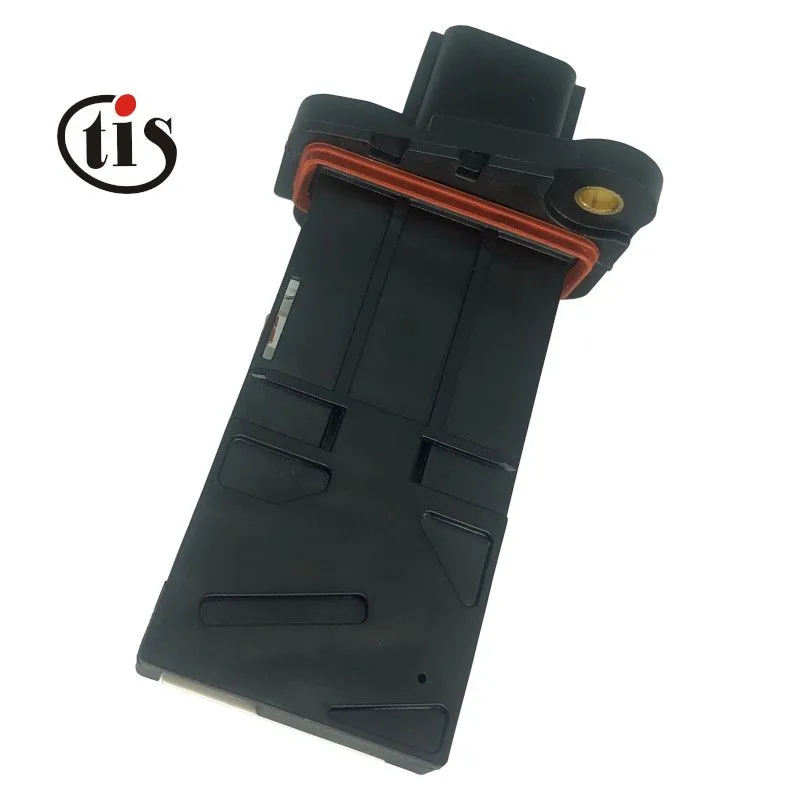
Image source: Bing (Web (fair-use with source credit))
Understanding repair costs helps you decide between DIY and professional help. Here's a realistic breakdown based on current pricing data.
| Problem Area | DIY Parts Cost | Professional Labor | Total Shop Cost |
|---|---|---|---|
| MAF Sensor Cleaning | $10 (cleaner only) | N/A | $10 |
| Throttle Body Cleaning | $15 (cleaner + gasket) | $50 to $75 | $65 to $90 |
| Ignition Coil Replacement | $60 to $120 per coil | $50 to $100 | $110 to $220 per coil |
| Fuel Pump Replacement | $200 to $400 | $200 to $300 | $400 to $700 |
| Vacuum Leak Repair | $5 to $30 (hose or clamp) | $50 to $100 | $55 to $130 |
| Idle Air Control Valve | $50 to $150 | $75 to $125 | $125 to $275 |
| Coolant Temp Sensor | $20 to $50 | $50 to $75 | $70 to $125 |
DIY repairs save significant money on labor but require basic tools and mechanical confidence. Simple fixes like sensor cleaning or hose replacement are good beginner projects. Complex jobs like fuel pump replacement may require specialized tools and lifting equipment.
Common Diagnostic Mistakes That Waste Time and Money
Several traps catch even experienced DIYers. First, replacing parts based on codes alone without testing. A P0171 lean code could be a vacuum leak, failing fuel pump, or bad MAF sensor.
Replacing all three wastes hundreds of dollars.
Second, using incorrect cleaners. Throttle body cleaner damages MAF sensor filaments. Always use products labeled specifically for MAF sensors.
Third, skipping the idle relearn procedure after repairs. The ECU needs to recalibrate to your engine's current condition.
Fourth, ignoring simple checks first. A loose gas cap or cracked vacuum hose costs pennies to fix but can cause stalling and trigger multiple codes. Always start with the simplest possibilities before moving to expensive components.
Finally, not documenting your findings. Keep a simple log of codes, symptoms, and tests performed. This prevents repeating work and helps professionals diagnose faster if you need backup.
When to Stop DIY and See a Professional
Some stalling issues demand professional diagnosis and repair. If your Camry stalls while driving at highway speeds, stop safely and call for a tow. This indicates a serious fuel delivery, ignition, or electronic control failure.
Seek professional help when you encounter multiple codes across different systems, exhaust smoke (blue means oil, white means coolant, black means rich fuel), a fuel smell in the cabin, engine knocking before stalling, or intermittent stalling that you cannot reproduce consistently.
Modern Camrys have complex networks of sensors and modules. A qualified technician with factory-level scan tools can access live data streams and module-specific diagnostics that consumer scanners cannot reach. Expect to pay $100 to $150 per hour for professional diagnostic time, though many shops apply diagnostic fees toward repair costs.
According to the National Highway Traffic Safety Administration, engine stalling contributes to a measurable percentage of traffic incidents. Address this issue promptly rather than continuing to drive a vehicle that stalls unpredictably.
Frequently Asked Questions
What causes a Toyota Camry to stall at idle?
The most common causes are dirty mass air flow sensors, failing ignition coils, vacuum leaks in the intake system, or a malfunctioning idle air control valve. Start diagnosis by pulling OBD-II codes to narrow the possibilities. Most idle stalling issues trace back to air metering or fuel delivery problems that are straightforward to diagnose and repair.
Why does my Camry stall only when the engine is cold?
Cold stalling typically indicates issues with the fast idle system, coolant temperature sensor, or thermostat stuck open. The engine management system relies on accurate temperature data to set proper fuel mixture during warmup. A sensor providing incorrect readings causes the ECU to deliver improper air-fuel ratios until the engine reaches operating temperature.
Can a bad battery cause engine stalling in a Camry?
Yes, a failing battery or weak alternator can cause stalling. Insufficient voltage disrupts sensor signals and ECU operation. Test charging system output with a multimeter.
You should see 13.5 to 14.5 volts with the engine running. Anything below 13 volts indicates charging system problems that need attention.
How do I reset the ECU after fixing a stalling problem?
Disconnect the negative battery terminal for 15 minutes minimum. Reconnect and start the engine without touching the accelerator. Let it idle until reaching operating temperature, then drive normally for 20 minutes.
The ECU will relearn idle parameters and fuel trim values during this drive cycle.
Why does my Camry stall when I turn the AC on?
The AC compressor adds load to the engine at idle. A healthy idle control system compensates automatically. If stalling occurs when AC engages, suspect a weak idle air control valve, dirty throttle body, or failing AC compressor clutch creating excessive drag.
The engine should maintain 700 to 800 RPM with AC running.
What does it mean if my Camry stalls and won't restart?
Immediate non-restart points to fuel delivery failure, complete spark loss, or seized engine. Check for fuel pump sound when you turn the key to the on position. Listen for a 2-second whir from the rear of the vehicle.
No sound suggests a failed fuel pump, blown fuse, or wiring issue that needs further diagnosis.