When you see a winch in action—lifting a heavy load, pulling a vehicle, or moving a boat—one thing stands out: how fast the rope or cable moves. This speed is not just about getting the job done quickly; it affects safety, control, and efficiency. The term used to describe this is line speed. It’s a simple concept, but understanding it deeply can help you choose the right winch, operate it safely, and avoid costly mistakes.
What Is Line Speed In A Winch?
Line speed means how fast the cable, rope, or wire moves when a winch pulls or releases it. Usually, it’s measured in feet per minute (ft/min) or meters per minute (m/min). For example, if a winch has a line speed of 20 ft/min, it means the cable moves 20 feet every minute under ideal conditions.

49% off Today's Exclusive Deals
Limited-time Exclusive Deals. Check current discount on Amazon.
Check Price on Amazon As an Amazon Associate I earn from qualifying purchases.Line speed is a key number in any winch’s specifications. It tells you how quickly you can pull or lift something, whether that’s a stuck car, a boat, or a load in a factory. It affects the total time needed to complete a task and helps you plan your work more efficiently.
Why Line Speed Matters
Line speed is more than just a number on a spec sheet. It directly impacts:
- Efficiency: Faster line speed means jobs get done quicker.
- Safety: Too fast can be dangerous; too slow can cause frustration or overheating.
- Control: The right speed lets you manage loads safely and accurately.
- Winch choice: Knowing the line speed helps you pick the best winch for your needs.
Let’s look at how these factors play out in real life.
49% off Today's Exclusive Deals
Limited-time Exclusive Deals. Check current discount on Amazon.
Check Price on Amazon As an Amazon Associate I earn from qualifying purchases.Practical Example: Vehicle Recovery
Imagine you’re off-roading. Your truck is stuck in mud, and you need to pull it out. You attach a winch with a line speed of 10 ft/min. If you need to pull your truck 40 feet, it will take about 4 minutes.
If you use a winch with 20 ft/min, it only takes 2 minutes. But if the winch is too fast, you might lose control, or the winch might overheat. The right balance is critical.

How Is Line Speed Measured?
Line speed is measured by timing how long it takes for the cable to move a certain distance. Manufacturers usually do this with no load (just the weight of the cable) and with maximum load (the winch’s rated pull).
- No Load Line Speed: How fast the cable moves when pulling nothing but itself.
- Loaded Line Speed: How fast the cable moves when pulling a heavy load, close to the winch’s maximum capacity.
The difference can be dramatic. A winch might have a no-load speed of 40 ft/min but only 10 ft/min under full load.
49% off Today's Exclusive Deals
Limited-time Exclusive Deals. Check current discount on Amazon.
Check Price on Amazon As an Amazon Associate I earn from qualifying purchases.What Affects Line Speed?
Many factors change the line speed of a winch. Here are the main ones:
- Load Weight: Heavier loads mean slower speeds.
- Winch Motor Power: More power equals more speed, but only up to a point.
- Gear Ratio: Lower ratios give more speed but less pulling power.
- Cable Layer: As more cable winds onto the drum, the effective diameter increases, often speeding up the line.
- Voltage (for electric winches): Lower voltage reduces speed.
- Hydraulic Pressure (for hydraulic winches): Lower pressure drops speed.
- Friction: More friction (from the cable or pulleys) slows things down.
- Winch Drum Diameter: Larger drums move more cable per turn.
Let’s break down some of these factors further.
Load Weight And Line Speed
The heavier the load, the harder the winch must work. Most winches have their highest line speed when pulling nothing. As the weight increases, the speed drops. This happens because the motor (or hydraulic system) uses more energy to overcome resistance.
Gear Ratio
Winches use gears to balance speed and power. A lower gear ratio means faster speed but less force. A higher gear ratio means more force but slower speed. Think of a mountain bike: low gears for climbing (slow, strong), high gears for flat roads (fast, less torque).
Cable Layer Effect
As the cable winds onto the drum, each layer sits on top of the last. This increases the drum’s diameter. A bigger diameter means more cable moves per rotation, so the line speed increases. However, pulling power drops as the drum gets larger. This is a non-obvious insight: line speed is not constant during a pull—it changes as the drum fills up.
Line Speed Vs. Pulling Power
Many people think a winch with high line speed is always better. But that’s not true. High speed often means lower pulling power, and vice versa. You must balance the two for your needs.
Here’s a comparison table showing how line speed and pulling power change across different winches:
| Winch Model | Line Speed (No Load) | Line Speed (Full Load) | Max Pulling Power |
|---|---|---|---|
| Model A (Electric) | 30 ft/min | 8 ft/min | 10,000 lbs |
| Model B (Hydraulic) | 25 ft/min | 10 ft/min | 12,000 lbs |
| Model C (Manual) | 5 ft/min | 2 ft/min | 2,000 lbs |
Notice that electric winches often have higher no-load speeds, but hydraulic winches can keep a steadier speed under load.
Types Of Winches And Their Line Speeds
Different winch types offer different line speeds. Here’s a short overview:
- Electric Winches: Fast speeds, but speed drops sharply under heavy load.
- Hydraulic Winches: More consistent speeds, good for long pulls.
- Manual Winches: Slow speeds, best for light loads or when power isn’t available.
Electric Winches
Most common for vehicles and boats. They run on battery power. Typical line speeds range from 20–40 ft/min no-load, and 5–15 ft/min under load.
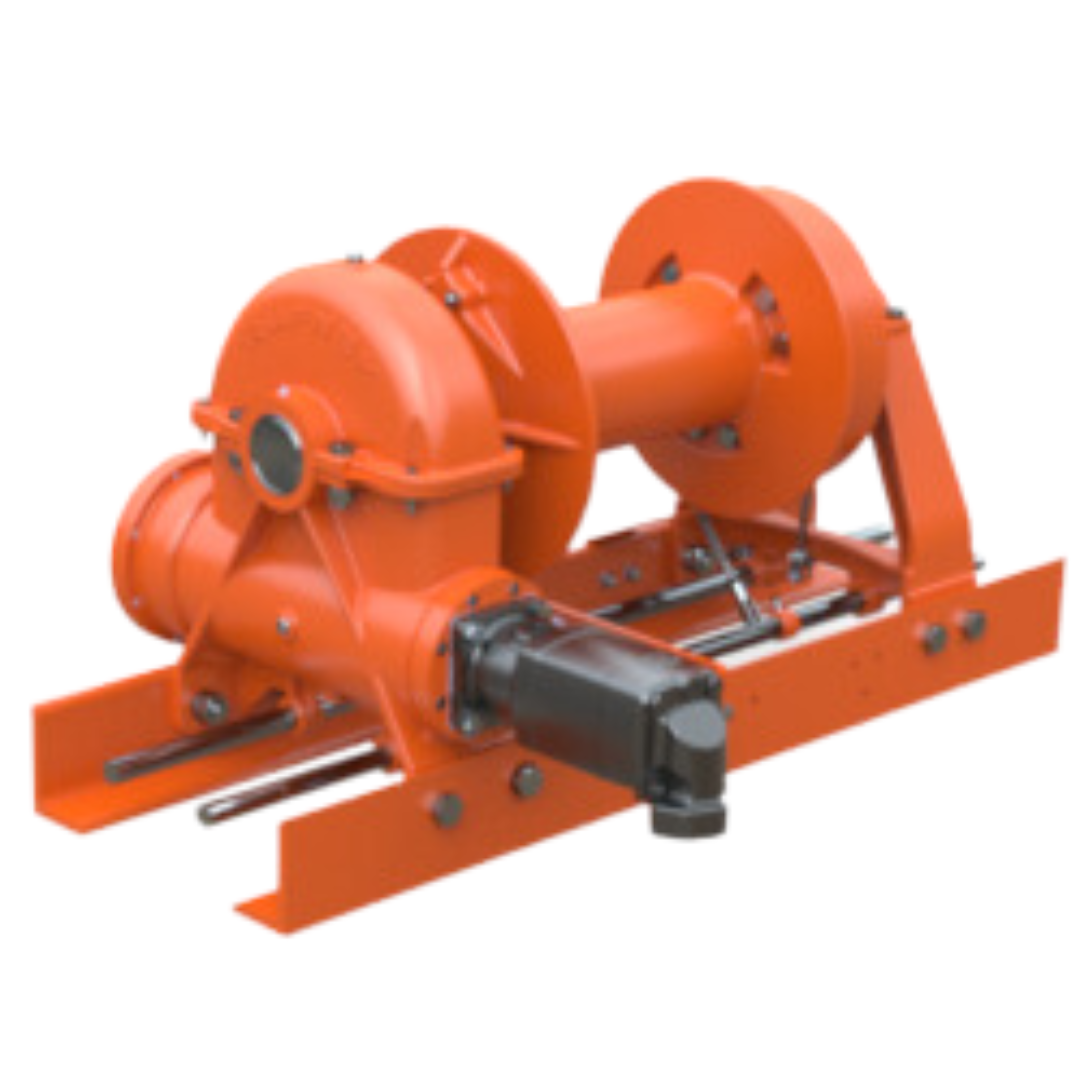
Hydraulic Winches
Found in industrial settings or on large trucks. They use fluid power and keep steadier speeds. Typical line speeds are 15–25 ft/min no-load and 8–15 ft/min under load.
Manual Winches
Used for small jobs. Line speeds are often under 5 ft/min. They depend on human strength and are not suitable for heavy loads.
How Line Speed Is Used In Real Life
Line speed isn’t just a technical detail. It matters in many practical ways:
- Emergency Recovery: Faster speeds mean quicker rescue, but you must balance speed and safety.
- Industrial Lifting: Too fast can damage equipment or cause accidents.
- Boating: Quick retrieval is useful but can tangle lines or damage gear.
- Construction: Speed helps efficiency, but control is essential.
Consider a construction site. Workers use winches to lift building materials. If the winch is too slow, work falls behind schedule. If it’s too fast, loads can swing dangerously. The right line speed avoids both problems.
Calculating The Right Line Speed For Your Needs
Choosing the best line speed depends on your task. Here’s how to think about it:
- Estimate Pull Distance: How far do you need to move the load?
- Calculate Desired Time: How quickly must the job finish?
- Check Load Weight: Heavier loads need slower speeds for safety.
- Match Winch Specs: Look at both line speed and pulling power.
For example, if you need to pull a vehicle 50 feet in 5 minutes, you need a winch with a minimum line speed of 10 ft/min under load.
Common Mistakes With Line Speed
Even experienced users make errors when choosing or using winch line speed. Here are some pitfalls to avoid:
- Ignoring Loaded Speed: Manufacturers often advertise no-load speed, but loaded speed is what really matters.
- Overestimating Power Needs: High speed without enough pulling power is useless.
- Not Considering Duty Cycle: Fast speeds can overheat electric winches if used too long.
- Overlooking Cable Layer Effect: Line speed increases as the drum fills, but pulling power drops.
- Using Wrong Voltage: For electric winches, low battery voltage cuts speed sharply.
- Rushing the Job: Moving too fast can cause accidents or damage.
How To Improve Line Speed Safely
Sometimes you want to boost your winch’s line speed. Here are safe ways to do it:
- Use Higher Voltage (Electric Winches): Make sure the battery is fully charged.
- Maintain Hydraulic Pressure (Hydraulic Winches): Keep the system well maintained.
- Lubricate Cable and Pulleys: Reduces friction, increases speed.
- Choose the Right Gear Ratio: Some winches have adjustable gears; use faster ratios for lighter loads.
- Avoid Overloading: Stay within rated limits to keep speed up.
Non-obvious Insight: Cable Layer And Drum Size
Many beginners don’t realize that as more cable winds onto the drum, the diameter increases. This means the winch pulls more cable per turn, raising line speed. But, the winch’s mechanical advantage drops, so pulling power goes down. Always check both speed and power at different cable layers.
Comparing Winch Line Speeds In Different Applications
Let’s see how line speed varies in real-world settings. Here’s a comparison of typical line speeds for various jobs:
| Application | Typical Line Speed | Load Weight | Winch Type |
|---|---|---|---|
| Vehicle Recovery | 8–15 ft/min | 4,000–10,000 lbs | Electric |
| Boat Lifting | 5–12 ft/min | 2,000–8,000 lbs | Electric/Hydraulic |
| Industrial Lifting | 10–20 ft/min | 10,000–20,000 lbs | Hydraulic |
| Manual Winching | 1–5 ft/min | Under 2,000 lbs | Manual |
Notice that heavier loads usually require slower speeds. Industrial jobs often use hydraulic winches for their steady performance.
How Line Speed Impacts Safety
Safety is a key concern with winch operation. Line speed affects:
- Reaction Time: Faster speeds leave less time to react if something goes wrong.
- Load Control: Slower speeds help avoid swinging or dropping loads.
- Heat Build-Up: Fast speeds can cause overheating, especially in electric winches.
- Cable Wear: High-speed pulls stress cables and can cause fraying.
A good rule: never sacrifice safety for speed. It’s better to finish a job a bit slower than risk injury or equipment damage.
How To Choose The Best Line Speed For Your Winch
When shopping for a winch, don’t just look at the line speed. Consider:
- Purpose: What tasks will you use the winch for?
- Load Weight: Choose a winch that handles your heaviest expected load.
- Required Speed: Estimate how fast you need to work.
- Winch Type: Electric for convenience, hydraulic for steady work, manual for light jobs.
- Safety Features: Look for overload protection, thermal cut-off, and good cable quality.
Here’s a practical comparison of two winch models for vehicle recovery:
| Feature | Winch X | Winch Y |
|---|---|---|
| Line Speed (No Load) | 35 ft/min | 20 ft/min |
| Line Speed (Full Load) | 7 ft/min | 12 ft/min |
| Max Pulling Power | 9,500 lbs | 12,000 lbs |
| Motor Type | Electric | Hydraulic |
| Best Use | Light/medium vehicles | Heavy vehicles |
Winch X is faster, but Winch Y pulls heavier loads more quickly under stress. Think about your needs before deciding.
Real-world Tips For Managing Line Speed
- Test Before Use: Always test the winch with a light load to see the actual speed.
- Stay Alert: Watch for overheating or cable problems.
- Use Gloves: High-speed cables can cause burns or injuries.
- Check Voltage: For electric winches, ensure batteries are healthy.
- Inspect Cable: Frayed or damaged cables reduce speed and safety.
Non-obvious Insight: Duty Cycle
Electric winches have a duty cycle—the amount of time they can run before needing a break. Running at high line speed for too long can cause overheating. Always check the manual for duty cycle limits.

Frequently Asked Questions
What Does “line Speed” Mean For A Winch?
Line speed is the rate at which the winch pulls or releases its cable, rope, or wire. It’s usually measured in feet per minute (ft/min) or meters per minute (m/min). It tells you how fast you can move a load.
Does A Higher Line Speed Mean A Better Winch?
Not always. Higher line speed can be useful, but it often comes with lower pulling power. The best winch balances speed and strength for your task.
How Can I Increase The Line Speed Of My Winch?
You can boost line speed by:
- Using a fully charged battery (electric winch)
- Keeping hydraulic systems well maintained
- Lubricating cables and pulleys
- Using the right gear ratio for lighter loads
But never overload the winch or sacrifice safety.
Why Does Line Speed Drop Under Heavy Load?
When the winch pulls heavier loads, its motor or hydraulic system works harder. This extra effort slows down the cable. Manufacturers often show both no-load and full-load speeds in their specs.
Where Can I Learn More About Winch Specifications?
You can find more technical details and guides on winch performance at Wikipedia.
Choosing the right winch means understanding line speed, not just picking the fastest or strongest model. By learning how line speed works, you can improve safety, efficiency, and the quality of your work. Whether you’re pulling a stuck vehicle, lifting loads at a job site, or enjoying a day on the water, knowing your winch’s line speed is the key to getting the job done right.