Most F‑150s use tires from 17" to 22" wheels; common sizes include 245/70R17 and 275/65R18.
I’ve spent years working on trucks and testing tire fitment, so I’ll walk you through what tire sizes are used on the Ford F-150, why those sizes matter, and how to pick the right size for your truck. This guide covers OEM sizes by wheel diameter, how to read tire codes, load and speed ratings, plus practical tips from real-world swaps and upgrades to help you make smart, safe choices.

49% off Today's Exclusive Deals
Limited-time Exclusive Deals. Check current discount on Amazon.
Check Price on Amazon As an Amazon Associate I earn from qualifying purchases.
Overview: What tire sizes are used on the Ford F-150?
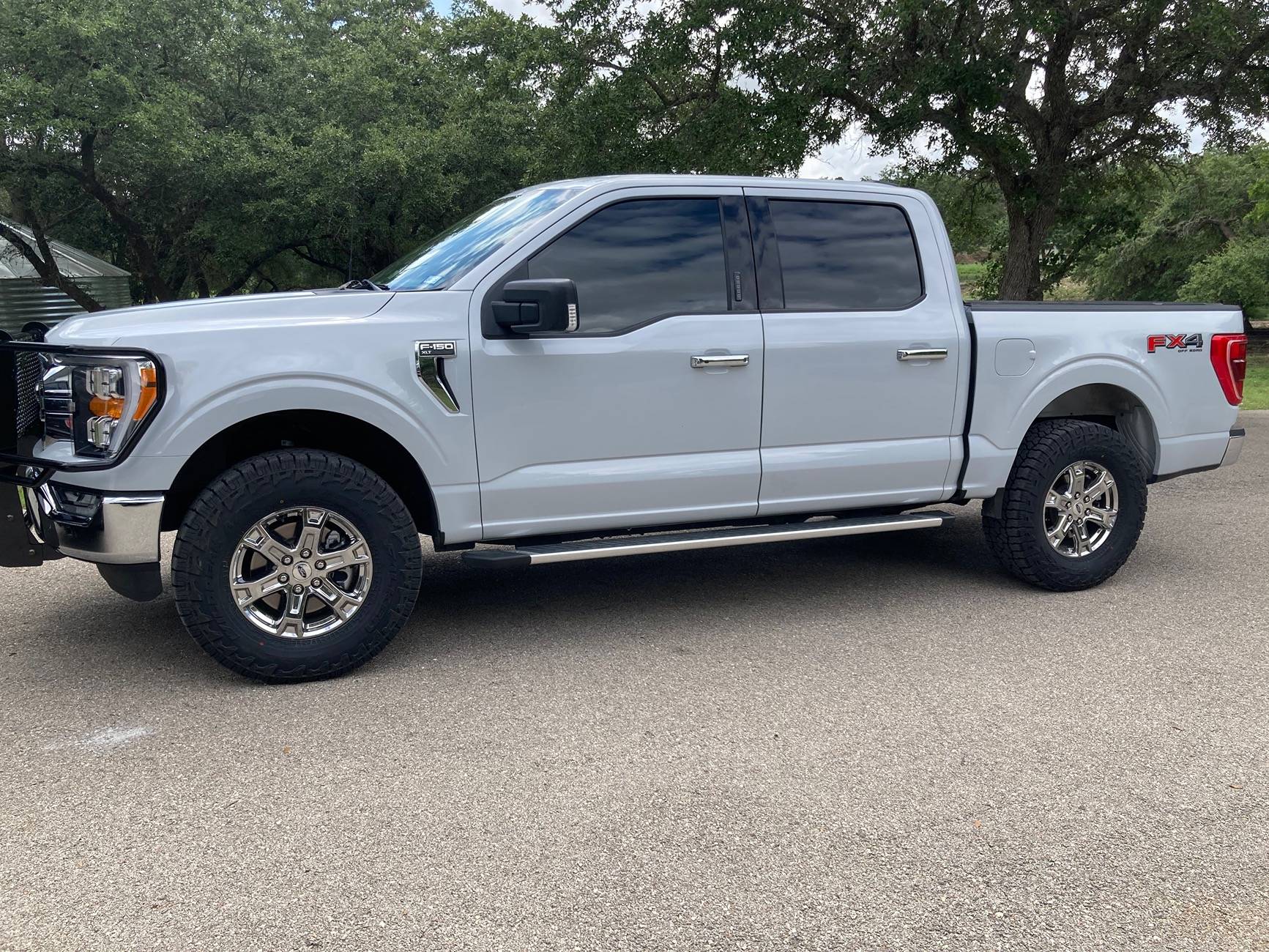
If you wonder "What tire sizes are used on the Ford F-150?" know that they span a wide range. Most factory F-150s come on 17", 18", 20", or 22" wheels. Common OEM tire sizes include 245/70R17, 265/70R17, 275/65R18, 275/55R20, and 275/45R22. Trim level, wheel option, year, and whether the truck is an XL, XLT, Lariat, King Ranch, Platinum, Raptor, or Tremor change the exact size.
What tire sizes are used on the Ford F-150? They are selected to balance ride, load capacity, towing, and looks. For heavy towing or commercial use, some F-150s use LT (Light Truck) tires with higher load ratings. For sport or luxury trims, lower-profile P-metric tires on 20" or 22" wheels are common. Always check the placard in the driver door and the owner’s manual for the correct OEM size.
49% off Today's Exclusive Deals
Limited-time Exclusive Deals. Check current discount on Amazon.
Check Price on Amazon As an Amazon Associate I earn from qualifying purchases.

How to read a tire size and what it means for your F-150
What tire sizes are used on the Ford F-150? Understanding the code makes this clear. A tire marked 275/65R18 breaks down like this:
- 275 — tire width in millimeters.
- 65 — aspect ratio (height is 65% of width).
- R — radial construction.
- 18 — wheel diameter in inches.
You’ll also see load index and speed rating, for example 121/118R or 121S. F-150 applications often need higher load indexes because they carry cargo and tow. When you ask "What tire sizes are used on the Ford F-150?" consider both size and load rating, not just the numbers stamped on the sidewall.

49% off Today's Exclusive Deals
Limited-time Exclusive Deals. Check current discount on Amazon.
Check Price on Amazon As an Amazon Associate I earn from qualifying purchases.Common OEM sizes by wheel diameter and trim
When answering "What tire sizes are used on the Ford F-150?" it helps to group them by wheel size. Below are typical examples that appear across model years and trims.
- 17-inch examples
- 245/70R17
- 265/70R17
- 275/65R17 (less common)
- 18-inch examples
- 275/65R18
- 265/60R18
- 20-inch examples
- 275/55R20
- 275/60R20
- 285/45R20 (on sport trims)
- 22-inch examples
- 275/45R22
- 285/45R22
These are representative sizes. If you’re still asking "What tire sizes are used on the Ford F-150?" check your year and trim because wheel options and factory upgrades change the fitment.

LT vs P‑metric tires and load considerations
Many readers ask "What tire sizes are used on the Ford F-150?" and forget to ask which load type they need. F-150s can use:
- P-metric tires — passenger-rated, common on lighter trims and luxury options.
- LT (Light Truck) tires — built for higher loads and towing, common on work-oriented trims.
If you tow often or carry heavy loads, an LT tire with a higher load range (E, D, C) is safer. If you mostly drive on highways and want a quieter ride, a P-metric with proper load index may be best. I once switched a fleet F-150 from P-metric to LT and saw a clear improvement in heat resistance and load stability.
Fitment rules, speedometer impact, and legal considerations
Answering "What tire sizes are used on the Ford F-150?" is only part of the job. You must also ensure the chosen size fits safely.
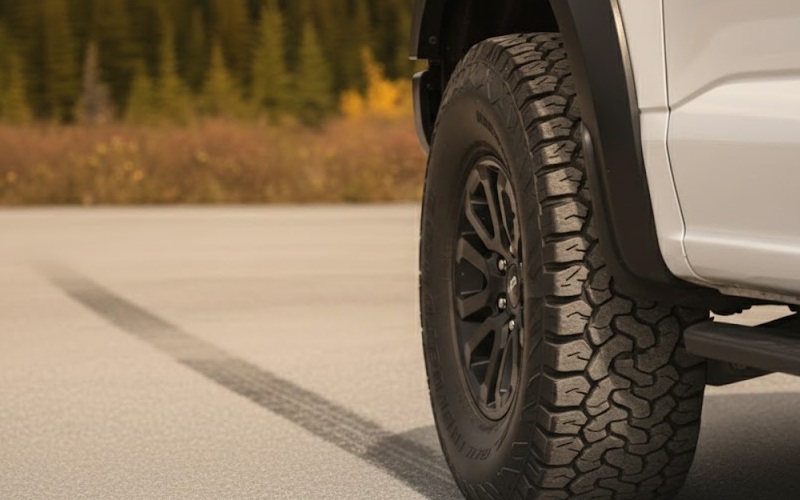
- Keep overall diameter within 3% of stock to avoid speedometer and ABS errors.
- Check brake and suspension clearance before moving up in width or sidewall.
- Confirm wheel backspacing and offset to avoid rubbing.
- Maintain or exceed factory load rating to meet legal and safe limits.
If you change tire sizes, recalibrate your speedometer if the diameter changes significantly. I learned this the hard way when a minor size change made my truck read 4 mph slow; a simple recalibration fixed it.
Performance impacts: ride, fuel, towing, and off-road
When people ask "What tire sizes are used on the Ford F-150?" they usually want to know how size affects performance. Short answers:
- Larger diameter tires can raise gear ratio effect and drop fuel economy slightly.
- Taller tires can improve off-road ground clearance.
- Wider tires increase grip but may worsen fuel economy and steering feel.
- Higher sidewalls (higher aspect ratio) can improve ride comfort.
Pick a size that matches your driving goals. For towing, prioritize load rating over looks. For off-road, consider taller, narrower tires with tougher sidewalls. For town and highway, a lower-profile P-metric on 20" wheels can deliver sharper handling.

Real-world tips and mistakes to avoid (from experience)
From years of wrenching and testing F-150s, here’s what I recommend:
- Always consult the door placard and owner’s manual first.
- When upgrading wheel size, keep tire diameter close to stock to avoid drivetrain issues.
- Don’t sacrifice load rating for a lower price—load capacity matters.
- Test-fit before buying wide or tall tires to ensure no rubbing during full lock.
- If you change wheel offset, have alignment checked after installation.
One mistake I made early on was choosing low-load tires for a heavy-haul run. The tires overheated under load. I switched to LT-rated tires and the truck performed safely and predictably.

PAA-style quick questions
Can I put larger tires on my F-150 without modifications?
Yes, you can often fit slightly larger tires within about a 3% diameter change without mods. For much larger sizes, you may need lift, trimming, or wheels with different offset.
Do larger tires affect towing capacity?
Tire size alone does not change the truck’s factory towing rating; however, using tires with insufficient load rating or improper fitment can reduce safe towing performance. Always use tires with proper load index.
How do I find the OEM tire size for my F-150?
Check the driver door placard, owner’s manual, or the tire sidewall. Dealers can also confirm OEM fitment based on VIN.
Tools and resources to confirm fitment
To finalize what tire sizes are used on the Ford F-150 and pick the right set, use these steps:
- Check the driver door placard for OEM size and pressure.
- Read the sidewall on the current tire for exact code.
- Use a trusted tire-fitment tool online keyed to year and trim.
- Consult a tire professional or Ford dealer for load rating confirmation.
I always carry a digital caliper and a tape measure when swapping tires to verify clearance and diameter before ordering.
Frequently Asked Questions of What tire sizes are used on the Ford F-150? (make it h2 tag)
What tire size does a stock Ford F-150 come with?
Stock tire sizes vary by model year and trim. Common factory sizes include 245/70R17, 265/70R17, 275/65R18, and 275/55R20.
Can I use LT tires on a non-commercial F-150?
Yes, you can fit LT tires on many F-150s, but verify wheel size, load index, and ride comfort trade-offs before switching.
Will changing tire size affect my odometer and speedometer?
Yes, changing overall tire diameter alters speedometer and odometer readings. Keep diameter within 3% or recalibrate the system.
Are wider tires better for towing on the F-150?
Wider tires do not necessarily improve towing. Load rating and heat resistance matter more. Choose tires that match the truck’s load needs.
How do I know if a new tire will rub my F-150’s fender?
Measure current clearance at full lock and full suspension compression, and compare diameters and wheel offset. Test-fitment is the safest method.
Conclusion
What tire sizes are used on the Ford F-150? They range broadly from 17" to 22" wheels and include many OEM sizes like 245/70R17 and 275/65R18, with choices driven by trim and intended use. Match size and load rating to your driving needs, check the placard, and keep diameter close to stock for safety. Take action: inspect your current tires, note the sidewall codes, and consult a pro before making changes. If this guide helped, leave a comment with your F-150 year and trim and I’ll suggest specific sizes.