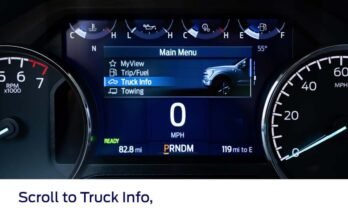
Comprehensive suite of airbags, advanced driver-assist tech, towing aids, and a strong crash structure.
I’ve tested pickups and studied safety reports for years. This guide breaks down the safety features of the Ford F-150, how each system works, real-world value, and practical tips to keep you and your load safe. Read on to understand what protects you in traffic, on the highway, and while towing.

49% off Today's Exclusive Deals
Limited-time Exclusive Deals. Check current discount on Amazon.
Check Price on Amazon As an Amazon Associate I earn from qualifying purchases.
Overview: What the safety features of the Ford F-150 cover
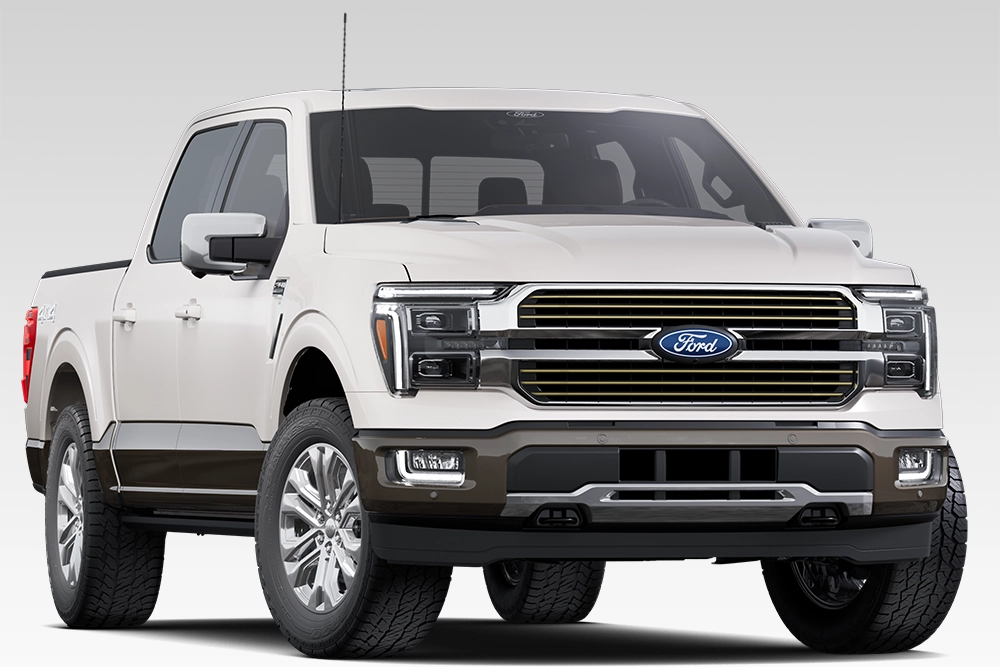
The safety features of the Ford F-150 span active systems, passive protection, and towing-focused tools. These systems aim to prevent crashes, reduce crash forces, and protect occupants if a crash happens. Ford bundles many features into the Co-Pilot360 suite, while structural design and airbags add passive protection. This section sets the foundation so you can judge which features matter most for your driving and towing needs.
49% off Today's Exclusive Deals
Limited-time Exclusive Deals. Check current discount on Amazon.
Check Price on Amazon As an Amazon Associate I earn from qualifying purchases.Active safety systems: prevention and driver aids
Active safety systems work to prevent or soften collisions. The safety features of the Ford F-150 include the following items.
-
Automatic emergency braking with pedestrian detection.
This helps stop the truck if a frontal collision is likely and the driver does not react. -
Blind spot information system with cross-traffic alert.
Useful when changing lanes and when reversing out of tight driveways or lots. -
Lane-keeping assist and lane-keep alert.
These systems nudge steering or warn you if the truck drifts out of lane.Deal49% off Today's Exclusive Deals
Limited-time Exclusive Deals. Check current discount on Amazon.
Check Price on Amazon As an Amazon Associate I earn from qualifying purchases. -
Adaptive cruise control with stop-and-go capability.
Keeps a set distance from the vehicle ahead and can slow and resume in traffic. -
Rear-view camera and 360-degree camera options.
Cameras make parking and towing maneuvers safer by showing blind areas. -
Traction control, electronic stability control, and curve control.
These systems help maintain grip and direction in poor road conditions.
Each of these safety features of the Ford F-150 is designed to reduce human error and add a safety net for everyday driving.
Passive safety and structural design
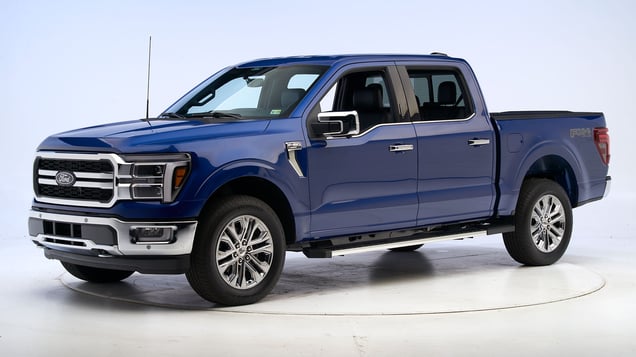
Passive safety aims to protect you during a crash. The safety features of the Ford F-150 include strong structural elements and occupant protection systems.
-
High-strength steel frame and safety cage.
The cab and frame are engineered to manage crash energy and preserve occupant space. -
Multiple airbags placed strategically.
Front, side, and curtain airbags help reduce injury risks in many crash types. -
Seat belt pre-tensioners and load limiters.
These tighten belts at impact and then ease force to reduce chest injury. -
Crumple zones and reinforced door beams.
These features help absorb energy away from the cabin during a collision.
Together, these passive safety features of the Ford F-150 form a layered defense to protect occupants when a crash occurs.

Ford Co-Pilot360 and driver assistance explained
Ford Co-Pilot360 is the brand name for many driver-assist features. The safety features of the Ford F-150 under this umbrella make driving safer and less stressful.
-
Pre-Collision Assist with Automatic Emergency Braking.
Detects vehicles and pedestrians and applies brakes if needed. -
Adaptive Cruise Control with Lane Centering.
Helps keep the truck centered and maintains safe distance on highways. -
Evasive Steering Assist.
Helps steer around obstacles when braking alone won’t avoid a crash. -
Blind Spot Information System with Trailer Coverage.
Monitors blind zones beside the truck and around a trailer. -
Pro Trailer Backup Assist and Trailer Sway Control.
Helps turn trailers while reversing and reduces sway at speed.
These features pair sensors, cameras, and software to support safer driving. When used correctly, they reduce fatigue and lower the chance of common accidents.
Towing and payload safety: built-in protections
Many F-150 owners tow regularly. The safety features of the Ford F-150 focus strongly on towing safety.
-
Integrated trailer brake controller.
Lets you adjust trailer braking force from the cab. -
Rearview camera guidelines and 360-degree camera option.
Make hitching and backing with a trailer far safer. -
Tow/Haul mode and hill descent control.
Adjust shift logic and braking for heavy loads and steep grades. -
Trailer sway control and load-assist features.
Detects sway and applies brakes or adjusts torque to stabilize the trailer.
These systems reduce the extra risk that comes with towing. If you tow often, choose tech-packed trim levels and learn the controls before hitting the road.
Crash testing, ratings, and real-world performance
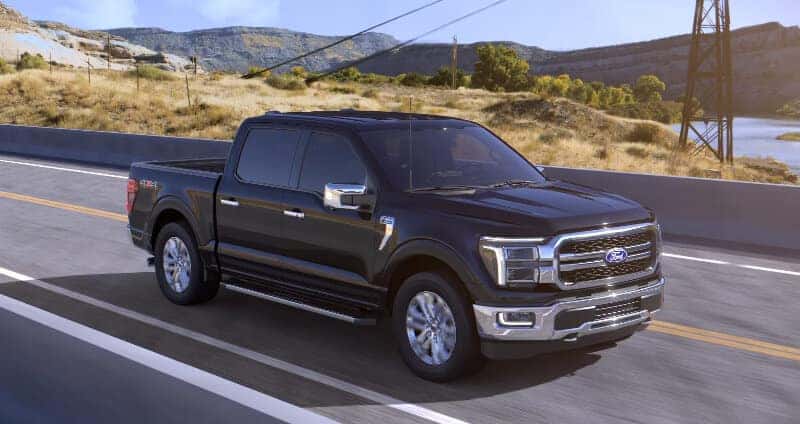
Safety ratings matter when comparing trucks. The safety features of the Ford F-150 contribute to results from major testers and insurer data. Crashworthiness and crash avoidance scores vary by model year and equipment. Newer F-150s with Co-Pilot360 tend to score better in avoidance tests. Keep in mind that ratings depend on trim, cab size, and optional equipment, so check the exact model when comparing numbers.

Maintenance, calibrations, and ownership tips
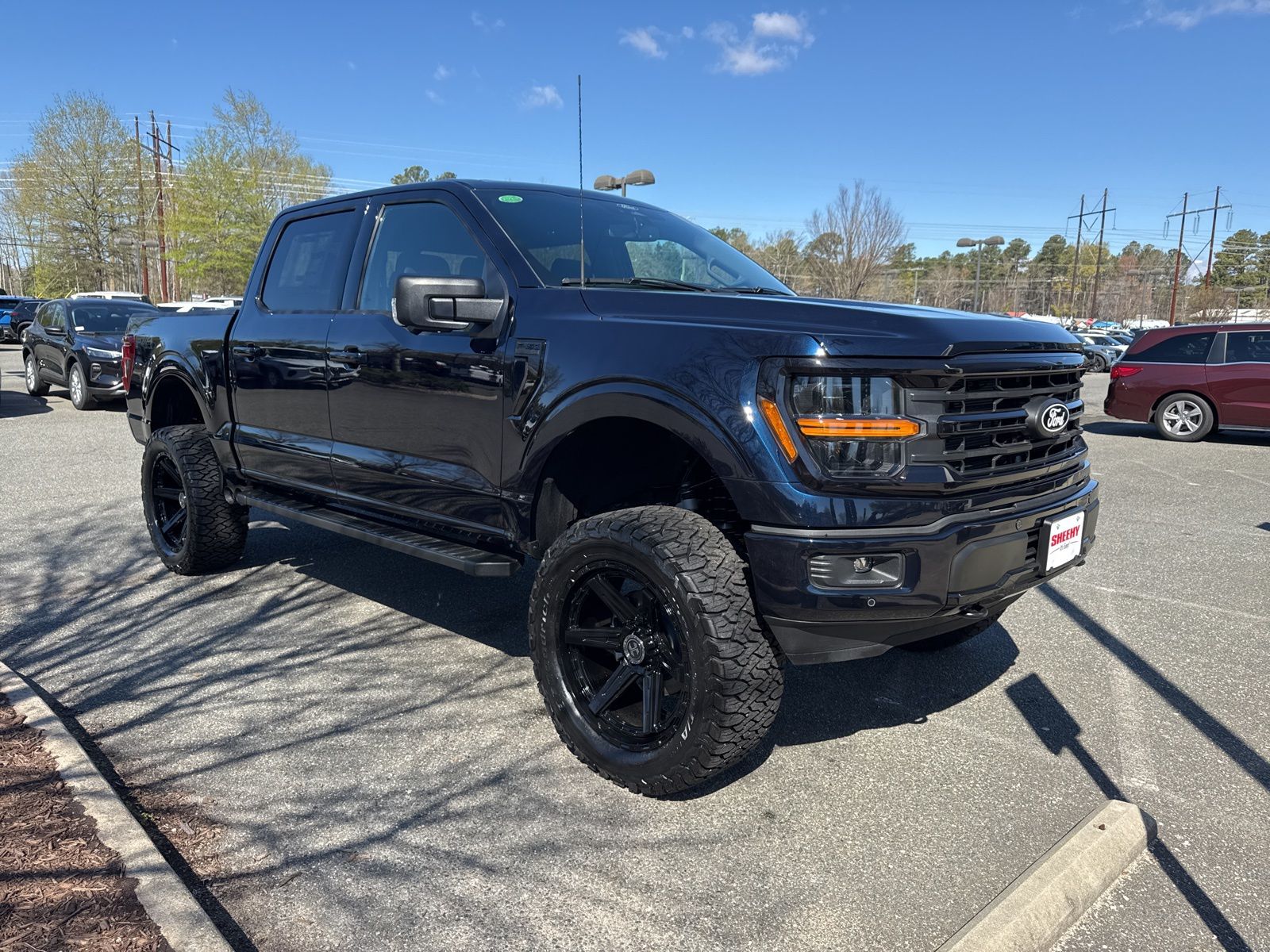
Safety tech only works when it’s maintained. Here are practical tips to keep the safety features of the Ford F-150 reliable.
-
Keep cameras and sensors clean and unobstructed.
Dirt, ice, or aftermarket accessories can block sensors and cameras. -
Install software updates at the dealer or via Ford’s recommended channels.
Updates can improve system performance and fix bugs. -
Check trailer wiring and brakes before towing trips.
Faulty wiring or weak trailer brakes reduce the effectiveness of towing safety features. -
Service tires, brakes, and suspension regularly.
Proper maintenance preserves the systems that work with electronic aids.
Following these steps helps ensure the safety features of the Ford F-150 operate as intended.
Personal experience and lessons learned
I’ve driven F-150s on long hauls and tight job sites. The safety features of the Ford F-150 help most when drivers treat them as aids, not replacements for attention. One lesson: don’t rely solely on blind spot warnings when towing. Another lesson: practice Pro Trailer Backup Assist in a quiet lot before using it on busy sites. Small habits, like cleaning sensors daily on dusty jobs, pay off in reliability.
Key questions drivers ask (PAA-style)
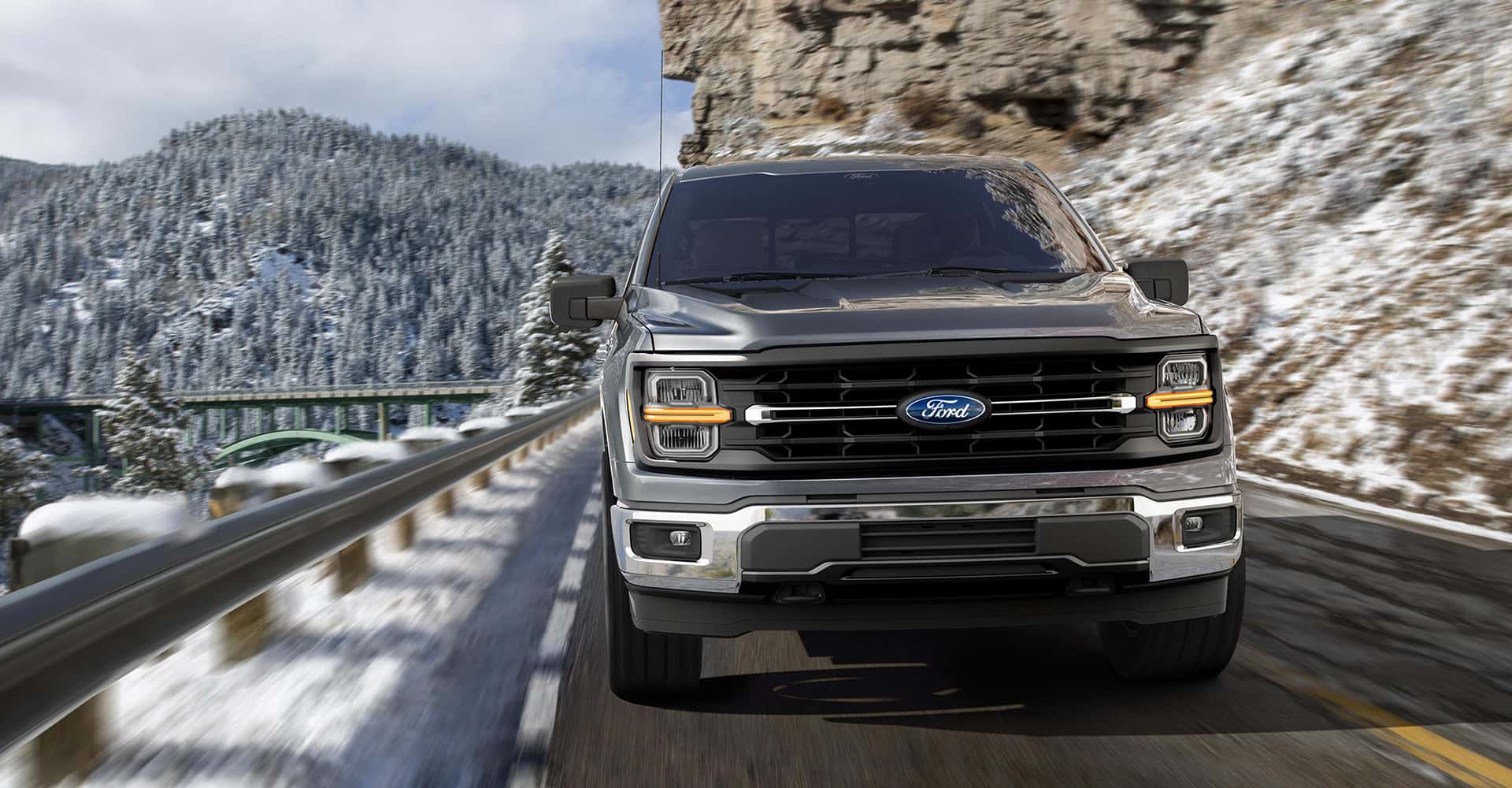
How effective are the safety features of the Ford F-150 at preventing crashes?
They are effective at reducing low- and medium-speed collisions through automatic braking and lane aids. High-speed or inattentive-driver scenarios still depend on driver response.
Does Pro Trailer Backup Assist make reversing a trailer foolproof?
It simplifies reversing and reduces stress, but you still need to monitor mirrors and surroundings. Practice and proper trailer setup remain essential.
Will cameras and sensors work in bad weather?
They can be affected by heavy rain, snow, or dirt. Regular cleaning and cautious driving in bad conditions are necessary.
Frequently Asked Questions of What are the safety features of the Ford F-150?
What standard safety features come with the F-150?
Most recent F-150 trims include automatic emergency braking, a rearview camera, and a blind spot information system. Exact features vary by model year and trim level.
Is the Ford F-150 good for family safety?
Yes. The truck has strong occupant protection, multiple airbags, and child seat anchors. Choosing the right trim and adding driver-assist packages increases family safety.
How do towing safety features work on the F-150?
Towing features use sensors, cameras, and control modules to manage trailer brakes, detect sway, and assist steering while backing. They work best when the trailer is properly hitched and loaded.
Do I need to calibrate cameras or sensors after repair?
Yes. After windshield replacement, bodywork, or sensor replacement, calibration may be required for optimal performance. Take the truck to a qualified service center to ensure correct alignment.
Are Ford Co-Pilot360 features standard across all trims?
No. Some Co-Pilot360 features are standard on many trims, but advanced functions like adaptive cruise with lane centering may be optional. Check the equipment list for each trim.
Can software updates improve safety features?
Yes. Software updates can refine sensor logic, improve detection, and fix issues. Keep your truck updated through dealer service or Ford’s recommended update channels.
Conclusion
The safety features of the Ford F-150 blend active prevention, solid passive protection, and towing-specific aids to protect drivers, passengers, and cargo. Use these systems as trusted helpers: keep them maintained, learn their limits, and practice towing skills. If you own or plan to buy an F-150, prioritize trims with the safety tech you need and schedule regular checks for sensors and brakes. Want safer drives with your F-150? Start by testing the driver-assist features in a safe area, and subscribe or comment to share your towing or safety questions.