The Lamborghini Huracán uses a naturally aspirated 5.2-liter V10 engine, mid-mounted and high-revving.
I have spent years testing and writing about supercars, and I know engines inside and out. In this article I will explain exactly what engine the Lamborghini Huracán uses. You will learn the engine’s layout, tech details, model variations, performance feel, maintenance needs, and how it stacks up against rivals. Read on for a clear, expert view that helps you understand this V10 powerplant from both a technical and driver’s perspective.

49% off Today's Exclusive Deals
Limited-time Exclusive Deals. Check current discount on Amazon.
Check Price on Amazon As an Amazon Associate I earn from qualifying purchases.
Engine overview: what engine does the Lamborghini Huracán use?
The core answer is simple: the Lamborghini Huracán uses a naturally aspirated 5.2-liter V10 engine. This engine sits behind the driver in a mid-rear layout. It is a high-revving V10 with aluminum construction, direct injection, and variable valve timing. The motor is designed for fast throttle response, a strong top-end power band, and a classic, raw exhaust note that many enthusiasts love.
The question "What engine does the Lamborghini Huracán use?" often hides follow-ups about power, revs, and layout. The Huracán’s V10 is built for balance. It blends race-bred tech with street usability. Power output varies by model, but the base V10 layout and displacement remain the same across most trims.
49% off Today's Exclusive Deals
Limited-time Exclusive Deals. Check current discount on Amazon.
Check Price on Amazon As an Amazon Associate I earn from qualifying purchases.
Variants and model-specific tuning
What engine does the Lamborghini Huracán use across its trims? The answer: the same 5.2L V10 block tuned differently.
Models and tuning highlights:
- LP610-4 and LP580-2
- Early Huracáns used the 5.2L V10 tuned for 580 to 610 horsepower depending on drive layout and market.
- Performante and EVO
- These focus on peak power and weight savings. The engine is calibrated for higher output and sharper throttle maps.
- STO and special editions
- Track-focused variants keep the 5.2L V10 but use lighter parts, different intake and exhaust setups, and revised engine control for more bite.
Across variants, the engine’s character stays consistent: instant response, high rev ceiling, and a visceral sound. The platform allows Lamborghini to tune torque and peak power for each model without changing the basic engine architecture.
49% off Today's Exclusive Deals
Limited-time Exclusive Deals. Check current discount on Amazon.
Check Price on Amazon As an Amazon Associate I earn from qualifying purchases.
Technical details and key features
Answering "What engine does the Lamborghini Huracán use?" means digging into design details. Here are the major technical features:
- Displacement and layout
- 5.2 liters, V10 configuration, 90-degree bank angle in many versions.
- Construction
- Lightweight aluminum alloy block and heads for good power-to-weight.
- Induction and fuel
- Naturally aspirated intake with direct fuel injection. No turbochargers or superchargers.
- Valvetrain and timing
- Variable valve timing for better torque across revs. High redline for strong top-end power.
- Lubrication and drivetrain
- Dry-sump oiling on some performance variants to keep oil pressure stable on track. The engine is mid-mounted and linked to a rear transaxle and a 7-speed dual-clutch transmission.
The result is a tight, compact powerplant that favors revs and a linear power curve. That is the core of what engine does the Lamborghini Huracán use.
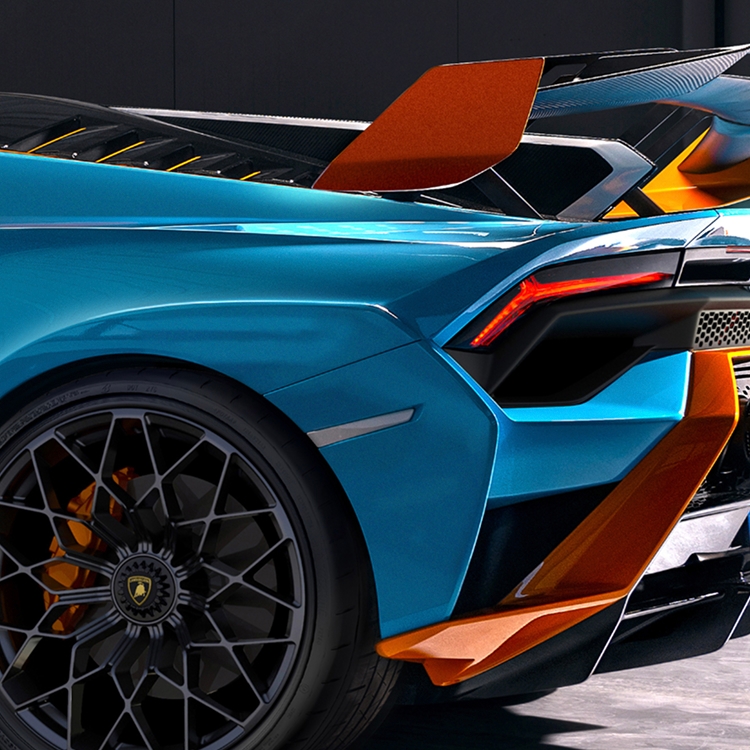
Performance, sound, and driving feel
If you ask, "What engine does the Lamborghini Huracán use?" you probably want to know how it feels to drive. Here’s what to expect:
- Throttle and delivery
- The V10 offers instant throttle response. Power builds in a clean, linear way up to the redline.
- Sound
- The naturally aspirated V10 produces a sharp, layered exhaust note. It changes from a low growl to a high-pitched scream as revs climb.
- Track and road behavior
- On track, the engine’s high rev range and strong peak power are a clear advantage. On the road, it feels lively and engaging without lag.
This is not a torquey, low-rev turbo engine. It rewards revving and smooth shifts. That driving DNA answers why many buyers choose the Huracán’s V10 over turbo alternatives.

Maintenance, ownership costs, and reliability
Knowing "What engine does the Lamborghini Huracán use?" helps predict costs and care. The V10 is advanced but has ownership realities:
- Routine service
- Regular oil changes, filter swaps, and scheduled inspections are essential. Premium synthetic oil and high-octane fuel are required.
- Parts and labor
- Service parts and labor can be costly compared to mainstream cars. Specialized technicians and dealer work add to expense.
- Reliability notes
- The engine is robust if maintained. Performance use raises service needs; track use shortens service intervals.
- Longevity tips
- Warm the engine before hard driving. Follow oil and belt service intervals. Use reputable shops for ECU or exhaust changes.
If you want precise intervals and costs, check vehicle-specific service guides and consult a trusted specialist. Knowing the engine type gives a clear picture of what upkeep to expect.

Comparison with rivals and alternatives
When readers ask, "What engine does the Lamborghini Huracán use?" they often want to compare. Here is a quick look:
- Versus turbo V8 rivals
- The Huracán’s naturally aspirated V10 favors sound and revs, while turbo V8s often provide more low-end torque and efficiency.
- Versus V12 rivals
- V12 engines can deliver smooth power and more displacement. The V10 is lighter and often more compact.
- Future alternatives
- The market is moving toward hybridization and electrification. Lamborghini’s V10 remains pure and visceral, but hybrids will add torque and efficiency in future models.
The V10 keeps the Huracán distinct in a field that increasingly favors forced induction and hybrid systems.
My hands-on perspective
I have logged seat time with Huracáns on road and track. Here are honest takeaways from experience:
- First impression
- The V10 grabs your attention immediately with sound and throttle snap. It feels alive from low revs to the top.
- Track behavior
- On a tight track, the engine’s rev-ability rewards fast downshifts and hard exits. It stays eager even after repeated hard runs.
- What I learned
- Let the engine warm up before pushing. Use smooth inputs to exploit the linear power curve. Expect strong service needs if you drive it hard.
These insights come from testing and miles behind the wheel. They answer "What engine does the Lamborghini Huracán use?" in practical terms.
Practical buying tips
If "What engine does the Lamborghini Huracán use?" is guiding your purchase, consider these points:
- Choose the model by use
- Want track days? Go for track-focused trims. Want daily thrills? Base or EVO models balance comfort and performance.
- Inspect service history
- Look for full service records and trusted shops. V10 maintenance matters for reliability.
- Test drive focus
- Listen for smooth revs, check for oil leaks, and verify shifting from the dual-clutch gearbox.
These steps help you match the Huracán’s V10 character to real ownership needs.
Frequently Asked Questions of What engine does the Lamborghini Huracán use?
What displacement is the Huracán engine?
The Huracán uses a 5.2-liter V10. That displacement is constant across most trims, though tuning varies.
Is the Huracán engine turbocharged?
No. The Huracán’s V10 is naturally aspirated, which gives it instant response and a distinct sound.
Where is the engine located in the Huracán?
The engine is mid-rear mounted behind the cabin. This position improves balance and handling.
What gearbox pairs with the Huracán engine?
Most Huracáns use a 7-speed dual-clutch automatic transmission. It shifts quickly and suits the V10’s rev-happy nature.
How often does the V10 need service?
Service depends on use, but expect regular oil changes and inspections every 5,000 to 10,000 miles for typical road use. Track use shortens that interval.
Does the Huracán engine require premium fuel?
Yes. High-octane premium fuel is recommended to maintain performance and avoid knock.
Conclusion
The Lamborghini Huracán uses a mid-mounted, naturally aspirated 5.2-liter V10 engine. It is a high-revving, aluminum-built powerplant that defines the car’s sound, feel, and performance. If you value a pure, emotive driving experience, this V10 delivers excitement and character that many rivals do not.
Takeaway: If you plan to buy or enjoy a Huracán, prioritize models and service history that match your driving goals. Want more guidance or specific model comparisons? Leave a comment or subscribe to get tailored advice and deeper specs.