The Tesla Model Y offers about 68 cubic feet of total cargo space with the rear seats folded.
I’ve measured, packed, and lived with the Tesla Model Y for years, so I’ll walk you through what that number really means. This article answers "What is the cargo space of the Tesla Model Y?" in detail, breaks down measurements, shows real-world use, and gives practical tips so you can plan trips, moves, and grocery runs with confidence. Read on to get precise, usable info and smart packing strategies from someone who uses the car every week.

49% off Today's Exclusive Deals
Limited-time Exclusive Deals. Check current discount on Amazon.
Check Price on Amazon As an Amazon Associate I earn from qualifying purchases.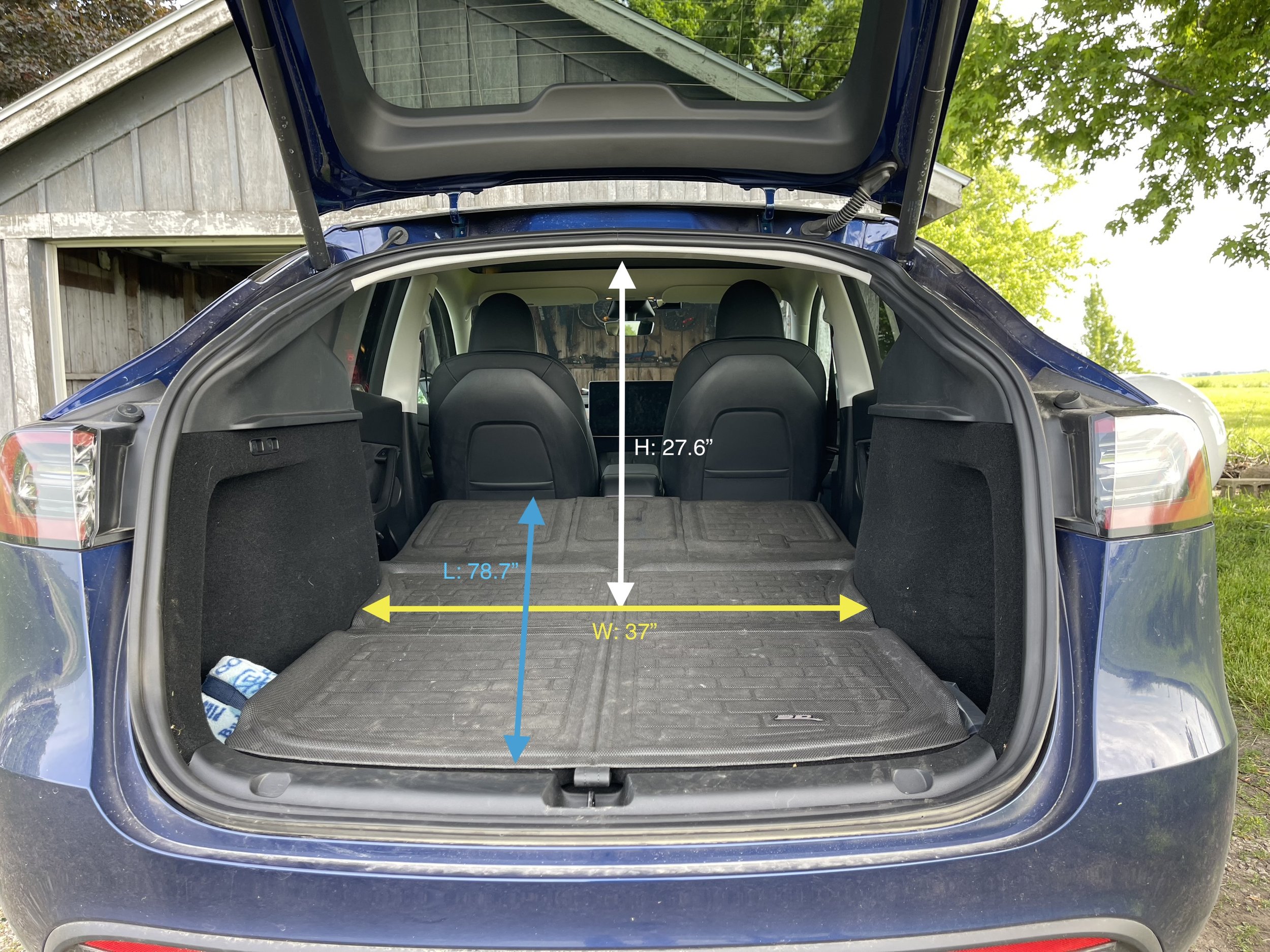
Cargo space overview
When people ask "What is the cargo space of the Tesla Model Y?" they usually want a clear number and a sense of usability. The headline figure most owners cite is about 68 cubic feet of total cargo space with the rear seats folded. That total includes the main rear cargo area, any underfloor storage, and the front trunk space (frunk).
Beyond the headline, cargo shape and access matter more than raw cubic feet. The Model Y’s tall hatch, low floor, and fold-flat seats make that space very usable for boxes and bags. If you need a single quick reference, remember: "What is the cargo space of the Tesla Model Y?" — roughly 68 cubic feet folded, and about half of that with seats up.
49% off Today's Exclusive Deals
Limited-time Exclusive Deals. Check current discount on Amazon.
Check Price on Amazon As an Amazon Associate I earn from qualifying purchases.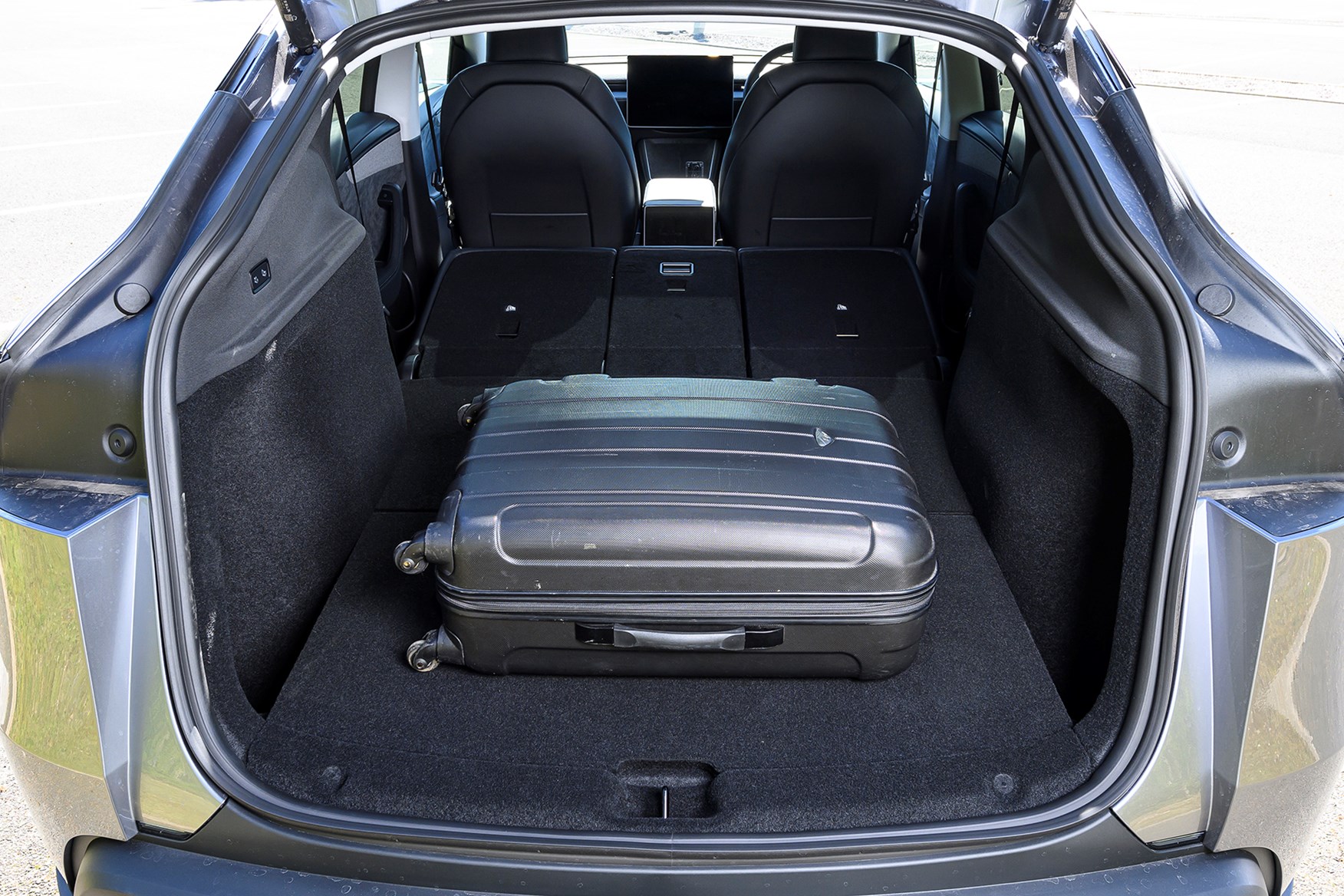
Detailed measurements and what they typically include
Exact numbers vary by model year and by how measurements are taken. Still, here are practical approximations you can use when planning.
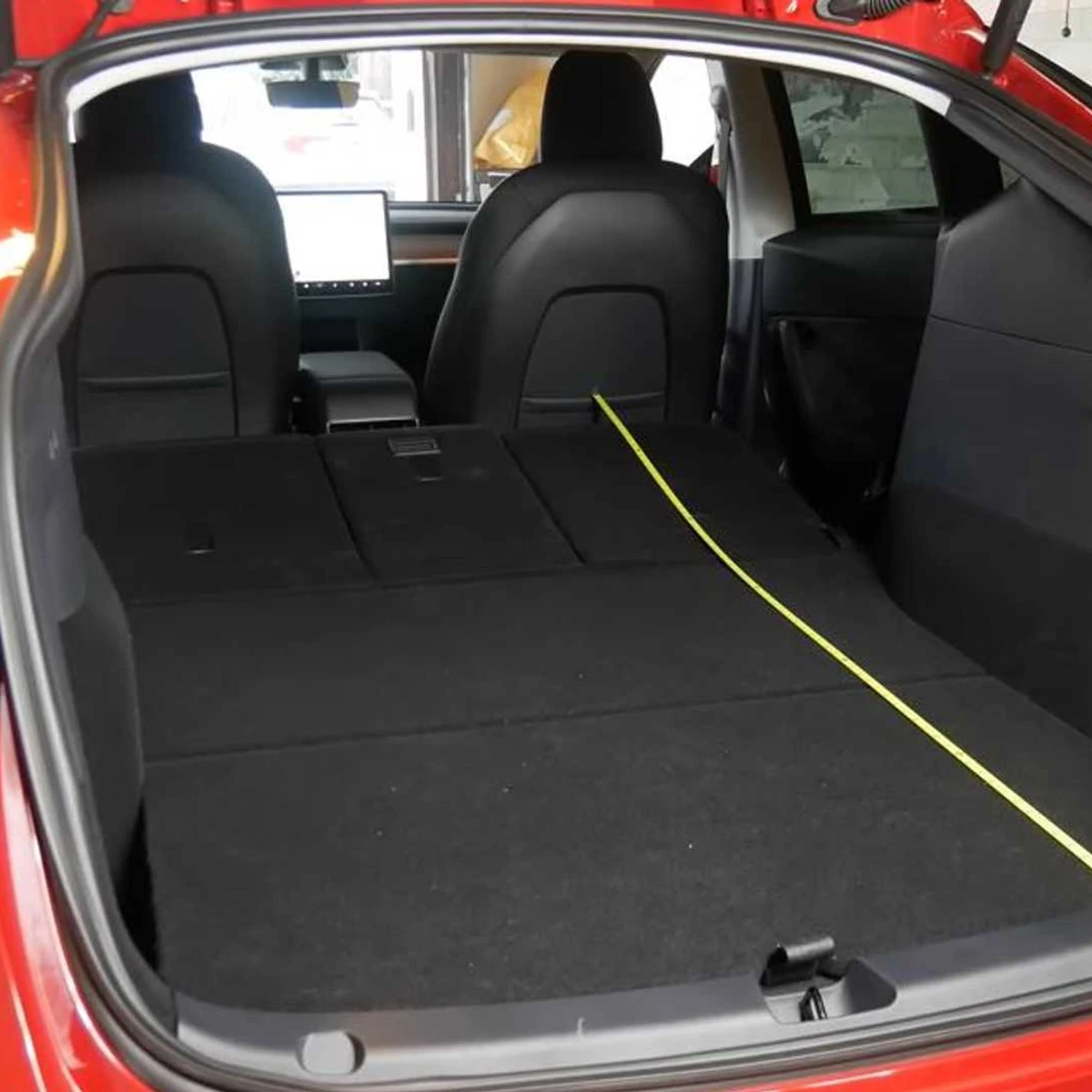
- Total cargo space with rear seats folded: about 68 cubic feet.
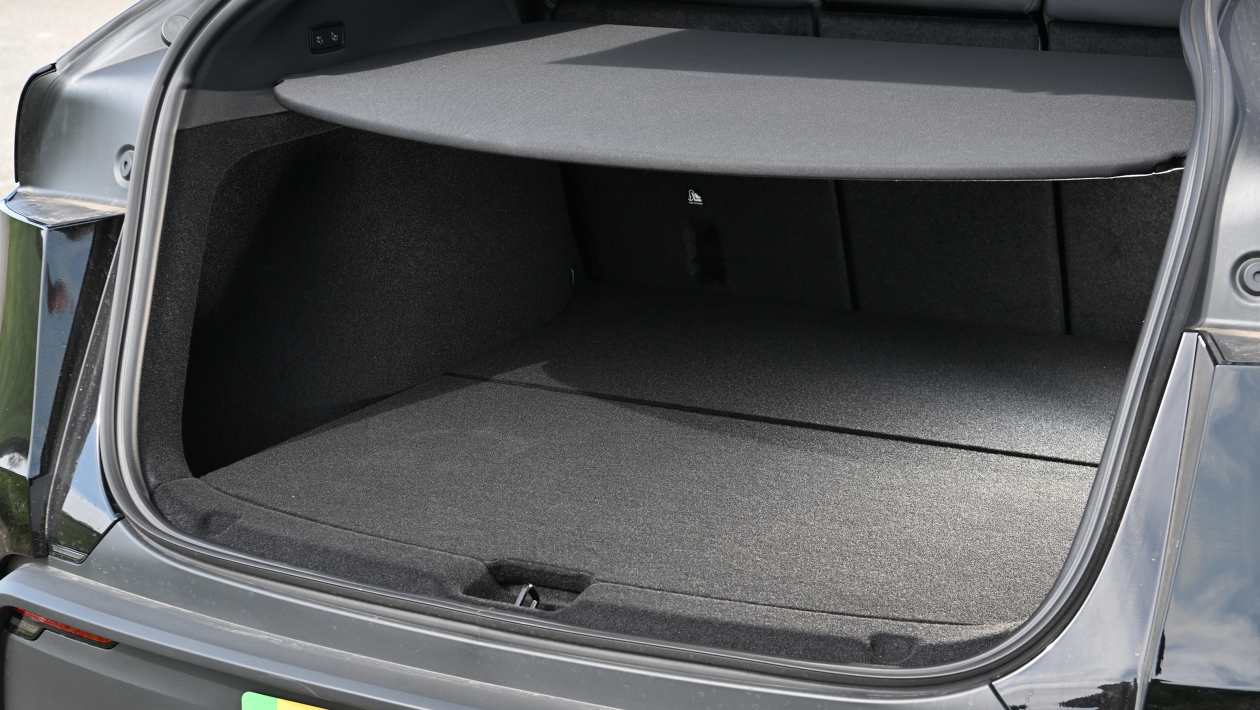
- Cargo space behind the second row (seats up): roughly 34 cubic feet.
- Front trunk (frunk) capacity: about 4 cubic feet of extra storage.
- Under-floor storage and small cubbies: add useful organization and protect small items.
When someone searches "What is the cargo space of the Tesla Model Y?" they often mean usable real-world room. The Model Y’s tall boxy rear area means the measured cubic feet translate to easy packing. The optional third row (if equipped) cuts usable cargo space dramatically, so check your configuration before assuming the above numbers.

49% off Today's Exclusive Deals
Limited-time Exclusive Deals. Check current discount on Amazon.
Check Price on Amazon As an Amazon Associate I earn from qualifying purchases.How cargo space is measured and factors that change it
Measurement standards differ. EPA, SAE, and manufacturer methods can give different figures. When answering "What is the cargo space of the Tesla Model Y?" it helps to know which method you care about.
- EPA-style numbers aim to reflect usable trunk volume with seats in place.
- Folding rear seats fully flat increases cubic footage but can change usable shape.
- Optional third-row seats reduce cargo room even when folded, and they add a lip or hump in the floor.
- Wheel wells, speaker boxes, and underfloor compartments reduce practical packing space.
Other factors that change cargo capacity include roof attachments, spare tire equipment (rare in EVs), and seat position. If you measure yourself, use a tape and measure length, width, and height at useful packing points to estimate real fit for boxes and suitcases.
Practical tips to maximize the cargo space
If you want to get the most from the Model Y, here are simple, effective tips.
- Fold the second row flat to reach the full ~68 cubic feet.
- Use soft bags instead of rigid boxes to take advantage of tight corners.
- Store small items in the frunk or underfloor cubby to free main space.
- Install a cargo organizer or soft divider to stack items safely and prevent shifting.
- Use roof rails or a roof box for very long trips or bulky gear like bikes or skis.
When you think "What is the cargo space of the Tesla Model Y?" also think practical layout, not just numbers. A few simple packing choices will make the space feel larger.

Comparisons with similar SUVs and why cargo shape matters
Comparing raw numbers is useful but incomplete. Here are quick comparisons most buyers ask about.
- Compact crossovers: Many compact gas SUVs list cargo in the 30–40 cubic feet range behind seats. The Model Y usually beats or matches them with seats up.
- Folded cargo: The Model Y’s ~68 cubic feet is competitive with mid-size SUVs when seats are folded.
- Frunk advantage: EVs like the Model Y often add a frunk, which many gas rivals lack. That adds small but valuable space for fragile or wet items.
As you research "What is the cargo space of the Tesla Model Y?" look at pictures of each trunk with real luggage. Shape, lip height, and hatch access will tell you more than numbers alone.
Real-world examples and personal experience
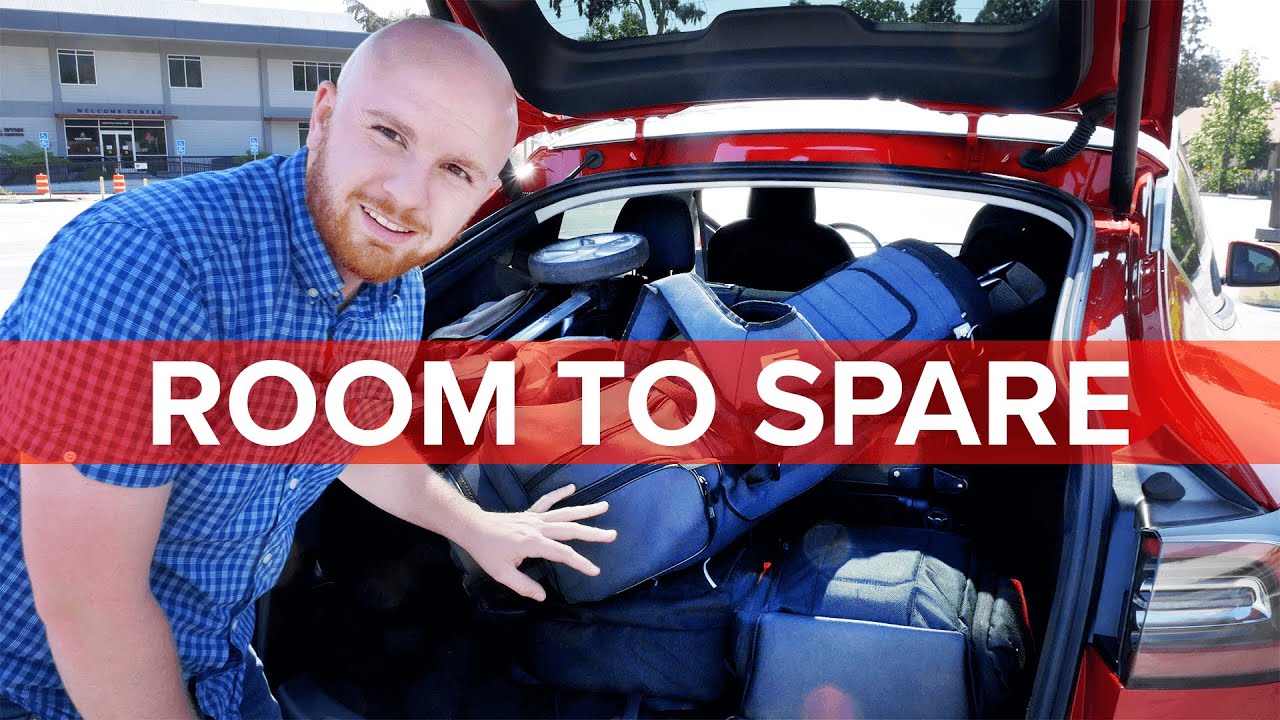
I moved a small one-bedroom apartment’s boxes in a Model Y by folding the rear seats and stacking medium boxes upright. The tall hatch made loading long boxes easy. For a weekend trip, I can fit four large suitcases, two backpacks, and a cooler in the main cargo area while using the frunk for shoes and small gear.
Mistakes I made that you can avoid:
- Don’t assume the frunk is waterproof; bag wet gear.
- Don’t overload the underfloor area with heavy items; it makes access awkward.
- If you own the 7-seat option, test folding procedure before a trip; it takes time and can trap cargo.
These hands-on notes answer more than the question "What is the cargo space of the Tesla Model Y?" — they show how to use it day to day.

Limitations, load limits, and special considerations
The Model Y is versatile, but it has limits you must respect.
- Payload limits: Total vehicle payload is set by Tesla. Don’t exceed it; check your sticker or owner manual.
- Tall item fit: The hatch opening height and seat geometry may limit very tall items even if cubic feet seem enough.
- Towing and roof load: Roof load limits and tow capacities affect how much gear you can safely carry externally.
- Variants and years: Trim level, optional third-row seats, and model year changes can alter cargo metrics. Always verify for your exact vehicle.
If your question is "What is the cargo space of the Tesla Model Y?" remember that usable space depends on options and how you pack. Numbers are a guide, not a guarantee.
Quick practical Q&A inside the article
What fits in the Model Y’s cargo area? A set of four checked suitcases and several soft bags fit easily with seats folded or three to four checked bags with seats up.
Can I carry long items like lumber? Yes, if you fold one or both rear seat sections to create a pass-through; measure length first.
Is the frunk useful? Yes, the frunk adds a few cubic feet and is ideal for small, clean items like chargers or a small bag.
Frequently Asked Questions of What is the cargo space of the Tesla Model Y?
What is the total cargo capacity of the Tesla Model Y with seats folded?
The total cargo capacity of the Tesla Model Y with the rear seats folded is about 68 cubic feet. This includes the main cargo area and additional storage spaces.
How much cargo space is available with the second row upright?
With the second row upright, the Model Y offers roughly 34 cubic feet of cargo space. Exact usable space varies by model year and any installed options.
Does the Model Y have a front trunk and how big is it?
Yes, the Model Y has a front trunk (frunk) that provides about 3 to 4 cubic feet of extra storage. It’s great for small, lightweight items or charging cables.
How does the optional third row affect cargo space?
Adding the optional third row significantly reduces cargo room. With the third row in place, rear cargo drops to a small space behind that row, and even folded seating may leave bumps and reduced flat area.
Can I carry long or tall items in the Model Y?
Yes, by folding one or both rear seat sections you can carry long items. Check internal length after folding, as wheel wells and seat backs limit exact usable dimensions.
Are the cargo numbers the same across all Model Y years?
Cargo numbers are similar across recent Model Y years, but slight changes may occur with new trims or packages. Always confirm specs for your specific model and year.
Is the cargo floor flat when seats are folded?
The rear seats fold nearly flat, creating a wide load area. Some slight bumps from latches or optional equipment may exist, depending on configuration.
Conclusion
Now you know the practical answer to "What is the cargo space of the Tesla Model Y?" — about 68 cubic feet with seats folded and roughly 34 cubic feet with seats up, plus a small frunk. Those numbers are useful, but real value comes from how you use the space. Try packing a mock load before a trip, use soft bags, and use underfloor and frunk areas wisely. If cargo matters in your daily life, test your exact model and practice folding seats and loading once or twice. If you found this helpful, share your packing tips or ask a question below — I’ll reply with hands-on advice and measurements.