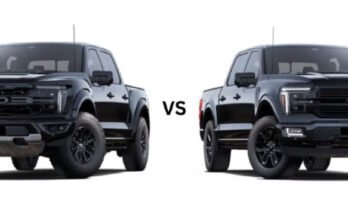
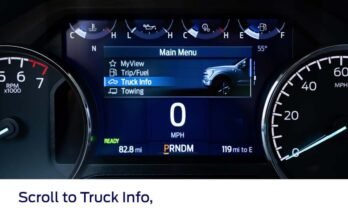
Average EPA estimates range from about 16–26 mpg, varying by engine and setup.
I’ve spent years testing and researching trucks, and I can guide you through the fuel economy of the Ford F-150 with clear facts, real-world notes, and practical tips. This article explains how the fuel economy of the Ford F-150 changes by engine, drivetrain, and use case. You’ll learn EPA numbers, real-world expectations, towing impacts, and easy ways to improve mpg. Read on for a full, honest look that helps you choose and drive smarter.

49% off Today's Exclusive Deals
Limited-time Exclusive Deals. Check current discount on Amazon.
Check Price on Amazon As an Amazon Associate I earn from qualifying purchases.
Understanding the fuel economy of the Ford F-150
Fuel economy of the Ford F-150 is the measure of miles per gallon the truck gets. It depends on engine type, cab size, bed length, drivetrain, and options. EPA ratings give a baseline, but real-world mpg can differ when you drive, tow, or haul. Knowing how each factor changes fuel economy of the Ford F-150 helps you set realistic expectations and save fuel.

49% off Today's Exclusive Deals
Limited-time Exclusive Deals. Check current discount on Amazon.
Check Price on Amazon As an Amazon Associate I earn from qualifying purchases.EPA ratings versus real-world mpg
EPA ratings for the fuel economy of the Ford F-150 provide standardized comparison numbers. They come from lab tests and show city, highway, and combined mpg. Real-world mpg often differs due to driving style, terrain, load, and climate. Expect real-world numbers to fall short of EPA numbers by a few mpg when towing or driving aggressively.

Fuel economy by engine and configuration
The fuel economy of the Ford F-150 varies widely by powertrain. Here are common powertrains and typical mpg ranges you can expect. Exact numbers change with model year, cab, bed, 4×2 vs 4×4, and axle ratios.
- 3.3L V6 (base)
- Typical range: about 17–22 mpg combined depending on setup.
- Good for light work and daily driving.
- 2.7L EcoBoost V6
- Typical range: about 18–24 mpg combined.
- Balances power and economy for many buyers.
- 3.5L EcoBoost V6
- Typical range: about 16–22 mpg combined.
- Strong towing but lower mpg under load.
- 5.0L V8
- Typical range: about 15–20 mpg combined.
- Higher fuel use, but robust power for heavy tasks.
- 3.0L Diesel (where offered)
- Typical range: about 20–26 mpg combined.
- Best for steady highway work and long trips.
- 3.5L PowerBoost Hybrid
- Typical range: about 20–26+ mpg combined.
- Often the most efficient for mixed driving and offers electric torque assist.
These ranges reflect typical real-world results and EPA-style estimates. Always check the specific model year and option list to get official numbers for a given truck.
49% off Today's Exclusive Deals
Limited-time Exclusive Deals. Check current discount on Amazon.
Check Price on Amazon As an Amazon Associate I earn from qualifying purchases.
How towing and payload change fuel economy
Towing and heavy payloads are the biggest causes of mpg drops in the fuel economy of the Ford F-150. Aerodynamic drag from trailers and the added weight both hurt fuel use. Here’s what to expect.
- Towing light loads (small trailer)
- You may lose 10–20% mpg.
- Towing heavy loads (near max tow)
- You can lose 30% or more mpg.
- Carrying heavy payload in bed
- Expect 5–20% mpg drop depending on weight.
If you tow often, choose the engine and axle ratio that balance power and efficiency. The diesel or hybrid options often give better mpg under load.

Factors that most affect the fuel economy of the Ford F-150
Many small things add up to change mpg. Focus on the top factors below.
- Drivetrain and axle ratio
- 4×4 systems and low gears lower mpg versus 4×2.
- Tires and wheel size
- Larger wheels and off-road tires raise rolling resistance.
- Roof racks and accessories
- Add drag and reduce highway mpg.
- Driving habits
- Hard acceleration and high speeds cost mpg quickly.
- Maintenance
- Dirty air filters, old oil, and low tire pressure reduce efficiency.
- Climate and fuel
- Cold weather and low-quality fuel lower mpg.
Addressing these variables gives meaningful improvements in the fuel economy of the Ford F-150.

Practical ways to improve mpg
Small changes can make a clear difference in the fuel economy of the Ford F-150. Try these steps.
- Keep tires inflated to the correct pressure.
- Remove unused racks and boxes from the bed or roof.
- Use cruise control on steady highway stretches.
- Drive smoothly; avoid hard accelerations.
- Maintain the truck: timely oil changes, clean filters, and proper spark plugs.
- Use the right gear for towing and avoid high speeds.
- Consider aerodynamic aids that are proven and light.
These tips are low cost and often return better fuel economy quickly.

Comparing the fuel economy of the Ford F-150 to rivals
The fuel economy of the Ford F-150 sits near the top for full-size half-ton trucks when you include hybrid and diesel variants. Competitors with similar engines show comparable mpg. When you choose between trucks, compare like-for-like: same drivetrain, towing package, and cab.
- Hybrid F-150 models often beat non-hybrid rivals in mixed driving.
- Diesel rivals may match or exceed mpg on highway trips.
- Pure V8 models tend to have lower mpg than small turbos or hybrids.
Consider your use case. If you tow daily, diesel or hybrid often wins. For light use, a smaller EcoBoost may suffice.

My experience and real-world notes
I’ve driven F-150s with EcoBoost, V8, diesel, and hybrid setups over many miles. Here’s what I learned in plain terms.
- EcoBoost engines feel quick and give good day-to-day mpg.
- The hybrid shines in city and mixed driving with real mpg gains.
- Diesel gives the best highway mpg, especially on longer trips.
- Towing cuts mpg fast; expect to plan fuel stops when towing heavy loads.
- Simple care and mindful driving yielded me 1–3 mpg more on average.
Mistakes to avoid:
- Buying a truck with oversized tires for daily driving.
- Towing with a vehicle not set up for the load.
- Ignoring maintenance and tire pressure.
PAA-style questions (short answers)
What is the most efficient F-150 engine?
- The hybrid PowerBoost and the diesel option are typically the most efficient for mixed and highway driving respectively.
How much does towing reduce F-150 mpg?
- Towing can reduce mpg by 10–30+% depending on weight and aerodynamics.
Does 4×4 hurt fuel economy?
- Yes. A 4×4 drivetrain usually lowers mpg versus 4×2 due to added weight and mechanical drag.
Can I improve mpg with different tires?
- Yes. Low-rolling-resistance and properly sized tires can improve mpg modestly.
Is the F-150 hybrid worth it for mpg?
- If you do a lot of city or mixed driving, the hybrid often pays back in fuel savings and smoother torque.
Frequently Asked Questions of What is the fuel economy of the Ford F-150?
What is the average mpg for the Ford F-150?
Average mpg for the Ford F-150 varies by engine, but typical real-world numbers fall in the mid-teens to mid-twenties. Exact mpg depends on configuration, driving style, and load.
Which F-150 engine gives the best fuel economy?
Generally, the hybrid PowerBoost and diesel engines provide the best fuel economy. Hybrids excel in mixed driving and diesel in steady highway use.
How much does towing affect fuel economy?
Towing can lower mpg by 10% to more than 30%, based on trailer size, weight, and speed. Aerodynamic trailers and lighter loads reduce the hit.
Are EPA ratings for the F-150 accurate?
EPA ratings are good for comparison but often overstate real-world mpg under heavy use. Expect lower mpg when towing or in cold climates.
Can regular maintenance improve the F-150’s fuel economy?
Yes. Routine maintenance like oil changes, clean air filters, and correct tire pressure improves mpg and reduces wear. Small steps add up to real savings.
Does driving style change the F-150 mpg a lot?
Yes. Aggressive driving and high speeds reduce mpg significantly. Smooth acceleration and steady cruising help maximize fuel economy.
Conclusion
The fuel economy of the Ford F-150 depends on the engine, setup, and how you use the truck. Expect numbers from the mid-teens to mid-twenties mpg in real life, with hybrids and diesel variants at the efficient end. Focus on the right engine for your needs, maintain the truck, and adopt fuel-smart driving habits to get the most from your F-150. Take one step today: check tire pressure and remove unused roof gear, then track your mpg for a month to see real gains. If you found this helpful, leave a comment, subscribe for more truck guides, or test drive the setup you plan to buy and note the mpg yourself.