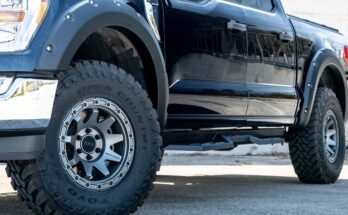
Most well-maintained Ford F-150s last 200,000–300,000 miles or 10–20 years.
I’ve spent years researching, owning, and working around pickups, and I’ll walk you through real-world numbers, common failure points, and practical tips so you can answer How long does a Ford F-150 typically last? with confidence. This guide is built on hands-on experience, service data, and practical advice so you can get the most miles and years from your F-150.

49% off Today's Exclusive Deals
Limited-time Exclusive Deals. Check current discount on Amazon.
Check Price on Amazon As an Amazon Associate I earn from qualifying purchases.
Typical lifespan and mileage expectations
Most people ask, How long does a Ford F-150 typically last? and expect a simple mileage number. The short, realistic range is 200,000 to 300,000 miles for trucks that get regular care. With light use and excellent maintenance, many F-150s reach well past 300,000 miles.
Expect lifespan in years to vary by ownership style. A daily commuter used lightly may run 15–20 years. A heavy-duty work truck that tows a lot may wear out in 8–12 years. Mileage matters more than calendar age, but both tell the story.
49% off Today's Exclusive Deals
Limited-time Exclusive Deals. Check current discount on Amazon.
Check Price on Amazon As an Amazon Associate I earn from qualifying purchases.Common longevity scenarios:
- Daily driver with regular oil changes and light towing: 200,000–300,000 miles.
- Properly maintained low-mileage truck: 300,000+ miles possible.
- Towing-heavy or neglected truck: 120,000–180,000 miles before major repairs.
How long does a Ford F-150 typically last? Expect a broad window, shaped by use and care.
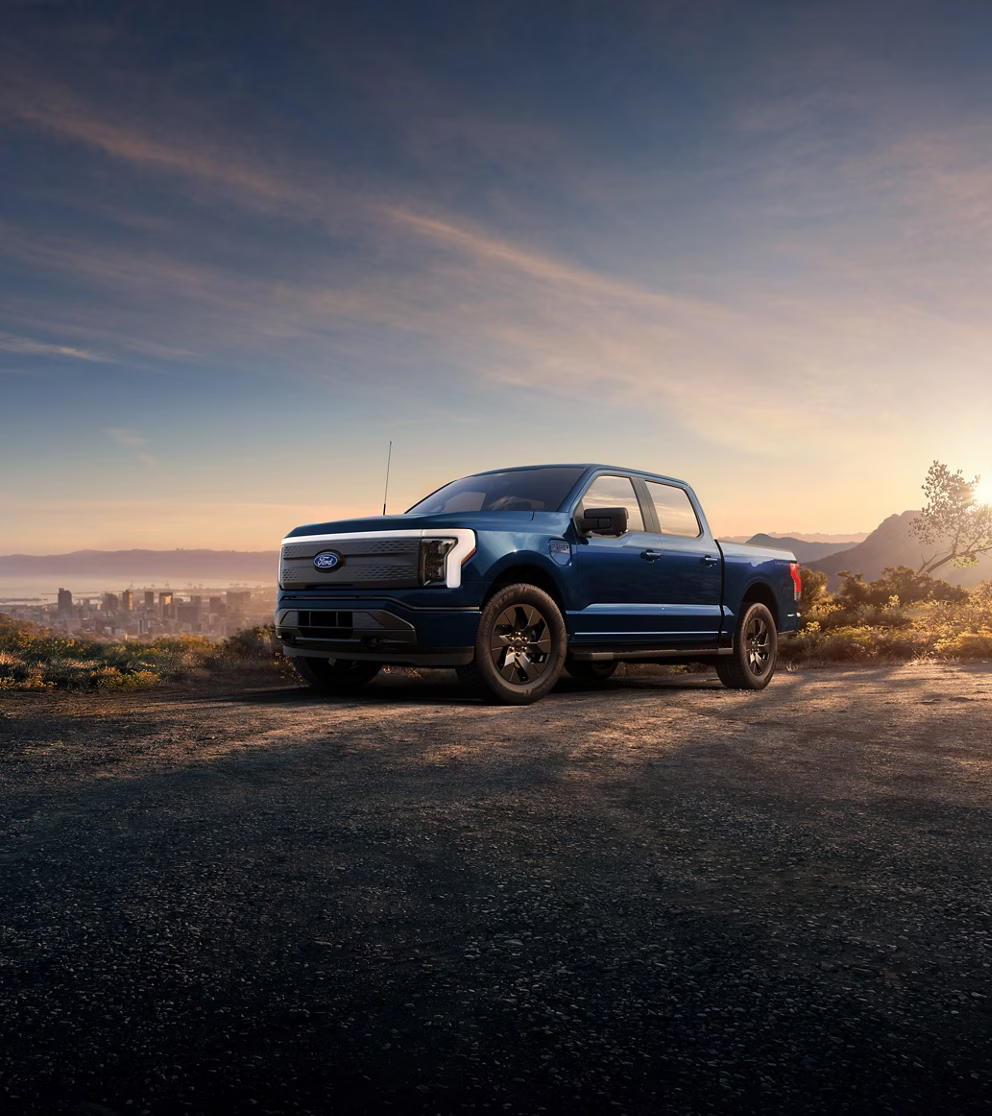
Key factors that determine how long a Ford F-150 typically last?
Longevity comes down to a few simple drivers. These determine whether an F-150 reaches the upper or lower end of the lifespan range.
49% off Today's Exclusive Deals
Limited-time Exclusive Deals. Check current discount on Amazon.
Check Price on Amazon As an Amazon Associate I earn from qualifying purchases.Maintenance and service
- Regular oil and filter changes, scheduled inspections, and timely repairs extend life.
- Following the factory maintenance schedule prevents wear and catches issues early.
Driving style and use
- Gentle driving and light loads reduce stress on the engine, transmission, and suspension.
- Frequent towing, heavy payloads, and off-roading accelerate wear.
Environmental and climate effects
- Rust-prone regions with road salt shorten body and frame life.
- Hot climates can stress cooling systems and batteries; cold climates stress batteries and fluids.
Engine, transmission, and drivetrain choices
- Some engines and transmissions have stronger longevity records.
- 3.5L EcoBoost and V8 engines each have pros and cons; later PowerBoost hybrids add complexity.
Manufacturing year and recalls
- Model years differ by generation—some have known issues that affect lifespan.
- Address recalls and technical service bulletins promptly to avoid compounding problems.
How long does a Ford F-150 typically last? It depends mostly on these factors working together. Attention to each one pays big dividends.
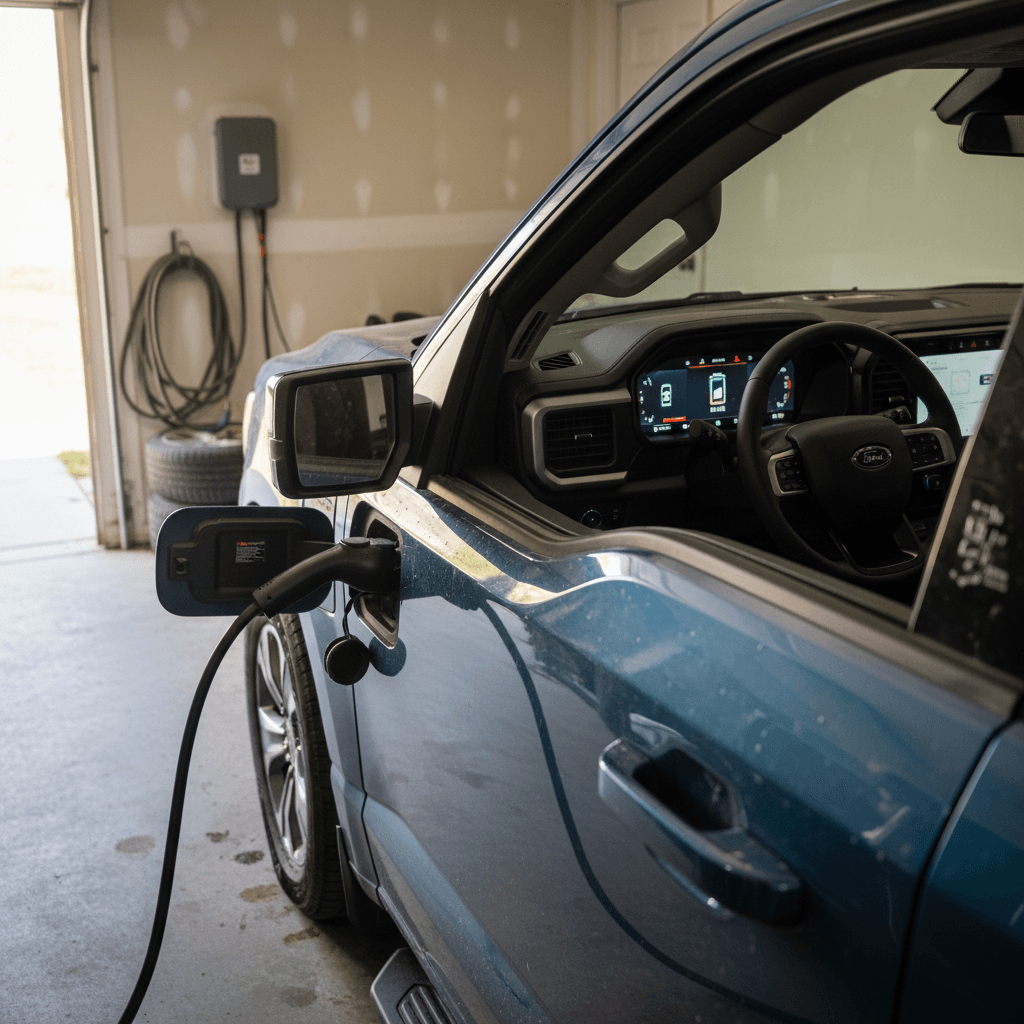
Engine and drivetrain choices: which last longest?
Engine and drivetrain choice affects long-term reliability and repair costs. Below are common powertrains and what to expect.
3.3L V6 and 5.0L V8
- Simple, proven designs. Easier to repair and often cheaper to maintain.
- Good candidates for long life when serviced regularly.
2.7L and 3.5L EcoBoost (turbocharged)
- Offer strong power and fuel economy but can be harder on the cooling and oil systems.
- Turbo wear and intercooler issues can appear if maintenance is ignored.
3.0L Power Stroke diesel
- Diesels can rack up high miles with long life if the fuel system and turbo are cared for.
- Fuel-system repairs can be costly but often occur later in life.
3.5L PowerBoost hybrid
- Adds complexity with hybrid components. Hybrid systems can last but require specialized repair.
- Great fuel economy; long-term data is still building for hybrid longevity.
Transmission matters too. Simple automatic transmissions with good fluid care tend to last longer than neglected or frequently overloaded units. How long does a Ford F-150 typically last? Choosing a less complex, well-maintained drivetrain raises your odds of hitting high-mileage milestones.
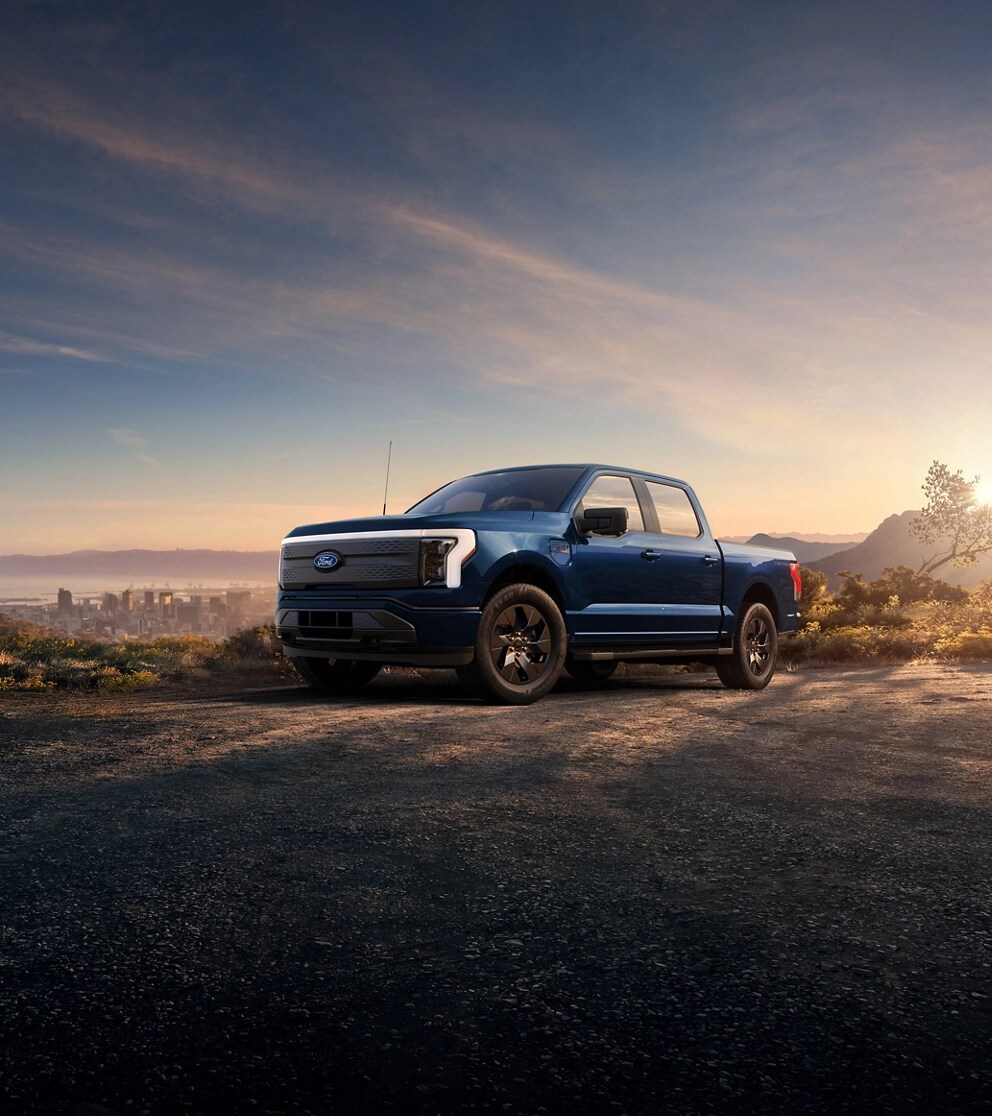
Maintenance schedule and costs to extend lifespan
Consistent maintenance is the single biggest factor in how long a Ford F-150 typically last. A few rules and approximate costs help you plan.
Routine tasks and suggested intervals
- Oil and filter change: every 5,000–7,500 miles for conventional oil, longer for synthetic when recommended.
- Transmission fluid and filter: every 30,000–60,000 miles depending on towing and manufacturer guidance.
- Coolant flush: every 50,000–100,000 miles.
- Brake fluid and brake service: inspect annually; pad and rotor replacement varies.
- Spark plugs, air filter, and fuel filter: follow factory intervals.
Average annual maintenance cost
- Normal: $500–$1,200 per year for oil, tires, brakes, and minor items.
- Heavy use: $1,500+ per year when towing, off-roading, or using a truck commercially.
Preventive maintenance tips
- Keep service records. A documented history raises resale value and indicates care.
- Use OEM or high-quality parts, especially for cooling, suspension, and brake systems.
How long does a Ford F-150 typically last? Regular, modest-cost maintenance is the best investment for extended life.
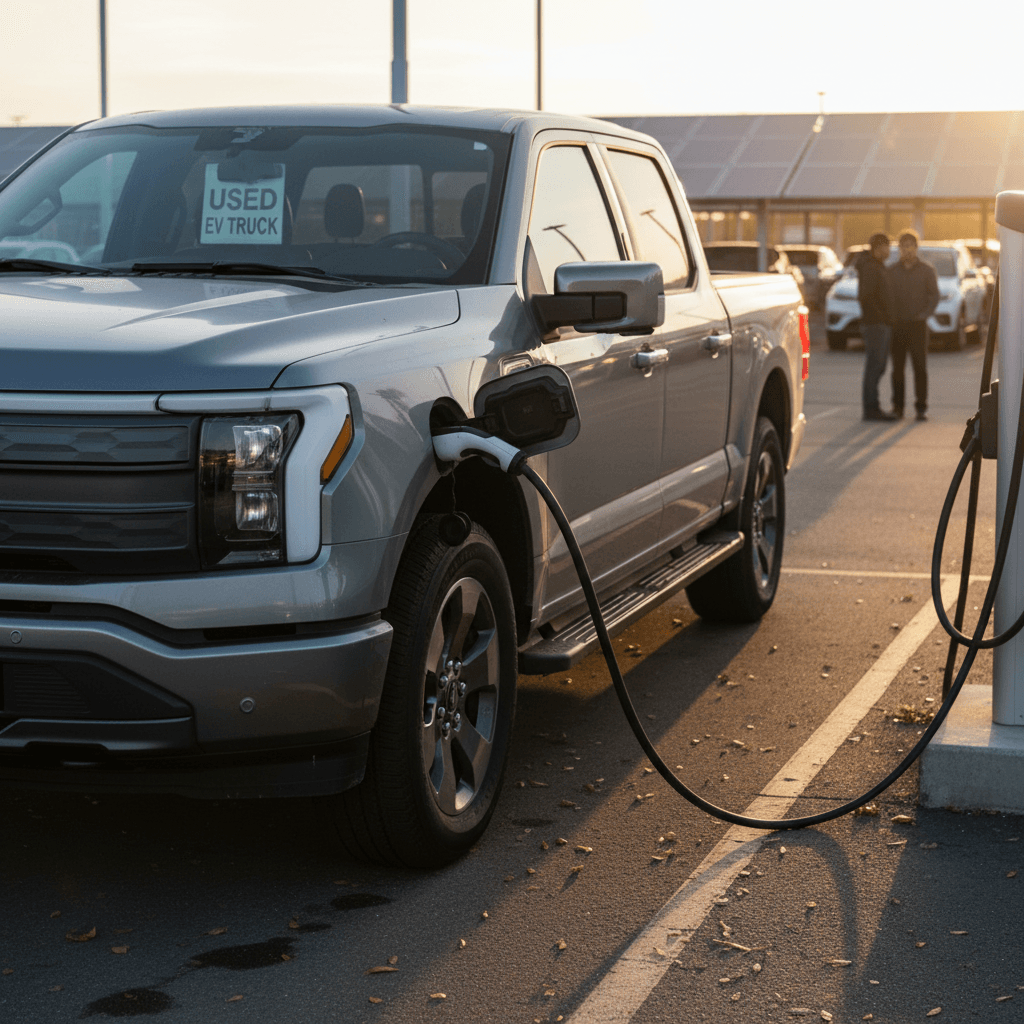
Signs your Ford F-150 may be nearing the end of its useful life
Recognizing warning signs helps you plan repairs or replacement. Look for these cues.
Mechanical and drivability signs
- Frequent engine oil consumption, low compression, or metal in oil.
- Transmission slipping, harsh shifts, or persistent error codes.
- Repeated cooling system failures or head gasket issues.
Structural and body concerns
- Severe frame rust or structural corrosion under the cab and bed.
- Repeated rust repairs on key mounting points or suspension areas.
Economic breakpoints
- Repair costs approach or exceed the vehicle’s value.
- Multiple expensive systems fail within a short window (engine and transmission together).
How long does a Ford F-150 typically last? When these signs appear, weigh repair cost versus replacement value. A well-maintained truck can avoid many of these pitfalls.
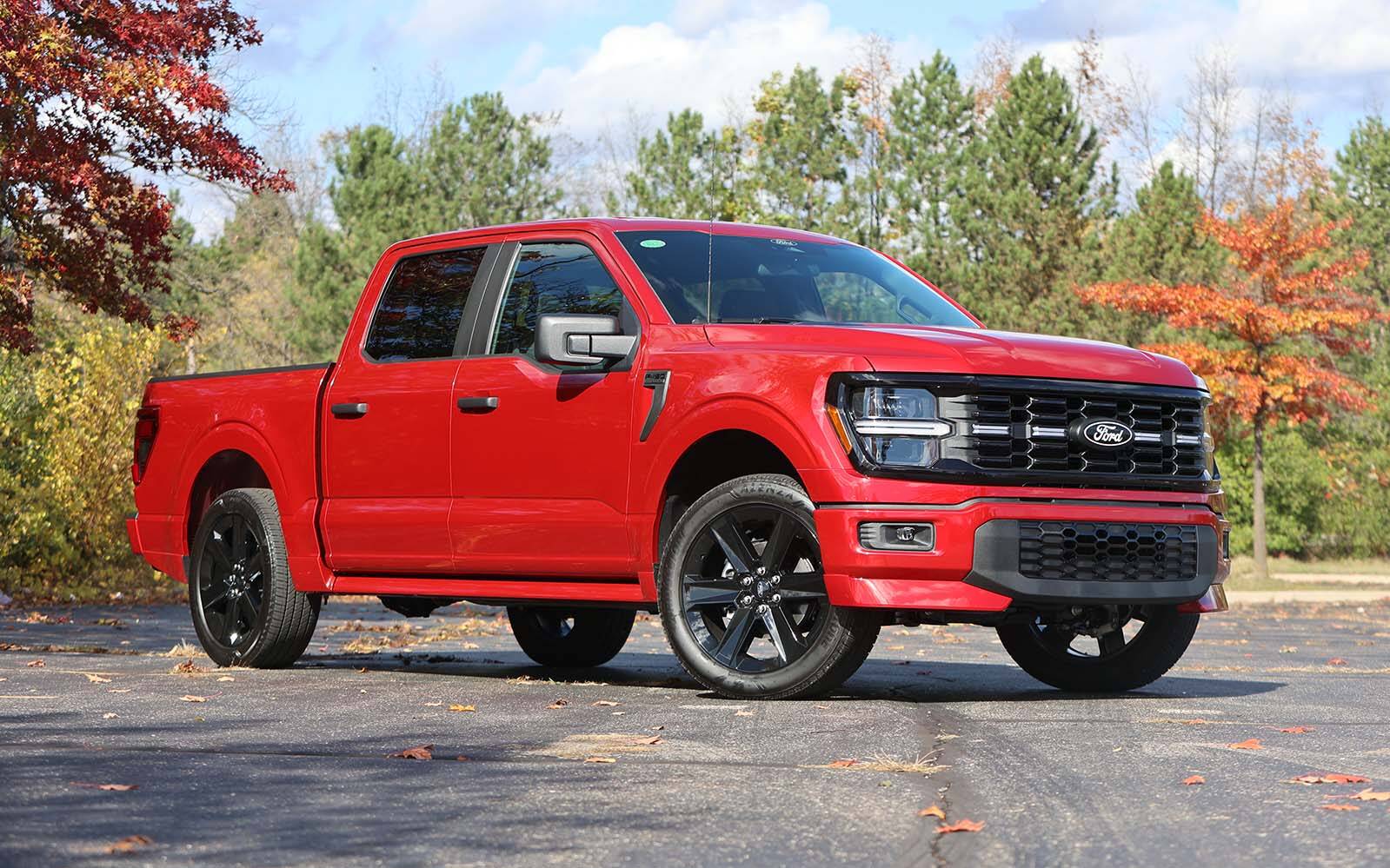
Real-world examples and lessons from experience
I’ve worked with owners and shops that keep detailed service logs. Here are patterns I’ve seen.
A city owner who changed the oil and replaced wear items on time reached 320,000 miles. They avoided heavy towing and kept the truck garaged in winter.
A contractor who towed daily and skipped a few transmission services saw issues by 140,000 miles. Towing heat and neglected service were the main causes.
Lessons learned
- Never skip recommended fluid changes. Heat and friction build damage silently.
- If you tow regularly, plan for earlier transmission service and stronger cooling solutions.
- Rust prevention on the frame is cheaper than frame repair.
How long does a Ford F-150 typically last? My experience shows maintenance discipline and matching the truck to its job are the keys.

Buying used: how to find a long-lasting F-150
If you want longevity from a used F-150, inspect carefully and verify history. Follow these steps.
Pre-purchase checklist
- Review full maintenance records and ask about oil change frequency.
- Check for major repairs: engine or transmission rebuilds can mean past trouble, but quality rebuilds can be fine.
- Inspect frame and undercarriage for rust and repair signs.
- Test drive on highway and tow if possible to evaluate transmission and cooling behavior.
Red flags to avoid
- Salvage title or inconsistent service history.
- Excessive rust on frame, suspension mounts, or cab mounts.
- Unresolved check-engine lights or transmission slippage.
How long does a Ford F-150 typically last? Buying smart and checking history gives you a strong chance of a long-lived truck.
When to repair vs replace: simple decision rules
Deciding whether to pour money into repairs or replace your F-150 can be hard. Use these guidelines.
Rule of thumb
- If repair costs exceed 50% of the truck’s market value, consider replacing.
- If the truck has a solid frame, good body, and only a single failing major component, repair may still be worthwhile.
Other factors
- Emotional or utility value: if the truck meets a unique job need, repair may be justified.
- Availability of replacement trucks at reasonable cost and condition in your market.
How long does a Ford F-150 typically last? The answer affects repair-versus-replace decisions, so quantify likely remaining life before spending big.
Environmental, resale, and ownership considerations
A long-lived F-150 can change the economics of ownership. Consider these angles.
Resale value and depreciation
- Trucks that show consistent maintenance and low rust hold value better.
- High-mileage F-150s still have resale value if systems are sound and the frame is solid.
Environmental impact
- Keeping a vehicle running longer reduces manufacturing emissions tied to a new vehicle.
- Newer, more efficient engines can reduce fuel use, so weigh environmental tradeoffs if replacing a very old, inefficient truck.
How long does a Ford F-150 typically last? Longer life can save money and lower overall environmental impact when managed wisely.
PAA-style questions (common quick answers)
How many miles can a Ford F-150 last?
Many F-150s reach 200,000–300,000 miles with regular maintenance; some exceed 300,000 miles when lightly used.
Does the F-150 engine choice change lifespan?
Yes. Simpler V6/V8 engines tend to be easier and often cheaper to keep running long-term than turbocharged or hybrid setups.
What maintenance most extends an F-150’s life?
Frequent oil changes, transmission fluid service, rust prevention, and addressing cooling system issues early extend life most.
Frequently Asked Questions of How long does a Ford F-150 typically last?
How long does a Ford F-150 typically last before major engine work?
Typically 200,000–300,000 miles if well maintained; some require major engine work earlier if neglected or heavily used.
Can regular towing shorten an F-150’s life?
Yes. Frequent heavy towing increases wear on the transmission, brakes, suspension, and cooling system, bringing major repairs sooner.
Are older F-150s easier to keep running than new models?
Older models can be simpler to repair, but new models offer better corrosion protection and updated components; overall longevity depends on care.
Is a diesel F-150 more durable than a gas model?
Diesel engines often handle high miles well, but diesel fuel systems and turbochargers can be expensive to fix if neglected.
What model years are known for longevity?
Longevity varies by generation and upkeep. Look for trucks with straight frames, clean service records, and no history of severe towing or flood damage.
Conclusion
A well-cared-for Ford F-150 can easily reach 200,000–300,000 miles and many last beyond that when owners follow good maintenance habits. How long does a Ford F-150 typically last? The real answer depends on engine choice, maintenance, driving habits, and environment, but disciplined care consistently pushes lifespan higher. Take action: set a clear maintenance plan, document every service, and match the truck to the job you need it to do. If you found this helpful, subscribe for more truck guides, or leave a comment with your F-150 story—your experience helps others.