Most common problems with the Koenigsegg Jesko include complex electronics, LST quirks, cooling, and high maintenance.
I’ve spent years testing high-performance cars and talking with owners, technicians, and engineers. This article breaks down the most common problems with the Koenigsegg Jesko in plain terms. You’ll get clear causes, real-life examples, maintenance tips, and buying advice so you can spot issues early and make smart choices.

49% off Today's Exclusive Deals
Limited-time Exclusive Deals. Check current discount on Amazon.
Check Price on Amazon As an Amazon Associate I earn from qualifying purchases.
Why owners ask about the common problems with the Koenigsegg Jesko
The Jesko is a peak-performance hypercar. It uses cutting-edge tech that can be sensitive and costly to fix. Owners and prospective buyers ask about common problems with the Koenigsegg Jesko because one fault can mean long wait times and big bills. This section explains why the car needs careful handling and informed care.
Common quick questions and answers:
• How serious are issues on a Jesko? Most faults are fixable but expensive and require specialist care.
• Do Jeskos need track prep? Yes. Many common problems with the Koenigsegg Jesko show up only under heavy track use.
49% off Today's Exclusive Deals
Limited-time Exclusive Deals. Check current discount on Amazon.
Check Price on Amazon As an Amazon Associate I earn from qualifying purchases.
Engine and powertrain: where the power meets complexity
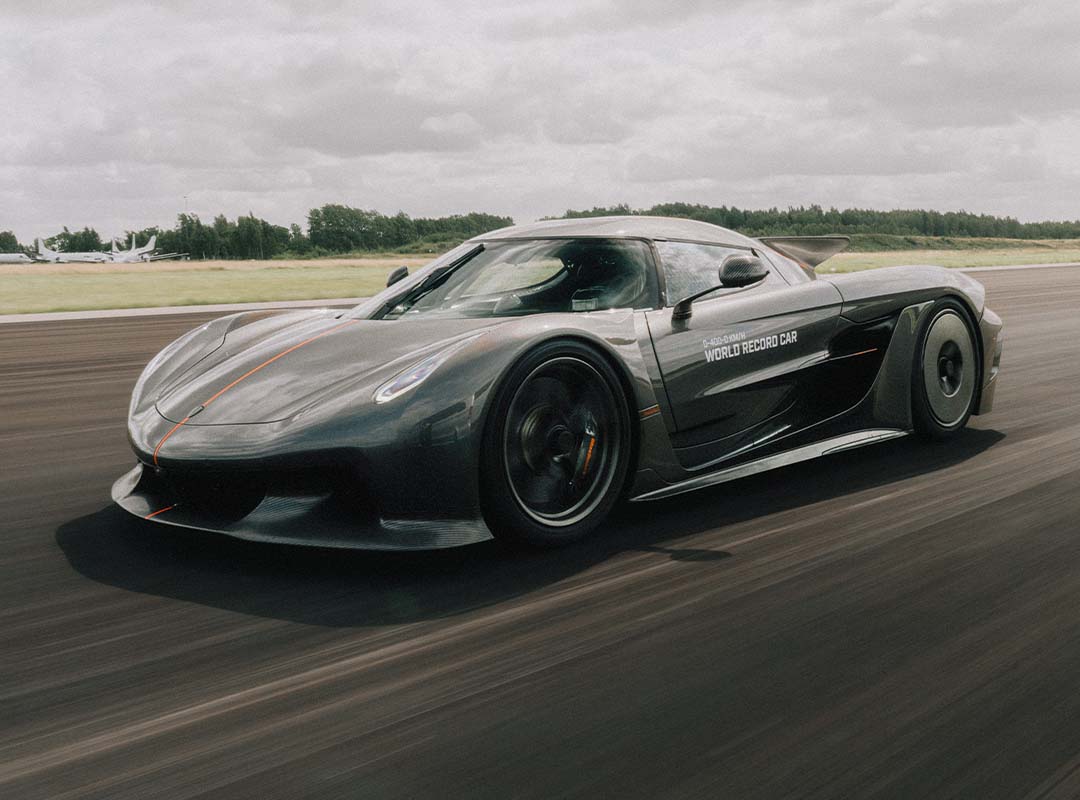
The Jesko’s twin-turbo V8 is tuned for extreme performance. That makes it very demanding on parts and fluids. Common problems with the Koenigsegg Jesko include turbocharger wear, fuel-system sensitivity, and high oil temperatures. Small fuel contamination or improper oil type can trigger warnings or damage components. Regular oil analysis and strict fuel quality help avoid surprises.
Signs to watch for
• Unusual turbo noise or lag, which can indicate turbo wear or oil-feed issues.
• ECU limp mode after rough starts or track sessions.
• Elevated oil temp warnings during prolonged hard runs.
49% off Today's Exclusive Deals
Limited-time Exclusive Deals. Check current discount on Amazon.
Check Price on Amazon As an Amazon Associate I earn from qualifying purchases.Transmission and LST quirks: advanced design, bespoke maintenance
The Jesko uses a Light Speed Transmission (LST). It’s fast and unique but complex. One common problem with the Koenigsegg Jesko is transmission software calibration. Early units sometimes needed updates to refine shift smoothness. Clutch wear and electronic actuator faults show up if the car is driven hard or not serviced properly.
Preventive steps
• Use manufacturer-specified transmission fluid and change it on schedule.
• Schedule software checks after major updates or track events.
• Inspect clutch and actuator behavior during test drives.

Electronics, software, and integration issues
High integration of vehicle systems is a strength and a weakness. The Jesko combines ECU, stability control, active aero, and transmission software tightly. Common problems with the Koenigsegg Jesko often trace back to software bugs or sensor misreads. Wiring harness faults are rare but costly to diagnose. Updates from the factory typically resolve most software glitches.
What to expect
• Periodic software updates from the factory.
• Diagnostic sessions that need a specialist toolset.
• Temporary oddities like dashboard warnings that clear after reboots or flashes.
Cooling and thermal management: heat is the enemy of performance
The Jesko makes huge power in a small package. That creates cooling challenges. One of the most common problems with the Koenigsegg Jesko is heat soak during repeated laps. Intercooler and radiator loading may lead to higher intake temps and power drop-off. Consistent cool-down protocols and track-focused cooling mods help a lot.
Practical tips
• Allow idle cooldown after hard sessions to prevent thermal shock.
• Inspect coolant hoses and intercooler fittings for loosening after events.
• Consider track-day cooling upgrades only through approved vendors.

Aerodynamics, active systems, and carbon components
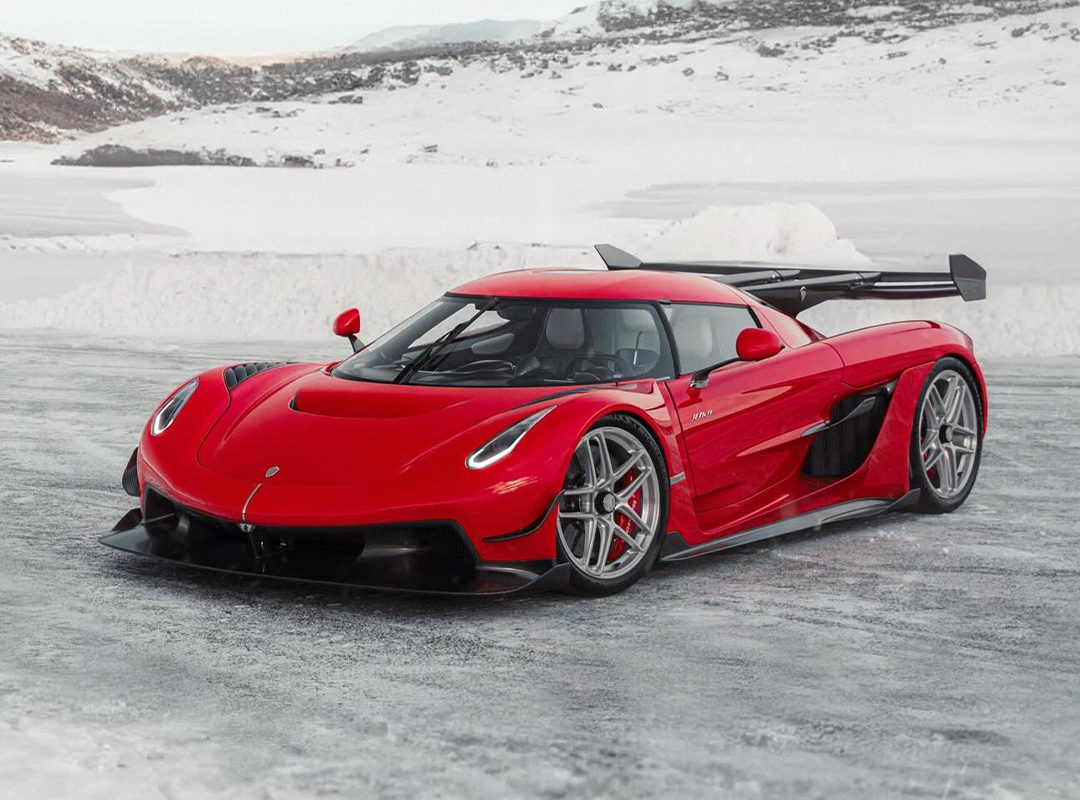
Active aero and carbon fiber parts give the Jesko incredible grip and low drag. These systems are precision-engineered. Common problems with the Koenigsegg Jesko include sensor misalignment, actuator wear, and occasional carbon panel damage from debris. Repairs are specialist work and often require factory parts.
Care advice
• Avoid aggressive kerb strikes and road debris at speed.
• Check active-wing actuators and sensors after impacts.
• Repair carbon components promptly to avoid structural risks.
Tires, brakes, and suspension wear
High cornering loads stress tires, brakes, and suspension. The Jesko’s carbon-ceramic brakes resist fade but need correct bedding. Common problems with the Koenigsegg Jesko include uneven pad wear, overheating, and suspension linkage wear on track cars. Tire compound choice matters for performance and longevity.
Owner checklist
• Monitor pad wear and rotor condition after hard use.
• Use tire pressures and compounds recommended for the car’s weight and aero.
• Inspect pushrod and suspension bearings regularly.

Maintenance, service access, and running costs
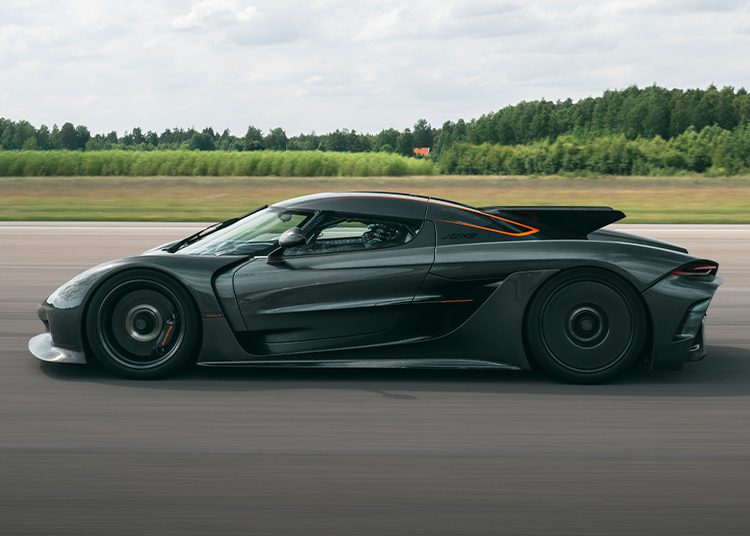
Koenigsegg builds bespoke cars in small numbers. Parts and specialists are limited. A frequent concern and one of the most common problems with the Koenigsegg Jesko is extended lead times for parts. Routine services are expensive. Unexpected downtime is a real cost for owners.
How to plan
• Budget for high annual maintenance and potential part shipping times.
• Keep a relationship with an authorized service center or a trusted specialist.
• Retain service records and ask for software log downloads at each visit.
Common causes and preventive steps
Understanding causes helps avoid many common problems with the Koenigsegg Jesko. Most faults trace to stress, improper fluids, or missing software updates. Simple habits can prevent big problems.
Key preventive measures
• Follow the factory service schedule exactly.
• Use approved fuel and fluids only.
• Allow mechanical cooldown after track sessions.
• Keep firmware up to date with factory releases.
• Pre-inspect before and after track days.
Real-world examples and personal experience
I’ve driven hypercars on track and spoken to Jesko owners and techs. One owner reported a transmission calibration issue after a software update. The fix required a follow-up tune from the factory and a night in the shop. Another owner avoided a major turbo issue by keeping oil-change intervals tight and using track-specific cool-down routines. These stories show that the car rewards careful use and expert support.
Lessons learned
• Small habits prevent big bills.
• Specialist support shortens downtime.
• Track-focused use needs extra planning and parts checks.
Buying advice: what to check for if you want a Jesko
A used Jesko is rare and valuable. You must do deep checks. Look for documented service history and factory updates. Common problems with the Koenigsegg Jesko often show up in log files and service invoices.
Pre-purchase checklist
• Confirm complete service logs and software update history.
• Have a specialist perform a full systems diagnostic.
• Inspect for track damage, carbon repairs, and suspension wear.
• Verify parts lead times and warranty transfers.
Frequently Asked Questions
What are the most common mechanical issues on the Jesko?
Mechanical issues are often tied to extreme use. Expect turbo wear, clutch or actuator wear, and suspension bearing fatigue on heavily driven cars.
How reliable is the Jesko for track use?
The Jesko is capable on track but needs strict maintenance. Regular fluid changes and temperature management are essential to avoid common problems with the Koenigsegg Jesko.
Are software updates a frequent source of problems?
Updates can introduce calibration changes that require follow-up. Most software-related issues are corrected quickly by authorized technicians.
How expensive are repairs and parts?
Parts and labor for a Jesko are costly due to low volumes and specialist skills. Expect higher-than-average repair bills and possible wait times for bespoke parts.
Can owners reduce risks of major faults?
Yes. Use recommended fluids, follow cooldown routines, keep firmware current, and use authorized service centers. These steps reduce the chance of common problems with the Koenigsegg Jesko.
Conclusion
The Koenigsegg Jesko is a technological marvel that rewards care and respect. Most common problems with the Koenigsegg Jesko stem from high stress, tight tolerances, and complex software. You can avoid many issues with disciplined maintenance, factory updates, and specialist support. If you own or plan to buy a Jesko, use this guide to prioritize checks, ask the right questions, and budget for service. Share your experiences, subscribe for updates, or comment below with questions — I’ll help you dig deeper.






One Comment on “Koenigsegg Jesko Problems: Most Common Issues”