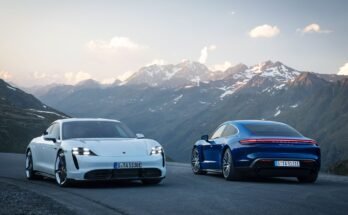
Tesla Model 3: crash protection, active driver assists, Autopilot, airbags, and collision avoidance.
I’ve spent years testing and explaining electric cars, and I’ll walk you through exactly what safety systems Tesla builds into the Model 3. This article answers What safety features are included in the Tesla Model 3? in plain language, with real examples, ratings, and practical tips so you can decide with confidence.

49% off Today's Exclusive Deals
Limited-time Exclusive Deals. Check current discount on Amazon.
Check Price on Amazon As an Amazon Associate I earn from qualifying purchases.
Overview: safety philosophy and core systems
Tesla designs the Model 3 around crash protection, active avoidance, and driver monitoring. The car blends a strong physical structure with sensors, cameras, radar, and software. Ask yourself: What safety features are included in the Tesla Model 3? You’ll find airbags, crumple zones, active braking, lane assists, and Autopilot-based aids working together.
49% off Today's Exclusive Deals
Limited-time Exclusive Deals. Check current discount on Amazon.
Check Price on Amazon As an Amazon Associate I earn from qualifying purchases.Structural and passive safety: built-in protection
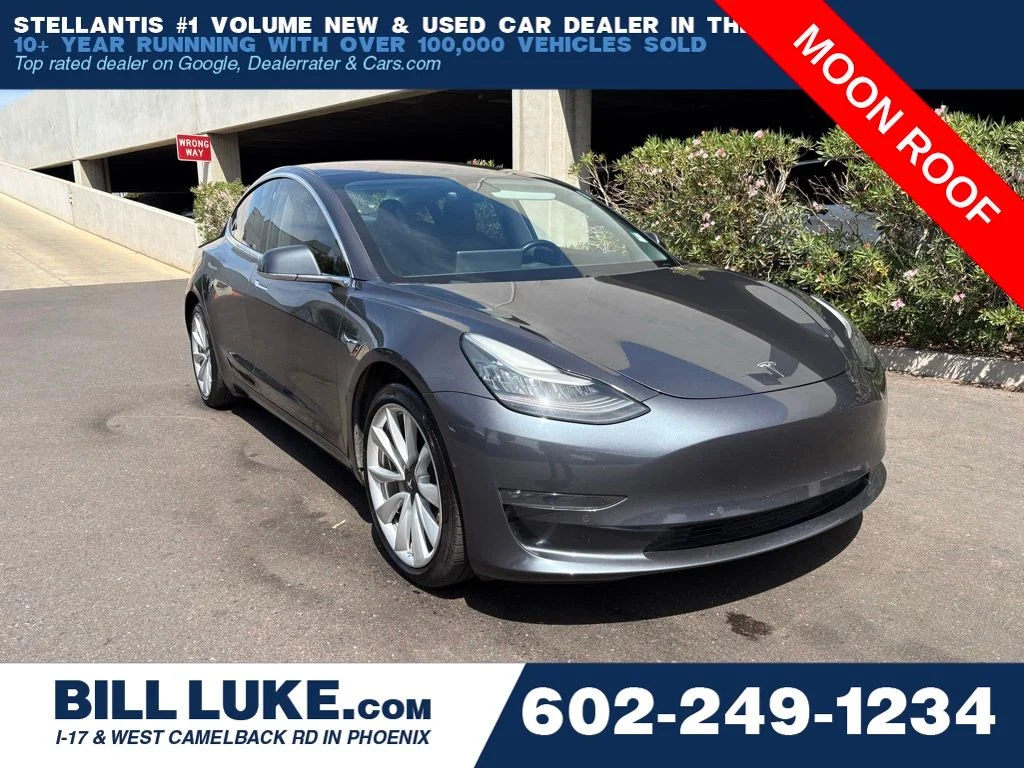
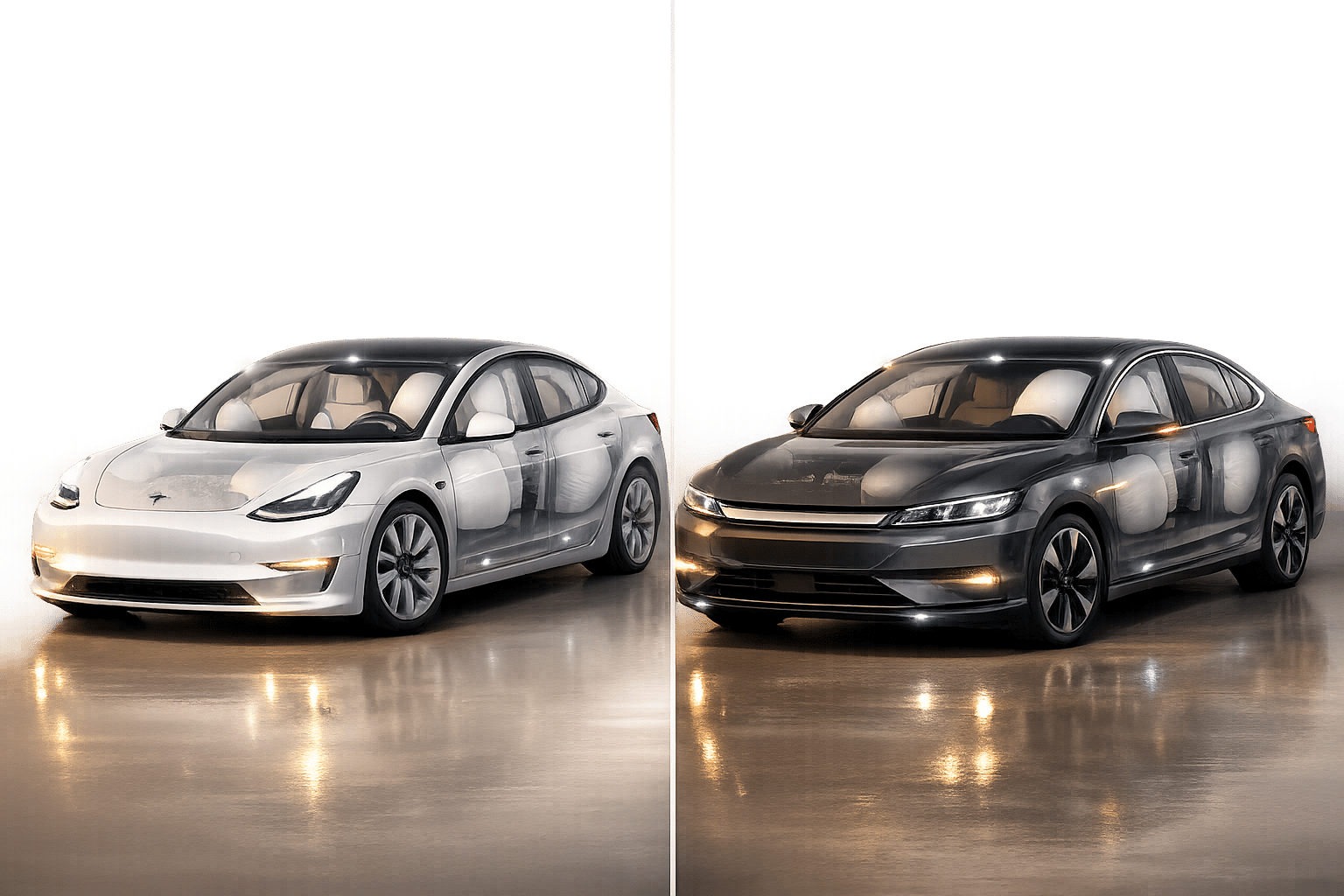
The Model 3 uses a low center of gravity and an aluminum-steel mix to protect passengers. It has multiple airbags, reinforced passenger cell, and engineered crumple zones to absorb impact. What safety features are included in the Tesla Model 3? They include front, side, curtain, and knee airbags plus seatbelt pre-tensioners for occupant protection.
Active safety systems: preventing crashes before they happen
Active systems watch the road and act fast. Key systems include:
- Automatic Emergency Braking (AEB) that warns and brakes for imminent collisions.
- Collision Warning with visual and audible alerts.
- Blind Spot Monitoring and Cross Traffic Alert to catch side and rear threats.
What safety features are included in the Tesla Model 3? These active systems form a safety net that can reduce crash severity or avoid crashes entirely.

49% off Today's Exclusive Deals
Limited-time Exclusive Deals. Check current discount on Amazon.
Check Price on Amazon As an Amazon Associate I earn from qualifying purchases.Driver assistance and Autopilot: how they help and limits
Autopilot and Full Self-Driving (FSD) packages add lane keeping, adaptive cruise, and automated lane changes in supported areas. Autopilot uses cameras, ultrasonic sensors, and neural-net processing to steer and brake within limits. What safety features are included in the Tesla Model 3? The key ones are Traffic-Aware Cruise Control, Autosteer, Navigate on Autopilot, and Active Lane Change—tools that reduce driver workload but do not replace attention.
Sensors and software: cameras, radar, and neural nets
The Model 3 runs multiple cameras around the car plus ultrasonic sensors and a forward radar in older builds. Machine learning models fuse this data to track vehicles, pedestrians, and obstacles. What safety features are included in the Tesla Model 3? The answer includes a software-first approach where over-the-air updates refine object detection, braking logic, and lane behavior over time.

Crash test results and industry ratings
The Model 3 has top-tier crash ratings in many regions. Test results reflect strong occupant protection and low rollover risk thanks to battery placement and structure. When wondering What safety features are included in the Tesla Model 3? consider that independent crash scores reinforce the car’s design and safety tech as effective in real tests.
Real-world performance and hands-on experience
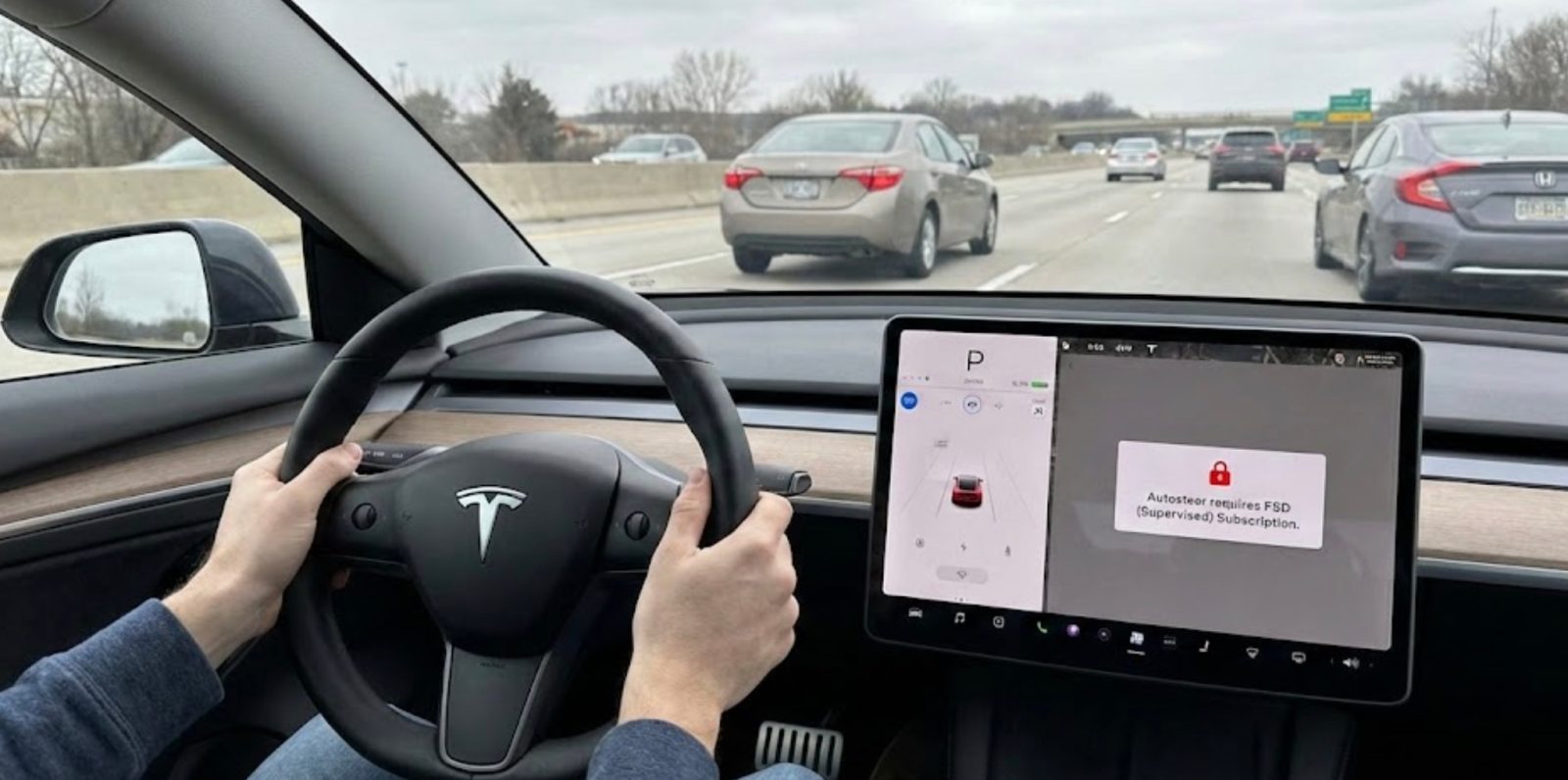
I’ve driven a Model 3 in city and highway settings. The AEB has reacted fast in sudden stops. Autosteer keeps lanes well on long trips but needs driver focus. From my trials, What safety features are included in the Tesla Model 3? They work best when the driver stays alert and treats the systems as advanced aids, not replacements.
Limitations, common failure modes, and transparency
No system is perfect. Cameras can be blinded by glare or dirt. Sensors may misread in heavy rain or snow. What safety features are included in the Tesla Model 3? They include strong protections, but you must know limits, keep cameras clean, and update software. Tesla’s reliance on camera-based perception means visibility is critical.

Maintenance and simple habits to maximize safety
Keep sensors clean, update firmware, and perform routine tire and brake checks. Calibrate cameras after windshield replacements. What safety features are included in the Tesla Model 3? Many depend on sensor health and updated software, so basic upkeep directly impacts safety performance.
Practical tips and lessons learned
From my experience:
- Keep windshield and camera areas clean to avoid false warnings.
- Enable safety prompts and driver monitoring features.
- Practice hands-on Autopilot use on quiet roads before long highway drives.
What safety features are included in the Tesla Model 3? They are powerful, but their effectiveness hinges on how you use them.
Frequently Asked Questions of What safety features are included in the Tesla Model 3?
What passive safety features does the Model 3 have?
The Model 3 has a rigid passenger cell, crumple zones, and multiple airbags. It also benefits from a low center of gravity because the battery is under the floor.
How does Autopilot improve safety in the Model 3?
Autopilot reduces driver workload with lane centering and adaptive cruise control. It can lower fatigue and help maintain safe following distances, but it still needs driver supervision.
Does the Model 3 have automatic emergency braking?
Yes. The Model 3 includes Automatic Emergency Braking that detects imminent collisions and applies brakes to reduce impact or avoid a crash. It also provides alerts before braking.
Are the sensors and cameras reliable in poor weather?
Sensors can be affected by heavy rain, snow, or glare. Keeping cameras and sensors clean and using cautious driving in bad weather helps maintain system reliability.
Can software updates change safety features over time?
Yes. Tesla delivers over-the-air updates that can refine driving aids, braking behavior, and sensor processing. Updates can improve safety but may also change how systems feel or respond.
Is driver attention required when using Autopilot?
Absolutely. Autopilot is an assist, not a substitute for a human driver. You must keep hands on the wheel and eyes on the road to respond when needed.
Conclusion
Tesla Model 3 blends strong crash protection, active collision avoidance, and evolving driver-assist software into a layered safety package. Use these systems wisely, keep sensors maintained, and treat Autopilot as an aid rather than an autopilot pilot. Explore more, test drive with safety features on, and leave a comment or subscribe for updates on safety advances and practical tips.