Have you ever wondered why some car stereos deliver crystal-clear sound while others just don’t? The secret often lies in a feature called DSP.
But what exactly is DSP in a car stereo, and how can it change the way you experience music on the road? If you want your favorite songs to sound richer, clearer, and more powerful every time you drive, understanding DSP is the first step.
49% off Today's Exclusive Deals
Limited-time Exclusive Deals. Check current discount on Amazon.
Check Price on Amazon As an Amazon Associate I earn from qualifying purchases.Keep reading to discover how this technology can transform your car audio experience like never before.
Dsp Basics
Digital Signal Processing, or DSP, is a key part of modern car audio systems. It helps improve sound quality by adjusting audio signals inside your car stereo. Understanding DSP basics makes it easier to appreciate how it changes your listening experience.
DSP works by using digital technology to modify sound waves. This process allows for clearer music and better control over sound settings. It lets you customize audio to fit your car’s unique space and your personal taste.
49% off Today's Exclusive Deals
Limited-time Exclusive Deals. Check current discount on Amazon.
Check Price on Amazon As an Amazon Associate I earn from qualifying purchases.What Dsp Means
DSP stands for Digital Signal Processing. It means using computers or chips to change sound signals. Instead of just playing music as it is, DSP changes the sound to make it better. It can boost bass, reduce noise, or fix sound delays.
This technology turns raw audio into a cleaner, clearer sound. It works inside your car stereo or amplifier. DSP changes how sound travels through your car’s speakers.
Role In Car Audio
DSP controls many parts of car audio. It fixes sound problems caused by car size and shape. It balances high, mid, and low sounds for a smooth audio experience.
It also helps to time-align speakers. This means sounds reach your ears at the right moment. DSP creates a more natural and immersive sound inside your car. It makes music more enjoyable on every drive.
49% off Today's Exclusive Deals
Limited-time Exclusive Deals. Check current discount on Amazon.
Check Price on Amazon As an Amazon Associate I earn from qualifying purchases.
How Dsp Works
Digital Signal Processing (DSP) in car stereos changes how sound is handled. It takes the audio signal and improves it before it reaches the speakers. This process makes music clearer and more balanced. Understanding how DSP works helps you know why your car sound system feels different.
Signal Processing Explained
DSP changes sound signals using math and electronics. The stereo sends audio to the DSP chip first. The chip reads the signal as digital data. It then adjusts the sound by changing frequencies and timing.
This process removes noise and fixes sound problems. It can boost bass or reduce echo. DSP can also split the sound into parts for different speakers. This makes the music sound natural and smooth in the car.
Common Dsp Functions
DSP uses many tools to improve sound quality. Equalization adjusts bass, midrange, and treble levels. This balances the music to fit your car’s space.
Time alignment makes sure sound from all speakers reaches your ears at once. This gives a clear and focused audio experience. Crossover settings send the right sounds to the right speakers. For example, low sounds go to subwoofers, and high sounds go to tweeters.
Noise reduction reduces unwanted sounds from the road or engine. Volume control helps keep sound levels steady at different speeds. These functions work together to create the best sound in your car.
Benefits Of Dsp
Digital Signal Processing (DSP) in car stereos offers many benefits. It changes how sound is handled inside your vehicle. This technology makes music clearer and more enjoyable. It also helps reduce unwanted noise. DSP lets you adjust sound settings to fit your tastes perfectly.
Sound Clarity Improvement
DSP improves sound clarity by removing distortions. It processes audio signals to make every note clear. You hear vocals and instruments better. The music sounds natural and sharp. Even low-quality audio feels much better.
Noise Reduction
Road and engine noises can spoil your music. DSP reduces these background sounds. It filters out unwanted noise from the audio. This makes listening more peaceful. You enjoy your music without distractions.
Custom Sound Tuning
Every car and listener is different. DSP allows you to tune sound settings. Adjust bass, treble, and balance to your liking. You can create a sound profile that suits your car. This personal touch makes your music experience unique.
Types Of Dsp Units
Digital Signal Processors (DSP) in car stereos come in various types. Each type offers different features and fits different needs. Choosing the right DSP unit can improve your car’s sound quality significantly.
Understanding the main types helps you pick the best option for your setup. The two common categories are built-in DSP units and external DSP units. Both have unique advantages and uses.
Built-in Vs External
Built-in DSP units are part of the car stereo system itself. They come pre-installed and work with the stereo’s existing components. These units are easy to use and save space.
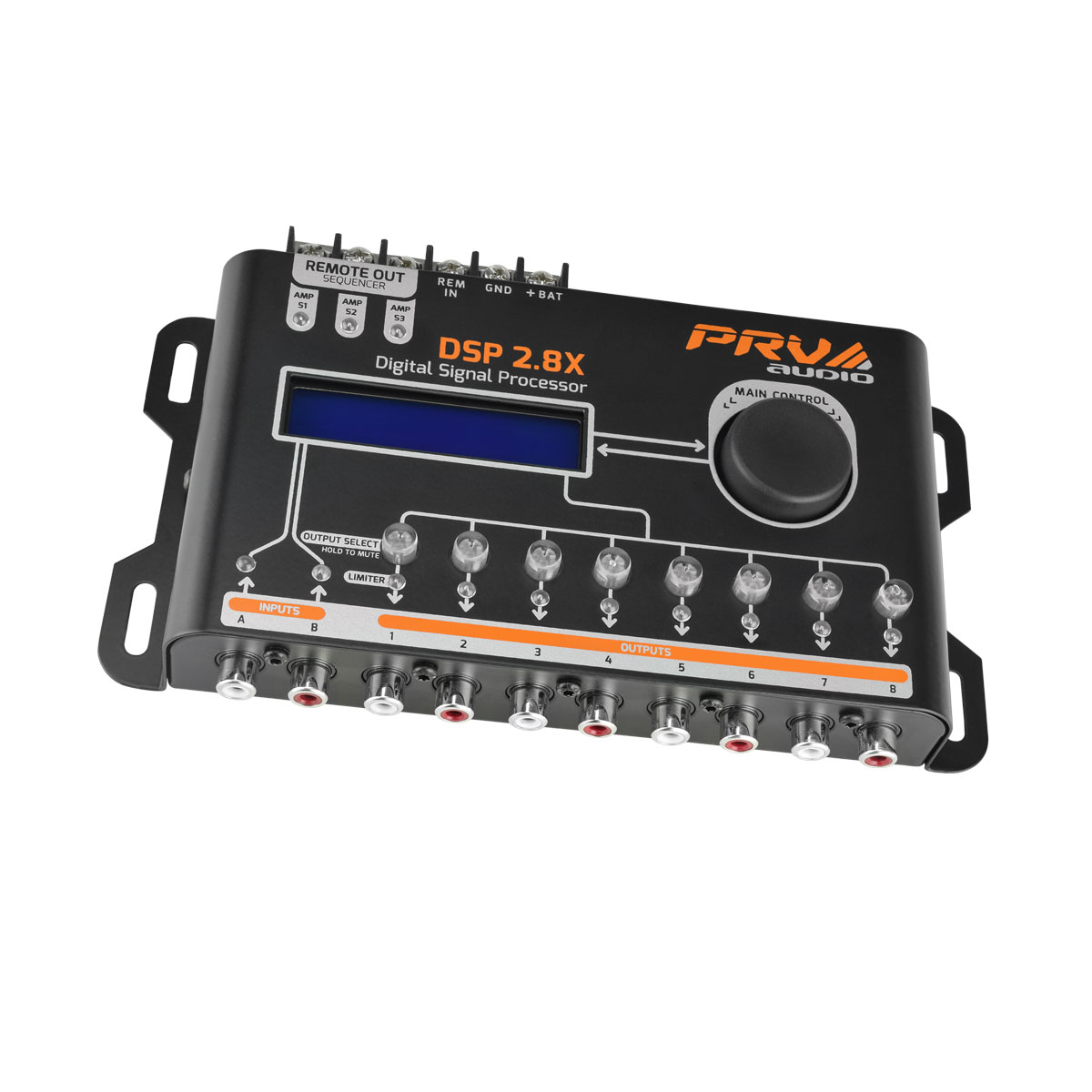
External DSP units are separate devices added to your car audio setup. They offer more control and flexibility for fine-tuning sound. Many car audio enthusiasts prefer external units for better customization.
External DSPs often support more input and output options. This allows for complex sound adjustments and multi-speaker setups. Built-in DSPs suit casual listeners who want simple sound improvements.
Popular Dsp Models
Some DSP models are widely known and trusted in car audio circles. The Alpine PXA-H800 is a popular built-in DSP with easy controls and good sound quality.
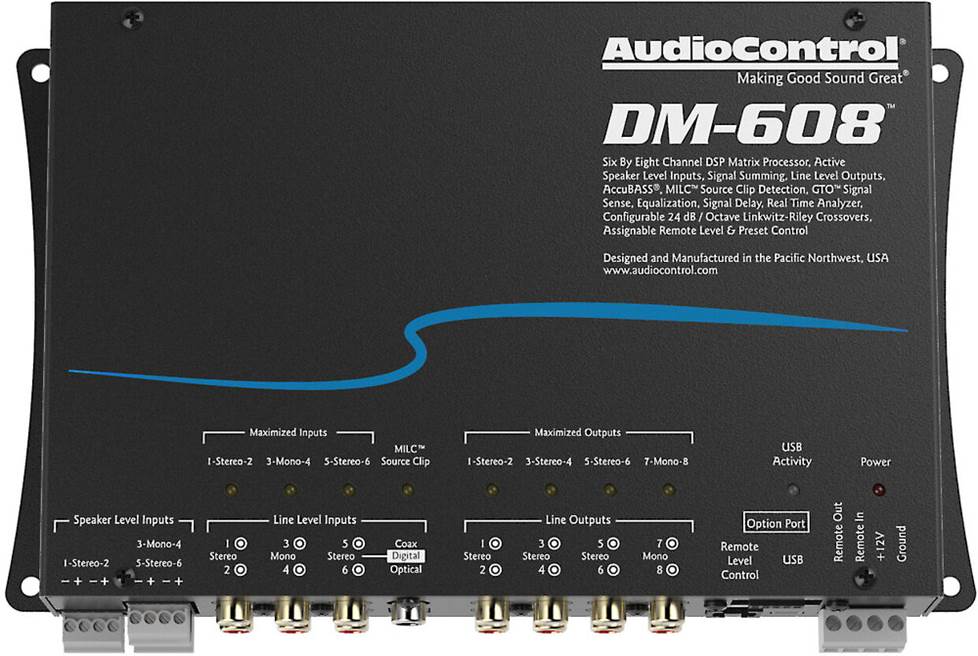
The Audison bit Ten is a well-liked external DSP. It offers advanced tuning and many input options. Another favorite is the JL Audio Fix, known for clear sound and easy installation.
Choosing a model depends on your budget and sound goals. Both built-in and external DSPs come in many price ranges and feature sets. Researching these models helps you find a good fit for your car stereo.
Installation Tips
Installing a DSP in your car stereo improves sound quality and control. Proper installation ensures the best audio experience. Follow these tips to install your DSP correctly.
Choosing The Right Dsp
Select a DSP that matches your car stereo system. Check the number of channels it supports. Make sure it fits your budget. Look for easy-to-use controls and good reviews. A good DSP balances features and simplicity.
Wiring Basics
Use high-quality wires for better sound and safety. Connect power wires directly to the car battery with a fuse. Ground the DSP to a clean metal surface. Keep signal wires away from power cables to avoid noise. Double-check all connections before turning on the system.
Professional Vs Diy Setup
DIY installation saves money but needs careful work. Follow instructions and watch tutorial videos. A wrong setup can damage equipment or cause poor sound. Professionals have experience and tools for a clean install. Choose based on your skill level and budget.
Optimizing Dsp Settings
Optimizing DSP settings in a car stereo helps improve sound quality. It lets you adjust audio to suit your car’s acoustics. Proper settings bring clear, balanced sound. Small tweaks can make a big difference. Focus on three main areas for best results.
Equalizer Adjustments
The equalizer controls the bass, midrange, and treble levels. Adjust these to match your music style and car interior. Boost bass for deep sounds or increase treble for clarity. Avoid extreme changes that cause distortion. Aim for a natural, balanced sound.
Time Alignment
Time alignment fixes sound delays from different speaker locations. It makes all sounds reach your ears simultaneously. Measure the distance from each speaker to your seat. Set delays in milliseconds to match these distances. This creates a clear and focused soundstage.
Crossover Settings
Crossover settings divide audio frequencies between speakers. Send low frequencies to subwoofers and higher ones to tweeters. Set crossover points based on speaker types and sizes. Proper crossover reduces distortion and protects speakers. It enhances overall sound clarity and power.
Common Dsp Mistakes
Digital Signal Processors (DSP) play a key role in car stereo sound quality. Many users make common mistakes with DSP settings that hurt audio performance. Avoiding these errors helps create clear and balanced sound in your vehicle.
Overprocessing Sound
Too much DSP adjustment can ruin your music. Excessive equalizing or effects lead to unnatural sound. The music may feel harsh or hollow. Keep DSP settings simple to preserve natural tones. Focus on small changes for better clarity and depth.
Ignoring Vehicle Acoustics
Your car’s shape and materials affect sound waves. Ignoring these factors causes poor audio results. DSP should adapt to your vehicle’s unique space. Use measurements or presets designed for your car model. This approach balances sound and reduces unwanted echoes or distortion.
Future Of Dsp In Car Audio
The future of DSP in car audio promises exciting changes. Digital Signal Processors will become smarter and more powerful. Sound quality will improve even in noisy environments. Drivers and passengers will enjoy clearer, richer audio everywhere they go.
Advances will make DSP systems easier to use and more flexible. Cars will have audio setups that adapt to different music styles. The experience will feel more natural and immersive. This new generation of DSP will fit perfectly with modern vehicles.
Advancements In Technology
DSP chips will become faster and smaller. More complex sound adjustments will happen in real time. These improvements will reduce delays and increase precision. Noise cancellation will grow more effective in all road conditions. Equalizers will adjust automatically to vehicle changes.
New software will simplify tuning processes. Users can customize sound easily with simple apps. Artificial intelligence will help learn personal listening preferences. This means the car audio will match your taste perfectly. The future holds clearer, more detailed audio for every journey.
Integration With Smart Systems
DSP will connect closely with smart car systems. Voice assistants will control audio settings smoothly. Audio will sync with navigation and safety alerts. This creates a safer, more convenient driving experience.
Smart sensors will detect where passengers sit. Audio output will adjust to seat positions. The system will create a perfect sound stage for all. Connectivity with smartphones and other devices will improve. This makes controlling music and calls easier than ever.
Frequently Asked Questions
What Does Dsp Mean In Car Stereo Systems?
DSP stands for Digital Signal Processing. It enhances audio quality by manipulating sound signals digitally. DSP improves clarity, balance, and overall listening experience in car stereos.
How Does Dsp Improve Car Audio Quality?
DSP adjusts frequency, timing, and sound levels precisely. It reduces distortion and optimizes speaker performance. This results in clearer, richer, and more immersive sound inside the vehicle.
Can Dsp Fix Poor Speaker Placement In Cars?
Yes, DSP can compensate for speaker placement issues. It adjusts sound timing and equalization to create balanced audio. This helps achieve better sound staging regardless of speaker location.
Is Dsp Necessary For All Car Stereo Systems?
DSP is not mandatory but highly beneficial. It significantly enhances audio quality, especially in complex or noisy environments. Basic systems may not need DSP, but audiophiles often prefer it.
Conclusion
DSP in a car stereo changes sound quality a lot. It helps adjust music to fit your car’s space. You get clearer, richer sound with less noise. Simple controls make it easy to use for anyone. Knowing what DSP does can help you choose better audio gear.
Enjoy your music more with the right sound settings. DSP makes car audio more fun and personal. Try it to hear the difference in your car today.