Is your music missing that deep, powerful punch? Weak bass can make even your favorite songs feel flat and lifeless.
But don’t worry—you don’t have to settle for dull sound anymore. You’ll discover simple and effective ways to boost your bass and bring your music back to life. Whether you’re using headphones, speakers, or a car stereo, these tips will help you feel every beat like never before.

49% off Today's Exclusive Deals
Limited-time Exclusive Deals. Check current discount on Amazon.
Check Price on Amazon As an Amazon Associate I earn from qualifying purchases.Ready to transform your sound experience? Keep reading to find out how to fix weak bass once and for all.
Identify Bass Issues
Weak bass can ruin your music or movie experience. Finding the cause is the first step to fix it. This section helps you identify common bass problems. It breaks down where to look and what to check. Let’s start by examining your speaker setup and environment.
Check Speaker Placement
Speakers need space to deliver strong bass. If placed too close to walls or corners, bass may sound dull or boomy. Try moving speakers a few inches away from walls. Avoid blocking them with furniture. Positioning speakers at ear level helps too. Small changes can make big differences in sound quality.
49% off Today's Exclusive Deals
Limited-time Exclusive Deals. Check current discount on Amazon.
Check Price on Amazon As an Amazon Associate I earn from qualifying purchases.Evaluate Room Acoustics
Room size and shape affect bass sound. Large empty rooms might cause weak bass. Hard surfaces like glass or tile reflect sound and create echoes. Add soft materials like rugs or curtains to absorb sound. Carpets and cushions reduce harsh reflections. These tweaks improve bass clarity and fullness.
Inspect Audio Settings
Check your device’s audio settings for bass control. Some systems have equalizers to boost low frequencies. Make sure bass is not set too low or muted. Reset settings to default if unsure. Also, check if any sound modes limit bass output. Proper settings help speakers perform their best.
Adjust Equalizer Settings
Adjusting equalizer settings is a simple way to improve weak bass. The equalizer controls different sound frequencies. Changing these settings helps create a richer, fuller sound. You can make bass sounds stronger and clearer without extra equipment.
Boost Low Frequencies
Start by increasing the low frequencies on your equalizer. These frequencies usually range from 20Hz to 250Hz. Raising this range adds depth and power to your bass. Avoid boosting too much to prevent distortion. Small increases can make bass more noticeable and punchy.
49% off Today's Exclusive Deals
Limited-time Exclusive Deals. Check current discount on Amazon.
Check Price on Amazon As an Amazon Associate I earn from qualifying purchases.Balance Mid And High Tones
Adjust mid and high frequencies to keep sound clear. Too much bass can hide vocals and instruments. Lower the mid tones slightly to give bass space. Keep high tones balanced for crisp and clean audio. This balance helps music sound natural and full.
Use Preset Sound Modes
Many devices have preset equalizer modes like “Bass Boost” or “Rock.” These modes adjust settings automatically for different music styles. Try these presets to find one that improves your bass. They offer a quick fix without manual adjustments. Experiment with presets to see which sounds best.
Upgrade Audio Equipment
Upgrading your audio equipment can greatly improve weak bass issues. Better gear delivers clearer, deeper sounds. Small changes in equipment make a big difference in bass quality. Here are simple upgrades to boost your bass performance.
Choose Better Speakers
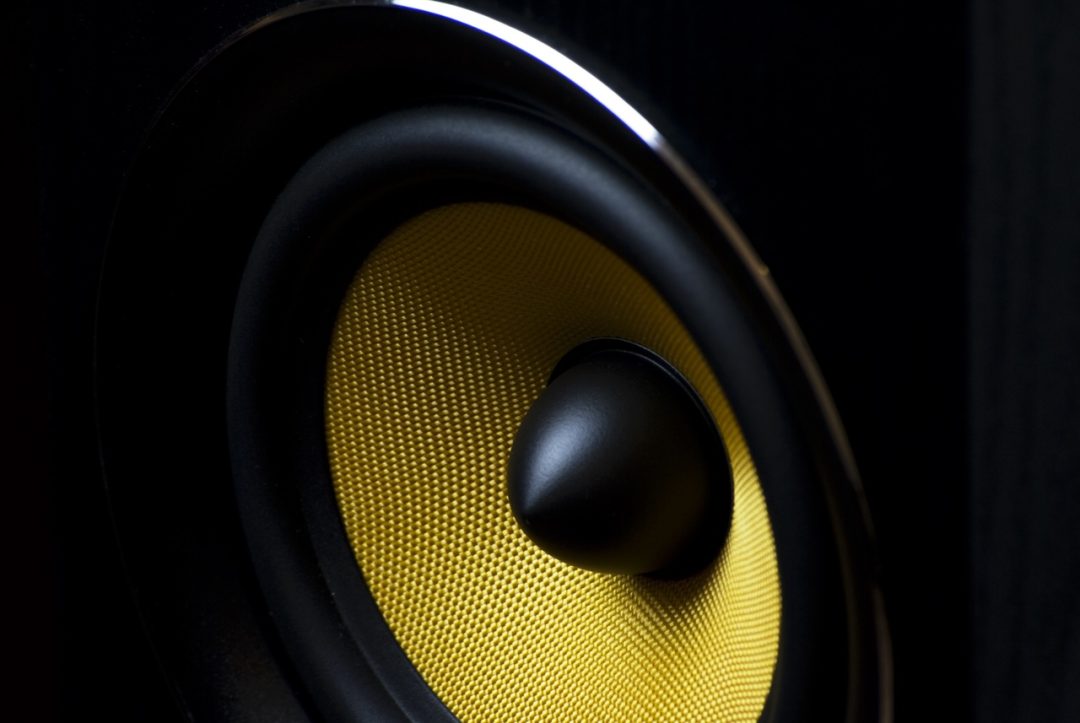
Speakers play a key role in bass output. Choose speakers designed to produce low frequencies. Look for models with larger woofers. Bigger drivers move more air and create stronger bass. Avoid small, cheap speakers that lack bass power.
Add A Subwoofer
A subwoofer handles bass sounds separately from other speakers. This device enhances low frequencies and adds depth. Place the subwoofer near a wall or corner for better bass response. Even a small subwoofer can improve weak bass significantly.
Use Quality Cables
Good cables ensure a clean audio signal. Poor cables can cause sound loss and weak bass. Use shielded, thick cables for better conductivity. Replace old or damaged cables to maintain strong bass signals. Quality cables protect your sound from interference.
Optimize Speaker Positioning
Optimizing speaker positioning can improve weak bass significantly. Proper placement helps sound waves travel correctly. This makes bass sound fuller and richer. Small changes in position can create a big difference.
Avoid Corners And Walls
Placing speakers too close to corners or walls can cause bass to sound boomy or muddy. Sound waves may bounce and overlap, creating distortion. Move speakers a few feet away from these surfaces. This reduces unwanted echoes and clarifies bass tones.
Experiment With Angles
Angle speakers slightly toward the listening area. Try different directions to find the best sound. Angling speakers helps focus sound waves. This can increase bass clarity and impact. Small angle changes can affect the bass quality a lot.
Elevate Speakers Properly
Keep speakers off the floor. Elevate them to ear level or slightly above. This placement improves sound projection. It stops bass from becoming dull or weak. Use stands or shelves to raise speakers securely.
Use Bass Enhancement Tools
Bass sounds can sometimes feel weak or flat. Using bass enhancement tools helps improve the depth and power of bass. These tools adjust sound frequencies to make bass clearer and stronger.
Many devices and software offer options to boost bass. Choosing the right tool depends on your setup and needs. Below are common types of bass enhancement tools that can improve your audio experience.
Bass Boosters
Bass boosters increase low-frequency sounds directly. They come as physical devices or built-in features on speakers and headphones. These boosters raise bass levels without changing other sounds much. Many users find bass boosters simple and effective for quick improvements.
Sound Processors
Sound processors change audio signals to enhance bass quality. These devices adjust multiple sound elements to create a balanced bass effect. They can reduce distortion and improve clarity. Sound processors work well for home theater systems and professional audio setups.
Software Plugins
Software plugins add bass enhancement to music and audio files. Musicians and producers use these plugins in audio editing programs. They allow precise control over bass frequencies and effects. Plugins can simulate real bass instruments or enhance existing bass tracks easily.

Manage Room Acoustics
Managing room acoustics plays a key role in fixing weak bass. The sound your speakers produce changes based on the room’s shape, size, and materials. Treating the room can help bass sound clearer and fuller. Small changes to walls, corners, and surfaces make big differences. Here are some ways to manage room acoustics for better bass.
Add Sound Absorbers
Sound absorbers reduce unwanted reflections that cause muddled bass. Soft materials like foam panels or thick curtains absorb sound waves. Place absorbers on walls where sound bounces the most. This stops bass frequencies from becoming too boomy or weak. Absorbers help create a clean, tight bass sound.
Use Bass Traps
Bass traps target low-frequency sounds that gather in corners. They absorb bass energy that otherwise builds up and distorts the sound. Installing bass traps in room corners smooths out bass response. This makes bass notes clearer and more balanced. Bass traps work well in home studios or listening rooms.
Reduce Echo And Reverb
Echo and reverb blur bass sounds and reduce clarity. Hard surfaces like glass and tile reflect sound and cause echo. Covering these surfaces with rugs or panels cuts down reverb. Soft furnishings also help absorb excess sound reflections. Reducing echo lets bass come through clean and strong.
Maintain Your Audio System
Maintaining your audio system helps keep the bass strong and clear. Dirt, outdated software, and poor source quality can weaken sound. Regular care improves performance and extends your system’s life. Follow simple steps to keep your bass booming.
Clean Components Regularly
Dust and dirt block sound signals and reduce bass quality. Wipe speakers, subwoofers, and cables with a soft cloth. Avoid using water or harsh cleaners. Clean ports and vents gently to prevent overheating. Regular cleaning keeps your system working well.
Check For Firmware Updates
Manufacturers release firmware updates to fix bugs and improve sound. Check your device’s settings or website for new updates. Install updates carefully following instructions. Updated firmware can enhance bass and overall audio performance. Stay up to date for best results.
Test Different Audio Sources
Not all audio sources deliver the same bass quality. Try music from different apps, devices, or files. Low-quality files or streaming can cause weak bass. Use high-quality files or lossless formats for better sound. Testing sources helps find the best bass experience.

Frequently Asked Questions
How Can I Improve Weak Bass On My Speakers?
To improve weak bass, adjust your equalizer settings by increasing lower frequencies. Ensure speakers are placed correctly and check for any obstructions. Using a dedicated subwoofer can also significantly boost bass performance.
Why Is My Bass Sound Not Powerful Enough?
Weak bass often results from poor speaker placement, low-quality audio files, or incorrect equalizer settings. Check if your speakers support bass frequencies and ensure connections are secure. Upgrading to better speakers or adding a subwoofer helps too.
Does Speaker Placement Affect Bass Quality?
Yes, speaker placement greatly impacts bass quality. Placing speakers near walls or corners can enhance bass response. Avoid placing speakers inside cabinets or too close to surfaces that absorb sound. Experiment with placement for optimal bass.
Can Audio Settings Fix Weak Bass Issues?
Adjusting audio settings like the equalizer can fix weak bass. Increase the bass or low-frequency range to enhance depth. Avoid excessive boosts that cause distortion. Use presets designed for bass-heavy music for better results.
Conclusion
Fixing weak bass can greatly improve your music experience. Start by checking your speaker placement and settings. Use a good quality subwoofer for deeper sounds. Adjust equalizer settings to boost low frequencies gently. Make sure your room does not absorb too much bass.
Small changes can make a big difference. Enjoy richer, fuller sound without extra costs. Keep experimenting until you find the best sound for you. Strong bass brings music to life. Simple steps lead to better audio every time.