Are you tired of your radio cutting out just when your favorite song plays? Poor radio reception can be frustrating, especially when all you want is clear sound without interruptions.
The good news is, improving your radio signal isn’t as complicated as it seems. You’ll discover simple, effective ways to boost your radio reception so you can enjoy crisp, uninterrupted audio every time. Keep reading, and you’ll learn easy tricks that anyone can use—no technical skills needed.
49% off Today's Exclusive Deals
Limited-time Exclusive Deals. Check current discount on Amazon.
Check Price on Amazon As an Amazon Associate I earn from qualifying purchases.Ready to transform your listening experience? Let’s dive in!

Common Causes Of Poor Reception
Poor radio reception can be frustrating. It stops you from enjoying clear sound. Several common causes affect how well your radio receives signals. Understanding these causes helps fix the problem quickly.
Interference Sources
Other electronic devices can cause interference. Microwaves, cordless phones, and Wi-Fi routers often disrupt radio signals. Nearby power lines or large machines also create noise. This noise mixes with the radio signal. It causes static or weak sound. Moving away from these devices can improve reception.
49% off Today's Exclusive Deals
Limited-time Exclusive Deals. Check current discount on Amazon.
Check Price on Amazon As an Amazon Associate I earn from qualifying purchases.Antenna Issues
An antenna in bad shape lowers signal quality. Bent or broken antennas do not catch signals well. A short antenna limits the signal range. Improper antenna placement also affects reception. Placing it inside a metal cabinet blocks signals. Extending or adjusting the antenna often improves sound.
Environmental Factors
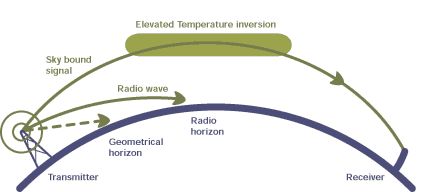
Buildings and natural features block radio waves. Tall buildings, hills, and trees reduce signal strength. Weather conditions like heavy rain or storms disrupt signals too. The farther you are from the radio tower, the weaker the signal. Changing your location to open areas helps reception.
Choosing The Right Antenna
Choosing the right antenna plays a big role in getting better radio reception. The antenna captures the radio signals and sends them to your device. A good antenna means clearer sound and fewer interruptions. Picking the correct type and placing it well can make a huge difference.
Types Of Antennas
Different antennas work best for different needs. A dipole antenna is common and works well indoors. Loop antennas are small and good for weak signals. Outdoor antennas catch signals better but need installation. Some antennas are designed for AM, others for FM frequencies.
49% off Today's Exclusive Deals
Limited-time Exclusive Deals. Check current discount on Amazon.
Check Price on Amazon As an Amazon Associate I earn from qualifying purchases.Placement Tips
Position the antenna where signals are strongest. High spots often have better reception. Avoid metal objects and walls that block signals. Near a window usually works well. Try moving the antenna slowly to find the best spot.
Upgrading Your Antenna
Old antennas may not capture signals well. Buy a newer model with better technology. Look for antennas with higher gain for clearer sound. Consider an amplified antenna to boost weak signals. Replacement can improve reception without extra devices.
Optimizing Radio Placement
Optimizing the placement of your radio can greatly improve its reception. Small changes in location can reduce signal loss and interference. This section explains how to position your radio for clearer sound and fewer interruptions.
Avoiding Obstacles
Keep your radio away from thick walls, metal objects, and large furniture. These items block radio waves and weaken the signal. Placing your radio near open spaces or windows helps it catch signals better.
Height And Orientation
Higher placement often means better reception. Try setting your radio on a shelf or table rather than the floor. Point the radio antenna in different directions. This helps find the strongest signal path.
Reducing Electronic Noise
Other devices can cause static and noise on your radio. Move your radio away from TVs, computers, and microwaves. Unplug or turn off nearby electronics to see if reception improves.

Using Signal Boosters
Using signal boosters can improve your radio reception greatly. These devices increase weak signals to give clearer sound and fewer dropouts. Signal boosters work well in areas with poor signal or interference. They help you enjoy better radio without moving your radio or antenna.
How Boosters Work
Signal boosters capture weak radio signals through an antenna. They then increase the signal strength before sending it to your radio. This process helps reduce static and lost channels. Boosters use electronic components to amplify signals without adding noise. The stronger signal reaches your radio clearer and more stable.
When To Use Them
Use a signal booster if your radio cuts out often. Areas far from radio towers benefit the most. Boosters help inside buildings with thick walls that block signals. They also work in cars driving through low coverage zones. If your radio sounds weak or scratchy, a booster may fix it.
Installation Tips
Place the booster antenna where it gets the best signal. High and near windows usually works well. Avoid placing the antenna near metal objects or electronics. Connect the booster to your radio using the correct cables. Test different spots to find the clearest reception. Secure all connections tightly for steady performance.
Tuning Techniques For Clear Sound
Getting clear sound from your radio depends a lot on how you tune it. Simple tuning techniques can make a big difference. Learning to tune well helps you reduce noise and enjoy better reception. Below are easy ways to improve your radio tuning for clear sound.
Manual Tuning Tips
Turn the tuning dial slowly. Small movements help find the best frequency. Stop when the sound is clearest. Avoid rushing through the numbers. Use a quiet room to hear better. Adjust the antenna while tuning. This can improve signal strength. Keep your radio away from other electronics to reduce interference.
Auto-scan Features
Many radios have an auto-scan option. Press the scan button to search stations automatically. The radio stops at the strongest signals. This saves time and effort. Use auto-scan in a new area to find local stations quickly. Remember to listen and fine-tune after scanning for better clarity.
Fine-tuning For Static Reduction
Static can spoil your listening experience. Use the fine-tune knob to lower static noise. Move it slowly until the sound clears up. Sometimes changing the radio’s position helps reduce static. Keep the antenna extended fully for best results. Adjust volume levels to avoid distortion. Clear sound needs patience and small adjustments.
Maintaining Your Equipment
Maintaining your radio equipment is key to clear reception. Dirt, loose parts, and worn components reduce signal quality. Regular care keeps your radio working well for a long time.
Regular Cleaning
Dust and dirt block signals and cause problems. Wipe your radio and antenna with a soft cloth often. Use a small brush to clean tight spots. Keep moisture away to avoid damage.
Checking Connections
Loose wires cause weak or no signals. Check all cables and plugs regularly. Make sure connectors fit tightly and are free from rust. Tighten or replace any loose or damaged parts.
Replacing Worn Components
Old or broken parts lower radio performance. Look for cracked wires or worn antennas. Replace these parts quickly to keep good reception. Use parts made for your specific radio model.
Advanced Solutions
Advanced solutions offer powerful ways to improve radio reception beyond basic fixes. These options use modern technology to give clearer sound and stronger signals. They suit users who want the best listening experience.
Digital Radio Options
Digital radios receive signals in a different way than traditional radios. They provide clearer sound and less noise. Digital radios often include extra features like station info and song titles. They can catch more stations with better quality, even in weak signal areas.
Software Defined Radios
Software Defined Radios (SDRs) use computer software to tune and process radio signals. They are flexible and powerful tools for radio listeners. SDRs can access many frequencies and adjust reception settings easily. This technology helps users find and improve signals that regular radios miss.
External Audio Enhancers
External audio enhancers improve sound quality after the signal is received. They reduce noise and boost clarity. These devices work with most radios and make voices and music clearer. Using an audio enhancer helps enjoy radio broadcasts without static or distortion.
Frequently Asked Questions
How Can I Improve My Car Radio Reception?
To improve car radio reception, adjust your antenna position and avoid tall buildings. Use a high-quality external antenna for better signal strength. Also, keep your radio’s firmware updated for optimal performance.
Why Is My Radio Signal Weak Indoors?
Indoor radio signals weaken due to walls and electronic interference. Place the radio near a window or use an external antenna. Reducing nearby electronic devices can also enhance signal clarity.
What Type Of Antenna Boosts Radio Reception Best?
Directional antennas focus on specific signals, providing the best reception. Outdoor antennas generally outperform indoor ones. Choose an antenna compatible with your radio frequency for optimal results.
Can Weather Affect Radio Reception Quality?
Yes, weather conditions like rain or storms can disrupt radio signals. Atmospheric changes and electrical storms cause signal fading or static. Wait for clear weather to enjoy better reception.
Conclusion
Better radio reception makes listening more enjoyable and clear. Try moving your antenna to find the best spot. Avoid obstacles like walls or metal objects nearby. Use a higher quality antenna if the signal is weak. Keep your radio away from electronic devices that cause interference.
Regularly check and maintain your equipment for steady performance. Small changes can bring big improvements in sound. Enjoy your favorite stations without frustration or static. Clear reception is possible with simple steps and patience. Keep experimenting until you find the perfect setup.