Choosing the right stereo for your small car can completely change your driving experience. You want clear sound, easy controls, and a perfect fit without taking up too much space.
But with so many options out there, how do you pick the one that suits your needs best? This guide will help you make a smart choice, so every drive feels enjoyable and connected. Keep reading, and you’ll discover simple tips that make finding the perfect stereo easier than you think.

49% off Today's Exclusive Deals
Limited-time Exclusive Deals. Check current discount on Amazon.
Check Price on Amazon As an Amazon Associate I earn from qualifying purchases.Assess Car Space
Assessing the space inside your small car is the first step in choosing the right stereo. Space limits the size and type of stereo you can install. Knowing your car’s interior dimensions helps avoid buying a stereo that does not fit.
Small cars often have compact dashboards and limited mounting areas. Careful measurement ensures the stereo fits well without blocking vents or controls. This makes your car look neat and keeps everything functional.
Measure Dashboard Dimensions
Start by measuring the width, height, and depth of the dashboard space. Use a tape measure for accuracy. Note the size of the existing stereo slot if your car has one.
49% off Today's Exclusive Deals
Limited-time Exclusive Deals. Check current discount on Amazon.
Check Price on Amazon As an Amazon Associate I earn from qualifying purchases.Write down these numbers. They guide you when choosing a stereo size. Double-check measurements to prevent mistakes. Some stereos are single-DIN or double-DIN size. Knowing your dashboard space helps pick the correct one.
Consider Mounting Options
Check where the stereo can be mounted in your car. Some cars allow dash mounting, others may need a pocket or bracket. Understanding these options helps you find a stereo that fits securely.
Look for mounting kits made for small cars. These kits can fill gaps and keep the stereo stable. Avoid stereos that require too much space or special parts your car can’t support.
Set Sound Priorities
Setting sound priorities helps you enjoy music in your small car. It guides you to pick a stereo that suits your taste. Focus on key sound features that matter most to you. This makes your drive more fun and relaxing.
49% off Today's Exclusive Deals
Limited-time Exclusive Deals. Check current discount on Amazon.
Check Price on Amazon As an Amazon Associate I earn from qualifying purchases.Balance Bass And Treble
Bass and treble create the full sound experience. Bass is the deep, low tones, and treble is the high, sharp sounds. Too much bass can make music feel heavy and unclear. Too much treble may cause sharp, unpleasant noise. Find a good balance that sounds natural to your ears. Test different settings before buying to see what fits your style.
Decide On Volume Needs
Think about how loud you want your music. Small cars have less space, so very high volume might cause distortion. Choose a stereo that can play clear sound at medium volume. This keeps your music enjoyable without hurting your ears. Also, consider if you want the stereo to be loud enough for noisy streets or quiet enough for calm drives.
Explore Stereo Types
Choosing the right stereo for a small car can change your driving experience. The type of stereo affects space, features, and ease of use. Understanding the main stereo types helps you pick the best option. Focus on size, controls, and technology for your needs.
Small cars have limited dashboard space. The stereo should fit well without crowding the area. Also, think about how you control the stereo. Simple buttons or modern touchscreens? Each has pros and cons. Let’s explore these types to guide your choice.
Single Din Vs Double Din
Single DIN stereos are compact and fit small spaces easily. They measure about 2 inches tall and 7 inches wide. These are common in older or smaller cars. Single DIN units usually have basic displays and buttons.
Double DIN stereos are larger, about 4 inches tall. They offer bigger screens and more features. Many come with touchscreens and support for apps. Double DIN needs more space but gives better control and visuals.
Check your car’s dashboard slot size before buying. Small cars often fit single DIN better. But if space allows, double DIN offers more options and a modern look.
Touchscreen Vs Button Controls
Touchscreens are easy to use and look sleek. They let you swipe, tap, and scroll through menus. Many support maps, music apps, and phone calls. Touchscreens show more information at once.
Button controls are simple and reliable. You can operate them without looking away from the road. Buttons work well in bright sunlight or cold weather. They often last longer and are less distracting.
Your choice depends on how you drive and use your stereo. Touchscreens suit tech lovers. Buttons suit drivers who want quick, safe control.

Check Compatibility
Choosing the right stereo for a small car needs more than just style and sound quality. Compatibility is key to avoid installation problems and ensure smooth operation. Check if the stereo fits your car’s system before buying. This step saves time and money, making your upgrade easier.
Match With Car Wiring
Car wiring varies by model and year. Your new stereo must match the wiring system in your car. Check the wiring harness type and connector shapes. Use a wiring adapter if the stereo connectors differ. This avoids cutting wires and keeps your car’s electrical system safe.
Confirm power, ground, and speaker wire connections. Incorrect wiring can cause stereo failure or damage. Follow the car manual or seek professional help to ensure proper matching.
Ensure Speaker Support
Small cars often have smaller speakers with specific power limits. Choose a stereo that supports these limits. Check the stereo’s output power and speaker impedance compatibility. Too much power can damage your speakers. Too little power means poor sound quality.
Some stereos support external amplifiers. Consider this if you want better sound later. Make sure the stereo can handle your current and future speaker setup.
Focus On Connectivity
Choosing the right stereo for a small car means focusing on how well it connects with your devices. Connectivity is key for easy music streaming and hands-free calls. Good connection options make driving safer and more fun. It also keeps your car organized without messy cables.
Bluetooth And Usb Options
Bluetooth lets you play music wirelessly from your phone. It connects quickly and works with many devices. USB ports let you plug in phones or drives. This gives direct access to your music files. Both options help keep your dashboard clean and simple.
Smartphone Integration
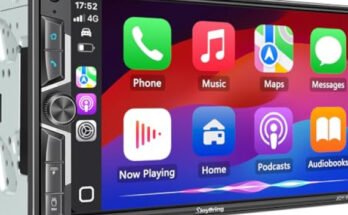
Many stereos support smartphone apps like Apple CarPlay and Android Auto. These apps show your phone’s screen on the stereo display. You can use maps, calls, and music safely while driving. This makes it easier to control your phone without distractions.
Evaluate Sound Features
Choosing the right stereo for a small car means paying attention to sound features. These features control how music sounds inside your car. They help you enjoy clear and balanced audio. Good sound features make every drive more fun. Below are two important sound features to check.
Equalizer Settings
Equalizer settings let you change sound frequencies. You can adjust bass, mids, and treble levels. This helps match music to your taste. Some stereos offer presets like rock, jazz, or pop. Others allow manual control for more detail. Equalizers improve sound clarity in small spaces. They reduce unwanted echoes and balance audio well.
Noise Reduction Technology
Noise reduction technology lowers background sounds while playing music. It blocks road noise and engine sounds. This helps you hear music clearly without turning up the volume too high. Some stereos use digital filters to reduce noise. Others use special microphones to cancel out noise. This feature improves listening comfort on busy roads. It keeps music crisp and clear even at low volumes.
Consider Power And Efficiency
Choosing the right stereo for a small car means balancing power and efficiency. Power ensures clear sound at different volumes. Efficiency keeps your car’s battery from draining fast. These factors help you enjoy music without electrical problems.
Rms Power Ratings
RMS stands for Root Mean Square. It shows the continuous power output a stereo can handle. Choose a stereo with RMS power that matches your car’s speakers. Too much power can damage speakers. Too little power can cause weak sound.
Check the RMS rating on both the stereo and speakers. A good match means better sound quality. It also protects your equipment from damage. RMS ratings give a clear idea of real power, not just peak power.
Energy Consumption
Small cars have limited battery capacity. A stereo that uses less energy helps preserve battery life. Look for stereos with low power consumption specs. Efficient stereos avoid draining your battery quickly.
Energy-efficient models reduce the risk of electrical issues. They keep your car running smoothly. Choosing a stereo with balanced power and low energy use is smart. It ensures longer playtime without stressing the car’s electrical system.
Set A Budget
Setting a budget helps you find the best stereo for your small car. It guides your choices and keeps your spending in check. Knowing your budget saves time and avoids overspending. You can focus on models that fit your needs and price range. This makes the buying process easier and more effective.
Affordable Vs Premium Models
Affordable models offer basic features and good sound quality. They suit daily use and simple music needs. These stereos usually have easy controls and standard connectivity.
Premium models provide advanced features like touchscreen, Bluetooth, and better audio clarity. They often include extra options like navigation and app support. These stereos enhance your driving experience but cost more.
Cost Vs Features
Balance cost and features to get the best value. Focus on must-have features instead of extras you may not use. A stereo with the right features at a fair price is smart.
High cost does not always mean better quality for small cars. Some affordable models meet most needs without extra expense. Prioritize sound quality, connectivity, and ease of use within your budget.
Read Reviews And Ratings
Choosing the right stereo for a small car can be tricky. Reading reviews and ratings helps make this task easier. They show real experiences from users and experts. Reviews reveal how well a stereo works in a small car. Ratings give a quick idea of its quality. This information helps you avoid bad purchases and find the best fit.
User Feedback
User feedback comes from people who bought and used the stereo. They share honest opinions about sound quality, ease of use, and installation. Users often mention if the stereo fits well in small car spaces. They talk about any problems or benefits they noticed. Reading many user reviews gives a clear picture of what to expect. You learn about common issues and how the stereo performs daily.
Expert Opinions
Experts test car stereos with special tools and knowledge. They analyze sound clarity, power, and features carefully. Experts compare different models and highlight the best ones for small cars. Their reviews explain technical details in simple ways. They also warn about products that may not work well. Expert opinions help you understand what makes a stereo good for small cars. Trusting experts adds confidence to your choice.
Plan Installation
Planning the installation of a stereo in a small car is important. It helps avoid mistakes and saves time. Good planning ensures the stereo fits well and works properly. You need to think about the space, wiring, and tools before starting.
Knowing what to expect makes the process smoother. It also helps decide if you should do it yourself or get professional help.
Diy Vs Professional Help
Some people prefer to install the stereo themselves. It can save money and give a sense of achievement. But it requires some skill and patience. Mistakes can cause damage to the car’s electronics.
Professional help is safer for those with little experience. Experts have the right tools and knowledge. They can finish the job faster and correctly. Professionals also offer warranties for their work.
Think about your comfort level and budget before choosing. Small cars have limited space, so careful handling is needed.
Installation Tools Needed
Having the right tools makes installation easier. Common tools include screwdrivers, wire strippers, and electrical tape. A panel removal tool helps avoid damage to the car’s interior.
Some kits come with a wiring harness adapter. This tool makes connecting wires simpler and safer. A multimeter is useful to check electrical connections.
Gather tools before starting. This reduces interruptions and speeds up the work.

Frequently Asked Questions
What Size Stereo Fits Best In Small Cars?
Small cars usually need a single-DIN or double-DIN stereo. Measure your dashboard opening for the right fit. Choose a compact unit to save space and ensure easy installation.
How To Improve Sound Quality In Small Cars?
Look for stereos with built-in equalizers and amplifier compatibility. Use speakers designed for small spaces. Proper speaker placement enhances sound clarity and bass response in small cars.
Are Touchscreen Stereos Good For Small Cars?
Yes, touchscreen stereos offer easy control and modern features. Ensure the screen size suits your dashboard space. They provide better usability without cluttering the cabin.
What Connectivity Options Matter For Small Car Stereos?
Bluetooth, USB, and AUX inputs are essential. These allow hands-free calls and music streaming. Compatibility with smartphones and apps enhances your driving experience.
Conclusion
Choosing the right stereo for a small car makes a big difference. Focus on size, sound quality, and easy controls. Think about extra features like Bluetooth or USB ports. Don’t forget to check power limits and installation ease. A good stereo fits well and sounds clear.
Enjoy your drives with better music every time. Keep these tips in mind to find the best stereo for your small car. Simple steps lead to great sound and happy rides.