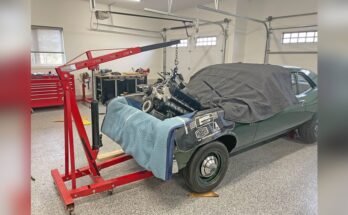
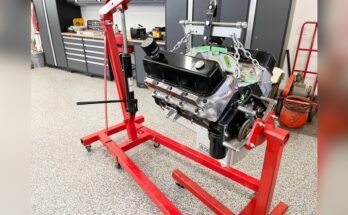
Have you ever wondered if you can handle a car engine hoist all by yourself? Whether you’re working on a project in your garage or just curious about the process, knowing if one person can safely operate this powerful tool is important.
Imagine lifting a heavy engine without help—sounds risky, right? But what if it’s actually possible with the right techniques and precautions? Keep reading, and you’ll discover exactly how you can take control, stay safe, and get the job done efficiently on your own.

49% off Today's Exclusive Deals
Limited-time Exclusive Deals. Check current discount on Amazon.
Check Price on Amazon As an Amazon Associate I earn from qualifying purchases.
Car Engine Hoist Basics
A car engine hoist is a helpful tool for lifting heavy engines out of vehicles. It makes engine removal and installation easier and safer. Understanding the basics of a car engine hoist helps users operate it correctly. This knowledge can prevent accidents and damage during use.
Many people wonder if one person can operate an engine hoist alone. Knowing the hoist’s types, parts, and weight limits is important before trying it solo.
Types Of Engine Hoists
There are two main types of engine hoists: hydraulic and electric. Hydraulic hoists use a pump and fluid to lift heavy loads. They are common in most garages. Electric hoists use a motor to lift engines automatically. They need a power source but reduce physical effort. Both types have different sizes and lifting capacities.
49% off Today's Exclusive Deals
Limited-time Exclusive Deals. Check current discount on Amazon.
Check Price on Amazon As an Amazon Associate I earn from qualifying purchases.Key Components
A car engine hoist has several key parts. The frame supports the whole hoist and holds the engine. The boom is the arm that lifts and moves the engine. A hydraulic jack or motor raises and lowers the boom. Chains or hooks connect the engine securely to the hoist. Wheels on the base allow easy movement of the hoist.
Weight Limits
Every engine hoist has a weight limit. This limit shows the maximum weight it can lift safely. Common hoists can lift between 1,000 and 3,000 pounds. Always check the weight of the engine before lifting. Never exceed the hoist’s weight limit. Overloading can cause damage or accidents. Following weight limits keeps the process safe for one person or more.

One-person Operation Feasibility
Operating a car engine hoist alone can be possible but depends on several factors. Knowing these factors helps you decide if you can handle the task safely by yourself. This section breaks down the physical needs, common issues, and when to ask for help.
Assessing Physical Requirements
Using an engine hoist needs some physical strength and coordination. You must lift and move heavy parts carefully. The hoist’s controls require steady hands and good balance. If you have limited strength, one-person operation might be hard. It also helps to have a clear, open workspace to move freely.
49% off Today's Exclusive Deals
Limited-time Exclusive Deals. Check current discount on Amazon.
Check Price on Amazon As an Amazon Associate I earn from qualifying purchases.Common Challenges
Handling an engine hoist alone can lead to balance problems. The engine might swing or shift unexpectedly. Aligning the engine with the car frame is tricky without extra help. Sometimes, the hoist’s weight limits slow down the job. Extra caution is needed to avoid injuries or damage.
When Assistance Is Needed
Help is important if the engine is very heavy or awkwardly shaped. Another person can guide the engine into place safely. Assistance reduces risk of accidents and makes the work faster. If you feel unsure or tired, asking for help is wise. Safety should always be the top priority.
Preparation Before Lifting
Before lifting an engine with a hoist, proper preparation is essential. It helps ensure safety and success. A well-prepared setup makes the process smoother and reduces risks. Preparing means checking the workspace, the hoist, and the engine itself.
Workspace Setup
Clear the area around the vehicle and hoist. Remove tools and other objects that may cause tripping. Make sure the floor is flat and strong enough to hold the hoist and engine. Good lighting helps you see clearly. Keep a fire extinguisher nearby for safety.
Inspecting The Hoist
Check the hoist for any signs of damage or wear. Look at the chains, hooks, and hydraulic parts closely. Test the hydraulic pump to see if it works smoothly. Ensure the hoist can handle the engine’s weight. Do not use the hoist if you find any faults.
Securing The Engine
Attach the hoist chains to strong points on the engine. Use the proper lifting brackets if possible. Double-check the chains and hooks for tightness. The engine must be balanced to avoid tipping. Secure the engine well to keep it stable during lifting.
Safe Lifting Techniques
Safe lifting techniques are important for using a car engine hoist alone. They help prevent accidents and damage. Following clear steps keeps the process smooth and secure. Safety comes first in every lift.
Positioning The Hoist
Place the hoist on a flat, stable surface. Check that the wheels lock to stop movement. Align the hoist directly over the engine. This balance reduces the risk of tipping. Make sure the hoist arm can reach the engine easily.
Controlling The Load
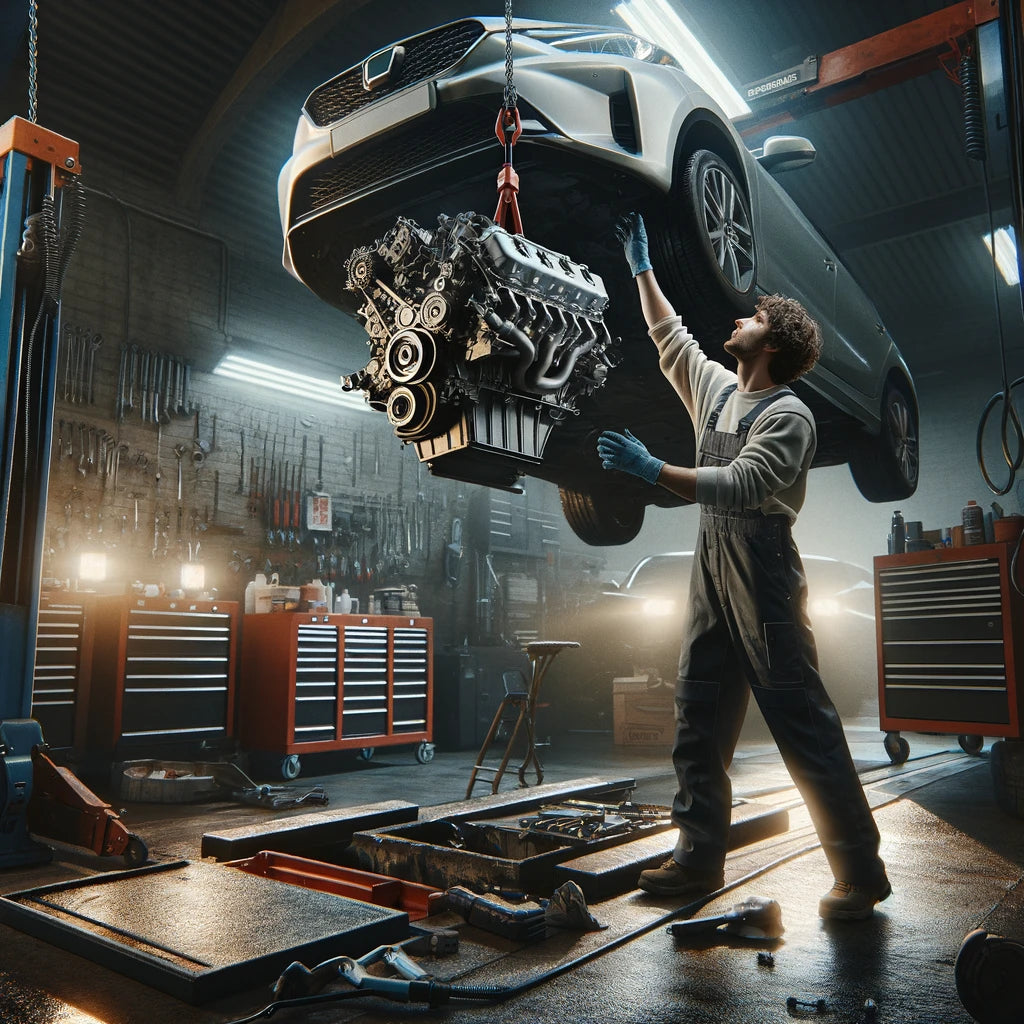
Attach the lifting chains or straps tightly around the engine. Use the hoist’s controls slowly and steadily. Lift the engine a little to test balance. Adjust the chains if the engine tilts. Keep hands and feet clear from under the load at all times.
Avoiding Hazards
Clear the area around the hoist from tools and clutter. Wear safety gloves and steel-toed shoes. Do not rush the lifting process. Avoid sudden movements or jerks. Always have a phone nearby in case of emergency.
Tips For Smooth Operation
Operating a car engine hoist alone requires care and attention. Following simple tips helps make the process smooth and safe. This section explains key steps to handle the hoist effectively.
Focus on proper tools, balance, and how to handle unexpected problems. These points reduce risks and save time during the work.
Using Proper Tools
Always select tools designed for engine hoist work. Use strong chains or straps that fit the engine’s weight. Check all tools for damage before starting. Using the right tools prevents accidents and damage.
Maintaining Balance
Keep the engine steady while lifting or moving it. Position the hoist so the load stays centered. Avoid sudden moves that can shift the engine. Balanced lifting reduces the chance of tipping or dropping.
Handling Unexpected Issues
Prepare for sudden problems like stuck parts or shifting loads. Stop and check the hoist if you feel resistance. Don’t rush the process. Take time to fix issues before continuing.
Post-lift Procedures
After lifting the engine with a car engine hoist, proper post-lift care is essential. These steps keep the engine safe and extend the hoist’s life. Following the right procedures prevents accidents and damage. Here are key actions to take after the lift.
Lowering The Engine Safely
Lower the engine slowly and steadily. Avoid sudden drops or fast movements. Check the engine’s position constantly during the lowering process. Use both hands to control the hoist’s release valve. Stop immediately if you notice any instability.
Hoist Storage
Store the hoist in a dry, clean place. Remove any dirt or oil from the hoist before storage. Fold or retract the hoist arm to save space. Keep the hoist away from heavy traffic areas to avoid damage.
Regular Maintenance
Inspect the hoist regularly for wear and tear. Check the hydraulic fluid levels and top up if needed. Lubricate moving parts to ensure smooth operation. Replace any damaged parts promptly to keep the hoist safe.
Frequently Asked Questions
Can One Person Safely Operate A Car Engine Hoist?
Yes, one person can safely operate a car engine hoist by following proper guidelines and safety measures. Ensure the hoist is stable, use correct lifting points, and never exceed the hoist’s weight limit. Always work slowly and carefully to avoid accidents.
What Skills Are Needed To Operate An Engine Hoist Alone?
Basic mechanical knowledge and understanding of the hoist’s operation are essential. You should know how to secure the engine, control the hoist smoothly, and follow safety protocols. Experience with vehicle repairs improves confidence and safety during solo operation.
How To Ensure Stability When Lifting Alone With An Engine Hoist?
Place the hoist on a flat, solid surface and lock the wheels. Balance the engine properly using chains or straps. Slowly lift and constantly check for any shifts or movements. Stability is crucial to prevent tipping or dropping the engine.
What Safety Precautions Should One Take When Operating Alone?
Wear protective gear like gloves and safety glasses. Double-check all connections and locking mechanisms before lifting. Keep the area clear of obstacles and avoid sudden movements. Always have an emergency plan in case the load shifts or equipment fails.
Conclusion
Operating a car engine hoist alone is possible with care. Always follow safety steps to avoid accidents. Use the right tools and check the hoist’s condition first. Take your time and work slowly to keep control. Asking for help is smart when the job feels hard.
Doing this work safely protects both you and your vehicle. Stay focused and prepared for each step. This way, you can handle the task confidently and well.