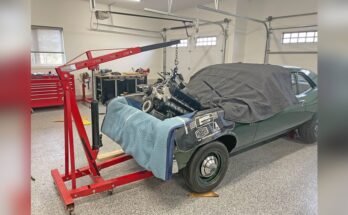
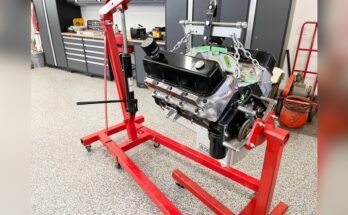
Removing a car engine can feel like a huge challenge, but with the right tools and guidance, you can do it safely and efficiently. If you want to save money and take control of your car repairs, learning how to use an engine hoist is a smart first step.
This tool makes lifting and moving your engine much easier, but only if you know the right techniques. You’ll discover clear, simple steps to use an engine hoist for car engine removal. By the end, you’ll have the confidence to handle the job like a pro—no guesswork, no stress.

49% off Today's Exclusive Deals
Limited-time Exclusive Deals. Check current discount on Amazon.
Check Price on Amazon As an Amazon Associate I earn from qualifying purchases.Ready to take control of your engine removal? Let’s get started.
Preparing The Workspace
Preparing the workspace is the first step in using an engine hoist for car engine removal. A clean, organized area helps the process go smoothly. It also keeps you safe and prevents damage to parts. Taking time to set up properly saves effort later and avoids mistakes.
Clear space around the vehicle and hoist. Gather all tools before starting. Follow safety rules strictly to protect yourself and others.
49% off Today's Exclusive Deals
Limited-time Exclusive Deals. Check current discount on Amazon.
Check Price on Amazon As an Amazon Associate I earn from qualifying purchases.Clearing The Area
Remove all unnecessary items near the car and hoist. Boxes, tools, and debris can cause trips or falls. Make sure there is enough room to move around freely. Clear paths help to handle the engine safely. A tidy workspace reduces the risk of accidents and damage.
Gathering Necessary Tools
Collect all tools needed for engine removal. Common tools include wrenches, screwdrivers, and safety gloves. Check the engine hoist’s condition and parts. Have extra chains or straps ready for secure lifting. Organize tools nearby for quick access. This avoids interruptions during the removal process.
Ensuring Safety Measures
Wear protective gear like gloves and safety glasses. Check the hoist’s weight capacity before lifting the engine. Use sturdy chains or straps to attach the engine. Keep children and pets away from the workspace. Make sure the car is stable and won’t move. Follow all safety instructions in the hoist manual. Safety prevents injuries and keeps the job efficient.
Setting Up The Engine Hoist
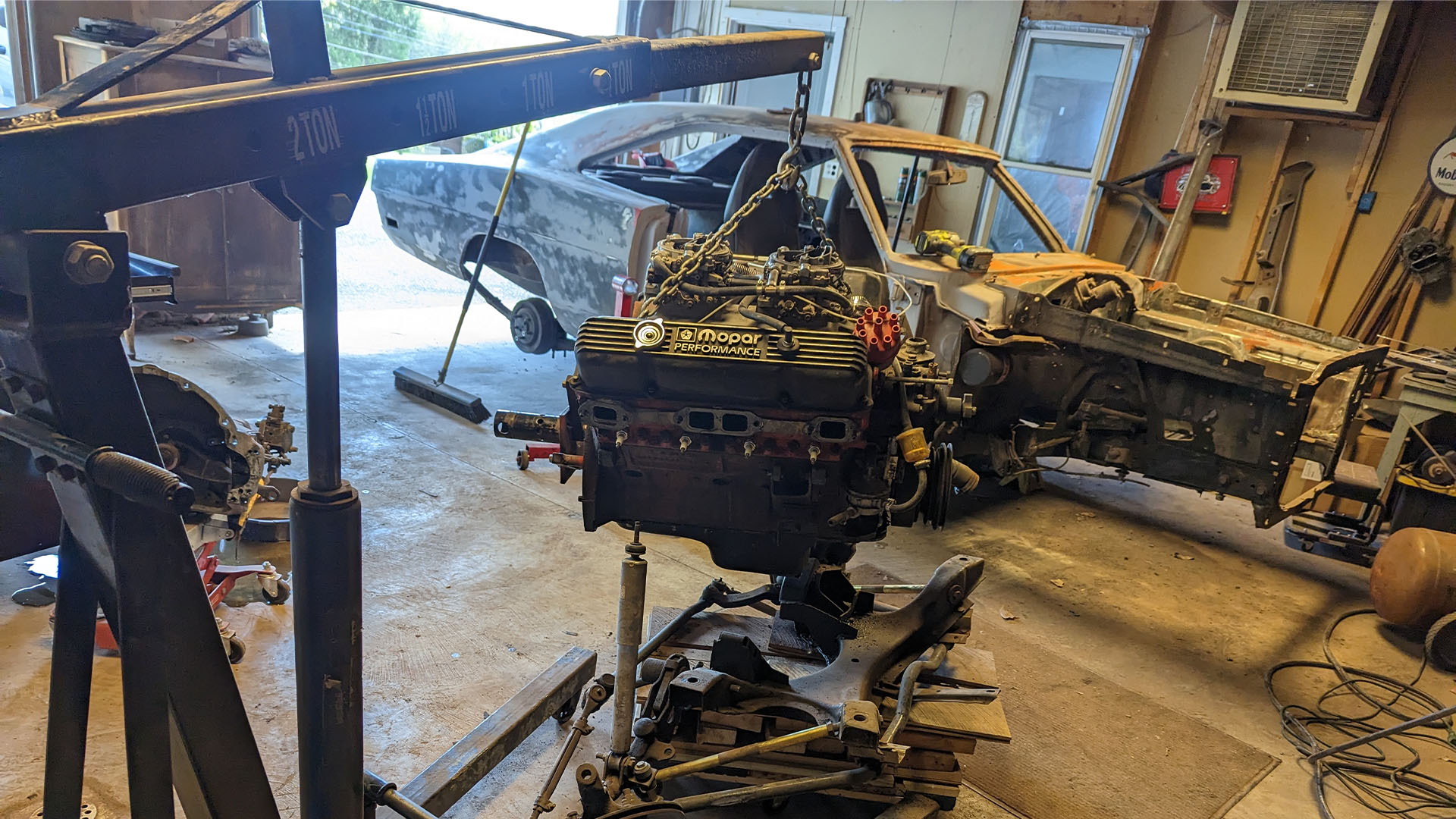
Setting up the engine hoist is the first step to remove your car engine safely. Proper setup helps avoid accidents and damage. Take your time to prepare the hoist correctly. This ensures smooth lifting and control during the process.
49% off Today's Exclusive Deals
Limited-time Exclusive Deals. Check current discount on Amazon.
Check Price on Amazon As an Amazon Associate I earn from qualifying purchases.Follow these key steps to get your engine hoist ready.
Assembling The Hoist
Start by unpacking all hoist parts. Check the instructions for assembly steps. Connect the legs to the main frame first. Tighten all bolts firmly. Attach the lifting arm to the frame. Make sure the hook and chain move freely. Test the hoist by lifting a small load. This confirms the hoist is ready for use.
Checking Weight Capacity
Find the maximum weight the hoist can lift. This information is on the hoist label or manual. Compare it to your engine’s weight. Never exceed the hoist’s limit. Overloading causes failure and injury. Use a scale or check engine specs to know the weight. Safety first.
Positioning The Hoist
Place the hoist on a flat, solid surface. Lock the wheels to stop movement. Align the hoist close to the engine bay. Make sure the lifting arm can reach the engine’s lifting points. Clear space around the hoist for easy movement. Confirm nothing blocks the engine’s path upward.
Preparing The Engine For Removal
Preparing the engine for removal is a key step in using an engine hoist. It helps make the process safer and easier. Taking time to prepare prevents damage to parts and avoids accidents. Follow these steps carefully before lifting the engine out.
Disconnecting Electrical Connections
Start by disconnecting all electrical wires attached to the engine. This includes the battery cables, sensors, and ignition wires. Use labels or take photos to remember where each wire connects. Disconnecting these wires stops short circuits and protects the vehicle’s electrical system.
Draining Fluids
Drain all fluids from the engine before removal. This includes oil, coolant, and fuel. Place containers under the engine to catch the fluids safely. Draining prevents spills and reduces weight, making the engine easier to lift. Handle all fluids carefully to avoid harm to yourself and the environment.
Removing Engine Accessories
Remove accessories like the alternator, power steering pump, and air conditioning compressor. Keep bolts and small parts organized. Removing these parts clears space around the engine. It also prevents damage to accessories during the lifting process. Use tools that fit well to avoid stripping bolts.

Attaching The Engine To The Hoist
Attaching the engine to the hoist is a critical step in removing a car engine safely. Proper attachment ensures the engine lifts smoothly without slipping or causing damage. Take your time to connect the engine securely before lifting. Careful setup prevents accidents and protects your tools and vehicle.
Locating Engine Lift Points
Find the engine lift points on the engine block first. These points are often marked by the manufacturer. They provide strong, secure spots to attach chains or hooks. Use the vehicle’s manual for exact locations. Never attach to weak or unknown parts of the engine.
Securing Chains And Hooks
Use strong chains and hooks designed for engine hoists. Wrap chains around the lift points firmly. Connect hooks to the chains securely. Make sure chains are not twisted or tangled. Tighten everything so the engine hangs evenly and steady.
Double-checking Connections
Before lifting, check all connections carefully. Pull on chains and hooks to test strength. Confirm lift points hold the chains tightly. Look for any slack or loose links. Double-checking avoids accidents during the lift.
Lifting The Engine Safely
Lifting the engine safely is the most important step in using an engine hoist. This process needs care and focus. Any mistake can cause damage or injury. Follow clear steps to keep control and protect yourself and the vehicle.
Operating The Hoist Controls
Start by understanding the hoist controls. These usually include a lever or pump handle. Use slow, steady movements to lift or lower the engine. Avoid sudden jerks to keep the engine stable. Always check that the hoist is locked in place before lifting. This prevents the engine from dropping unexpectedly.
Monitoring Engine Movement
Watch the engine closely as it moves. Look for any swinging or twisting. The engine should stay balanced and steady. Stop lifting if you notice any unusual motion. Adjust the chains or straps to fix the balance. Keep the area around the hoist clear. This helps you see everything and move freely.
Avoiding Common Hazards
Be aware of common hazards during lifting. Avoid standing under the engine or hoist. Ensure all bolts and chains are tight and secure. Check the hoist’s weight limit before starting. Never overload the hoist. Make sure the ground is level and solid. This stops the hoist from tipping over. Use gloves and safety glasses for extra protection.
Removing The Engine From The Vehicle
Removing the engine from the vehicle is a critical step in car repair or maintenance. It requires care and patience to avoid damage to the engine or the car. Using an engine hoist makes this job safer and easier. Follow these steps to move the engine out smoothly and securely.
Guiding The Engine Out
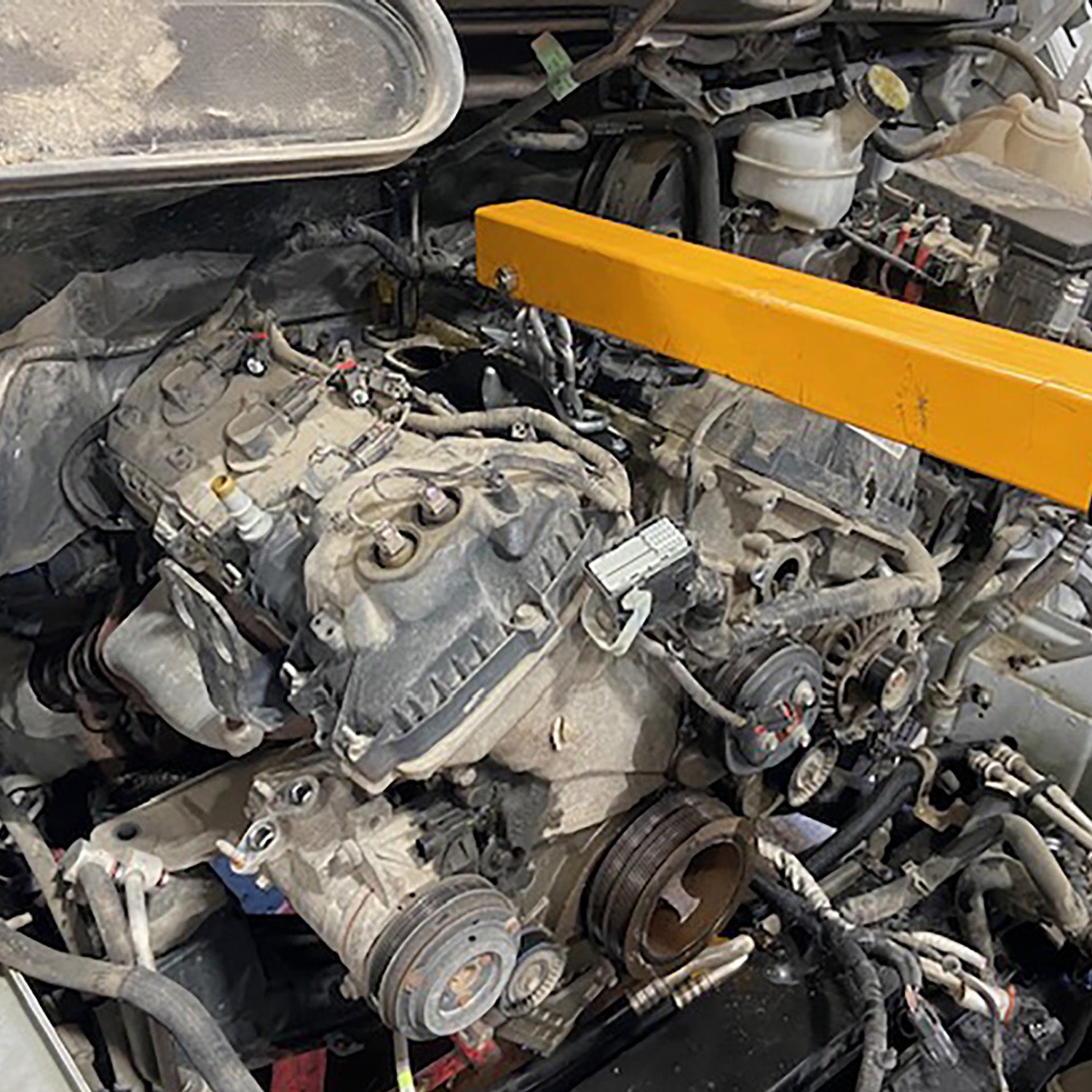
Slowly lift the engine with the hoist. Keep the engine steady. Use a helper to guide the engine out. Watch for any parts that might catch. Move the engine straight up and out of the car. Avoid sudden moves to prevent damage.
Clearing Obstructions
Check around the engine for wires or hoses. Remove any parts blocking the engine’s path. Keep the area clear to avoid accidents. Use tools to disconnect stuck parts carefully. Make sure nothing is hanging on the engine.
Placing The Engine On A Stand
Lower the engine slowly onto the stand. Secure the engine with bolts to prevent movement. Check the engine is stable before working on it. Use the stand to hold the engine at a good height. This makes repairs easier and safer.
Post-removal Steps
After removing the engine with an engine hoist, several important steps follow. These steps keep your workspace safe and prepare the engine and vehicle for the next tasks. Taking time for post-removal care can save effort later and protect your tools.
Inspecting The Engine And Vehicle
Check the engine carefully for any damage or leaks. Look for cracks, broken parts, or loose bolts. Inspect the vehicle’s engine bay for leftover debris or damage. This helps plan repairs or cleaning before installing a new engine.
Storing Tools And Equipment
Put all tools and equipment back in their places. Clean the engine hoist and any lifting straps. Proper storage keeps tools in good shape and easy to find. Organize parts removed from the engine in labeled containers. This prevents loss and speeds up reassembly.
Cleaning The Work Area
Clear the floor of oil spills, dirt, and parts. Sweep or wipe down surfaces to keep the area tidy. A clean workspace reduces accidents and improves workflow. Dispose of any waste materials according to local rules. A neat shop helps you work better and safer.
Frequently Asked Questions
What Is The Main Purpose Of An Engine Hoist?
An engine hoist safely lifts and removes a car engine. It supports heavy weight and provides stability. This tool helps mechanics avoid injury and damage during engine removal. It is essential for efficient engine repair or replacement.
How Do I Set Up An Engine Hoist Correctly?
Place the hoist on a flat surface and lock the wheels. Attach the lifting chain to secure engine points. Use the hydraulic jack to raise the engine slowly. Always double-check all connections before lifting to ensure safety.
Can I Use An Engine Hoist For All Car Engines?
Most engine hoists work for various engines but check weight capacity first. Heavy or large engines may need a higher capacity hoist. Always verify compatibility with your car model to avoid accidents or tool damage.
What Safety Precautions Should I Take When Using An Engine Hoist?
Wear gloves and eye protection during operation. Keep the area clear of obstacles and people. Never work under a suspended engine without support stands. Follow the manufacturer’s instructions for safe lifting and lowering procedures.
Conclusion
Using an engine hoist makes car engine removal safer and easier. Always check the hoist’s weight limit before starting. Secure the engine well to avoid accidents. Take your time and follow steps carefully. Proper tools help prevent damage to your car.
Keep your work area clean and organized. Practice patience for the best results. With careful work, you can remove your engine smoothly. Stay safe and work smart for success.