If you want your car to stay spotless and fresh, keeping your car vacuum clean and well-maintained is key. You probably use your vacuum to tackle dirt, crumbs, and pet hair, but over time, it can get clogged and lose power.
Imagine reaching for it, only to find it barely picking up anything. Frustrating, right? You’ll learn simple, effective steps to clean and maintain your car vacuum so it works like new every time. Keep reading to save money, boost performance, and enjoy a cleaner ride without extra hassle.

49% off Today's Exclusive Deals
Limited-time Exclusive Deals. Check current discount on Amazon.
Check Price on Amazon As an Amazon Associate I earn from qualifying purchases.
Credit: www.acurabyexecutive.com
Choosing The Right Car Vacuum
Choosing the right car vacuum makes cleaning easier and faster. It helps keep your car interior fresh and tidy. Picking a vacuum that fits your needs saves time and effort. Consider power, size, and how you will use it.
Corded Vs Cordless Models
Corded vacuums offer steady power without worrying about battery life. They work well for deep cleaning sessions. Cordless models provide freedom to move without a cord. They are good for quick cleanups and hard-to-reach places. Think about how often and where you will clean.
49% off Today's Exclusive Deals
Limited-time Exclusive Deals. Check current discount on Amazon.
Check Price on Amazon As an Amazon Associate I earn from qualifying purchases.Suction Power And Attachments
Strong suction removes dirt, dust, and crumbs easily. Check the vacuum’s suction rating before buying. Attachments like brushes and crevice tools reach tight spots. They help clean seats, carpets, and vents better. Choose a vacuum with useful accessories for your car’s needs.
Portability And Storage
Car vacuums should be easy to carry and store. Lightweight models reduce strain while cleaning. Compact size fits well in small spaces like glove compartments. Check if the vacuum has a storage bag or case. This keeps everything organized and ready to use.
Preparing Your Car Vacuum For Cleaning
Preparing your car vacuum for cleaning is an important step to keep it working well. It helps remove dust and dirt inside the vacuum. This process also stops damage to the vacuum parts. Taking time to prepare makes cleaning easier and safer.
Unplugging And Safety Measures
Always unplug the vacuum before cleaning. This stops electric shocks and accidents. Check the power cord for any damage. Use gloves if the vacuum is very dirty. Keep the vacuum away from water during cleaning.
49% off Today's Exclusive Deals
Limited-time Exclusive Deals. Check current discount on Amazon.
Check Price on Amazon As an Amazon Associate I earn from qualifying purchases.Emptying The Dust Container
Open the dust container carefully. Empty all the dust and debris into a trash bin. Tap the container gently to remove stuck dirt. Do not let dust spill around the area. A clean container helps the vacuum work better.
Removing Filters And Attachments
Take out all filters and attachments from the vacuum. Check the filter type before removing it. Clean or replace filters as needed for better suction. Wash washable filters with water and let them dry. Clean attachments with a damp cloth to remove dirt.
Cleaning The Dust Container And Filters
Cleaning the dust container and filters is key to keeping a car vacuum working well. Dust and dirt build up quickly inside. This can block airflow and reduce suction power. Regular cleaning helps the vacuum last longer and work better.
Emptying the dust container and washing the filters often prevents clogs. Dirt and debris can stick to the filter material. This makes the vacuum pull less air. Cleaning these parts keeps the vacuum strong and efficient.
Washing And Drying Filters
Remove the filters carefully from the vacuum. Tap them gently to shake off loose dust. Rinse the filters under cold water to clean them well. Avoid using soap unless the manual says it is safe.
Let the filters air dry completely. It can take up to 24 hours. Never put wet filters back in the vacuum. Moisture can damage the motor and cause mold.
Removing Debris From The Container
Take out the dust container from the vacuum. Dump all dust and dirt into a trash bin. Use a small brush or cloth to clean corners and edges. Check for stuck debris that blocks airflow.
Wipe the container with a damp cloth for a thorough clean. Make sure it is dry before placing it back. A clean container keeps the vacuum working smoothly.
Replacing Or Upgrading Filters
Filters wear out over time and lose effectiveness. Check the filter for tears, holes, or excessive dirt. Replace it if damaged or very dirty. This keeps the vacuum’s suction strong.
Some vacuums allow filter upgrades. Higher quality filters trap more dust and allergens. Upgrading can improve cleaning and air quality inside your car.
Maintaining The Vacuum Motor And Suction
Maintaining the vacuum motor and suction keeps your car vacuum working well. A strong motor and clear suction path make cleaning easier. Regular care helps avoid breakdowns and keeps the vacuum lasting longer.
Checking For Blockages
Blockages reduce suction power and strain the motor. Check the hose, nozzle, and filters for dirt or debris. Remove any clogs carefully to keep air flowing freely. Clean filters regularly to avoid buildup and maintain performance.
Lubricating Moving Parts
Some car vacuums have moving parts that need lubrication. Use light machine oil on bearings and motor parts. This reduces friction and wear, helping the motor run smoothly. Avoid over-lubricating to prevent dust from sticking inside.
Testing Suction Strength
Test suction by vacuuming a small pile of dirt or paper bits. Check if the vacuum picks up debris easily. Weak suction may mean blockages or motor issues. Regular testing helps catch problems early and keeps cleaning effective.
Storing Your Car Vacuum Properly
Storing your car vacuum properly helps keep it working well for a long time. Proper storage protects the vacuum from damage and keeps it ready for use. A few simple steps can extend the life of your vacuum and make cleaning easier.
Avoiding Extreme Temperatures
Keep your car vacuum away from very hot or cold places. Extreme heat can melt parts or damage batteries. Freezing cold can cause cracks or make the vacuum stop working. Store it in a place with stable, mild temperatures.
Organizing Cords And Attachments
Wrap cords neatly to stop them from tangling or breaking. Use hooks or ties to keep cords in place. Store attachments together in a small box or bag. This prevents loss and keeps everything easy to find.
Choosing A Safe Storage Spot
Pick a dry and clean place for your vacuum. Avoid damp areas that cause rust or mold. A shelf or cupboard works well. Make sure the spot is easy to reach for quick cleaning.
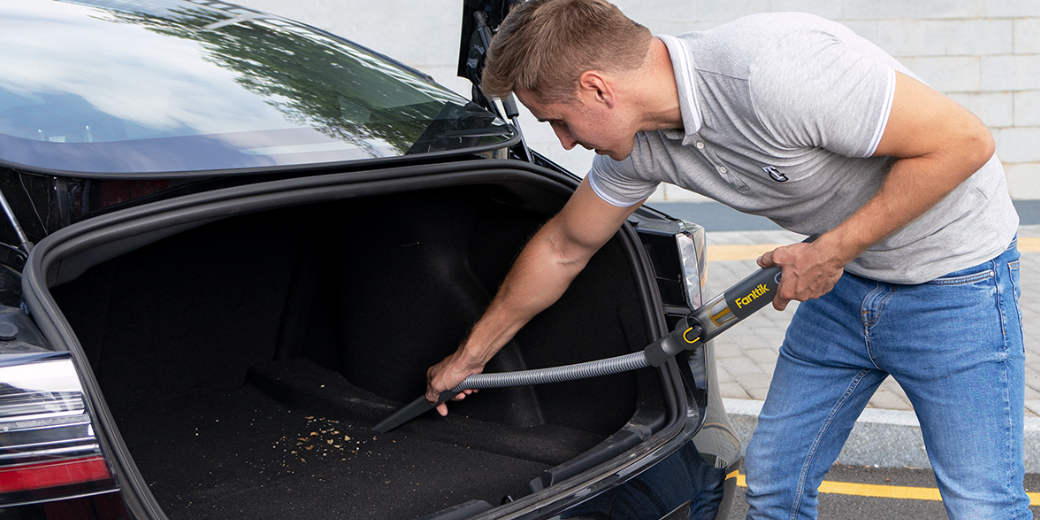
Credit: fanttik.com
Troubleshooting Common Issues
Car vacuums need regular care to work well. Sometimes, issues stop them from cleaning properly. Knowing how to fix these problems saves time and money. This section helps you spot and solve common troubles. Follow simple steps for better vacuum performance.
Weak Suction Problems
Weak suction means less dirt gets cleaned. Check if the vacuum bag or container is full. Empty it to improve suction. Look for blockages in the hose or nozzle. Clear any dirt stuck inside. Clean or replace the filter often. Dirty filters reduce airflow and suction power.
Overheating And Shutting Off
Vacuum overheating can cause it to stop working. Dust buildup inside blocks air vents. Remove dust from vents and motor area. Avoid running the vacuum for too long at once. Let it rest between uses to cool down. Using the wrong power source may cause overheating. Use the correct charger or battery for your model.
Unusual Noises And Vibrations
Strange sounds or shaking signals a problem. Check for loose parts or screws. Tighten any loose components carefully. Debris stuck in the brush or motor can cause noise. Remove all dirt and objects from these parts. Worn-out brushes or belts need replacing. Regular inspection prevents damage and keeps your vacuum quiet.
Tips For Prolonging Vacuum Life
Taking care of your car vacuum helps it last longer and work better. Simple habits can keep it in good shape. These tips show how to protect your vacuum and avoid common problems.
Regular Cleaning Schedule
Clean the vacuum often to keep it running well. Empty the dust container after each use. Wash or replace filters regularly to avoid blockages. Check the brush and nozzle for hair or dirt. A clean vacuum holds strong suction power longer.
Using The Right Attachments
Choose the correct attachment for each cleaning task. Use small nozzles for tight spaces. Soft brushes work best on delicate surfaces. Proper tools reduce wear on the vacuum parts. Attachments help clean better and protect your machine.
Avoiding Wet Or Large Debris
Never vacuum water or large pieces. Liquids can damage the motor and electrical parts. Big debris may clog or break the vacuum. Use a separate tool for wet spills or large trash. Keeping wet and big items away extends vacuum life.

Credit: www.airtasker.com
Frequently Asked Questions
How Often Should I Clean My Car Vacuum Filter?
Clean your car vacuum filter after every 3-4 uses. This prevents clogging and maintains suction power. Regular cleaning extends the vacuum’s lifespan and improves performance.
What Is The Best Way To Empty A Car Vacuum?
Empty the dust container or bag when it’s about two-thirds full. This ensures optimal suction and prevents motor strain. Always do it in a trash bin to avoid mess.
Can I Use Water To Clean My Car Vacuum Filter?
Only if the filter is washable. Check the manual first. Wash gently with water, let it air dry completely before reinstalling to avoid damage.
How Do I Maintain My Car Vacuum’s Motor?
Keep vents clear of dust and debris to prevent overheating. Avoid overusing it continuously. Regular filter and container cleaning also helps maintain the motor’s efficiency.
Conclusion
Regular cleaning keeps your car vacuum working well and lasting longer. Empty the dustbin often to avoid clogs. Clean or replace filters to keep the suction strong. Check brushes and attachments for dirt and hair. Store the vacuum in a dry place to protect it.
Small efforts make a big difference in performance. A clean vacuum means a cleaner car interior. Keep up with maintenance to save time and money later. Simple steps lead to better results every time.