Installing a winch on a truck can transform how you approach off-road adventures, heavy-duty work, or unexpected roadside emergencies. For many truck owners, a winch is not just an accessory—it’s a lifeline. But if you’ve never installed one before, the process can seem complex and even intimidating.
This guide will walk you through every step, from choosing the right winch to final testing, using simple language and clear instructions. Whether you’re a DIY enthusiast or a beginner, you’ll gain the confidence to get the job done safely and effectively.

49% off Today's Exclusive Deals
Limited-time Exclusive Deals. Check current discount on Amazon.
Check Price on Amazon As an Amazon Associate I earn from qualifying purchases.Understanding Winches And Why You Need One
A winch is a powered device used to pull or lift heavy items, most often with a strong steel cable or synthetic rope. For truck owners, a winch is essential for situations like pulling your vehicle out of mud, moving obstacles, or helping others in need. The most common type for trucks is the electric winch, usually mounted on the front bumper.
There are two main reasons truck owners install winches:
- Off-road recovery: If you drive in remote areas, you may get stuck in mud, snow, or sand.
- Work utility: Farmers, ranchers, and contractors use winches for loading, moving logs, or equipment.
Installing a winch is not just about power—it’s about being prepared for the unknown.
49% off Today's Exclusive Deals
Limited-time Exclusive Deals. Check current discount on Amazon.
Check Price on Amazon As an Amazon Associate I earn from qualifying purchases.Choosing The Right Winch For Your Truck
Before you start installation, picking the right winch is critical. Not all winches are created equal, and the wrong choice can lead to poor performance or even damage.
Key Factors To Consider
- Pulling capacity: This is the maximum weight the winch can pull. A common guideline is to choose a winch rated at least 1.5 times the gross vehicle weight rating (GVWR) of your truck. For example, if your truck weighs 6,000 lbs, pick a winch with at least 9,000 lbs capacity.
- Cable type: Steel cables are strong and durable but heavier. Synthetic ropes are lighter and safer if they snap but may wear faster.
- Motor type: Most truck winches use a series-wound motor (good for frequent, heavy use) or a permanent magnet motor (quieter, for light use).
- Mounting options: Decide if you want a bumper-mounted, receiver-mounted, or hidden winch. Bumper-mounted is the most common and strongest.
Example Winch Size Guide
Here’s a quick reference for matching your truck weight with winch pulling power:
| Truck GVWR | Recommended Winch Capacity |
|---|---|
| 4,000 – 5,000 lbs | 8,000 – 9,500 lbs |
| 5,001 – 6,500 lbs | 10,000 – 12,000 lbs |
| 6,501 – 8,000 lbs | 12,000 – 15,000 lbs |
Common Mistakes When Choosing
- Buying a winch that’s too weak for your truck’s weight.
- Overlooking the mounting compatibility with your truck’s bumper.
- Not considering power supply—winches draw a lot of current.

Tools And Materials Needed
Preparation saves time and headaches. Here’s what you’ll need:
- Winch kit (includes winch, cables, and remote)
- Mounting plate or winch-ready bumper
- Socket and wrench set
- Drill and drill bits (if new holes are needed)
- Torque wrench
- Screwdrivers
- Measuring tape
- Electrical tape
- Wire cutters/strippers
- Safety gloves and glasses
- Rust-proof paint (for new holes)
Some winch kits come with mounting hardware; check before you buy extra bolts or brackets.
49% off Today's Exclusive Deals
Limited-time Exclusive Deals. Check current discount on Amazon.
Check Price on Amazon As an Amazon Associate I earn from qualifying purchases.Safety Precautions Before Installation
Safety is often overlooked. Here are two things beginners often miss:
- Disconnect the battery before starting any wiring. This prevents accidental shorts or sparks.
- Wear gloves and glasses when handling cables and drilling metal—winch cables can fray, and metal shavings can injure eyes.
Check your truck’s manual for any warnings about modifying the bumper or frame.
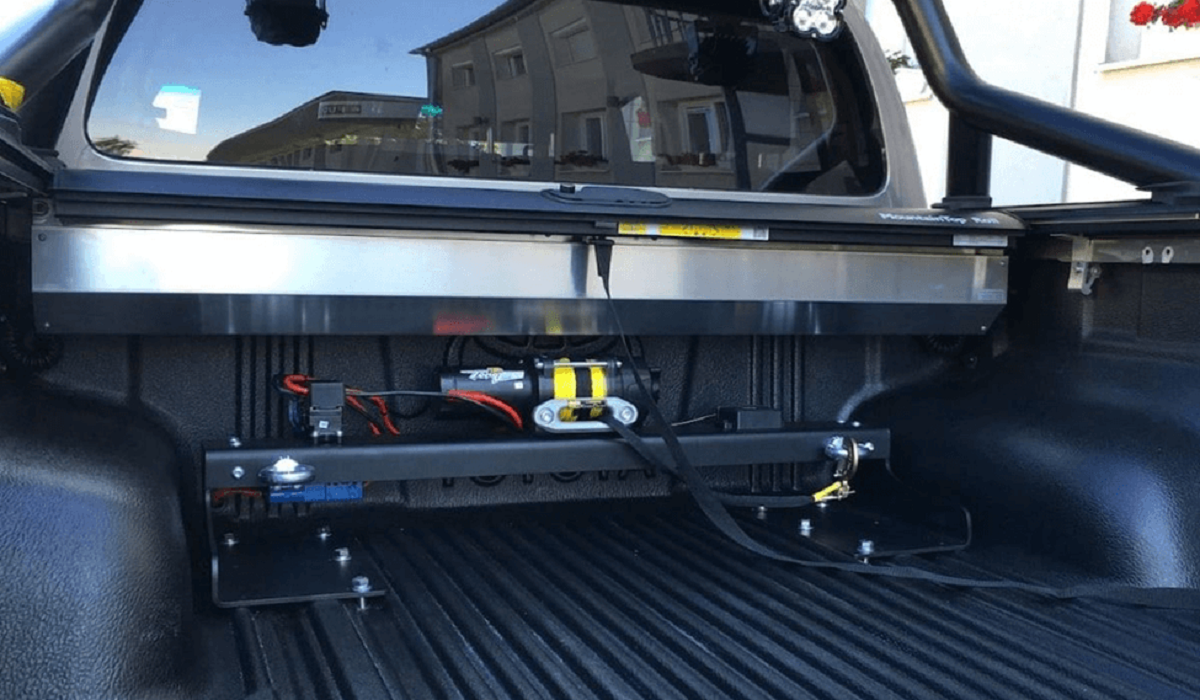
Step-by-step Winch Installation
Let’s break down the process so you can follow along with confidence.
1. Prepare Your Truck
Park on a flat, solid surface. Engage the parking brake. Open the hood and disconnect the negative terminal of the battery to prevent electrical accidents.
If your truck has a factory winch-ready bumper, you’re ahead. If not, you may need to remove the bumper or existing trim.
2. Assemble The Winch
Unbox your winch and lay out all parts. Attach the fairlead (the guide for the cable or rope) to the mounting plate as instructed. If the winch has a removable control box, mount it now.
3. Position The Mounting Plate
If your truck doesn’t have a winch-ready bumper, you’ll need a mounting plate. This plate spreads the pulling force across your truck’s frame.
- Place the mounting plate on the bumper or frame.
- Align mounting holes with existing holes; if none, mark and drill new ones using a drill bit sized for your bolts.
- Apply rust-proof paint to any new holes to prevent corrosion.
4. Bolt The Winch To The Plate
Lift the winch onto the mounting plate (it’s heavy—ask for help if needed). Insert the mounting bolts through the winch and plate into the bumper or frame. Tighten the bolts with a torque wrench to the recommended values.
| Winch Size | Typical Bolt Torque |
|---|---|
| 8,000 – 10,000 lbs | 35 – 40 ft-lbs |
| 12,000 – 15,000 lbs | 45 – 50 ft-lbs |
Always check your winch manual for the exact torque. Loose bolts can cause dangerous winch movement during use.
5. Install The Fairlead
The fairlead prevents the cable or rope from rubbing against sharp edges. Bolt it to the outside of the bumper, aligned with the winch drum.
- For steel cable, use a roller fairlead.
- For synthetic rope, use a hawse fairlead (smooth, rounded).
6. Route The Winch Cable Or Rope
Feed the winch cable or rope through the fairlead. Pull out a few feet so you can attach the winch hook later.
If using synthetic rope, keep it clean and avoid sharp bends. For steel cable, wear gloves to avoid cuts from frayed wires.
7. Wire The Winch To Your Truck Battery
Wiring is the most crucial part—done incorrectly, it can damage your winch or truck.
- Run the positive (red) cable from the winch to the positive battery terminal.
- Run the negative (black) cable to the negative battery terminal or a clean frame ground.
- Use the supplied cable ties to keep wires away from hot or moving parts (like the radiator fan).
- If your winch has a solenoid box, mount it in a dry, protected place (often on top of the winch or under the hood).
- Connect the remote control as per instructions.
Tip: Some trucks have dual batteries. Make sure to connect to the primary battery that powers the starter.
8. Test Electrical Connections
Before using the winch, double-check all wiring. Reconnect the truck battery. With the ignition off, use the winch remote to “spool out” and “spool in” the cable.
Look for:
- Smooth operation (no strange noises)
- No spark or smoke at battery terminals
- Secure, non-heating cables
If anything seems wrong, disconnect the battery and check all connections.
9. Attach The Winch Hook
Install the winch hook at the end of the cable or rope using the supplied pin and cotter key. Make sure it’s secure.
10. Final Checks
Before hitting the road, check:
- All bolts are tight
- Fairlead is properly mounted
- Cable is neatly spooled
- Remote control works from a safe distance
- No wires are touching hot engine parts
Here’s a quick installation summary for reference:
| Step | Key Action |
|---|---|
| 1 | Disconnect battery, prepare truck |
| 2-3 | Assemble winch and mounting plate |
| 4-5 | Bolt winch and fairlead, align parts |
| 6-7 | Route cable, wire to battery |
| 8-10 | Test, attach hook, final checks |
Practical Installation Tips And Troubleshooting
Even with clear instructions, small details can make a big difference. Here are practical tips and solutions for common challenges:
- Test-fit everything before tightening bolts. Sometimes, brackets or plates are slightly off, especially with aftermarket bumpers.
- If you drill new holes, always paint the exposed metal to prevent rust.
- Use split washers or thread-locking compound on bolts to keep them tight during vibration.
- Route the wiring on the shortest, safest path—avoid sharp corners, moving parts, and hot surfaces.
- If your truck is lifted, check that the winch mounting does not block airflow to the radiator.
Non-obvious insight: Many beginners forget to spool the cable under light tension after installation. Run the winch with a small load (like pulling your truck slowly on flat ground) to lay the cable tightly and evenly on the drum. Loose spooling can cause the cable to bind or even cut itself.
Another detail: Always check local laws. In some areas, winch hooks or protruding hardware must not stick out beyond the bumper for safety reasons.
Maintenance After Installation
Your winch isn’t set-and-forget. Regular maintenance keeps it reliable and extends its life.
- Inspect the cable or rope after each use for fraying or kinks.
- Check bolts and wiring monthly or before long trips.
- Keep the winch clean—remove mud, sand, or salt to prevent corrosion.
- Lubricate moving parts as recommended by the manufacturer.
- Store the remote control in a dry, safe place.
If using a synthetic rope, cover it when not in use. UV rays can weaken it over time.
Common Mistakes And How To Avoid Them
Even experienced DIYers make mistakes during winch installation. Here’s what to watch for:
- Skipping the mounting plate: Never bolt a winch directly to a thin bumper. Always use a plate designed to spread the load.
- Ignoring electrical safety: Poor wiring can lead to battery drain, fires, or winch failure. Always use the proper gauge wire and secure all connections.
- Mounting the winch too low: Low-mounted winches are more exposed to water and debris, leading to premature failure.
- Not following torque specs: Over-tightening can strip threads; under-tightening can let bolts loosen over time.
- Testing with a fully extended cable: Always leave at least five wraps on the drum. Pulling to the very end can cause the cable to slip or break.

When To Seek Professional Help
Sometimes, it’s best to call a pro. Consider expert installation if:
- Your truck has complex electronics (newer trucks often do).
- You need custom welding or cutting.
- The winch or bumper is extremely heavy.
- You lack the proper tools or a safe workspace.
Professional installation ensures the winch is mounted safely, meets all legal requirements, and is ready for any emergency. If you’re unsure, many off-road shops offer this service at a reasonable cost.
Example: Installing A Winch On A 2018 Ford F-150
Let’s look at a real-world example for more clarity.
Truck: 2018 Ford F-150, 5,500 lbs GVWR
Winch: 9,500 lbs electric winch with synthetic rope
Mounting: Aftermarket winch-ready steel bumper
Process:
- Removed the factory bumper and installed the winch-ready replacement.
- Bolted the mounting plate to the bumper using Grade 8 bolts.
- Mounted the winch and fairlead, following the torque specs in the manual.
- Routed the positive and negative cables up to the battery, using zip ties to keep them clear of the radiator fan.
- Mounted the solenoid box under the hood for weather protection.
- Tested operation with the remote. Spooling in and out worked smoothly.
- Attached the winch hook and checked all bolts before final use.
Result: The F-150 gained strong self-recovery ability, and the installation took about 3 hours.
Legal And Warranty Considerations
Adding a winch may affect your truck’s warranty or insurance. Here’s what you need to know:
- Warranty: Drilling or cutting may void parts of your bumper/frame warranty. Check with your dealer.
- Insurance: Some insurers require notification if you modify your vehicle, especially for off-road use.
- Legal: In some states, protruding hooks or hardware must not extend beyond the bumper. Always check local laws.
For more on vehicle modifications and the law, see this Wikipedia page on vehicle modification.
Frequently Asked Questions
What Size Winch Should I Install On My Truck?
Choose a winch rated at least 1.5 times your truck’s gross vehicle weight rating (GVWR). For example, if your truck weighs 6,000 lbs, a 9,000 lbs winch is the minimum.
Can I Install A Winch Without A Winch-ready Bumper?
Yes, but you’ll need a winch mounting plate that fits your truck’s frame. Never mount a winch directly to a factory bumper unless it’s rated for winch use.
Is Synthetic Rope Or Steel Cable Better For Truck Winches?
Synthetic rope is lighter and safer if it breaks, but can be damaged by UV or chemicals. Steel cable is more durable but heavier and can injure if it snaps. Choose based on your needs and environment.
Will Installing A Winch Drain My Truck Battery?
A winch draws a lot of power during use. For heavy winching, keep the engine running to recharge the battery, and consider a dual battery setup for frequent use.
Do I Need To Upgrade My Truck’s Electrical System For A Winch?
For most trucks, the stock battery and alternator are enough for light winching. If you plan to use the winch often or for long pulls, upgrading to a higher capacity battery or alternator is wise.
Installing a winch on your truck is one of the smartest upgrades for off-roaders and work trucks alike. With careful planning, the right tools, and attention to detail, you can handle the installation yourself and enjoy the confidence that comes with self-recovery capability—no matter where the trail leads.


