How Long Can A Winch Run Continuously
If you use a winch for off-roading, construction, or vehicle recovery, you may wonder: how long can a winch run continuously? This is a critical question. Overusing a winch can damage its motor, battery, or even put you in a tough spot during recovery. Understanding winch duty cycles, heat buildup, and the factors affecting runtime can help you use your winch safely and get the most value from your equipment. Let’s explore what really matters when it comes to winch runtime and how you can make smart choices in the field.
What Is A Winch Duty Cycle?
The duty cycle is the percentage of time a winch can run under load compared to the total time, including rest periods. For example, a 30% duty cycle at 8,000 lbs means the winch can operate for 3 minutes under full load, then must cool down for 7 minutes. Most winches are not designed for continuous use under heavy loads. If you ignore the duty cycle, you risk overheating and damaging the motor or solenoid.

49% off Today's Exclusive Deals
Limited-time Exclusive Deals. Check current discount on Amazon.
Check Price on Amazon As an Amazon Associate I earn from qualifying purchases.Common Duty Cycles For Winches
Winch duty cycles are usually listed in the manual. Here are some typical values:
| Winch Type | Typical Duty Cycle (%) | Max Run Time (min, Full Load) | Rest Time (min) |
|---|---|---|---|
| Entry-Level (ATV/UTV) | 5-10% | 0.5-1 | 9-10 |
| Standard Truck Winch | 15-30% | 1.5-3 | 7-8.5 |
| Heavy-Duty Commercial | 30-50% | 3-5 | 5-7 |
Key insight: Higher-rated winches do not always mean longer run times. The motor design and cooling matter more than just pulling power.
Factors That Affect How Long A Winch Can Run
It’s tempting to think you can just run your winch until the job is done. But several factors will change how long your winch can actually operate before you need a break.
49% off Today's Exclusive Deals
Limited-time Exclusive Deals. Check current discount on Amazon.
Check Price on Amazon As an Amazon Associate I earn from qualifying purchases.1. Winch Motor Type
Most winches use either a series wound motor or a permanent magnet (PM) motor.
- Series wound motors: Handle heat better, last longer under heavy loads, and are typical in high-end winches.
- PM motors: Cheaper, lighter, but overheat faster and have shorter duty cycles.
2. Load Weight
The heavier the load, the more current the motor draws and the faster it heats up. Winching a small ATV or pulling a car out of mud will not stress the winch equally. Always check the actual load on the cable, not just the weight of your vehicle.
3. Cable Layer On The Drum
As the cable winds up, the effective pulling power drops and the speed increases. The motor works harder with fewer cable layers, especially at the bottom of the drum.
4. Ambient Temperature
Hot weather means your winch will heat up quicker. In cold conditions, you might get a bit more runtime, but don’t rely on this. Direct sunlight on the winch also raises its temperature.
49% off Today's Exclusive Deals
Limited-time Exclusive Deals. Check current discount on Amazon.
Check Price on Amazon As an Amazon Associate I earn from qualifying purchases.5. Electrical System Health
A weak battery or thin wiring can cause voltage drops, making the motor work harder and generate more heat. Clean connections and a strong battery extend safe run times.
6. Motor Cooling
Some winches have built-in fans or heat sinks. These features help the winch cool faster and run longer, especially in high-demand situations.
Beginner mistake: Many users only watch the load, not the heat. It’s easy to overheat a winch even when the load feels “manageable.”
How To Calculate Safe Winch Run Time
To avoid overheating, you need to estimate the safe run time for your winch. While manufacturer charts are best, you can use these simple rules:
- Check the Manual: Look for duty cycle specs.
- Monitor the Motor Heat: If you can’t touch the winch motor for more than 2 seconds, stop and let it cool.
- Estimate with Duty Cycle: For a 20% duty cycle, run 2 minutes, rest 8 minutes.
- Listen and Smell: If you hear odd noises or smell burning, stop immediately.
Example: Calculating Duty Cycle
Suppose your winch has a 25% duty cycle at full load. If you plan to winch for 12 minutes, divide by 4: you should only winch for 3 minutes, then rest for 9.
Non-obvious insight: Duty cycles are usually rated at full load. If you’re pulling less weight, you may get a bit more runtime, but always err on the side of caution.
Real-world Winch Run Time Examples
Let’s look at some real numbers from popular winch models:
| Winch Model | Rated Pull (lbs) | Motor Type | Max Continuous Pull (min) | Rest Time (min) |
|---|---|---|---|---|
| Warn VR EVO 10 | 10,000 | Series Wound | 2.5 | 7.5 |
| Smittybilt XRC GEN3 9.5K | 9,500 | Series Wound | 2-3 | 7-8 |
| Badland ZXR 12,000 | 12,000 | PM Motor | 1.5 | 8.5 |
| Superwinch Tiger Shark 9500 | 9,500 | Series Wound | 3 | 7 |
Notice that even high-powered winches can only run for a few minutes under maximum load before needing a long cooldown.
What Happens If You Overrun A Winch?
If you push your winch beyond its rated cycle, several bad things can happen:
- Motor Overheating: Insulation melts, damaging windings.
- Solenoid Failure: The relay that controls the winch can stick or burn out.
- Cable Damage: Excess heat can weaken synthetic rope or steel cable.
- Battery Drain: Prolonged use can drain your battery quickly, leaving you stranded.
Sometimes, winch failure isn’t immediate. Running hot can shorten the life of your winch, causing failure months later when you need it most.
Tips For Extending Winch Run Time Safely
You can’t make a winch run forever, but you can use some smart strategies to get the most out of your equipment.
1. Use A Snatch Block
A snatch block doubles your pulling power and cuts the load on your winch in half. This means the motor draws less current and heats up more slowly.
2. Plan Your Pull
Don’t start winching until you’re set up. Clear obstacles, attach the cable, and communicate with helpers. The less time under load, the better.
3. Let The Motor Cool
After each pull, let the winch rest as long as possible. Use the time to check connections or adjust the cable.
4. Use The Right Battery
A deep-cycle AGM battery handles winch loads better than a standard starting battery. Consider adding a second battery for hard recoveries.
5. Upgrade Your Wiring
Thicker cables reduce voltage drop and heat. Upgrade to at least 2 AWG wiring for most winches.
6. Keep Your Winch Clean
Mud and debris trap heat. Clean the winch drum and motor housing regularly.
7. Watch For Warning Signs
If you notice slow winch speed, strange noises, or a hot smell, stop immediately. Waiting just a few minutes can prevent expensive repairs.
Practical tip: Carry a cheap infrared thermometer. It helps you check motor temperature quickly and avoid guesswork.
Winch Duty Cycle Vs. Continuous Rating: What’s The Difference?
Some users confuse duty cycle with continuous rating. Here’s the difference:
- Duty Cycle: How long you can run the winch at a certain load before resting.
- Continuous Rating: The load the winch can handle continuously without overheating.
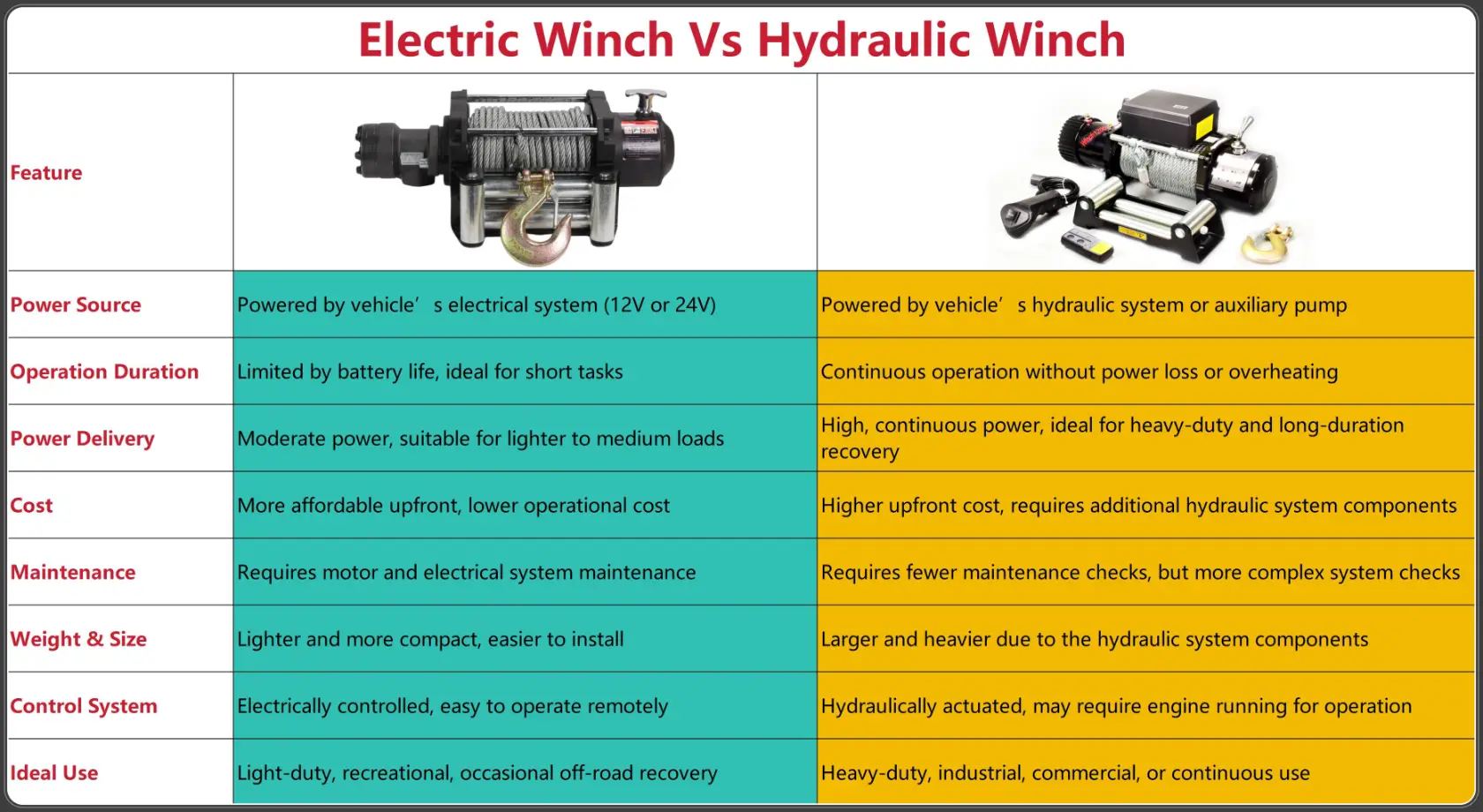
Most consumer winches are NOT rated for continuous use under heavy loads. Industrial winches sometimes have a continuous rating, but they are rare and expensive.
Beginner insight: Never assume your winch is “continuous duty” unless the manual says so.
How Winch Design Affects Run Time
Not all winches are the same. Design choices can make a big difference in how long you can run your winch safely.
Motor Venting And Cooling
Some winches have vented housings or even small cooling fans. These features help move heat away from the motor, especially during long pulls.
Gear Ratio
A higher gear ratio means more mechanical advantage and less stress on the motor, but slower line speed. Lower ratios pull faster but strain the motor more.
Materials And Construction
Winches with aluminum housings cool faster than those with thick steel cases. Sealed motors may run hotter but resist water and mud better.
Solenoid Type
Modern winches often use contactors instead of traditional solenoids. Contactors handle heat better and last longer under heavy use.
Common Myths About Winch Run Time
A lot of advice about winch operation is wrong or outdated. Let’s clear up some myths:
- “Bigger winch means longer run time.” Not always true. Bigger winches may have the same or lower duty cycles if the motor isn’t designed for heavy use.
- “Synthetic rope lets you run longer.” The cable material has little effect on motor heat, but synthetic rope is lighter and safer.
- “You can run at low speed forever.” Even at low speed, the motor heats up. Always watch the motor temperature.
- “Double-line pulls aren’t necessary.” Using a snatch block is one of the easiest ways to extend run time and increase safety.
Pro tip: Never wrap the winch cable around itself or a tree; always use a proper tree saver strap.
Case Studies: Real-life Winch Use
To understand how these rules apply, let’s look at two examples.
Case 1: Off-road Recovery
An off-roader in a Jeep Wrangler uses a 9,500-lb winch to pull out of deep mud. The full recovery takes 12 minutes, but the driver runs the winch for 3 minutes, stops for 9 minutes, then repeats. The winch stays cool, and the battery has time to recover.
Case 2: Towing A Trailer
A farmer uses a 12,000-lb winch to pull a stuck trailer. He ignores the rest periods and runs the winch for 6 minutes straight. The winch motor overheats and burns out the solenoid, costing $200 in repairs.
Lesson: Following the manufacturer’s duty cycle pays off in reliability and long-term savings.
How To Tell If Your Winch Is Overheating
Not everyone can measure temperature directly, but here’s what to look for:
- The motor housing is too hot to touch for more than a second.
- You smell hot insulation or burning plastic.
- The winch slows down or stops suddenly.
- The solenoid clicks but the motor doesn’t turn.
If you notice any of these signs, stop using the winch and let it cool down completely.
Advanced tip: Some high-end winches include thermal sensors that cut power if the motor gets too hot. If your winch doesn’t have this feature, be extra careful.
Upgrades And Accessories That Help
If you need longer winching sessions, consider these upgrades:
- Winch Cooling Fans: Aftermarket fans can reduce motor temperature by up to 20%.
- Heavy-Duty Solenoids: Handle more current and last longer under tough conditions.
- Dual-Battery Setup: Keeps voltage up and reduces battery stress.
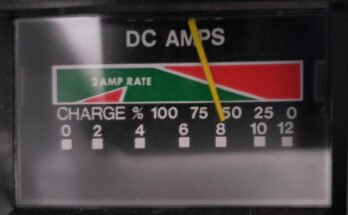
- Digital Amp Meter: Lets you monitor current draw and avoid overload.
- Synthetic Winch Rope: Easier to handle, safer, and lighter, making manual resets faster during cool-down periods.

Comparing Popular Winches By Duty Cycle
Here’s a side-by-side look at some popular models and their duty cycles:
| Brand/Model | Rated Load (lbs) | Motor Type | Duty Cycle (%) | Continuous Pull Time (min) |
|---|---|---|---|---|
| Warn Zeon 10-S | 10,000 | Series Wound | 20 | 2 |
| Superwinch SX10SR | 10,000 | PM Motor | 15 | 1.5 |
| Rough Country PRO9500S | 9,500 | Series Wound | 25 | 2.5 |
Always consult your winch’s manual for the most accurate numbers.
Essential Safety Reminders
- Never let children operate a winch.
- Keep hands and clothing away from the cable and drum.
- Always use gloves with steel winch cable.
- Stand clear during operation; winch lines can snap.
- Carry a fire extinguisher in your vehicle in case of electrical fires.

Frequently Asked Questions
How Long Can I Run My Winch Before It Overheats?
Most winches can run 1.5 to 3 minutes under maximum load before needing a 7–10 minute rest. Always check your manual, as some smaller winches may need to stop sooner.
Can I Use My Winch Continuously If I’m Pulling A Light Load?
You may get more runtime with a light load, but the motor still heats up. It’s safer to follow the rated duty cycle and check the motor temperature by touch.
What Happens If I Ignore The Duty Cycle?
Ignoring the duty cycle can cause overheating, motor damage, or solenoid failure. This may not happen instantly but will reduce the life of your winch.
Does Adding A Second Battery Help My Winch Run Longer?
A second battery helps keep voltage high, especially during long pulls, but it does not prevent the motor from overheating. It’s useful for multiple winching sessions but not for extending single-session runtime.
Where Can I Learn More About Safe Winch Operation?
You can find more details and best practices at the Wikipedia Winch page.
Using your winch correctly is just as important as choosing the right model. By understanding duty cycles, monitoring heat, and following safe practices, you’ll get reliable performance and keep your equipment in top shape. Whether you’re on the trail or the job site, smart winch operation can make all the difference when it matters most.