When you need to move heavy loads, a winch can be your best tool. But not all winches are created equal. The two most common types—electric winch and hydraulic winch—each have their strengths and weaknesses. Choosing the right one can make a big difference in safety, performance, and cost. If you’ve ever wondered what truly separates electric and hydraulic winches, you’re not alone. Many people only focus on basic specs, missing key details that matter when the winch is actually in use. This article will give you a clear, practical comparison so you can make the right choice for your work, vehicle, or project.
What Is A Winch?
A winch is a simple but powerful machine used to pull, lift, or move heavy objects. It consists of a drum (a round spool) with a cable or rope wound around it. When the drum turns—powered by an electric motor, hydraulic system, or even by hand—the cable winds in or out, pulling the attached load.

49% off Today's Exclusive Deals
Limited-time Exclusive Deals. Check current discount on Amazon.
Check Price on Amazon As an Amazon Associate I earn from qualifying purchases.Winches are used in many areas: off-road vehicles, boats, construction sites, factories, and even in rescue operations. The main job is always the same: help people move things too heavy to shift by hand.
Electric Winch: How It Works
An electric winch is powered by electricity, usually from a vehicle’s battery or a dedicated power source. Inside, an electric motor turns the drum, which winds or unwinds the steel cable or synthetic rope.
Key Features Of Electric Winches
- Easy to install: Most electric winches are plug-and-play.
- Runs off a battery: Usually 12V or 24V for vehicles.
- Remote control: Many models include wireless or wired remotes.
- Speed control: You can often control how fast or slow the winch operates.
- Portable: Some small electric winches can be moved between vehicles.
Common Uses
- Off-road vehicle recovery
- Towing and trailers
- Small boats and ATVs
- Home workshops
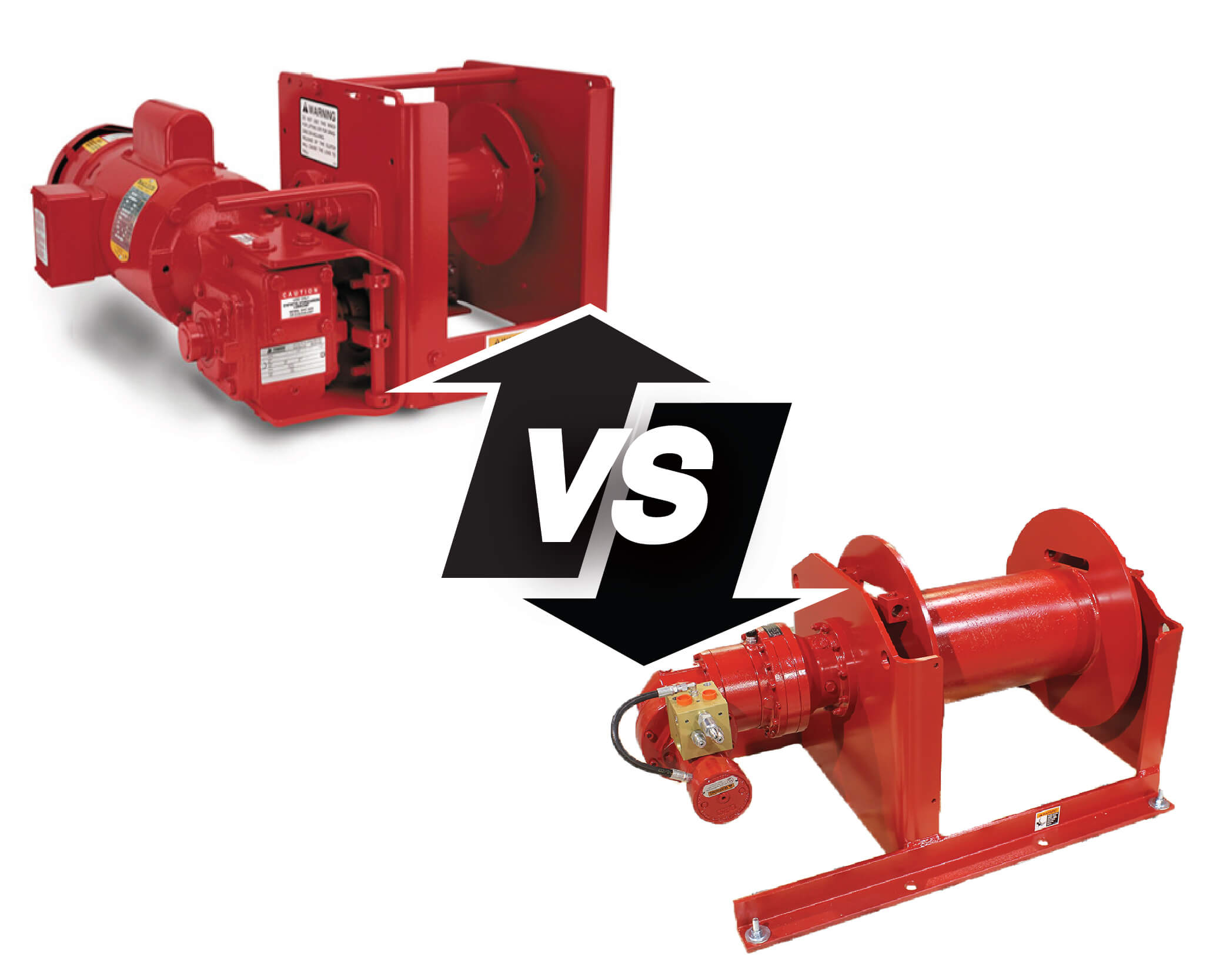
Hydraulic Winch: How It Works
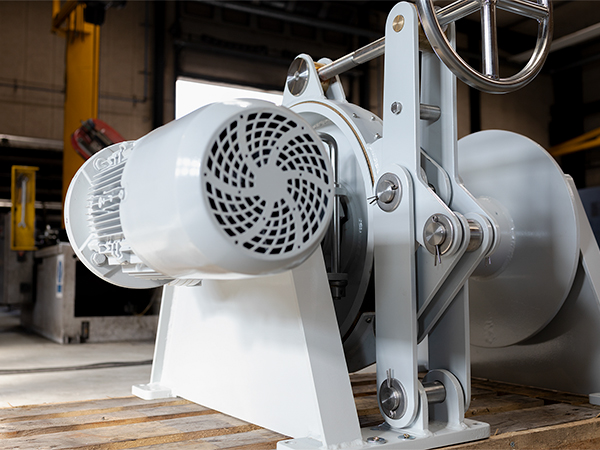
A hydraulic winch uses hydraulic fluid and pressure to turn the drum. It’s usually powered by a vehicle’s power steering pump or a separate hydraulic system. Hydraulic systems are more complex, but they offer unique benefits for heavy-duty tasks.
49% off Today's Exclusive Deals
Limited-time Exclusive Deals. Check current discount on Amazon.
Check Price on Amazon As an Amazon Associate I earn from qualifying purchases.Key Features Of Hydraulic Winches
- Runs on hydraulic power: Requires a hydraulic pump and hoses.
- Continuous duty: Can operate for a long time without overheating.
- High pulling power: Handles larger, heavier loads.
- Durable: Designed for tough, long-term use.
- Less affected by water: Good for marine and wet environments.
Common Uses
- Heavy trucks and industrial vehicles
- Marine and ship applications
- Construction equipment
- Recovery vehicles
Core Differences Between Electric And Hydraulic Winches
The main differences come down to power source, performance, installation, and cost. Let’s break down how these two types of winches stack up:
| Feature | Electric Winch | Hydraulic Winch |
|---|---|---|
| Power Source | Vehicle battery or external electric supply | Hydraulic pump (engine-powered or dedicated) |
| Installation | Simple, fewer connections | Complex, requires hydraulic lines and pump |
| Duty Cycle | Limited (may overheat) | Continuous (rarely overheats) |
| Pulling Power | Usually up to 12,000 lbs (standard models) | Commonly 12,000–30,000+ lbs |
| Cost | Lower (more affordable for most users) | Higher (initial and maintenance) |
| Maintenance | Low (mainly battery and cables) | High (hydraulic fluid, hoses, seals) |
| Water Resistance | Vulnerable if submerged | Works well in wet/marine settings |
In-depth Look: Advantages And Disadvantages
Understanding the real-world pros and cons helps you decide which winch suits your needs.
Electric Winch: Pros
- Simple setup: No need for special pumps or extra plumbing. Most people can mount and wire an electric winch in a few hours.
- Lower cost: Entry-level models are much cheaper than hydraulic winches.
- Easy to move: Some electric winches can be swapped between vehicles or locations.
- Quick repairs: Replacement parts like motors or solenoids are widely available.
- Remote operation: Wireless remotes are common, letting you control the winch from a safe distance.
Electric Winch: Cons
- Limited duty cycle: If you use the winch for too long, the motor can overheat. This usually means 1–2 minutes of pulling, then a cool-down period.
- Battery drain: Heavy winching can quickly drain your vehicle’s battery, possibly leaving you stranded if you’re not careful.
- Weather sensitivity: Water and mud can damage electric components if not properly sealed.
- Lower max power: Most electric winches are suited for lighter loads compared to hydraulic models.
Hydraulic Winch: Pros
- High power: Can handle much heavier loads, often used for commercial or industrial tasks.
- Long operation: Runs as long as the engine or hydraulic system is working, with no risk of overheating.
- Better in water: Hydraulic parts are less likely to fail when exposed to water or mud.
- Consistent pull: Hydraulic systems deliver steady pulling force, even under tough conditions.
Hydraulic Winch: Cons
- Complex installation: Needs plumbing, hoses, and sometimes a dedicated hydraulic pump.
- Higher cost: Both the initial purchase and maintenance costs are usually higher.
- Less portable: Hard to move from one vehicle to another.
- Requires engine running: Most hydraulic winches only work if the vehicle’s engine is on, which can be a problem in some rescue situations.
Key Technical Differences
Some differences only become clear when you look at the technical details:
Power And Pulling Capacity
Hydraulic winches are built for strength. Standard hydraulic models often pull 15,000–30,000 lbs or more. Electric winches usually top out around 12,000–18,000 lbs, though some heavy-duty models do more.
49% off Today's Exclusive Deals
Limited-time Exclusive Deals. Check current discount on Amazon.
Check Price on Amazon As an Amazon Associate I earn from qualifying purchases.Non-obvious insight: For most personal vehicles and light off-roading, an electric winch is more than enough. But for tow trucks, logging, or ship work, only a hydraulic winch can handle the weight.
Duty Cycle
Duty cycle means how long a winch can operate before needing a break. Electric winches must rest to avoid overheating. A duty cycle of 30% is common (3 minutes work, 7 minutes rest). Hydraulic winches can run for hours, as long as the hydraulic system is working.
Speed
Electric winches often pull faster at light loads. Hydraulic winches pull at a steady speed—not always faster, but more consistent under heavy loads.
Control
Both types can have simple buttons or advanced remote controls. However, electric winches offer more speed control options (like variable speed triggers).
Maintenance
Electric winches mainly need you to check the battery, cables, and electrical connections. Hydraulic winches require you to watch for fluid leaks, keep seals in good condition, and change hydraulic fluid on schedule.
Where Each Winch Type Shines
Let’s make it clearer with some examples:
Electric Winch Scenarios
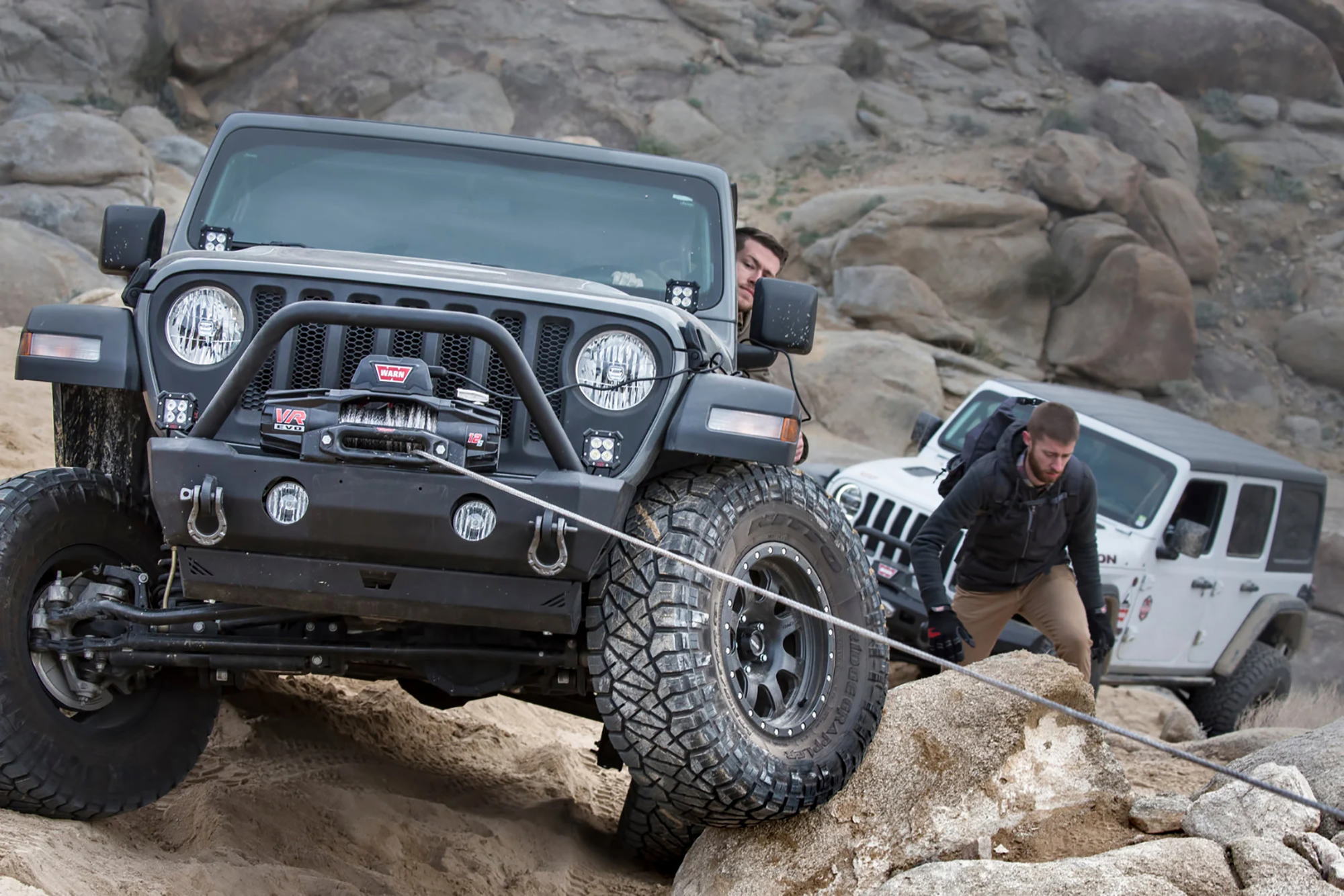
- Off-roading adventure: A Jeep stuck in mud gets out with a 10,000-lb electric winch. It’s quick, easy, and reliable for short pulls.
- Boat trailer loading: Small electric winches make pulling boats onto trailers simple, no hydraulic setup needed.
- Light construction: Electric winches can pull supplies or small equipment up ramps, powered by a standard generator.
Hydraulic Winch Scenarios
- Heavy tow truck: A 25,000-lb hydraulic winch pulls a large truck from a ditch, working for 20+ minutes without overheating.
- Ship anchor handling: Hydraulic winches manage anchors and cargo on ships, where water resistance and long run times are critical.
- Industrial logging: Hydraulic winches pull massive logs up steep hills all day long.
Non-obvious insight: Many commercial vehicles are built with hydraulic systems already in place. Adding a hydraulic winch is more efficient than adding extra electrical systems.
Installation And Setup
Electric Winch Installation
Most electric winches come with a mounting plate, control box, and wiring. Installation involves:
- Mounting the winch to a secure spot (like a vehicle’s bumper)
- Connecting heavy-duty cables to the battery
- Running control wires to the switch or remote
- Testing with no load before first use
Hydraulic Winch Installation
Hydraulic winches need:
- A hydraulic pump (often using the vehicle’s power steering pump)
- Hoses to carry hydraulic fluid
- Reservoir for extra fluid
- Mounting plate and fittings
This process is more complex and usually requires professional help, especially to prevent leaks and ensure safety.
Common mistake: Not checking if your vehicle has enough hydraulic capacity. Some vehicles can’t power a large hydraulic winch without upgrades.
Cost Comparison
Cost isn’t just about the price tag. Think about installation, maintenance, and repairs over time.
| Expense Type | Electric Winch | Hydraulic Winch |
|---|---|---|
| Initial Purchase | $300–$1,500 (standard models) | $1,200–$5,000+ |
| Installation | $0–$300 (DIY possible) | $500–$2,000 (often needs a pro) |
| Maintenance | Minimal (battery, cables) | Moderate to high (fluid, seals, hoses) |
| Repairs | Parts widely available, lower cost | Specialist parts, higher cost |
Tip: If you’re buying for a personal vehicle, the total cost of an electric winch is usually lower, even after years of use.
Choosing The Right Winch For Your Needs
It’s important to match your winch to your real-world needs, not just the maximum specs. Here’s what matters most:
- How much weight will you pull?
- For most cars, SUVs, and light trucks, a winch with a rating of 8,000–12,000 lbs is enough.
- For commercial use, towing, or boats, consider a hydraulic winch with higher capacity.
- How often will you use the winch?
- Occasional use: Electric winch is more practical.
- Daily, long pulls: Hydraulic is better.
- Where will you use it?
- Wet/marine: Hydraulic resists water damage.
- Dry/vehicle-mounted: Electric is easier and cheaper.
- Do you need quick setup or portability?
- Electric winches can be moved or swapped more easily.
- Do you have a compatible hydraulic system?
- If not, adding one just for a winch is expensive and complex.
- What’s your budget?
- Electric winches are more affordable for most people.
Common mistake: People often buy a winch that’s too powerful and too expensive for their needs. A 10,000-lb electric winch is overkill for most SUVs, and a hydraulic winch on a small vehicle is usually unnecessary.
Real-world Examples And Data
To better understand how these winches perform, let’s look at actual data from the field.
Electric Winch Example
The Warn VR EVO 10 is a popular electric winch with a 10,000-lb rating. It can pull a standard Jeep up a steep hill in less than 2 minutes (under full load), but needs a 10-minute cool-down after long pulls to prevent overheating. The average current draw at full load is about 400 amps—enough to drain a car battery if used too long.
Hydraulic Winch Example
The Ramsey HDP 34,000 is a hydraulic winch used on heavy tow trucks. It can pull 34,000 lbs continuously for over an hour without overheating, as long as the truck’s engine is running and the hydraulic system is in good shape. It’s rated for marine and industrial use, with seals that keep water and dirt out.
Stat: According to industry reports, over 70% of commercial tow trucks use hydraulic winches, while 80% of personal off-road vehicles use electric winches.
Safety Considerations
Both winch types require careful use:
- Always wear gloves and eye protection when winching.
- Never exceed the winch’s rated capacity.
- Stand clear of the cable while pulling.
- Inspect cables, hooks, and connections before use.
- Read and follow the manufacturer’s instructions.
Non-obvious insight: Hydraulic winches are less likely to fail from overheating, but a hydraulic line burst can cause dangerous high-pressure leaks. Regular maintenance is critical for both types.
Maintenance And Longevity
Electric Winch Maintenance
- Check battery connections and charge level regularly.
- Inspect the cable for frays or damage.
- Keep the motor and control box dry.
- Lubricate moving parts as needed.
Hydraulic Winch Maintenance
- Check hydraulic fluid levels often.
- Look for leaks in hoses and connections.
- Replace seals and gaskets when worn.
- Flush and replace hydraulic fluid on schedule.
With proper care, both winch types can last many years. Electric winches are usually simpler to repair, while hydraulic winches can keep working for decades in tough environments.
Environmental Factors
Electric winches can suffer in extreme cold, as batteries lose power and motors run less efficiently. Hydraulic winches perform well in all weather, as hydraulic fluid works in a wide temperature range. For marine use, hydraulic systems resist saltwater corrosion better than electric motors.
Tip: If you work in saltwater or freezing conditions, invest in a winch designed for those environments.
Summary Table: Electric Vs. Hydraulic Winch
Here’s a quick reference comparing the main features:
| Criteria | Electric Winch | Hydraulic Winch |
|---|---|---|
| Power Source | Battery | Hydraulic system |
| Max Capacity | Up to 18,000 lbs (common) | 30,000+ lbs |
| Duty Cycle | Short, needs cool-downs | Continuous |
| Installation | Simple | Complex |
| Maintenance | Low | High |
| Best For | Personal vehicles, light loads | Commercial, marine, heavy loads |
| Cost | Lower | Higher |
Frequently Asked Questions
What’s The Main Difference Between An Electric And Hydraulic Winch?
The biggest difference is the power source. Electric winches use a battery or electric supply, while hydraulic winches use pressurized hydraulic fluid from a pump. This leads to differences in installation, power, and how long they can run.
Can I Replace My Electric Winch With A Hydraulic Winch Easily?
Usually not. Hydraulic winches need a hydraulic pump and hoses, which most vehicles don’t have unless they are designed for it. Switching from electric to hydraulic means extra costs and work.
Which Winch Is Better For Off-road Vehicles?
For most off-road vehicles, an electric winch is better because it’s easier to install, costs less, and is powerful enough for the typical situations you’ll face. Hydraulic winches are rare on personal off-road vehicles.
Are Hydraulic Winches Safe For Marine Use?
Yes. Hydraulic winches are often chosen for marine use because they handle water, salt, and long run times better than electric winches. They are common on ships and docks.
How Do I Choose The Right Winch Size For My Vehicle?
A good rule is to pick a winch rated for at least 1.5 times your vehicle’s gross weight. For example, if your truck weighs 6,000 lbs fully loaded, choose a 9,000-lb or higher winch.
—
Choosing between an electric and hydraulic winch depends on your needs, budget, and the work you expect to do. For most personal, occasional use, electric winches are practical and affordable. For heavy-duty, commercial, or marine tasks, hydraulic winches offer unmatched power and endurance. Always consider installation, maintenance, and long-term costs. For more technical details and safety tips, you can check resources like Wikipedia. Your decision will impact not just what you can move, but how safely and efficiently you can get the job done.