When you’re picking a winch for your truck, Jeep, ATV, or off-road vehicle, you’ll hear a common piece of advice: “Bigger is always better.” In other words, a winch with more pulling power is seen as the safer, smarter choice. But is this always true? Does a bigger winch guarantee better performance, reliability, or value for your money? The answer is more complex than it sounds.
Choosing the right winch is about understanding your needs, your vehicle, and where you’ll be using your winch the most. Go too small, and you risk equipment failure at the worst moment. Go too big, and you may waste money, add unnecessary weight, or create new problems.

49% off Today's Exclusive Deals
Limited-time Exclusive Deals. Check current discount on Amazon.
Check Price on Amazon As an Amazon Associate I earn from qualifying purchases.This guide will help you cut through the myths and marketing, so you can make a confident decision.
What Does “bigger” Mean For A Winch?
When people talk about a “bigger” winch, they usually refer to winch pulling capacity. This is the maximum weight the winch can pull, measured in pounds (lbs). For example, you’ll see winches rated at 8,000 lbs, 10,000 lbs, or even 16,500 lbs.
Other “bigger” factors include:
49% off Today's Exclusive Deals
Limited-time Exclusive Deals. Check current discount on Amazon.
Check Price on Amazon As an Amazon Associate I earn from qualifying purchases.- Motor size (measured in horsepower)
- Drum size (affects rope length and strength)
- Physical size and weight of the winch unit
However, the most important number is usually the rated line pull—the maximum straight-line pull under ideal conditions.
Why People Think Bigger Is Always Better
It’s easy to see why “bigger is better” is such a popular idea. More power feels safer, especially in off-road recovery. Here are common reasons people aim for the biggest winch possible:
- Safety margin: A bigger winch means less chance of overload.
- Future-proofing: Room for heavier upgrades or towing larger vehicles.
- Bragging rights: Bigger numbers impress friends and strangers.
- Marketing pressure: Brands promote higher-rated winches as “ultimate” solutions.
While these reasons aren’t always wrong, they miss some important details.
How To Calculate The Right Winch Size
Experts recommend a winch rated at least 1.5 times your vehicle’s gross weight (GVWR). For example, if your truck weighs 5,000 lbs fully loaded, you should choose a winch with at least 7,500 lbs of pulling power.
49% off Today's Exclusive Deals
Limited-time Exclusive Deals. Check current discount on Amazon.
Check Price on Amazon As an Amazon Associate I earn from qualifying purchases.Here’s a quick guide:
| Vehicle Type | Typical GVWR | Recommended Minimum Winch |
|---|---|---|
| Small SUV/Jeep | 4,000–5,000 lbs | 6,000–8,000 lbs |
| Full-Size Truck | 6,000–7,000 lbs | 9,000–12,000 lbs |
| Heavy Duty Truck | 8,000–10,000 lbs | 12,000–15,000 lbs |
| ATV/UTV | 1,500–2,000 lbs | 2,500–4,500 lbs |
Non-obvious insight: The rated line pull is only the maximum pull on the first layer of cable. As more rope is wound on the drum, the winch’s pulling power drops—sometimes by 20–30%.
The Downsides Of Oversized Winches
A winch that’s too large for your vehicle brings several hidden problems:
- Added weight: Larger winches can weigh 20–40 lbs more than smaller models. This extra weight is all on your vehicle’s front bumper, which can affect handling, suspension, and even gas mileage.
- Electrical demand: Bigger winches require more amps. If your truck’s battery and alternator can’t keep up, the winch might slow down, stall, or overheat.
- Bumper and mounting issues: Oversized winches may not fit your bumper’s mounting plate, leading to costly modifications or unsafe installations.
- Price: Higher capacity winches cost much more—sometimes double the price for a capacity you’ll never use.
- Slower line speed: Surprisingly, some heavy-duty winches are slower at lighter loads than smaller winches because they’re geared for maximum power, not speed.
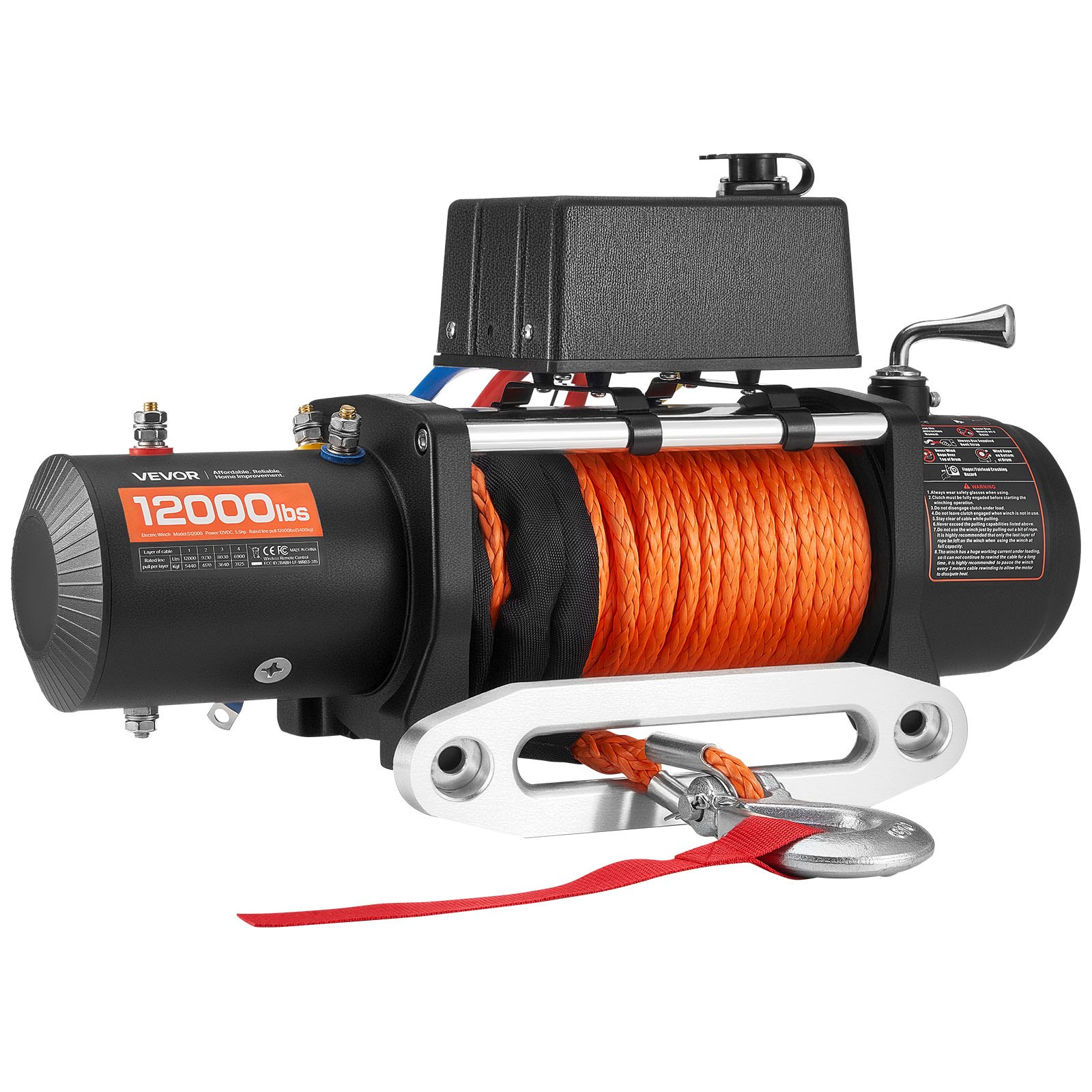
Example: Mounting a 16,500 lb winch on a mid-size SUV might seem impressive, but you’ll pay more, carry extra weight, and possibly never use that power.
When A Bigger Winch Is Better
There are situations where bigger is better:
- Commercial or industrial use: Towing or winching heavy equipment, logs, or vehicles.
- Regularly pulling heavy trailers: If you tow boats, campers, or cars, a higher-rated winch may be wise.
- Extreme off-roading: Deep mud, snow, or steep slopes need extra power.
- Upgrading your vehicle: If you plan to add a heavy front bumper, winch accessories, or larger tires, a margin of safety is smart.
Non-obvious insight: In cold climates, winches can lose power due to battery drain and thicker lubricant. A larger winch can help offset these losses.
The Right Size: Balancing Power And Practicality
Choosing a winch is about matching power to your real-world needs. Here’s how to balance your choice:
- Calculate your vehicle’s loaded weight—don’t guess. Include passengers, gear, and fuel.
- Multiply by 1.5 to find your minimum winch rating.
- Think about the terrain. Mud, sand, and steep hills create more resistance. In these cases, add another 25% margin.
- Consider your electrical system. Bigger winches need bigger batteries and better wiring.
- Check your bumper’s winch rating and fit. Not all winch bumpers handle the largest sizes.

Comparing Winch Performance: Size Vs. Speed
Let’s compare two common winch sizes:
| Winch Model | Rated Pull (lbs) | Line Speed (No Load) | Weight (lbs) | Average Price |
|---|---|---|---|---|
| Warn VR EVO 8 | 8,000 | 15 ft/min | 66 | $700 |
| Warn VR EVO 12 | 12,000 | 8.5 ft/min | 72 | $950 |
Notice the 12,000 lb winch is much heavier and slower than the 8,000 lb winch. If you rarely pull more than 6,000 lbs, the smaller winch will be faster and easier to live with.
Real-world Examples: When Bigger Hurts
- Overloading your bumper: Some off-roaders have cracked bumpers or bent frames by installing a winch that’s too heavy.
- Battery drain: A 12,000 lb winch can draw over 400 amps at full load. Many factory alternators can’t support this, which can leave you stranded with a dead battery.
- Slower recoveries: Heavier winches often have slower line speeds, making recoveries take longer.
Understanding Winch Efficiency
A winch’s efficiency isn’t just about pulling power. It’s also about how quickly and smoothly it works, and how much stress it puts on your vehicle. Key factors:
- Gear ratio: Higher capacity winches often use lower gear ratios, trading speed for strength.
- Rope type: Synthetic rope is lighter but can have lower max pull than steel. Heavier winches sometimes require steel cable, adding even more weight.
- Layer effect: Each layer of rope on the drum reduces pulling power. Bigger winches with longer ropes can lose up to 30% of rated pull at the top layer.
Electrical Demands: Can Your Vehicle Keep Up?
Your winch is only as powerful as your vehicle’s electrical system. Here’s a comparison of amp draw for different winch sizes:
| Winch Rating | Typical Max Amp Draw | Recommended Battery (CCA) |
|---|---|---|
| 8,000 lbs | 340 amps | 650+ |
| 10,000 lbs | 385 amps | 750+ |
| 12,000 lbs | 440 amps | 800+ |
If your battery and alternator can’t supply enough power, the winch will slow down, and you could damage electrical components.
Pro tip: Upgrading to a dual battery system or higher-output alternator can help if you need a larger winch.
Cost-benefit Analysis: Are You Paying For Power You’ll Never Use?
Big winches cost more—not just to buy, but to install and maintain. Consider:
- Purchase price: Higher capacity = higher cost.
- Mounting hardware: Heavier winches need stronger mounts.
- Electrical upgrades: Bigger batteries, thicker cables, and sometimes a second battery.
- Fuel cost: Extra front-end weight means lower gas mileage over time.
If you only need the extra power once a year, renting a larger winch or using a snatch block might make more sense.
Alternatives To Bigger Winches
You don’t always need to buy the biggest winch. Here are smart alternatives:
- Snatch blocks: These pulley devices double your winch’s pulling power without increasing winch size.
- Winch accessories: Recovery boards, tree straps, and shackles help in tough situations.
- Proper winching techniques: Using anchor points, pulling in short bursts, and clearing obstacles can help a smaller winch succeed.
- Team up: Sometimes, two smaller winches (yours and a friend’s) are better than one big one.
Example: With a snatch block, an 8,000 lb winch can pull up to 16,000 lbs, though at half the speed.
Common Mistakes When Choosing A Winch
Many buyers make these errors:
- Ignoring vehicle weight with gear: Forgetting to include passengers, tools, and accessories in total weight.
- Not checking bumper compatibility: Some winch bumpers max out at 9,500 lbs.
- Skipping electrical upgrades: Assuming the stock battery is enough for a big winch.
- Believing marketing hype: Trusting that “bigger is always better” without checking real needs.
What Really Matters For Winch Selection
Focus on these factors when shopping:
- Vehicle weight (with cargo)
- Usual terrain
- Electrical system strength
- Bumper and mounting compatibility
- Budget and value for money
- Frequency of heavy winching tasks
Don’t be afraid to ask experts or join online forums. Real-world experiences from people with similar vehicles can be invaluable. You can also check resources like the Wikipedia Winch page for technical details.
When A Smaller Winch Makes More Sense
There are many situations where a smaller winch is the smarter choice:
- Lightweight vehicles: ATVs, UTVs, and small SUVs rarely need more than 4,500–8,000 lbs of pull.
- Weekend trail driving: If you only go off-road occasionally and stick to moderate trails.
- Daily drivers: Less front-end weight is better for fuel economy and steering.
Non-obvious insight: Smaller winches often have faster line speeds, which means quicker recoveries and less battery strain.
Upgrading Your Winch: What To Know
If you upgrade your vehicle (lift kit, bigger tires, armor), your total weight will rise. Review your winch rating after each major mod. But don’t upgrade just for the sake of it. Always balance the benefits against the added weight, cost, and electrical needs.
Key Takeaways
- Bigger isn’t always better. Oversized winches add cost, weight, and complexity.
- Match winch size to your vehicle’s loaded weight—usually 1.5x GVWR.
- Think about your real needs. Most off-roaders never use more than 60–70% of their winch’s rated pull.
- Check compatibility. Your bumper, battery, and alternator must handle the winch.
- Use accessories and smart techniques to get more out of any winch.
The best winch is the one that fits your vehicle, budget, and real-world adventures. Choose wisely, and you’ll be ready for whatever the trail throws at you.
Frequently Asked Questions
What Happens If My Winch Is Too Big For My Vehicle?
If your winch is much larger than needed, you’ll carry extra weight up front. This can affect steering, suspension, and fuel economy. It may also put stress on your bumper or winch mount, and require expensive electrical upgrades.
Can I Use A Snatch Block Instead Of Buying A Bigger Winch?
Yes, a snatch block can double your winch’s pulling power by changing the pulling angle and reducing load. It’s a smart, low-cost alternative to buying a high-capacity winch, though it will slow down the recovery process.
How Do I Know If My Battery Can Handle My Winch?
Check your winch’s maximum amp draw, then compare it to your battery’s cold cranking amps (CCA) and your alternator’s output. For winches over 10,000 lbs, a heavy-duty battery (750+ CCA) and possibly a dual-battery setup are recommended.
Is Synthetic Rope Better Than Steel Cable For Bigger Winches?
Synthetic rope is lighter and safer if it breaks, but it may have a lower maximum load than steel cable. For very large winches (12,000 lbs+), steel cable is often used, but it adds weight and can be dangerous if it snaps.
Should I Always Buy The Winch With The Highest Number?
No. Choose a winch that fits your vehicle’s loaded weight, your terrain, and your electrical system. Oversized winches aren’t always better—they can slow you down, cost more, and cause extra wear on your vehicle.
A winch is an important recovery tool, but the best choice is not always the biggest. Assess your needs, research your options, and invest in the right size for your adventures. That way, your winch will be a reliable partner, not a heavy burden.


