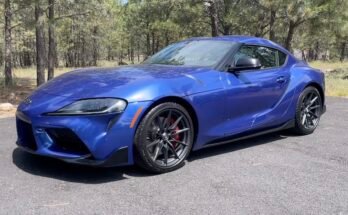
The phrase "and GT3?" usually asks how a model compares to the GT3 racing variant.
I write about cars and racing tech every day. I will explain what "and GT3?" means, why people ask it, and how to decide if a GT3-style car fits your needs. This guide breaks down history, technical differences, costs, and real-life choices. Read on for clear answers, practical tips, and hands-on insights about and GT3?.

49% off Today's Exclusive Deals
Limited-time Exclusive Deals. Check current discount on Amazon.
Check Price on Amazon As an Amazon Associate I earn from qualifying purchases.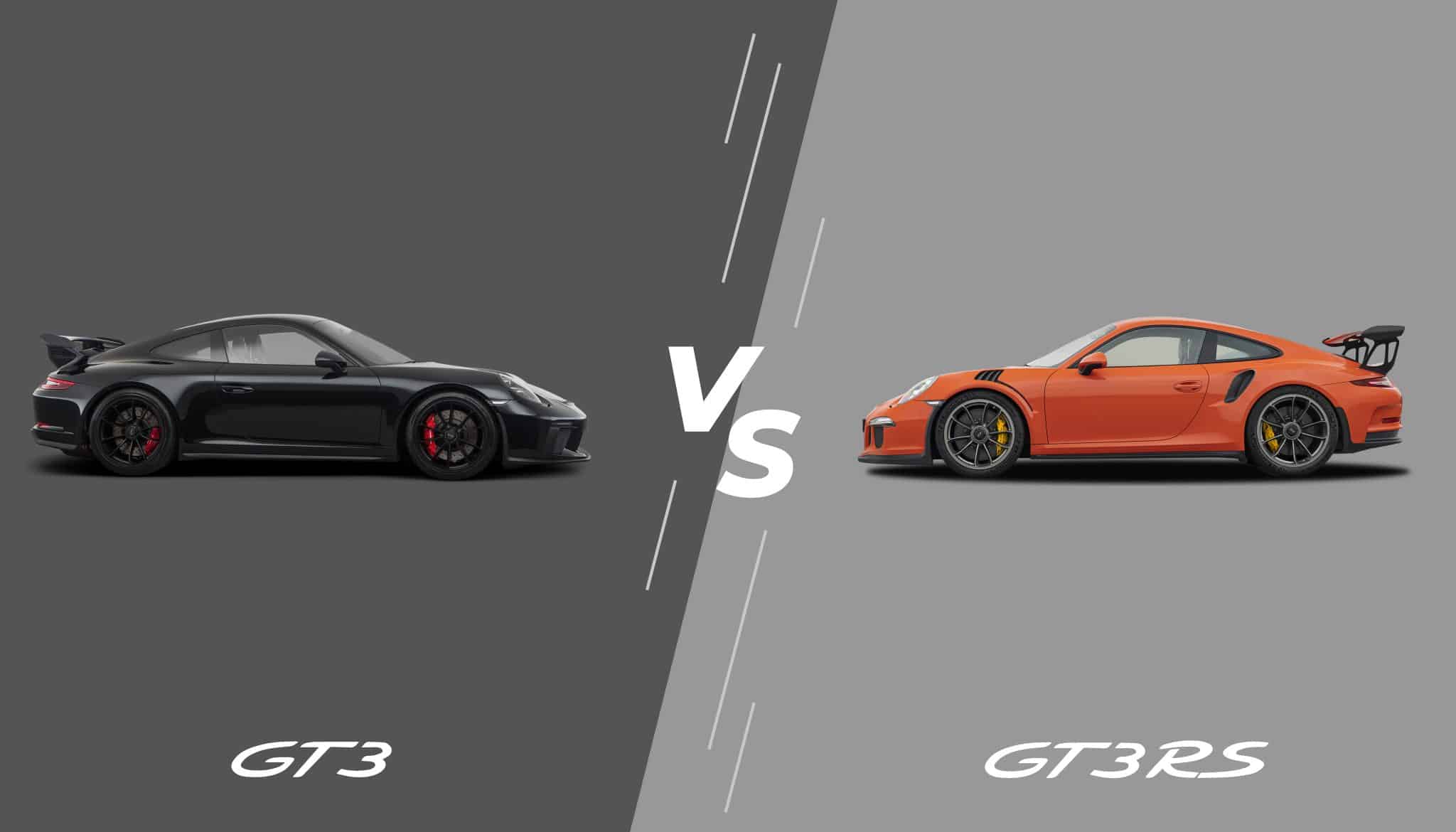
What does and GT3? mean?
The short phrase "and GT3?" often appears when someone compares a regular car and GT3? It asks whether a model relates to the GT3 racing class. GT3 refers to a set of race-prepared cars built to specific rules. Asking "and GT3?" usually seeks the gap between a street car and a GT3 racer.
Common quick questions people ask
49% off Today's Exclusive Deals
Limited-time Exclusive Deals. Check current discount on Amazon.
Check Price on Amazon As an Amazon Associate I earn from qualifying purchases.- What changes when a car becomes a GT3? A car gets safety gear, aero, stripped interiors, and performance tuning.
- Is a GT3 car road legal? Most GT3 cars are race-only and not road legal without big changes.
- Can I drive a GT3 car on track days? Yes, if you follow rules and have the right license or permission.
Origins and history of and GT3?
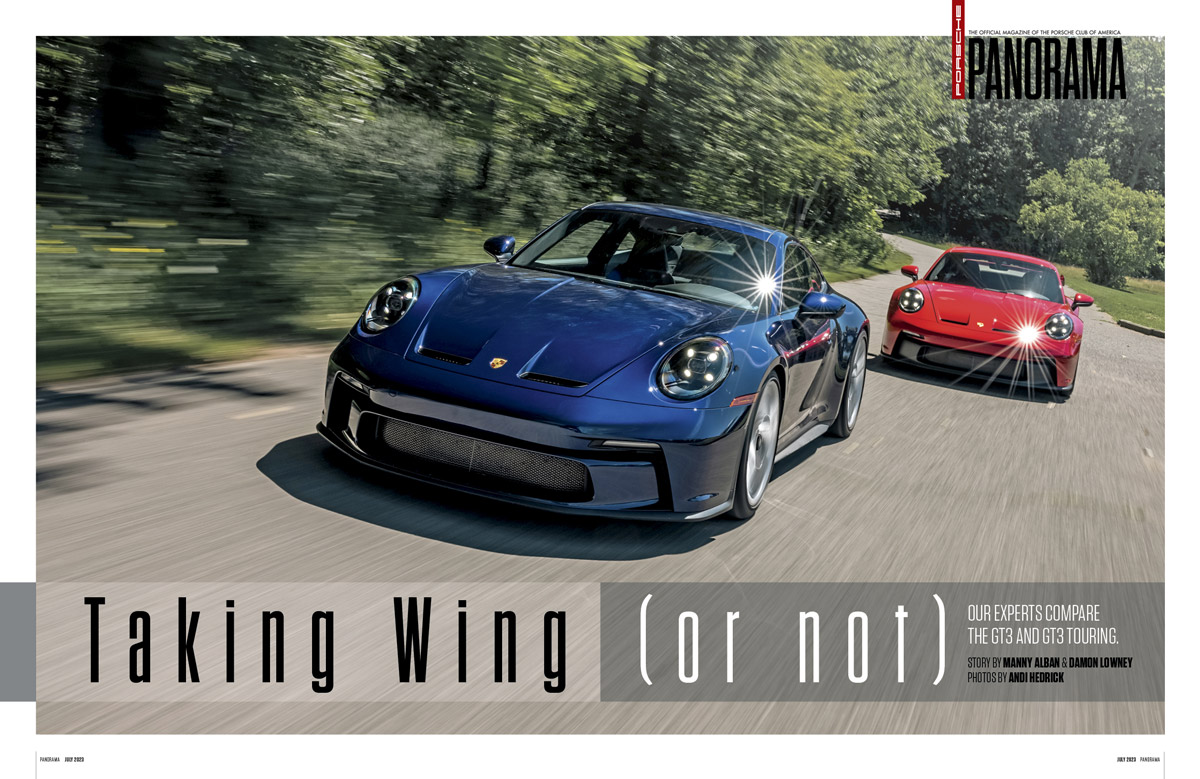
GT3 class began to make racing more accessible. Manufacturers built cars to GT3 rules to race in many series. Fans and buyers started asking "and GT3?" when they saw road cars with race parts. The term links street models and their track-bred cousins.
Why history matters
- It shows how GT3 rules shaped modern sports cars.
- It explains why manufacturers release track packs and GT versions.
- It helps buyers know what to expect when they ask "and GT3?".
49% off Today's Exclusive Deals
Limited-time Exclusive Deals. Check current discount on Amazon.
Check Price on Amazon As an Amazon Associate I earn from qualifying purchases.Technical differences: and GT3? vs road cars
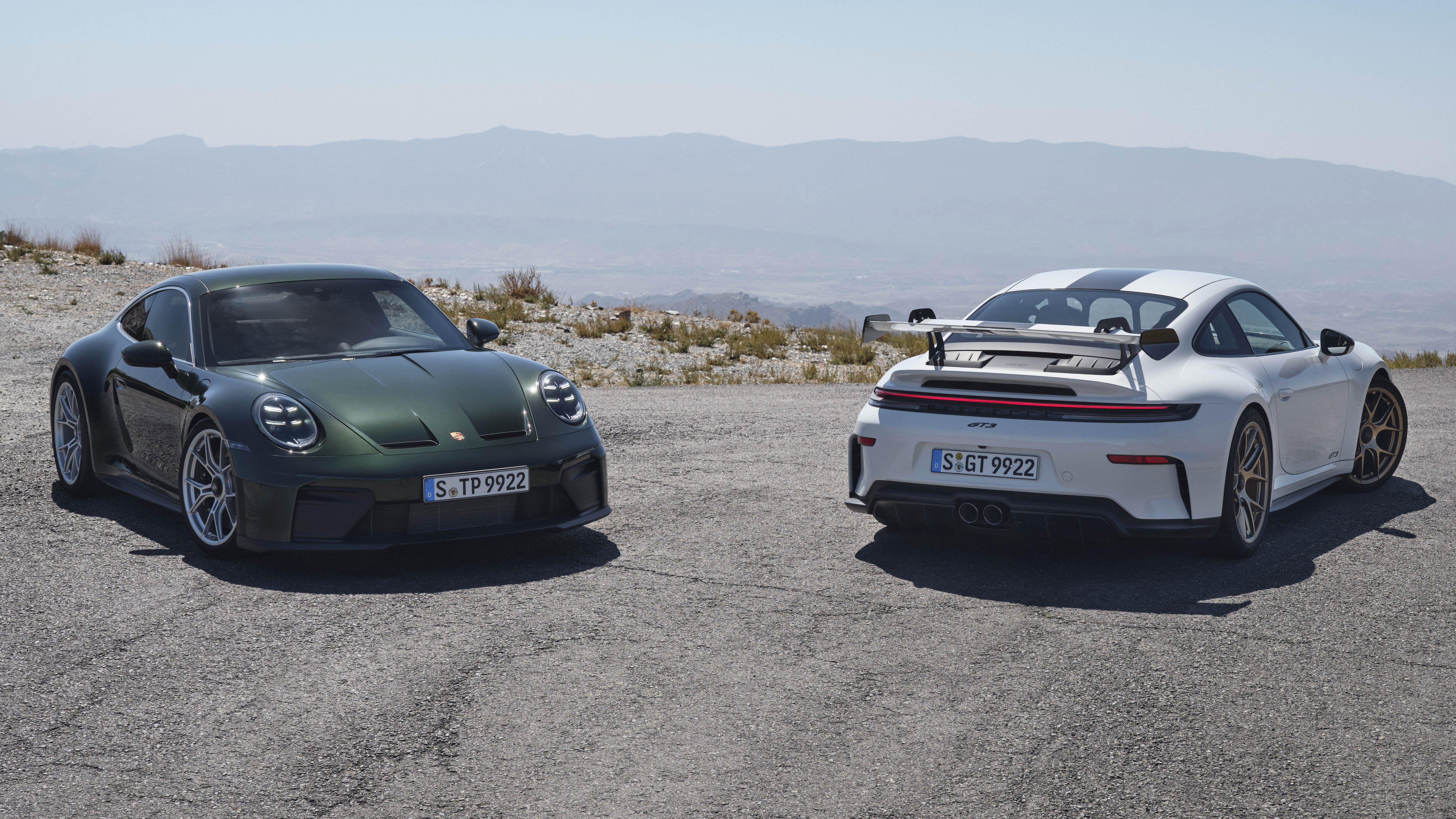
GT3 cars focus on race performance. Road cars focus on comfort and daily use. Asking "and GT3?" is a way to list these differences.
Key technical contrasts
- Engine and tune: GT3 engines are tuned for peak power and durability under race stress.
- Aerodynamics: GT3 cars use big wings and diffusers for downforce.
- Weight and interior: GT3 cars strip interiors and add roll cages to cut weight and increase safety.
- Suspension and brakes: Race setups are stiffer and use race-grade brakes and pads.
- Electronics: GT3 cars have race ECU maps and limited driver aids.
Practical effect on driving
- A GT3 car is sharper on track but harsher on the road.
- Durability needs racing maintenance and frequent rebuilds.
- Running costs are higher for a GT3 than a standard car.

When to choose and GT3? — use cases and ownership
People ask "and GT3?" when deciding if they should buy a GT3-like car or add GT3 parts. The right choice depends on use, budget, and goals.
Who should consider it
- Track enthusiasts who race regularly.
- Owners who want a track-capable car and accept trade-offs.
- Collectors who value limited-run GT3 homologation models.
Who should not
- Daily drivers seeking comfort and low running costs.
- New drivers who need gentle handling and low maintenance.
Practical ownership points
- Insurance can be costly for GT3 cars.
- Parts and tires are race-grade and wear fast.
- Storage and transport need planning if you race often.
 evaluate and GT3?”
style=”max-width: 100%; height: auto; border: 2px solid black; border-radius: 10px; display: block; margin: 0 auto;”
loading=”lazy”
/>
How to buy or evaluate and GT3?
If you search "and GT3?" while shopping, use a checklist. This helps separate hype from real value.
Evaluation checklist
- Inspect the chassis for signs of racing stress.
- Ask for service records and race logs.
- Confirm compliance with the race series if you plan to compete.
- Check availability and cost of spares and consumables.
- Factor in safety gear and transport costs.
Buying tips
- Test drive similar road and track cars first.
- Start with rental track days to feel the GT3 experience.
- Talk to owners and teams to learn hidden costs.
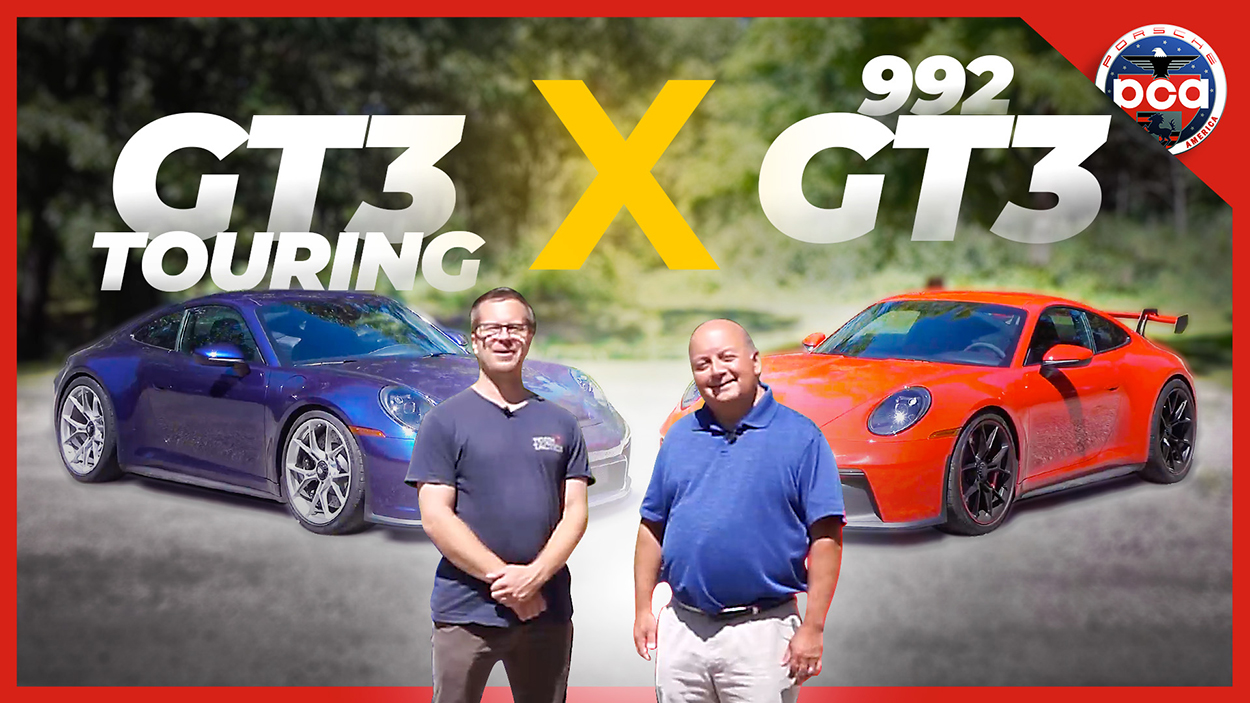
Personal experience with and GT3?
I have worked with sports cars and track teams. I have driven both street sports cars and race setups. From those days I learned clear lessons about and GT3?.
What I learned
- A GT3 car teaches you fast car control quickly. It is also unforgiving.
- Many buyers underestimate maintenance costs.
- Small upgrades on a road car often give more fun per dollar than full GT3 conversion.
A simple rule I use
- If you want pure lap time and accept cost, go GT3. If you want balance, pick a well-prepared road car.

Frequently Asked Questions of and GT3?
What exactly does the phrase and GT3? refer to?
It usually asks how a specific car or feature compares to the GT3 racing version. It is shorthand for "is this related to GT3?"
Can a GT3 car be used on public roads?
Most GT3 cars are race-only and not road legal without major conversion. Street-legal variants use milder setups.
How much more does a GT3 car cost to run?
Expect much higher costs. Tires, brakes, engine work, and logistics raise yearly spend substantially compared to road cars.
Are GT3 parts worth installing on a road car?
Some parts add value, like better brakes or adjustable dampers. Full race aero and cages reduce daily comfort and may not be worth it.
Do I need a license to drive a GT3 car on track?
Track rules vary. Many events require experience or a race license for GT3 cars. Check the organizer's rules before you drive.
Conclusion
Asking "and GT3?" is a natural step when you wonder how a car compares to a dedicated race version. This guide clarifies the meaning, shows technical gaps, and helps you decide if a GT3-style path suits your goals. Choose based on your driving goals, budget, and appetite for upkeep. If you want raw lap time and you can afford the trade-offs, explore GT3 options; if you want daily usability, focus on a balanced sports car. Share your plans or questions below, subscribe for more guides, or try a track day to feel the difference firsthand.