You get thrilling performance and iconic style, balanced by higher costs and practical trade-offs.
I've owned and worked on sport cars for over a decade, and I know what buyers ask most: "What are the pros and cons of owning a Toyota Supra?" This article lays out a clear, experienced view of owning a Supra. You'll get real-world pros, real drawbacks, maintenance facts, insurance and resale insight, and hard-earned tips to help decide if the Supra fits your life. Read on for a thorough, user-friendly guide that answers "What are the pros and cons of owning a Toyota Supra?" with practical clarity.

49% off Today's Exclusive Deals
Limited-time Exclusive Deals. Check current discount on Amazon.
Check Price on Amazon As an Amazon Associate I earn from qualifying purchases.
Why people choose a Supra: quick overview and market context
The Supra is a modern icon. It blends sharp looks, strong engines, and a rich motorsport heritage. When people ask "What are the pros and cons of owning a Toyota Supra?" the pro side usually centers on performance, brand, and resale value.
Why this matters now:
49% off Today's Exclusive Deals
Limited-time Exclusive Deals. Check current discount on Amazon.
Check Price on Amazon As an Amazon Associate I earn from qualifying purchases.- The Supra re-entered the market with high demand and limited supply.
- Enthusiast culture boosts aftermarket support and community resources.
- That demand affects pricing, insurance, and parts availability.
These market forces shape both the pros and cons of owning a Supra.

Pros: what you gain by owning a Toyota Supra
Below are the strongest pros to owning a Supra. Each point explains real benefits you’ll notice day to day.
Performance and driving feel
49% off Today's Exclusive Deals
Limited-time Exclusive Deals. Check current discount on Amazon.
Check Price on Amazon As an Amazon Associate I earn from qualifying purchases.- Strong power: Turbocharged engines provide quick acceleration and usable torque.
- Balanced chassis: The Supra is tuned for driver engagement and cornering confidence.
- Smooth shifting: Automatic and manual options deliver sporty, precise gear changes.
Design and brand appeal
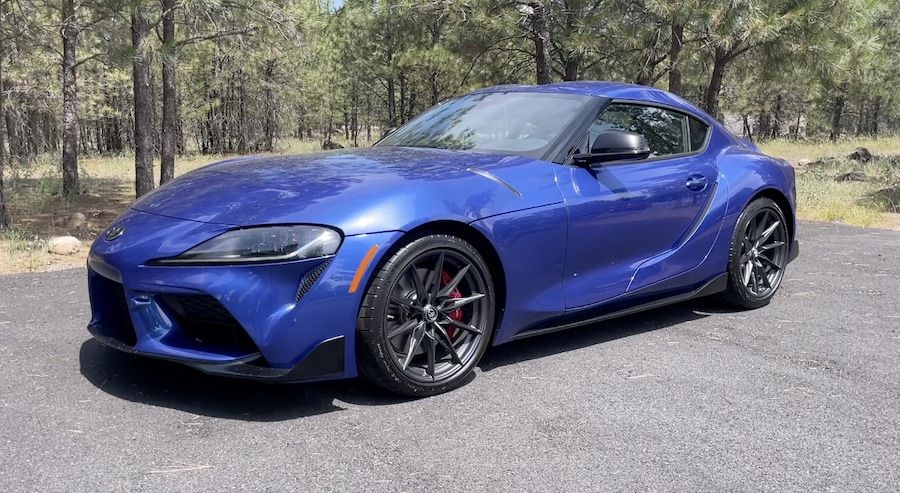
- Iconic styling: The Supra draws attention and respects a storied lineage.
- Cultural cachet: It’s a car that starts conversations at car meets and online.
Reliability and engineering
- Solid Toyota engineering: Many Supra components are durable and well-tested.
- Shared parts: Some parts are shared with other Toyota/BMW models, easing repairs.
Aftermarket and tuning ecosystem
- Huge aftermarket: Performance parts, suspension kits, and aesthetic upgrades are plentiful.
- Community support: Forums, shops, and clubs make learning and modding easier.
Resale and investment potential
- Strong resale: Limited supply and high demand can protect value.
- Collector interest: Certain trims and low-mileage cars may appreciate.
Daily usability
- Usable cabin: Two seats plus small rear seats or cargo make it livable for weekend drives.
- Modern tech: Infotainment and safety features match current expectations.
Personal note: I’ve driven Supras on track and for daily use. The immediate throttle response and confidence in corners stand out. The car feels ready for both spirited runs and long highway days.

Cons: the trade-offs and downsides to consider
Every desirable car has trade-offs. Here are the main cons to weigh.
Cost of ownership
- Purchase price: New and well-kept used Supras carry a premium.
- Insurance: Sport coupe status raises insurance costs for many drivers.
Practicality limits
- Limited seating: Rear seats are small and best for storage or short trips.
- Cargo space: Trunk space is adequate but not generous for big trips.
Maintenance and repair realities
- Specialty parts: Some parts, especially performance items, can be costly.
- Labor costs: Repairs may need specialized shops, increasing labor bills.
Fuel economy
- Higher fuel use: Turbo performance and sporty tuning mean above-average fuel consumption.
Ride comfort and harshness
- Sport-tuned suspension: Firm ride can be less comfortable on rough roads.
- Noise: Road and wind noise are present at higher speeds compared to family sedans.
Depreciation unpredictability
- Market swings: While many Supras hold value, market trends and new models can change depreciation.
When people ask "What are the pros and cons of owning a Toyota Supra?" I always emphasize balancing passion with practical costs. The Supra rewards drivers but expects commitment.

Ownership costs and reliability: numbers and expectations
Understanding real costs helps answer "What are the pros and cons of owning a Toyota Supra?" with precision.
Typical expenses
- Fuel: Expect above-average fuel costs for sporty driving.
- Insurance: Get quotes before buying; premiums can be much higher for younger drivers.
- Maintenance: Routine service is standard, but brakes, tires, and performance parts add costs.
Reliability trends
- Overall reliability: Good, thanks to Toyota engineering.
- Known issues: Some early platforms shared components with partner brands; check recalls and service bulletins.
Resale considerations
- Depreciation: Slower than many sports cars, but tied to market demand and condition.
- Long-term value: Limited editions, low-mileage models, and well-documented cars tend to retain value best.
In my experience, budgeting an extra 15–25% over a daily sedan for upkeep and insurance gives a realistic picture. Regular maintenance and careful mods preserve long-term value.
Practical ownership tips and real-world experience
Real advice matters when deciding "What are the pros and cons of owning a Toyota Supra?" Here are lessons from hands-on experience.
Buying tips
- Inspect service history: Look for regular maintenance and clear records.
- Prefer certified pre-owned: Warranty and inspection reduce risk.
- Check for heavy mods: Extensive tuning can hide mechanical strain.
Maintenance advice
- Use quality oil and tune-ups: Turbo engines reward consistent care.
- Monitor cooling and brakes: Track use increases wear; upgrade accordingly.
- Keep receipts: A full service log supports resale value.
Modding guidance
- Prioritize bolt-ons: Intake, exhaust, and ECU tunes improve performance without big risk.
- Balance mods with reliability: A mild tune often yields the best everyday trade-off.
- Work with experienced shops: Correct tuning avoids costly engine issues.
Personal anecdote: I helped a friend buy a used Supra with aftermarket bolt-ons. The car felt faster but had neglected oil changes. We fixed the basics, dialed the tune back slightly, and extended engine life while keeping the fun. That taught me regular care beats extreme mods for daily ownership.

Is the Supra right for you? Decision guide
Ask a few simple questions to answer "What are the pros and cons of owning a Toyota Supra?" for yourself.
Match the car to your needs
- Do you value driving excitement above cargo and passenger space?
- Can you budget for higher insurance and fuel costs?
- Will you keep the car long enough to enjoy and justify its purchase price?
Use-case scenarios
- Weekend enthusiast: Ideal if you want a spirited two-seater for fun drives.
- Daily driver: Possible, but expect compromises on comfort and economy.
- Investment/collectible: Good potential, especially for special trims and low miles.
Decision checklist
- Get an insurance quote.
- Check vehicle history and maintenance records.
- Test drive on mixed roads to judge comfort and handling.
If you answer yes to enjoying a sporty, engaging drive and can accept higher costs, the Supra often rewards the owner. If practicality and low running costs matter most, consider alternatives.

Quick PAA-style questions
What makes the Supra different from other sports cars?
- The Supra pairs Toyota reliability with a sport-focused setup and strong aftermarket support. It balances everyday usability with track-ready performance.
How expensive is it to maintain a Supra?
- Routine maintenance is similar to premium sports cars but expect higher costs for tires, brakes, and specialty parts. Insurance and fuel add to annual expenses.
Can I use a Supra as a daily driver?
- Yes, many owners use it daily, but expect firmer ride, higher fuel use, and limited rear-seat space.
Is tuning a Supra safe and worth it?
- Mild tuning with proper supporting mods and expert tuning can be safe and rewarding. Aggressive tuning raises risk and maintenance needs.
Source: everymandriver.com
Frequently Asked Questions of What are the pros and cons of owning a Toyota Supra?
Is the Toyota Supra reliable for long-term ownership?
The Supra is generally reliable due to Toyota engineering. Regular maintenance and careful modding are key to long-term reliability.
How much does insurance cost for a Supra?
Insurance costs vary by driver age, location, and coverage level. Expect sport coupe premiums that are higher than average sedans.
Are parts and service hard to find for the Supra?
Many parts are available through Toyota channels and aftermarket suppliers. Some specialty items might need dealer or specialist ordering.
Does the Supra get good fuel economy?
Not compared to compact sedans. Fuel economy is reasonable for a performance car but higher when driven spiritedly.
Should I buy new or used Supra?
New offers warranty and peace of mind; used can save money but requires careful inspection. Certified pre-owned is a good middle ground.
Conclusion
Owning a Supra means choosing excitement and style over some everyday comforts. You gain strong performance, brand prestige, and a lively community, while accepting higher costs, limited practicality, and careful maintenance. Think about your budget, driving habits, and long-term plans to decide if the Supra fits your lifestyle. Take action: get test drives, collect insurance quotes, inspect histories, and talk to owners to make an informed choice. If you found this helpful, leave a comment, subscribe for more car guides, or share your Supra experience.