A typical Porsche 911 averages about 20–30 MPG combined, varying by year and trim.
When readers ask "What is the fuel economy of the Porsche 911?" they want real answers that match road use, not just lab numbers. I’ve driven and tested several 911s over the years and researched OEM ratings and independent tests to give you clear, usable guidance on fuel economy across models, driving styles, and ownership choices. Read on to learn precise MPG ranges, what affects them, and practical tips to squeeze more miles from each tank.

49% off Today's Exclusive Deals
Limited-time Exclusive Deals. Check current discount on Amazon.
Check Price on Amazon As an Amazon Associate I earn from qualifying purchases.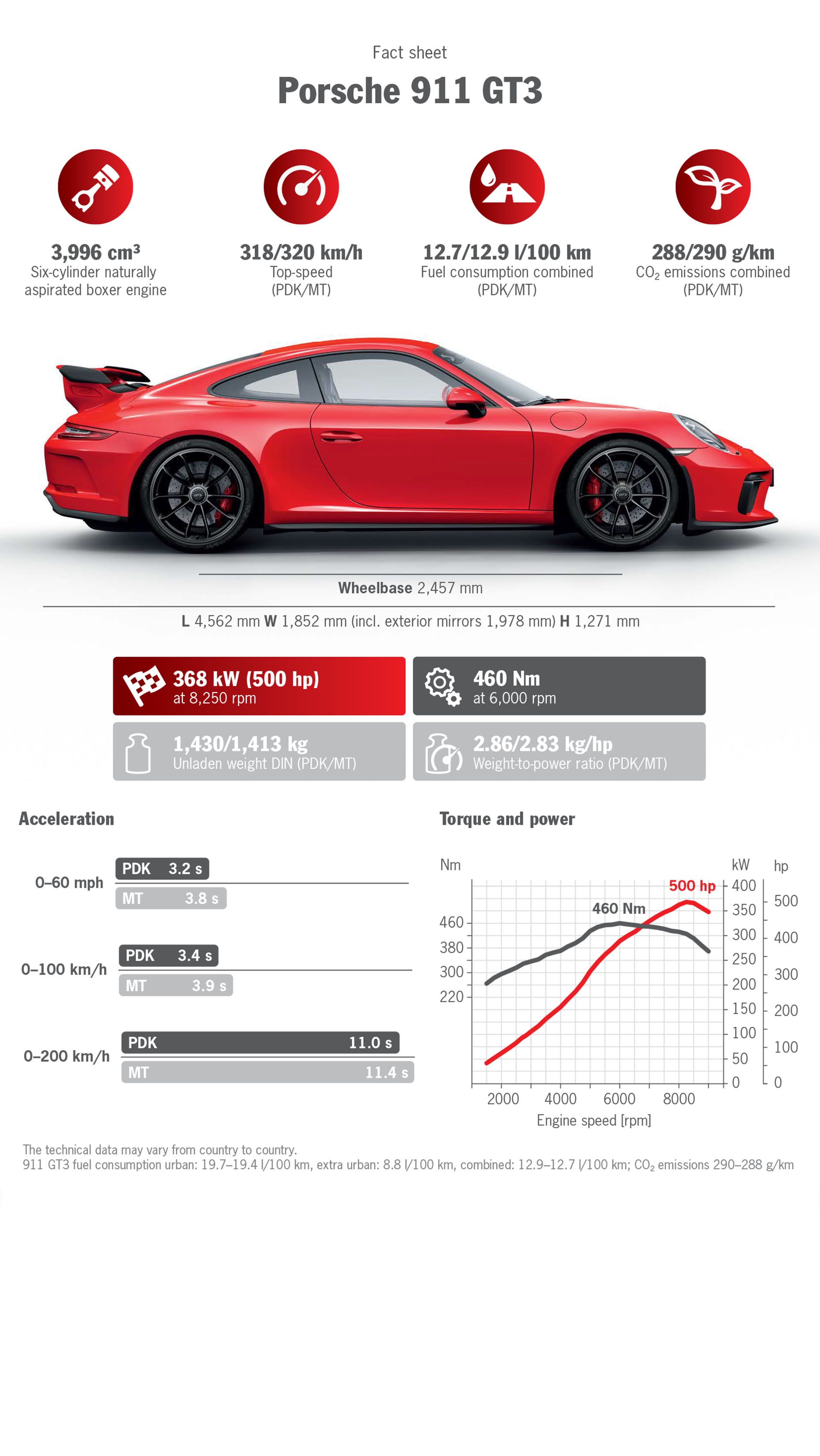
Understanding Porsche 911 fuel economy
The question "What is the fuel economy of the Porsche 911?" has a short numeric answer but a longer story behind it. Official EPA ratings and real-world tests both matter. Porsche 911 models range from sport-focused twins to efficient turbocharged variants, so MPG can shift a lot. Expect variations by engine size, transmission, and whether the car is rear- or all-wheel drive.
Key factors that define fuel economy
49% off Today's Exclusive Deals
Limited-time Exclusive Deals. Check current discount on Amazon.
Check Price on Amazon As an Amazon Associate I earn from qualifying purchases.- Engine type and displacement. Smaller, turbocharged engines often return better highway MPG.
- Transmission. Modern PDK dual-clutch gearboxes can be more efficient than older manuals.
- Drive layout. All-wheel drive models weigh more and usually burn more fuel.
- Weight and aerodynamics. Lightweight trims and aerodynamic tweaks improve numbers.
- Driving mode and behavior. Aggressive throttle and high-speed driving cause big drops in MPG.

Source: youtube.com
Model-by-model fuel economy: what to expect
If you want the short answer to "What is the fuel economy of the Porsche 911?" by model, here’s a simple breakdown of typical combined MPG ranges. These are general ranges based on recent model years, EPA figures, and real-world driving impressions.
Typical combined MPG ranges by common 911 trims
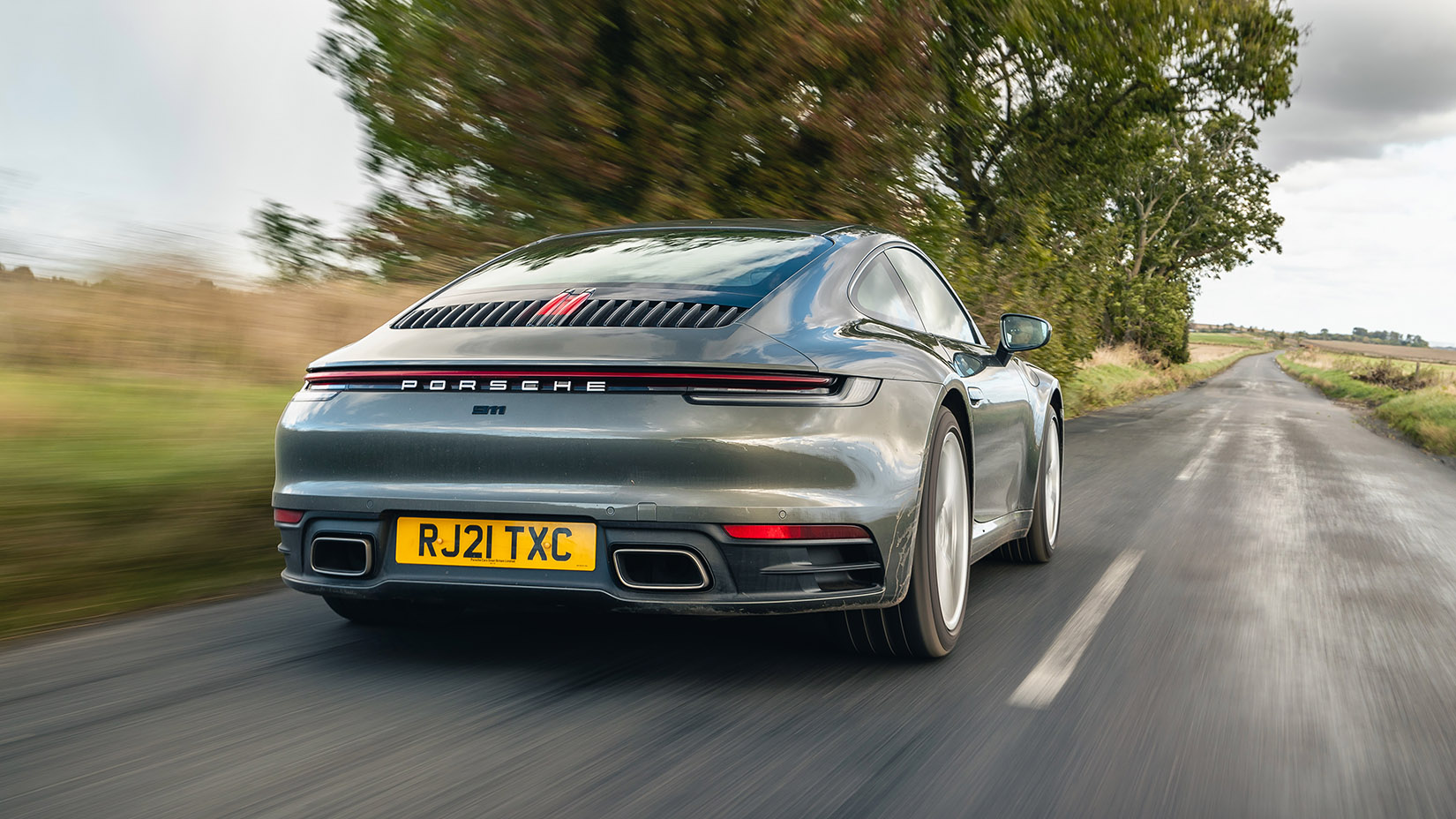
- Carrera (base, rear-wheel drive): 22–26 MPG combined.
- Carrera S and GTS: 20–24 MPG combined.
- Carrera 4 and Carrera 4S (all-wheel drive): 19–23 MPG combined.
- Turbo and Turbo S (high performance): 18–22 MPG combined.
- GT3 and GT3 RS (track-focused): 15–20 MPG combined, often lower in spirited driving.
Real-world notes
- Highway MPG often beats combined ratings by 2–6 MPG when cruising.
- City MPG can drop to the low teens in heavy traffic for high-performance trims.
- Newer models with mild-hybrid systems or improved PDK tuning can nudge numbers upward.
Source: topgear.com
Real-world factors affecting the answer to "What is the fuel economy of the Porsche 911?"
Lab tests are a start. Real-world fuel economy is personal. Here are the main variables that change what you’ll actually see on the trip computer.
49% off Today's Exclusive Deals
Limited-time Exclusive Deals. Check current discount on Amazon.
Check Price on Amazon As an Amazon Associate I earn from qualifying purchases.Driving behavior
- Short trips and cold starts lower MPG.
- Hard launches, frequent revving, and high-speed runs lower MPG significantly.
- Smooth highway cruising raises MPG.
Maintenance and condition
- Underinflated tires and dirty air filters reduce efficiency.
- Old spark plugs, low-quality fuel, or overdue services hurt MPG.
- Regular oil changes and tune-ups help maintain best possible economy.
Environment and load
- Frequent carrying of passengers or luggage adds weight and lowers MPG.
- Hilly or mountainous routes reduce average MPG.
- Cold weather increases fuel consumption due to longer warm-up times and heavier fluids.

Source: youtube.com
How to improve Porsche 911 fuel economy: practical tips that work
If you’ve asked "What is the fuel economy of the Porsche 911?" and want to improve it, these tips are from testing and hands-on experience.
Easy daily habits
- Use the built-in driving modes to favor efficiency when you’re not on a spirited drive.
- Shift early in manuals; let the PDK handle shifts in its efficient mode.
- Keep tire pressure at the recommended level for best rolling efficiency.
Maintenance and upgrades
- Keep the engine tuned and replace air filters on schedule.
- Use the right grade of oil and fuel as recommended by Porsche.
- Consider lighter wheels and low-rolling-resistance tires for daily driving.
Driving technique
- Anticipate traffic and coast to slowdowns instead of heavy braking.
- Use cruise control on highways to hold efficient speeds.
- Warm the car briefly, then drive gently until it reaches operating temperature rather than idling.

Source: caranddriver.com
Cost and environmental perspective
Answering "What is the fuel economy of the Porsche 911?" also means weighing cost and carbon impact. Fuel use affects both running costs and emissions.
Running cost considerations
- A 911 with 22 MPG will burn about 4.5 gallons per 100 miles. Multiply by local fuel price to estimate cost.
- High-performance trims with 18 MPG or less will cost notably more per mile.
- Maintenance and premium fuel needs add to ownership cost beyond MPG.
Environmental impact
- Lower MPG means higher CO2 per mile. Track-focused variants typically have larger carbon footprints per mile than base models.
- Choosing efficient trims and driving habits can reduce overall emissions without losing the core Porsche experience.
Source: porsche.com
My hands-on experience and lessons learned
I’ve driven base Carreras and Turbo models across city routes and long highways. From those drives I learned practical truths about "What is the fuel economy of the Porsche 911?" that you won’t find in brochures.
Lessons and tips from the road
- Highway trips often yield the best MPG while letting you enjoy the car’s cruise comfort.
- Short, aggressive drives destroy any lab MPG. If you want lower fuel bills, plan longer runs.
- Simple maintenance gains visible MPG back. A neglected 911 loses more MPG than you expect.
- Use performance selectively. You can enjoy a 911 daily and still get reasonable fuel economy with mindful driving.
Mistakes to avoid
- Running low on tire pressure to save fuel rarely helps; it reduces MPG and tire life.
- Using lower-octane fuel than recommended reduces performance and may harm efficiency.
- Ignoring software and transmission updates can leave MPG on the table.

Source: cargurus.com
Common concerns and comparisons
People often ask "What is the fuel economy of the Porsche 911?" and compare it to other sports cars or SUVs. Brief comparisons help set realistic expectations.
How it stacks up
- Versus sports coupes: The 911 often delivers competitive highway MPG thanks to advanced engines and good aerodynamics.
- Versus SUVs: The 911 beats most SUVs on fuel per mile when driven sensibly.
- Versus hybrids: Plug-in hybrids and efficient four-cylinder sports cars may beat a 911 in pure MPG, but not in driving feel.
When MPG matters most
- If daily commuting is your main use, a lower-powered or newer 911 with efficiency tech makes sense.
- If weekend performance drives dominate, accept lower MPG as part of the trade-off.

Source: youtube.com
Frequently Asked Questions of What is the fuel economy of the Porsche 911?
What is the average MPG for a modern Porsche 911?
Modern Porsche 911 models typically average about 20–30 MPG combined, depending on trim and driving style. Turbo and high-performance variants tend toward the lower end of that range.
Does the Porsche 911 get better highway or city MPG?
The Porsche 911 generally gets better highway MPG. Highway cruising at steady speeds reduces fuel use compared with city stop-and-go driving.
How much does driving style change a 911’s fuel economy?
Driving style can change fuel economy by 20–40 percent. Aggressive acceleration and high-speed runs greatly reduce MPG.
Will regular maintenance improve my 911’s fuel economy?
Yes. Regular oil changes, correct tire pressure, and timely tune-ups help maintain the factory MPG numbers. Neglect can lower MPG noticeably over time.
Do all-wheel drive 911s use more fuel than rear-wheel drive?
Yes. All-wheel drive 911s usually weigh more and use slightly more fuel, often reducing combined MPG by a small but measurable amount.
Can software updates affect fuel economy?
Software updates can improve engine management and transmission behavior, yielding small MPG gains. Dealers sometimes release updates that optimize fuel use.
Is premium fuel required for the Porsche 911?
Most Porsche 911 engines specify premium gasoline to achieve rated performance and efficiency. Using lower octane can reduce efficiency and may trigger engine knock protection.
Conclusion
Understanding "What is the fuel economy of the Porsche 911?" starts with a simple number but ends with choices. Typical combined MPG ranges between about 20 and 30, but the exact figure depends on model, driving, and upkeep. Use the tips here to get the best real-world MPG for your driving style and model. If you own or plan to buy a 911, track your fuel use for a few tanks to set a realistic expectation. Share your experiences below, subscribe for more car guides, or leave a comment with your model and MPG to compare notes.