The resale value of the Toyota Supra holds strong, often retaining 60–80% of original value.
I’ve tracked Supra values across multiple markets and lived the numbers as a buyer, seller, and long-time enthusiast. This article breaks down the resale value of the Toyota Supra by generation, explains the key factors that drive prices, and gives practical tips to protect or predict resale value so you make smarter ownership or buying choices.

49% off Today's Exclusive Deals
Limited-time Exclusive Deals. Check current discount on Amazon.
Check Price on Amazon As an Amazon Associate I earn from qualifying purchases.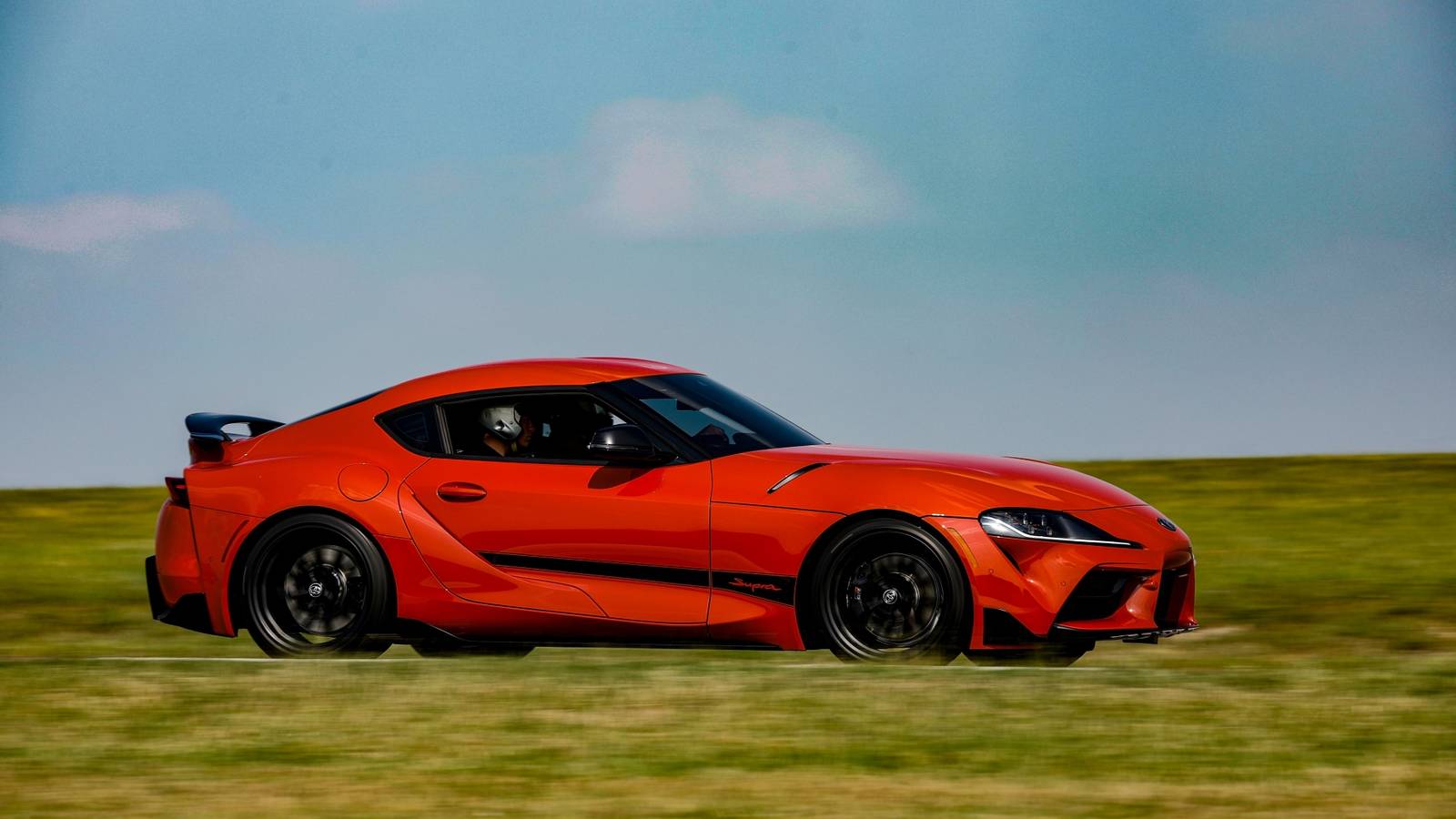
Understanding resale value and how it’s measured
Resale value of the Toyota Supra means what a used Supra will fetch in today’s market compared to what it cost new or compared to similar cars. Common metrics include percent retained from original MSRP, average depreciation per year, and market comparison to peers.
Resale value of the Toyota Supra is influenced by supply, demand, condition, and historical desirability, which together shape pricing in classifieds and dealer lots.
49% off Today's Exclusive Deals
Limited-time Exclusive Deals. Check current discount on Amazon.
Check Price on Amazon As an Amazon Associate I earn from qualifying purchases.How different Supra generations affect resale value
Each Supra generation has a distinct resale profile. The resale value of the Toyota Supra varies widely by generation and model:
-
A70 / MKIII (1986–1993)
These are modestly collectible. Well-kept examples see stable prices, but most sell for far less than later models. -
A80 / MKIV (1993–2002)
The MKIV Turbo is iconic and can command six-figure prices for rare, pristine examples. Non-turbo MKIVs still hold value better than many 1990s sports cars. The strong cultural cachet has a major positive effect on the resale value of the Toyota Supra MKIV. -
A90 / A91 (2019–present)
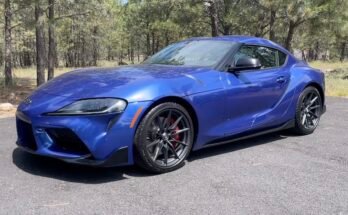
The modern Supra, developed with BMW, shows solid retention thanks to limited early supply and enthusiast interest. Trim, turbocharged engine option, and manual-equivalent demand (for enthusiasts) affect resale value of the Toyota Supra A90 significantly.Deal49% off Today's Exclusive Deals
Limited-time Exclusive Deals. Check current discount on Amazon.
Check Price on Amazon As an Amazon Associate I earn from qualifying purchases.
Across all generations, special editions and low-mileage, documented cars outperform average market rates for the resale value of the Toyota Supra.
Key factors that drive resale value of the Toyota Supra
Several factors repeatedly determine what buyers will pay:
-
Mileage
Lower mileage strongly boosts resale value of the Toyota Supra. Buyers view low miles as lower risk. -
Condition and maintenance history
Complete service records and factory maintenance add trust and price premium. A well-documented car often sells for thousands more. -
Trim, options, and drivetrain
Turbocharged or performance trims and desirable options like adaptive suspension retain more value. Manual-like drivers or enthusiast-friendly specs help resale value of the Toyota Supra. -
Modifications and aftermarket parts
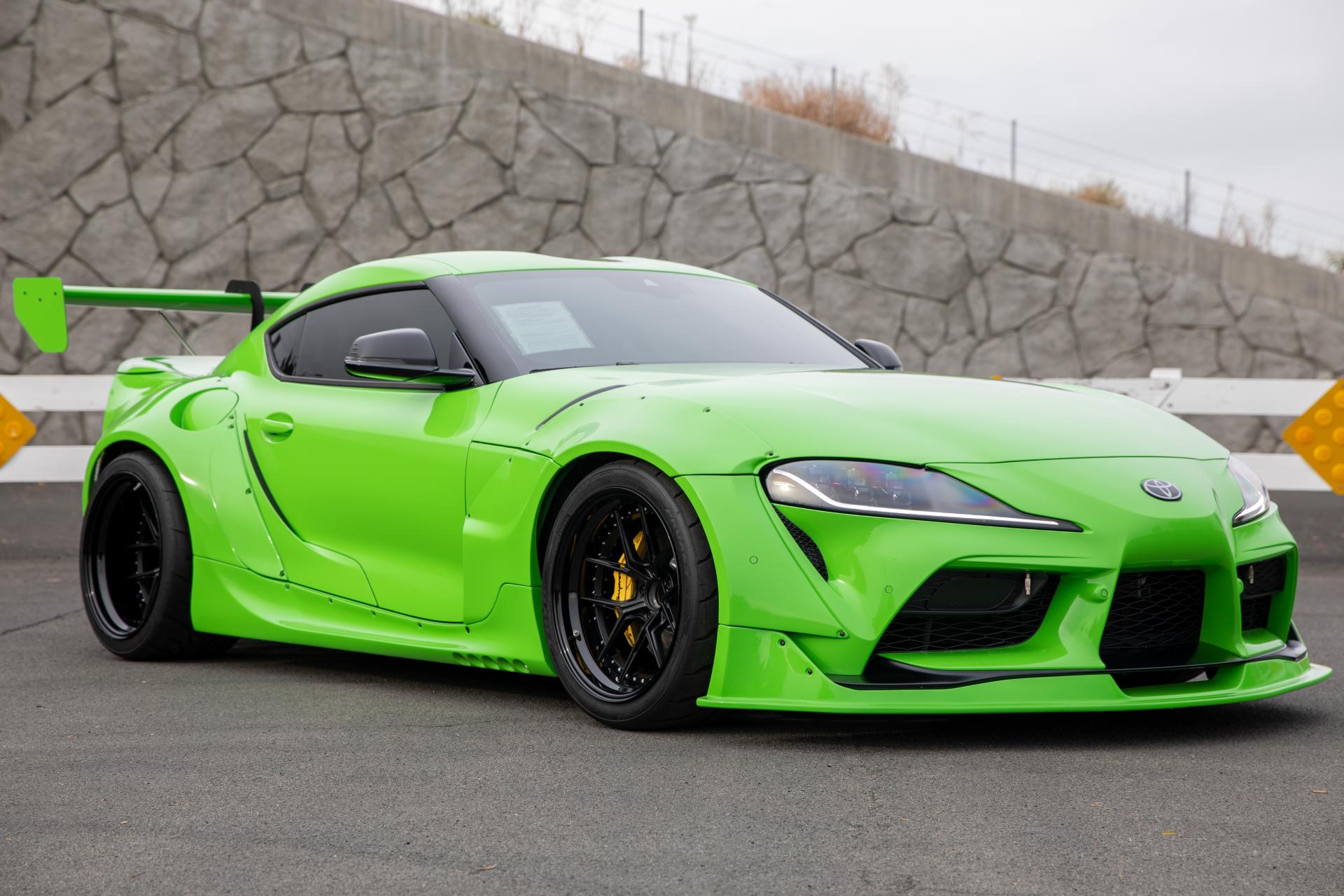
Tasteful, reversible upgrades may add value to niche buyers, but heavy modifications usually lower resale value of the Toyota Supra due to perceived risk. -
Rarity and special editions
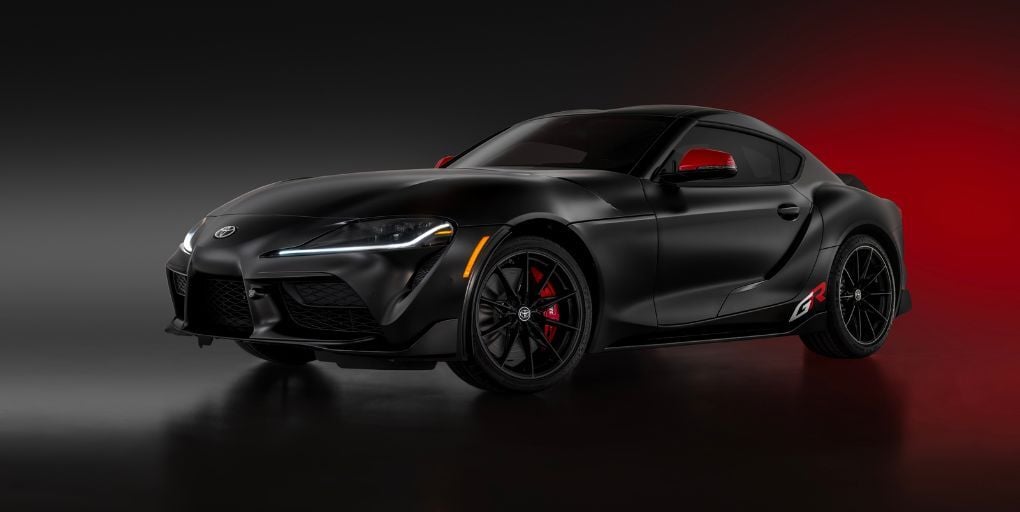
Limited editions, rare colors, or dealer-only packages often sell for a premium. -
Market demand and regional trends
Enthusiast hotspots and regions with strong sports-car culture show higher resale value of the Toyota Supra than areas with little interest. -
Warranty and certified pre-owned programs
Remaining factory warranty or CPO status can make buyers pay more and thus raise resale value of the Toyota Supra.

Market trends and typical depreciation patterns
New cars typically lose value fastest in year one, then stabilize. The resale value of the Toyota Supra follows some standard patterns but shows sport-car specific behavior:
-
Early years (0–3 years)
Many modern Supras retain a higher-than-average share of original value for a sports coupe due to limited production and demand. Expect variation by trim and color. -
Mid-term (3–6 years)
Depreciation continues but desirable trims and low-mileage examples keep value steadier. Enthusiast demand moderates drops in this window. -
Long-term (10+ years)
Collectibility, rarity, and condition pivot the resale value of the Toyota Supra. For the MKIV Turbo, long-term value has risen instead of falling.
Estimated retention ranges are broad because markets change, but it’s reasonable to see top-condition Supras retain 60–80% of value in the short term and diverge widely later based on the factors above.
How to maximize resale value of a Toyota Supra
If you want to protect or boost the resale value of the Toyota Supra, follow these practical steps:
-
Keep full service records and retain original receipts and manuals.
Documentation builds buyer confidence and raises perceived value. -
Limit harsh or permanent modifications.
Keep factory parts and document any reversible upgrades to avoid scaring buyers. -
Maintain cosmetic condition.
Wax, interior care, and factory paint preservation matter; visible wear lowers resale value of the Toyota Supra more than mechanical issues in many cases. -
Choose popular colors and desirable options when buying new.
Simple choices pay off on resale. -
Use dealer or certified service when possible.
A dealer history often reassures buyers and improves resale prospects. -
Store and drive responsibly.
Low-mileage, garage-kept cars consistently command higher resale value of the Toyota Supra.
Personal note: I once sold an A90 with full dealer history and no visible mods for several thousand dollars more than comparable listings. Buyers will pay for confidence.

Buying a used Supra with resale in mind
When evaluating a used Supra, focus on indicators that predict future resale value:
-
Ask for complete service history and title documentation.
Proven maintenance predicts lower future costs and higher resale value. -
Inspect for modifications and ask whether they are reversible.
Non-permanent changes are easier to resell. -
Check common wear points relevant to each generation.
Turbo health, suspension wear, and electronic issues are key. Addressing these before purchase preserves resale value. -
Compare asking price to recent sold listings, not just active ads.
Realized prices better reflect market value and help estimate future resale value of the Toyota Supra.
Common short questions (PAA-style)
How fast does a Supra lose value in the first year?
Depreciation varies, but a modern Supra may lose less than typical sports cars in year one due to limited supply and demand; expect a noticeable but not catastrophic drop.
Do modifications always hurt resale value?
Not always, but most heavy or engine-modifying changes reduce buyer pool and lower resale value of the Toyota Supra; reversible and tasteful mods are less damaging.
Is the MKIV Supra a better long-term investment?
Certain MKIV Turbo examples have become highly collectible, which can make them strong long-term investments, though condition and provenance are critical.
Frequently Asked Questions of What is the resale value of the Toyota Supra?
What percentage of its original value does a Supra typically retain after three years?
Retention varies by trim and market, but many well-kept Supras can retain roughly 60–75% of original value after three years depending on demand and mileage.
How much do modifications affect the resale value of a Supra?
Modifications can lower appeal for mainstream buyers and reduce resale value, especially if they are irreversible or affect reliability; reversible, documented mods are less harmful.
Are older Supras like the MKIV worth more now?
High-condition MKIV Turbo models have become collectible and can command much higher prices than when new; non-turbo MKIVs are valuable but less extreme.
Should I buy a Supra as an investment for resale value?
Buying a Supra can be reasonable for value retention if you choose desirable trims, maintain the car carefully, and avoid risky mods; treat any car purchase primarily as a driver’s choice, not a guaranteed investment.
Does mileage heavily impact the resale value of the Toyota Supra?
Yes, lower mileage almost always improves resale value by reducing perceived future repair risk and making the car more appealing to buyers.
Can warranty or CPO status increase resale value?
Yes, remaining warranty coverage or certified pre-owned status can attract buyers and improve resale prospects by offering peace of mind and predictable service expectations.
Conclusion
Owning a Supra can be rewarding on the road and reasonable for resale when you focus on maintenance, documentation, and sensible choices. The resale value of the Toyota Supra depends on generation, condition, mileage, modifications, and market demand, and the difference between a well-kept car and a neglected one can be thousands of dollars. If you want the best resale outcome, keep records, avoid permanent mods, choose sought-after specs, and store the car well. Ready to protect your Supra’s future value? Start a maintenance log today, and consider getting a pre-purchase inspection before you buy or sell.





One Comment on “What Is The Resale Value Of The Toyota Supra: 2026 Guide”