Owning a Nissan GT-R delivers supercar speed and tech but demands high running costs and careful care.
I’ve spent years driving, testing, and maintaining performance cars, including time behind the wheel of a Nissan GT-R. This article answers What are the pros and cons of owning a Nissan GT-R? with measured, real-world insight. I’ll walk you through performance, daily use, costs, maintenance, buying tips, and who the GT-R truly fits. Read on for clear pros and cons, personal tips, and a practical buying checklist that helps you decide if a GT-R belongs in your garage.

49% off Today's Exclusive Deals
Limited-time Exclusive Deals. Check current discount on Amazon.
Check Price on Amazon As an Amazon Associate I earn from qualifying purchases.
Why consider the Nissan GT-R?
What are the pros and cons of owning a Nissan GT-R? Start with why people buy one: it blends race-bred tech with everyday usability.
The GT-R is known for twin-turbo V6 power, all-wheel drive grip, and advanced electronics. It offers near-supercar lap times for a fraction of the price of many exotic rivals. For drivers who want raw speed plus usable daily manners, the GT-R is a compelling option.
49% off Today's Exclusive Deals
Limited-time Exclusive Deals. Check current discount on Amazon.
Check Price on Amazon As an Amazon Associate I earn from qualifying purchases.
Pros of owning a Nissan GT-R
What are the pros and cons of owning a Nissan GT-R? Here are the strongest upsides, explained plainly.
- Performance and acceleration: The GT-R delivers explosive acceleration and consistent lap times thanks to its hand-built twin-turbo V6 and all-wheel-drive system. It feels planted in corners and stable under heavy throttle.
- Value for speed: Compared to many European exotics, the GT-R offers similar straight-line and track performance at lower purchase prices. You get a lot of performance per dollar.
- Built-in driving tech: The car has advanced traction and launch control systems that make high performance more accessible to non-professional drivers. The cockpit also offers configurable engine and suspension settings.
- Durability and engineering: The GT-R’s engine is hand-assembled and robust when cared for properly. Many owners report long engine life compared to comparable turbocharged sports cars.
- Practical usability: The GT-R is more practical than many supercars. It has a usable trunk, four seats, and a ride that can be civil for daily driving in comfort mode.
- Community and aftermarket: There is a strong owner community and vast aftermarket support for tuning, parts, and performance upgrades. That makes customization and repairs easier.
What are the pros and cons of owning a Nissan GT-R? On the pros side, it really shines where speed, tech, and everyday use meet.

Source: youtube.com
Cons of owning a Nissan GT-R
What are the pros and cons of owning a Nissan GT-R? Now the drawbacks to weigh before you buy.
- High running costs: Maintenance, tires, brakes, and insurance are expensive. The GT-R uses high-performance consumables that wear faster than ordinary cars.
- Fuel economy: Expect poor fuel economy in spirited driving. The twin-turbo V6 drinks fuel when driven hard.
- Harsh ride in sport modes: While adjustable, the suspension can be stiff and transmit road harshness on rough surfaces. Comfort mode helps, but some road noise remains.
- Repair and parts cost: Some parts and labor are pricey. Specialized service and performance diagnostics often cost more than for mainstream cars.
- Attention and practicality: The GT-R draws attention and may be less discreet. It’s also big and heavy compared to some sports cars, which affects agility in low-speed maneuvers.
- Depreciation and market quirks: Certain model years and heavy modification histories can hurt resale value. Buying used requires care.
What are the pros and cons of owning a Nissan GT-R? The cons mostly hit your wallet and comfort, not the pure thrill.

Source: reddit.com
Ownership costs: realistic numbers and expectations
What are the pros and cons of owning a Nissan GT-R? Money often decides. Here is a clear look at costs.
49% off Today's Exclusive Deals
Limited-time Exclusive Deals. Check current discount on Amazon.
Check Price on Amazon As an Amazon Associate I earn from qualifying purchases.- Purchase price: New GT-Rs and late-model used examples vary widely. Expect five-figure to six-figure purchases depending on year and trim. Certified pre-owned models tend to cost more.
- Insurance: Insurance premiums are higher than average. Rates depend on driver history, location, and modifications.
- Fuel: Expect 15–20 mpg mixed, worse under spirited driving. Budget accordingly if you plan regular fast runs.
- Tires and brakes: High-performance tires cost $400–$1,000+ per set. Brake pads and rotors are also at premium prices for performance parts.
- Scheduled maintenance: Oil, filters, and inspections are regular. Major services like timing-related work or turbo issues can be costly.
- Unexpected repairs: Turbos, electronics, and drivetrain items can be expensive when they fail. Save an emergency fund and consider extended warranty options for peace of mind.
What are the pros and cons of owning a Nissan GT-R? The financial cons are real but predictable if you plan ahead.

Source: reddit.com
Real-world ownership: lessons from experience
What are the pros and cons of owning a Nissan GT-R? From my own time with a GT-R, here are practical lessons and tips.
I drove a GT-R for weekend runs and track days. It was thrilling and reliable when I followed service schedules. Key lessons:
- Follow the service schedule strictly. Regular oil changes with high-quality oil save money long-term.
- Use a reputable shop familiar with GT-Rs. Specialist mechanics catch issues before they become big repairs.
- Avoid aggressive mods that stress the stock transmission or drivetrain. Many owners regret pushing power without upgrading supporting parts.
- Keep a maintenance log. It improves resale and helps diagnose issues quickly.
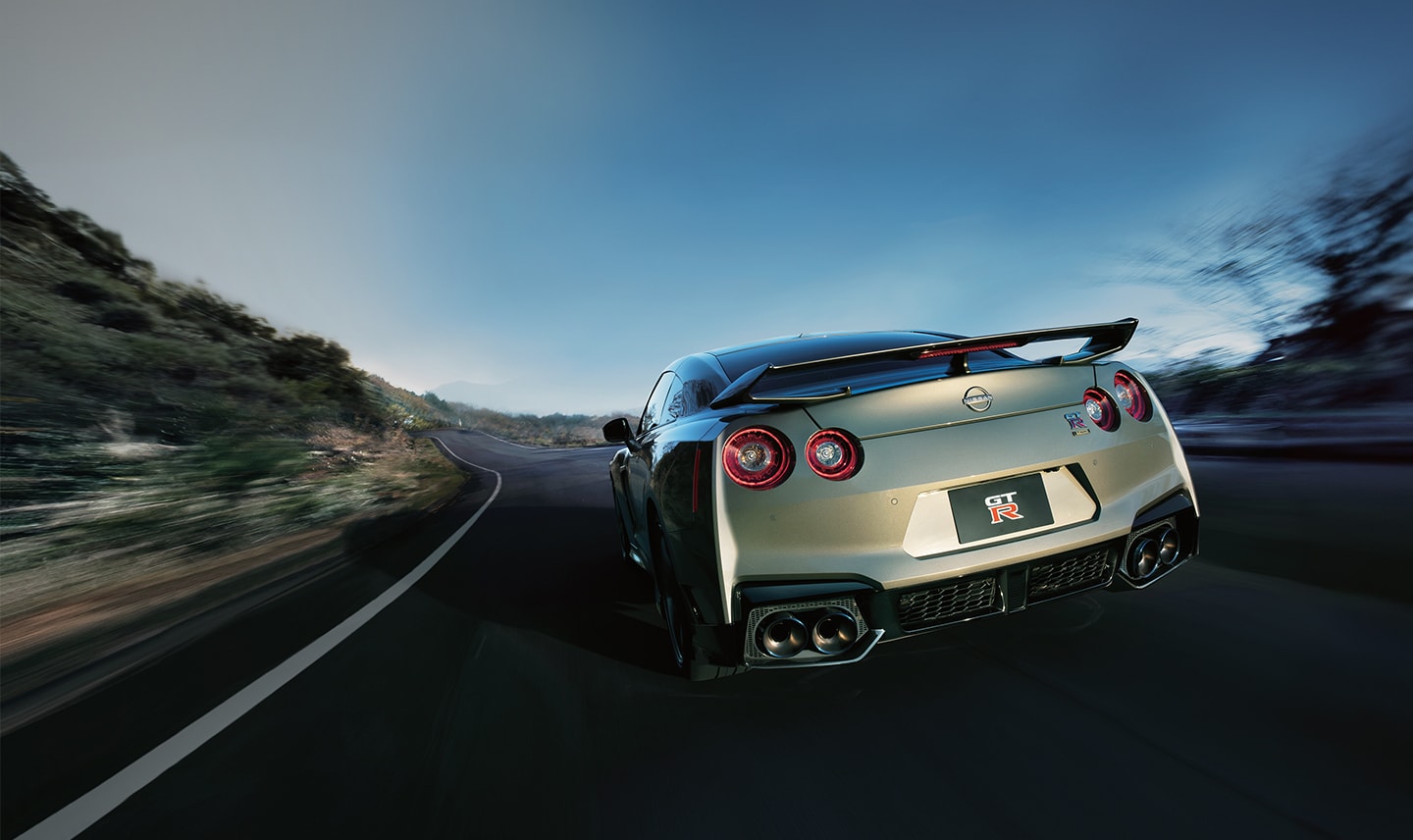
Real ownership demands respect for maintenance. If you love fast cars and plan to maintain it, the GT-R rewards you with performance and reliability.
Source: nissanusa.com
Buying advice: new vs used and inspection checklist
What are the pros and cons of owning a Nissan GT-R? Buying smart reduces the cons.
New or used decision
- New: Full warranty and known history. Higher cost but less immediate risk.
- Used: Better value for performance. Requires careful inspection and service records.
Inspection checklist
- Engine oil and service history: Check for regular oil changes and documented major services.
- Transmission and clutch behavior: Test for smooth shifts and listen for abnormal noises.
- Turbocharger condition: Look for smoke, oil leaks, or unusual power loss.
- Suspension and bushings: Check for worn parts and uneven tire wear.
- Modifications: Confirm quality and tune charts. Poor tuning causes reliability problems.
- Accident history and title: Verify a clean title and matching VINs.
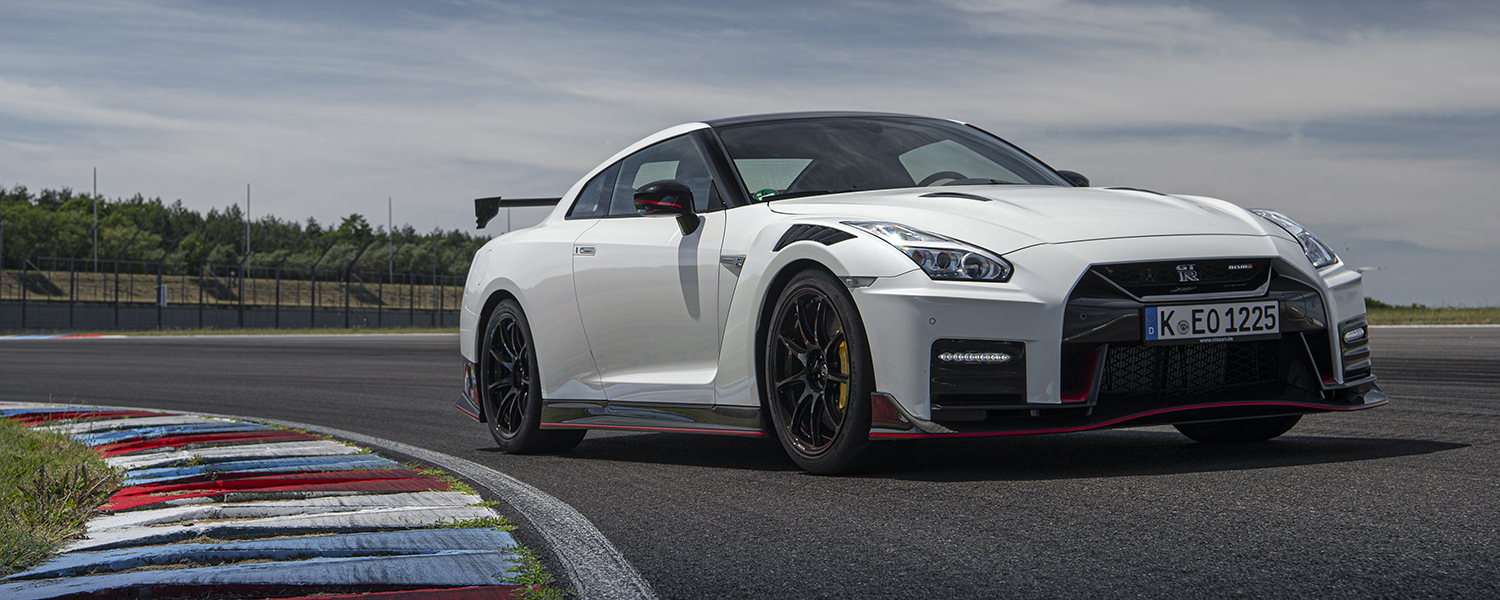
What are the pros and cons of owning a Nissan GT-R? A thorough pre-purchase inspection and service history can turn many cons into manageable risks.
Source: nissannews.com
Common trade-offs and who should buy a GT-R
What are the pros and cons of owning a Nissan GT-R? Consider your priorities before committing.
- If you want raw speed, track capability, and daily usability, the GT-R is excellent. It balances performance and practicality.
- If you want low ownership costs, quiet fuel efficiency, or minimal attention, consider other cars. Sedans and grand tourers offer lower running costs.
- If you love modifying cars and joining a community, the GT-R has strong aftermarket support and a helpful owner base.
What are the pros and cons of owning a Nissan GT-R? The right owner values speed, maintenance, and community more than low cost and subtlety.
Frequently Asked Questions of What are the pros and cons of owning a Nissan GT-R?
Is the Nissan GT-R reliable for daily driving?
The GT-R is generally reliable when maintained regularly. It can be used daily but expect higher service and fuel costs than typical cars.
How much does it cost to maintain a GT-R annually?
Annual costs vary, but budget a few thousand dollars for regular maintenance, insurance, and consumables. Track use increases costs significantly.
Are GT-R parts hard to find?
Common parts and performance upgrades are widely available thanks to a large aftermarket. Rare OEM items may take longer and cost more.
Should I buy a modded GT-R or a stock one?
A stock GT-R with documented service is safer for most buyers. Modded cars can be fine if upgrades are quality and well-documented.
How does the GT-R compare to other supercars?
The GT-R often matches or beats more expensive supercars in lap times while costing less. It offers a unique blend of tech, speed, and durability.
Can a GT-R be daily driven in winter?
Yes, with proper tires and care. The all-wheel-drive system helps in cold and wet conditions, but salty roads increase corrosion risk.
Conclusion
Owning a Nissan GT-R means trading higher running costs and careful upkeep for exceptional speed, advanced tech, and usable daily comfort. If you value performance and are willing to plan for maintenance, the GT-R rewards with thrills and strong engineering. Decide based on your budget, driving habits, and how much attention you want from your car. If you’re ready, start with a careful inspection, a maintenance fund, and a trusted mechanic — then enjoy one of the most capable performance cars for the money. Share your thoughts below, subscribe for more guides, or ask a question if you’re considering a GT-R purchase.