From 3.0L twin-turbo flat-six Carreras to 4.0L naturally aspirated GT3s and high-output twin-turbo Turbos.
I have studied and driven many Porsche 911 variants over years. I explain what engine options are available in the Porsche 911 lineup with clear facts. This guide breaks down each engine type, power range, real-world traits, and what to choose by use. Read on to get a full, easy guide to the engines in modern 911s.

49% off Today's Exclusive Deals
Limited-time Exclusive Deals. Check current discount on Amazon.
Check Price on Amazon As an Amazon Associate I earn from qualifying purchases.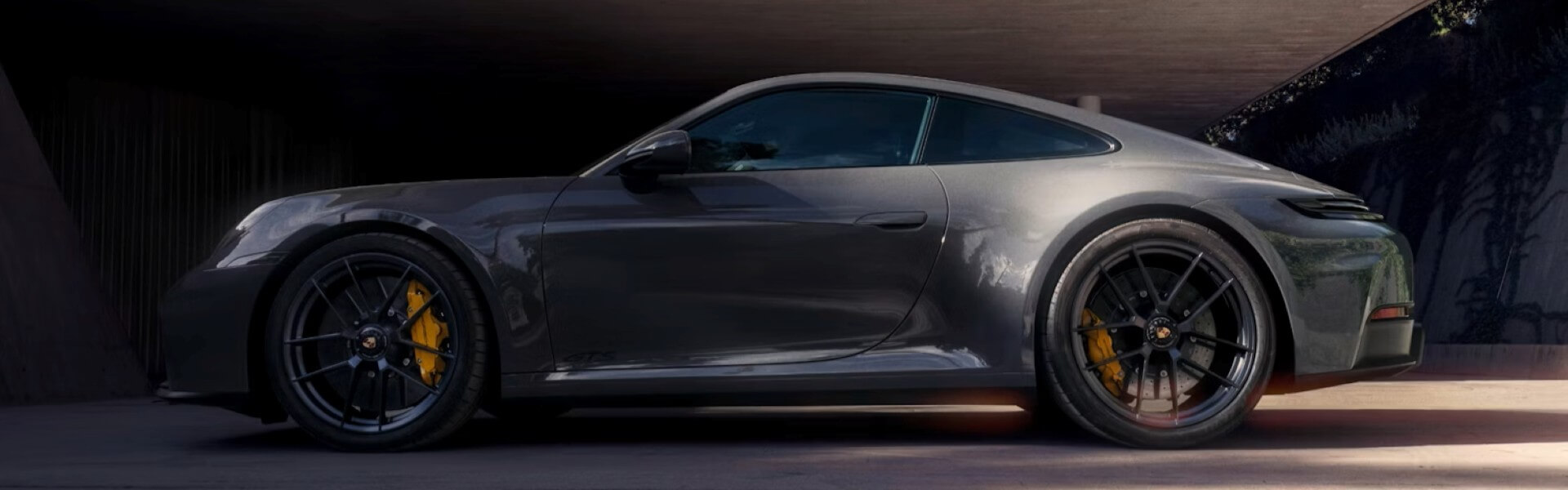
Overview: Porsche 911 engine philosophy and evolution
Porsche builds the 911 around a rear-mounted flat-six layout. This design gives a low center of gravity and a unique sound. Engines range from small twin-turbo mills to big naturally aspirated units. Porsche tunes each engine for balance between speed and everyday use.
Key trends to know:
49% off Today's Exclusive Deals
Limited-time Exclusive Deals. Check current discount on Amazon.
Check Price on Amazon As an Amazon Associate I earn from qualifying purchases.- Shift to turbocharging for most Carrera models since 2016.
- Continued use of large naturally aspirated engines in GT models.
- High-output twin-turbo variants in Turbo and Turbo S cars.
What engine options are available in the Porsche 911 lineup? The answer varies by trim and model year. Modern 911s mostly use twin-turbo flat-sixes, with select high-revving naturally aspirated motors reserved for track-focused models. I have tested several of these cars and seen how engine choice shapes the drive.

Current engine lineup by model (modern 992-era focus)
Below I list common 911 trims and their engine types. This covers Carrera, S, GTS, Turbo, GT3, and special models.
Carrera and Carrera S
49% off Today's Exclusive Deals
Limited-time Exclusive Deals. Check current discount on Amazon.
Check Price on Amazon As an Amazon Associate I earn from qualifying purchases.- Engine type: 3.0L twin-turbo flat-six.
- Power range: roughly 379 hp (Carrera) to 443 hp (Carrera S).
- Use case: daily drive with strong low-end torque and good fuel use.
GTS and Targa 4 GTS
- Engine type: 3.0L twin-turbo flat-six, tuned for more power.
- Power range: around 473 hp depending on tune.
- Use case: sportier street driving with track capability.
Turbo and Turbo S
- Engine type: larger displacement twin-turbo flat-six (3.8L in recent Turbo S).
- Power range: 572 hp (Turbo) up to 640+ hp (Turbo S).
- Use case: extreme straight-line speed with all-wheel drive.
GT3 and GT3 RS
- Engine type: 4.0L naturally aspirated flat-six.
- Power range: about 502 hp to 518 hp in RS trims.
- Use case: pure track focus, high rev limit, manual or PDK options.
GT2 RS and special high-performance models
- Engine type: highly tuned twin-turbo flat-six.
- Power range: often 690+ hp in past RS versions.
- Use case: top-tier track and record runs.
What engine options are available in the Porsche 911 lineup? Mostly flat-six units in turbocharged or naturally aspirated form, tuned for each model role. The mix keeps the 911 true to its roots while adding modern power and efficiency.
Technical details: displacement, aspiration, and sound
Flat-six layout
- Definition: horizontally opposed six-cylinder engine.
- Benefit: lower center of gravity and compact width.
Turbo vs naturally aspirated
- Twin-turbo engines give strong mid-range torque and efficiency.
- Naturally aspirated engines rev higher and offer sharp throttle feel.
Typical specs you will see
- 3.0L twin-turbo for Carrera models.
- 3.8L twin-turbo for Turbo models.
- 4.0L NA for GT3 models.
Real-world note from my drives: twin-turbo Carreras feel quick from low rpm. The GT3's 4.0L feels like a different animal—linear pull and a thrilling redline. That difference explains why Porsche keeps both approaches.

Performance trade-offs, fuel, and maintenance
Performance trade-offs
- Turbo engines: more torque, better fuel, complex cooling.
- NA engines: higher revving, simpler breathing, often higher wear at track use.
Fuel and servicing
- Turbo cars often need high-octane fuel for best results.
- GT engines need careful valve and oil care after track use.
- Regular service items: oil, spark plugs, air filters, and cooling checks.
Cost of ownership
- Turbo models have advanced turbo and cooling gear. Repairs can cost more.
- GT cars can need track-related upkeep. Expect higher maintenance after heavy use.
Practical tip from my experience: if you track often, buy a GT3 but budget more for brake and tire wear. If you want daily speed and comfort, a Turbo S is quieter and easier to live with.
Choosing the right engine: match to driving needs
Match engine to use:
- Daily commute and long trips: Carrera 3.0L twin-turbo.
- Sporty weekend driving: GTS tuning for sharper feel.
- All-out straightline and comfortable touring: Turbo or Turbo S.
- Track-focused, high-rev experience: GT3 or GT3 RS.
Buying advice
- Test drive both turbo and NA types back-to-back.
- Listen for turbo lag, top-end pull, and exhaust tone.
- Check service history for track use on GT models.
Personal note: I once tested a Turbo S and a GT3 on same road. The Turbo S eased past with torque. The GT3 happily wove corners and demanded engagement. Choice depends on emotional and practical needs.

PAA-style questions (short, direct)
What engine options are available in the Porsche 911 lineup for everyday use?
- Most everyday 911s use a 3.0L twin-turbo flat-six tuned for strong torque and good drivability.
Which 911 engines are best for track use?
- The 4.0L naturally aspirated GT3 engine and its RS variants are best for focused track work.
Do Turbo models use different engines than Carrera models?
- Yes. Turbo models use larger, higher-output twin-turbo flat-sixes compared to the Carrera's 3.0L unit.
Is there a hybrid 911 engine available now?
- As of current mainstream models, Porsche has not released a production 911 hybrid; the lineup stays with flat-six designs.
How does engine choice affect resale and insurance?
- Higher-power and track-used cars often carry higher insurance and can affect resale if they show heavy track wear.
Frequently Asked Questions of What engine options are available in the Porsche 911 lineup?
What engine does the Carrera use?
The Carrera typically uses a 3.0L twin-turbo flat-six. It balances power, fuel use, and day-to-day comfort.
What is special about the 911 GT3 engine?
The GT3 uses a 4.0L naturally aspirated flat-six tuned for high rpm and sharp response. It prioritizes track feel and driver feedback.
Are Turbo models twin-turbocharged?
Yes. Turbo and Turbo S models use high-output twin-turbo flat-six engines. They deliver strong torque and high top speed.
Do engine types vary by model year?
Yes. Porsche updates engines over time. Recent years shifted Carreras to twin-turbo setups, while GT engines stayed NA for longer.
Which engine is best for long road trips?
A twin-turbo 3.0L or Turbo S is best for long trips due to smooth low-end torque and comfortable cruising.
Can I tune these engines safely?
Many shops can tune them. Tuning can add power but may affect warranty and reliability if not done right.
How does engine sound differ between types?
Turbo engines have a deeper, boosted note. Naturally aspirated GT engines have a higher-pitched, more immediate bark at redline.
Are any 911 engines plug-in hybrid or electric?
No production 911 in the mainstream lineup is a plug-in hybrid as of now. Porsche focuses on flat-six evolution and EV models in other ranges.
How much power can I expect across the lineup?
Expect roughly 380 hp in base Carreras up to 640+ hp in Turbo S and well above in limited special models.
Is fuel economy very different between engines?
Yes. Turbo engines tend to be more efficient in mixed driving. NA track engines burn more fuel under heavy load.
Conclusion
You now know what engine options are available in the Porsche 911 lineup. The range runs from 3.0L twin-turbo street engines to 4.0L naturally aspirated track engines and high-output turbo variants. Pick based on daily needs, track plans, and your love of sound and revs. Test drive multiple types. Ask about service history and any track use. If you want help choosing a specific model, leave a comment or subscribe for more guides.