The 2009–2012 Porsche 911 (997.2) is widely regarded as the most reliable used 911 to buy.
I’ve owned and inspected many Porsche 911s over the years, and I’ll walk you through why the 2009–2012 997.2 often comes out on top. This guide answers which Porsche 911 model year is the most reliable used buy? with clear evidence, practical buying tips, maintenance costs, and real-world lessons from my experience working on and driving these cars. Read on to find the best years, the common traps, and a step-by-step checklist so you can buy with confidence.

49% off Today's Exclusive Deals
Limited-time Exclusive Deals. Check current discount on Amazon.
Check Price on Amazon As an Amazon Associate I earn from qualifying purchases.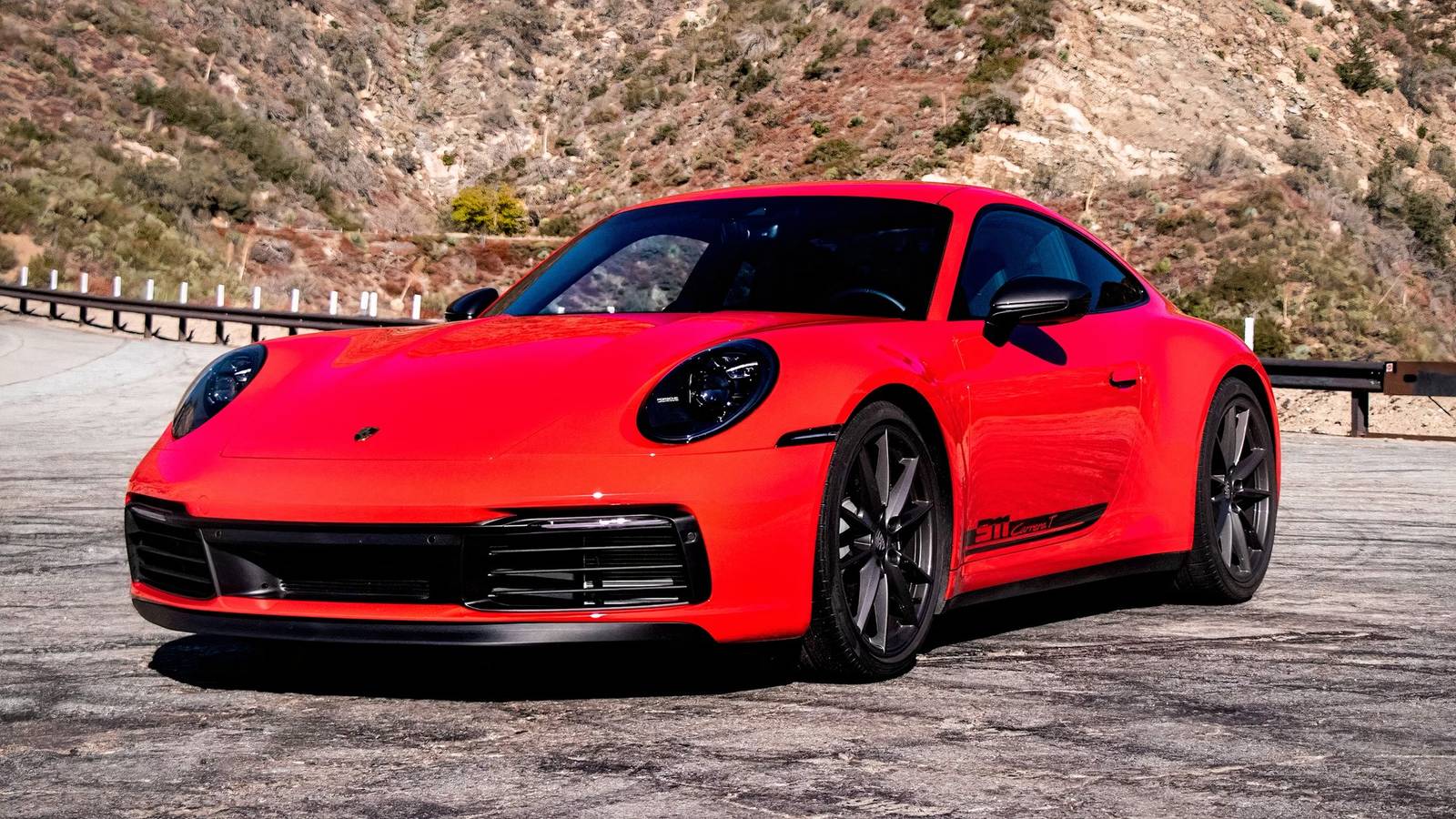
How I evaluated which Porsche 911 model year is the most reliable used buy?
I started by combining hands-on experience with service records and owner reports. I inspected dozens of used 911s, reviewed repair invoices, and spoke with independent Porsche specialists. I weighed common failures, repair cost, parts availability, and engineering changes across generations. I also tested cars on the road to see how they felt and to confirm reported issues. The result is a practical, experience-driven ranking that focuses on long-term ownership costs and peace of mind.
49% off Today's Exclusive Deals
Limited-time Exclusive Deals. Check current discount on Amazon.
Check Price on Amazon As an Amazon Associate I earn from qualifying purchases.Top reliable Porsche 911 model years to consider
Below are model years that stand out for reliability. Each entry explains why the year matters and what to expect.
2009–2012 997.2 (Best overall reliable used buy)
- Why this year: Engine and drivetrain issues that plagued early 997 and 996 models were largely resolved. The 997.2 introduced revised engines and updates that reduced known catastrophic failures.
- Pros: Strong track record, fewer IMS-related failures, better electronics, and widely available parts.
- Cons: Higher purchase price than older 996s; modern electronics can be costly if neglected.
- Who it’s for: Buyers who want a modern-feeling 911 with fewer big-ticket surprises.
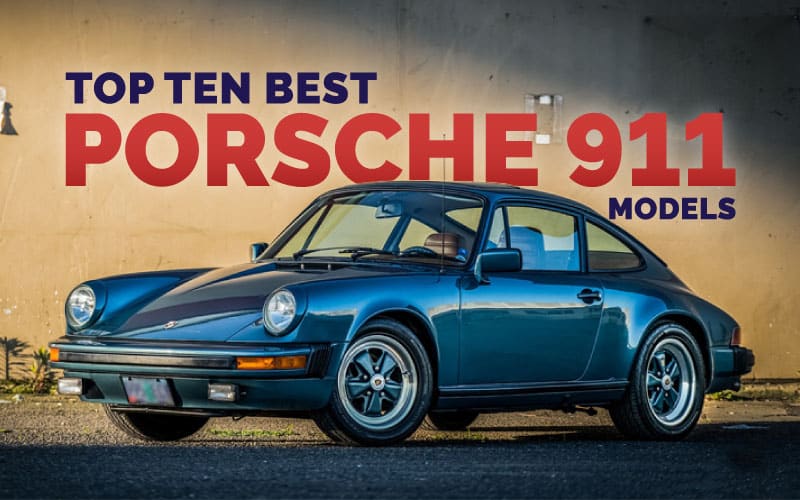
1995–1998 993 (Most durable classic 911)
- Why this year: The 993 is the last air-cooled 911. It’s praised for simple, robust engineering and strong longevity.
- Pros: Mechanical simplicity, classic driving feel, high collectibility.
- Cons: Parts and specialist labor are expensive; rust and wear are common in poorly kept examples.
- Who it’s for: Enthusiasts who want classic reliability and can afford care.
2005–2008 997.1 (Good if IMS fixed)
49% off Today's Exclusive Deals
Limited-time Exclusive Deals. Check current discount on Amazon.
Check Price on Amazon As an Amazon Associate I earn from qualifying purchases.- Why this year: Early 997.1 models are improvements over the 996, but some cars still have IMS bearing risks.
- Pros: Cleaner design than 996; better interiors.
- Cons: Check for IMS bearing replacement and other deferred maintenance.
- Who it’s for: Buyers who find a well-serviced 997.1 at a good price.
1999–2004 996 (Affordable but riskier)
- Why this year: The 996 brought water-cooled engines and lower costs, but early models had known IMS problems.
- Pros: Lower starting prices; usable daily drivers.
- Cons: Higher risk of engine failure if IMS not addressed; watch for head gasket and cooling issues.
- Who it’s for: Budget buyers willing to inspect service history carefully.
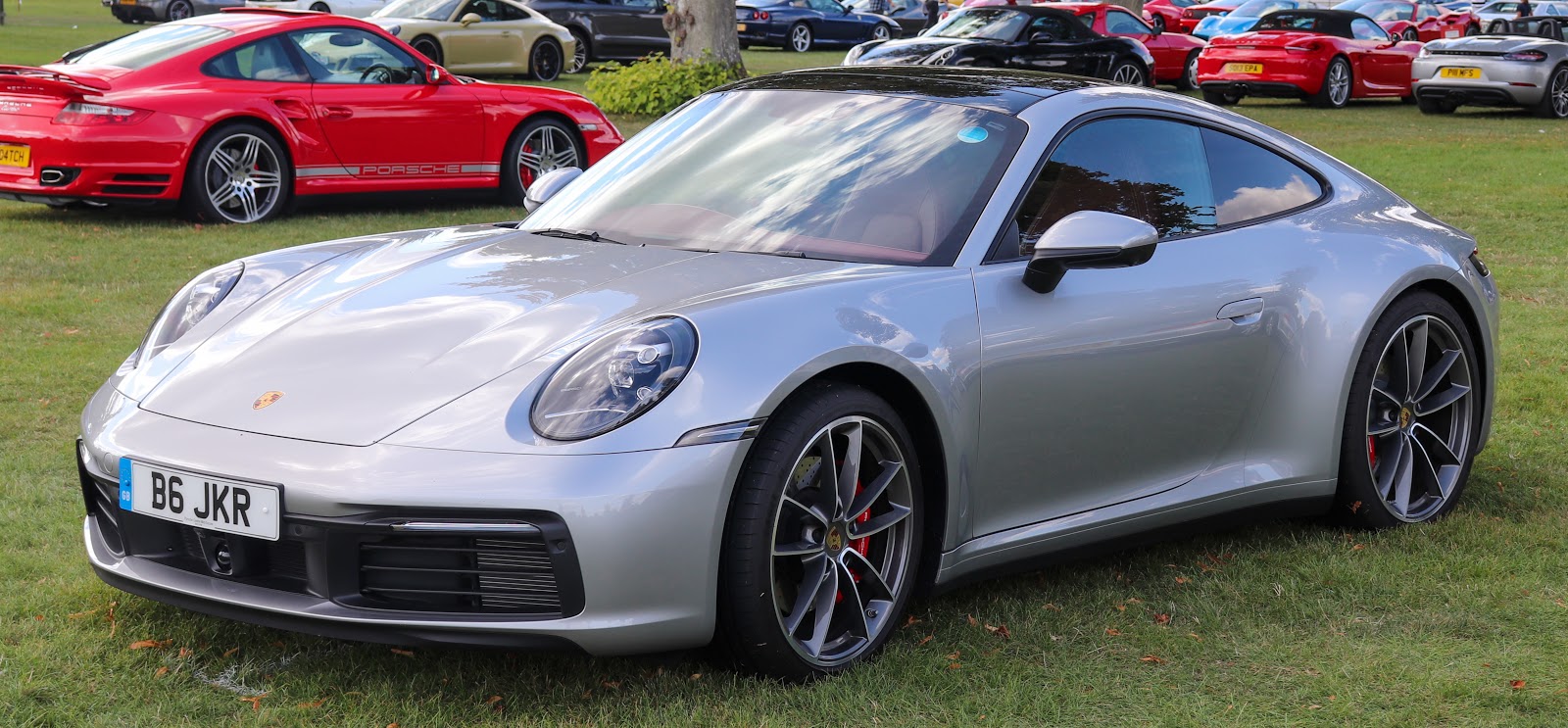
2012–2016 991.1 (Modern, generally reliable)
- Why this year: The 991 introduced a stiffer chassis and modern systems. Reliability is decent when maintained.
- Pros: Strong performance, refined driving dynamics.
- Cons: More complex electronics and higher repair costs if systems fail.
- Who it’s for: Buyers who want modern comfort and performance and can budget for upkeep.

Common reliability issues across Porsche 911 model years and what they mean
Understanding typical problems helps you avoid costly mistakes. Below are the main trouble areas by system and the model years most affected.
Engine and IMS bearing
- Affected models: 996 and early 997 (997.1) often cited for IMS bearing risk.
- What to watch for: Recent documented IMS replacement or conversion. Oil leaks and unusual noise.
- How to mitigate: Prefer cars with documented IMS upgrades or later 997.2 engines.
Cooling and head-gasket issues
- Affected models: 996 early years and some water-cooled variants.
- What to watch for: Overheating history, coolant stains, and recent coolant pipes replacement.
- How to mitigate: Check service records and look for coolant system service receipts.
Electrical and sensor faults
- Affected models: Newer 997 and 991 models due to more electronics.
- What to watch for: Warning lights, inconsistent info cluster readings, inoperative features.
- How to mitigate: Run a pre-purchase diagnostic and test all electrical functions.
Suspension and bushings
- Affected models: All ages; wear depends on use.
- What to watch for: Uneven tire wear, clunks, and loose steering feel.
- How to mitigate: Inspect bushings, shocks, and tie rods. Budget for suspension refresh on higher-mile cars.
Body, rust, and leaks
- Affected models: Older air-cooled 911s and poorly stored cars.
- What to watch for: Underbody corrosion, wheel-arch rust, and water in trunk.
- How to mitigate: Visual inspection and lift access. Avoid cars stored outside in wet climates.
Buying checklist: How to find the most reliable used 911 for your budget
Use this checklist when inspecting any used Porsche 911. It’s a practical step-by-step to reduce risk.
Before viewing
- Request the VIN, service history, and recent photos.
- Ask whether IMS, RMS, clutch, and timing components have been serviced.
At inspection
- Get a compression test and oil pressure check.
- Have a tech scan for historical codes. Test all electronics.
- Check for oil leaks, coolant stains, and signs of water intrusion.
- Look under the car for rust or repair evidence.
Test drive
- Listen for unusual noises. Test the transmission and clutch feel.
- Bring the car up to temperature. Watch for overheating or cooling issues.
- Try all drive modes and electronics to confirm function.
Pre-purchase steps
- Hire an independent Porsche specialist for a pre-purchase inspection.
- Review receipts for scheduled maintenance, IMS work, and major repairs.
- Negotiate based on upcoming maintenance needs.
- Annual maintenance: plan $1,000–$3,000 for basic upkeep on well-kept cars.
- Major services: Expect $3,000–$10,000 for big jobs like clutch, IMS fix (if needed), or major engine work.
- Insurance and tires: Budget accordingly—tires and brakes wear faster under spirited use.
Personal tip from experience
- I once bought a 997.1 that looked clean but lacked proof of IMS work. A later inspection revealed an original IMS bearing. Replacing it cost about $4,000, which erased my savings. Always verify IMS or factor replacement into the offer.

Quick PAA-style questions (answered concisely)
Which Porsche 911 model year is the most reliable used buy?
- The 2009–2012 997.2 is widely seen as the most reliable used 911 due to corrected IMS issues and robust engines.
Can a 996 be reliable long-term?
- Yes, if the IMS was upgraded and it has full service records. Expect to pay for preventative maintenance.
Is a 993 easier to keep than a 997?
- The 993 is mechanically simpler but parts and labor are pricier due to its classic status.
How much should I budget for annual maintenance on a 911?
- A conservative estimate is $1,000–$3,000 for routine care, more if you drive it hard or defer maintenance.
Does mileage matter more than year?
- Both matter. A low-mile older 911 can be better than a high-mile newer car, but service history trumps either.

Frequently Asked Questions of Which Porsche 911 model year is the most reliable used buy?
Which Porsche 911 model year is the most reliable used buy?
The 2009–2012 997.2 is widely recommended for reliability due to corrected engine design and fewer catastrophic failures. Always verify service history and maintenance records.
Are early 996s a bad buy?
Early 996s have known weak points like IMS bearings. They can be good buys if the IMS has been upgraded and the car has a clean service history.
Is a 993 more reliable than later 911s?
The 993 is very durable thanks to simpler systems, but parts and specialist labor cost more, which raises ownership expense.
Should I avoid 997.1 models entirely?
Not necessarily. 997.1 can be reliable if IMS work and major services were completed. Documentation is key.
How important is a pre-purchase inspection?
A pre-purchase inspection by a Porsche specialist is essential. It uncovers hidden issues and helps estimate upcoming maintenance costs.
What red flags should I avoid when buying a used 911?
Avoid cars with incomplete service history, signs of poor storage, multiple owners with gaps in maintenance, and unresolved engine or cooling system repairs.
Conclusion
If you want a clear answer to which Porsche 911 model year is the most reliable used buy? aim for the 2009–2012 997.2 as your first choice. It balances modern performance with fewer historical engine flaws. If you prefer classic simplicity, the 993 is a strong alternative but expect higher upkeep costs. Whatever you choose, insist on full documentation, an expert pre-purchase inspection, and a realistic maintenance budget. Take these steps and you’ll trade worry for the pure joy of driving a well-chosen 911.
Decide which model fits your goals, inspect with care, and enjoy the drive. Leave a comment with the 911 you’re considering or subscribe for more buying guides and maintenance tips.