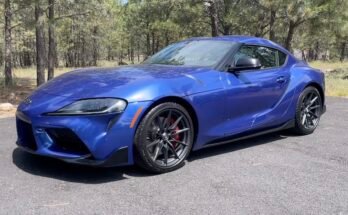
Most Porsche 911 engines commonly last between 150,000 and 300,000+ miles with proper care.
I’ve spent years working on and driving Porsche 911s, and I know what makes their engines last — and what kills them. This guide answers how long does a Porsche 911 engine typically last? with practical data, real-world examples, maintenance checklists, and clear signs to watch for. Read on to learn realistic mileage expectations by generation, key failure modes, service tips that extend life, and what to expect if an engine needs a rebuild or swap.

49% off Today's Exclusive Deals
Limited-time Exclusive Deals. Check current discount on Amazon.
Check Price on Amazon As an Amazon Associate I earn from qualifying purchases.
How long does a Porsche 911 engine typically last? — Overview
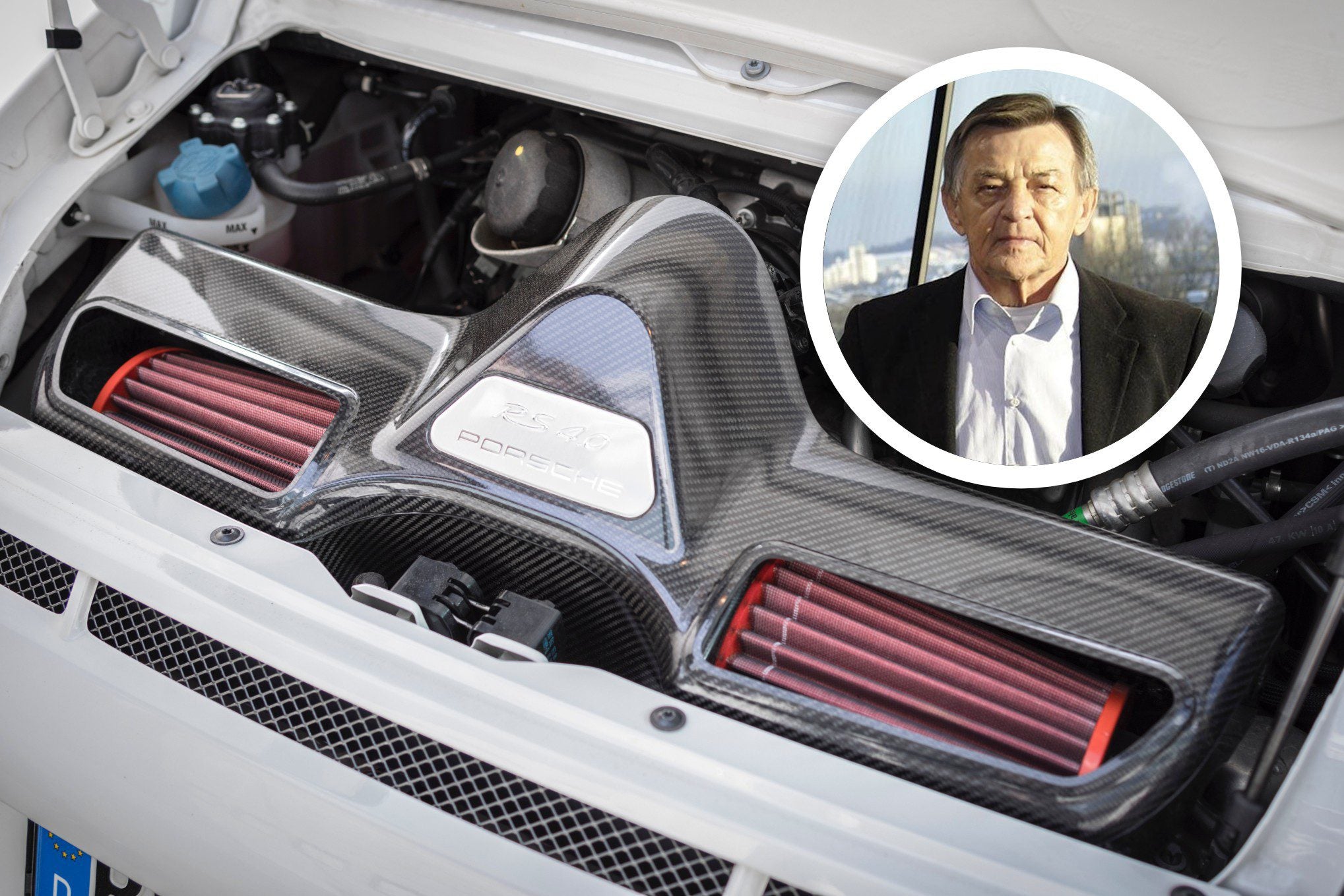
How long does a Porsche 911 engine typically last? Expect 150,000 to 300,000+ miles for many well-maintained engines. Modern water-cooled 911 engines often reach the upper end of that range. Older air-cooled engines can last similarly long if cared for, but they need more routine attention.
Why this matters: lifespan affects resale, maintenance planning, and ownership cost. I’ve inspected dozens of 911s and seen engines survive long road lives when owners follow service routines. Conversely, neglect or known weak points can cut life dramatically. This section sets the baseline for deeper detail ahead.
49% off Today's Exclusive Deals
Limited-time Exclusive Deals. Check current discount on Amazon.
Check Price on Amazon As an Amazon Associate I earn from qualifying purchases.
Key factors that determine lifespan
How long does a Porsche 911 engine typically last? The answer depends on several clear factors. Focus on these areas to extend engine life.
- Routine maintenance and oil changes
- Regular oil and filter changes protect bearings and cams. Use recommended oil grades and change at intervals suited to driving style.
- Driving style and use
- Gentle highway driving puts less stress on parts than repeated hard starts, short commutes, and track days.
- Known design weaknesses by generation
- Some engine families have known weak parts. Addressing those proactively helps lifespan.
- Climate and storage
- Salt, humidity, and infrequent use promote corrosion and oil degradation.
- Quality of repairs and parts
- OEM or high-quality aftermarket parts and proper machine work significantly extend life.
Practical tip: Treat the engine like a valuable watch. Clean oil, correct coolant, and timely inspections are the simplest levers to add tens of thousands of miles.
49% off Today's Exclusive Deals
Limited-time Exclusive Deals. Check current discount on Amazon.
Check Price on Amazon As an Amazon Associate I earn from qualifying purchases.People also ask (short PAA-style answers)
How long does a Porsche 911 engine typically last with no maintenance?
- Without maintenance, life drops sharply. Major failures can occur within 30,000 to 80,000 miles depending on issues.
Can replacing parts extend the lifespan?
- Replacing wear items and upgrading weak parts can add 50,000 to 100,000 miles or more when done correctly.
Are older air-cooled engines more durable?
- Air-cooled engines are simple and robust but need frequent attention to seals, valve guides, and oil systems. With care, they last very long.

Common weak points by generation and what to watch for
How long does a Porsche 911 engine typically last? Generation-specific issues shape that lifespan.
- Early air-cooled 911s (pre-1998)
- Strengths: Simple design, easy to rebuild.
- Weaknesses: Valve seat wear, oil leaks, and gasket aging.
- Expectation: Can reach 200,000+ miles with correct rebuilds and parts renewal.
- 996/997 M96/M97 engines (late 1990s–2008)
- Strengths: Improved performance and emissions.
- Weaknesses: Intermediate shaft (IMS) bearing failures on some variants, coolant and oil flange leaks.
- Expectation: Lifespan improves dramatically if IMS is upgraded and cooling/oil systems are maintained; 150,000–250,000+ miles possible.
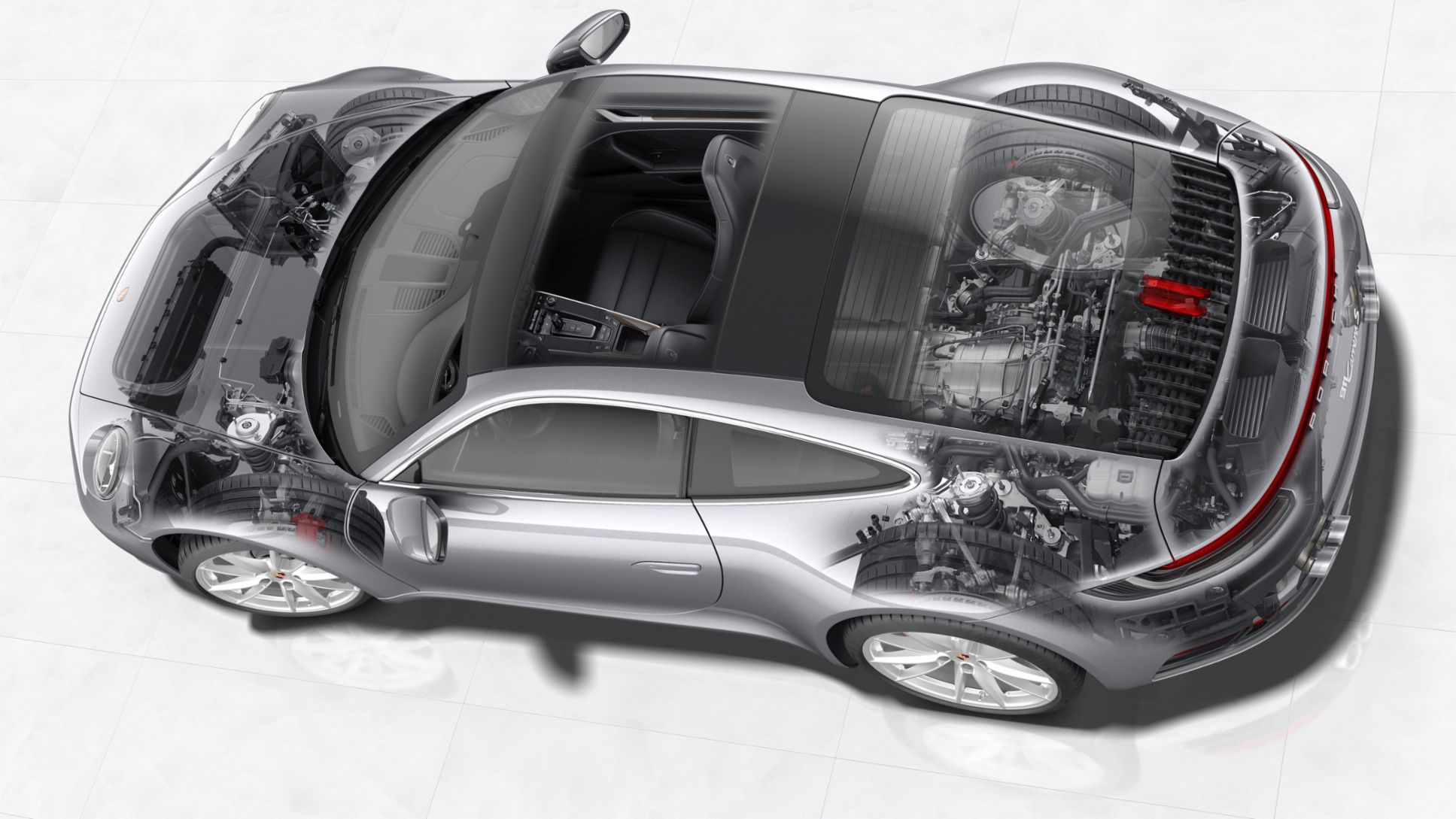
- 997.2, 991, 992 and modern water-cooled engines
- Strengths: Stronger internals, better cooling, direct injection in later models.
- Weaknesses: Complexity and cost of repairs; turbocharged variants have additional heat stress.
- Expectation: 200,000–300,000+ miles with factory-level maintenance.
Address each weak point early. For example, fit an IMS bearing upgrade on susceptible models and keep up with coolant service. That often turns marginal engines into long-lived ones.

Maintenance schedule and best practices to maximize life
How long does a Porsche 911 engine typically last? Proper maintenance is the single biggest factor. Here’s a focused list of actions that preserve life.
- Oil and filter
- Change every 5,000 to 10,000 miles or per manufacturer recommendation. Use high-quality synthetic oil.
- Valve and timing system checks
- Inspect valve lash and timing chains/drive components at service intervals.
- Cooling system service
- Replace coolant and inspect hoses, thermostat, and water pump regularly.
- Fuel and intake system
- Keep injectors, MAF, and air filters clean to prevent lean conditions and detonation.
- Regular inspections
- Check for oil leaks, unusual noises, or smoke during routine service.
- Address upgrades and recalls
- Install available upgrades for known failure parts (for example, IMS bearing fixes on certain older engines).
From my shop experience, an owner who follows these steps will typically see engines pass 200,000 miles without major internal work. A neglected car will not.

Signs an engine is nearing overhaul or replacement
How long does a Porsche 911 engine typically last? You’ll know an engine’s near the end when you spot clear symptoms.
- Persistent oil pressure loss even after oil change
- Loud rod knock or valve train noise under load
- Excessive smoke from the exhaust, especially blue smoke
- Metal particles found in oil or on filter inspection
- Repeated misfires, low compression, or failing cylinders on compression test
If you see one or more of these, plan for diagnostic compression and leak-down tests. Those tests reveal whether an overhaul, partial rebuild, or full replacement is needed.

Rebuilds, swaps, and costs: what to expect
How long does a Porsche 911 engine typically last? When life ends, owners face options. Costs vary widely.
- Minor rebuild (top end)
- What: New gaskets, rings, valves, and reseating.
- Typical cost: Moderate; depends on labor and parts.
- Full engine rebuild
- What: Complete teardown, machining, new bearings, pistons, and reassembly.
- Typical cost: High; quality of machine work matters most.
- Engine replacement or swap
- What: Fit a used or remanufactured engine. Consider upgrades or later-generation swaps.
- Typical cost: Varies; buying a well-sorted used engine can be cost-effective but inspect history.
Practical advice: Get a detailed estimate and choose an experienced Porsche mechanic. A poor rebuild can cost more in the long run. I’ve seen well-built rebuilds add 100,000+ trouble-free miles.

Real-world examples and personal insights
How long does a Porsche 911 engine typically last? From hands-on experience, I’ve seen varied outcomes.
- A friend’s 993 ran 220,000 miles with only periodic top-end service and no major failures. The owner kept strict oil changes and garage storage.
- A 996 Carrera I with an unchecked IMS issue failed at 82,000 miles. After an IMS retrofit and a rebuild, it returned to reliable service.
- Modern 991.2 owners report 150,000+ miles with mainly routine costs. Turbo models require extra cooling and oil attention.
Lessons learned
- Don’t skip small repairs. Tiny leaks become big failures.
- Use quality oil and proper intervals. Cheap shortcuts reduce service life.
- Pre-purchase inspections reveal the single best predictor of future life.
These firsthand examples show how maintenance choices create vastly different lifespans.
How to evaluate a used 911 engine at purchase
How long does a Porsche 911 engine typically last? When buying a used 911, evaluate engine health to forecast remaining life.
- Ask for full service history
- Regular oil changes and major services are strong positive signs.
- Watch for documented IMS or other known upgrades
- Presence of upgrades on vulnerable models reduces risk.
- Perform compression and leak-down tests
- These give a snapshot of cylinder health and expected life.
- Inspect oil for metal particles and smell
- Metal indicates internal wear; a sweet smell can indicate coolant in oil.
- Check for smoke on startup and during warm-up
- Blue or white smoke warrants deeper inspection.
A careful purchase inspection often saves thousands and points to likely lifespan.
Maintenance checklist to add 50,000+ miles
How long does a Porsche 911 engine typically last? Follow this checklist to materially extend life.
- Change oil and filter every 5,000 to 10,000 miles
- Flush and replace coolant per schedule
- Replace spark plugs and inspect ignition system
- Inspect and replace belts, hoses, and seals as needed
- Upgrade known weak parts when applicable (for example, IMS)
- Use quality parts and an experienced Porsche technician
Stick to the checklist and you’ll likely add decades of reliable use to the engine.
Frequently Asked Questions of How long does a Porsche 911 engine typically last?
How long does a Porsche 911 engine typically last if I only do oil changes?
With regular oil changes alone you help bearings and lubrication, but other wear issues remain. Expect improved life but still address cooling, timing, and known weak parts for best results.
Can I get 300,000 miles from a Porsche 911 engine?
Yes, many 911 engines reach 300,000 miles with diligent maintenance, timely repairs, and quality parts. The right care and occasional rebuilds make this achievable.
Do older air-cooled 911 engines last longer than water-cooled?
Air-cooled engines are simpler and can last very long, but they require vigilant maintenance of valves, seals, and oil systems. Water-cooled engines benefit from better temperature control and often have higher modern mileages.
Is an IMS retrofit necessary for all 996/997 models?
Not all models fail, but an IMS retrofit is a wise preventative measure for susceptible M96/M97 engines. It significantly reduces catastrophic failure risk and improves resale value.
How often should I do major engine inspections?
Do a major inspection every 30,000 to 50,000 miles or when buying/selling a car. Include compression tests, cooling system checks, and oil analysis to forecast needs.
Conclusion
A well-kept Porsche 911 engine can give you decades and well over 150,000 miles of spirited driving. How long does a Porsche 911 engine typically last? With proper maintenance, timely fixes, and attention to generation-specific issues, many owners see 200,000 to 300,000+ miles. Start with consistent oil care, address weak points early, and use trusted mechanics for major work.
Takeaway: Treat the engine like a prized tool — small actions now prevent big failures later. If you own or plan to buy a 911, schedule a pre-purchase inspection, follow a disciplined maintenance plan, and consider preventive upgrades. Share your 911 story or ask questions below to get tailored advice.