Yes — electrical issues are relatively common in Range Rover vehicles, especially on complex or older models.
I’ve worked with high-end SUVs and serviced many Land Rover and Range Rover models. I’ll walk you through why electrical issues are common in Range Rover vehicles, what pieces fail most often, how to diagnose and fix them, and how to prevent costly surprises. This guide mixes hands-on experience, industry insight, and clear steps you can use today.

49% off Today's Exclusive Deals
Limited-time Exclusive Deals. Check current discount on Amazon.
Check Price on Amazon As an Amazon Associate I earn from qualifying purchases.
How common are electrical issues in Range Rover vehicles?
Many owners and technicians report that electrical issues common in Range Rover vehicles appear more often than in simpler cars. These vehicles pack a lot of tech. That tech relies on complex wiring, many control modules, and advanced infotainment and driver-aid systems. Complexity increases the chance that something will fail or act intermittently.
Why the perception of frequent problems? Modern Range Rovers use many sensors, cameras, and software systems. That gives more points of failure than older, simpler cars. I’ve seen a single faulty connector create multiple warning lights. If you combine complexity with off-road use, moisture and vibration add risk. All of this explains why electrical issues common in Range Rover vehicles get reported so often.
49% off Today's Exclusive Deals
Limited-time Exclusive Deals. Check current discount on Amazon.
Check Price on Amazon As an Amazon Associate I earn from qualifying purchases.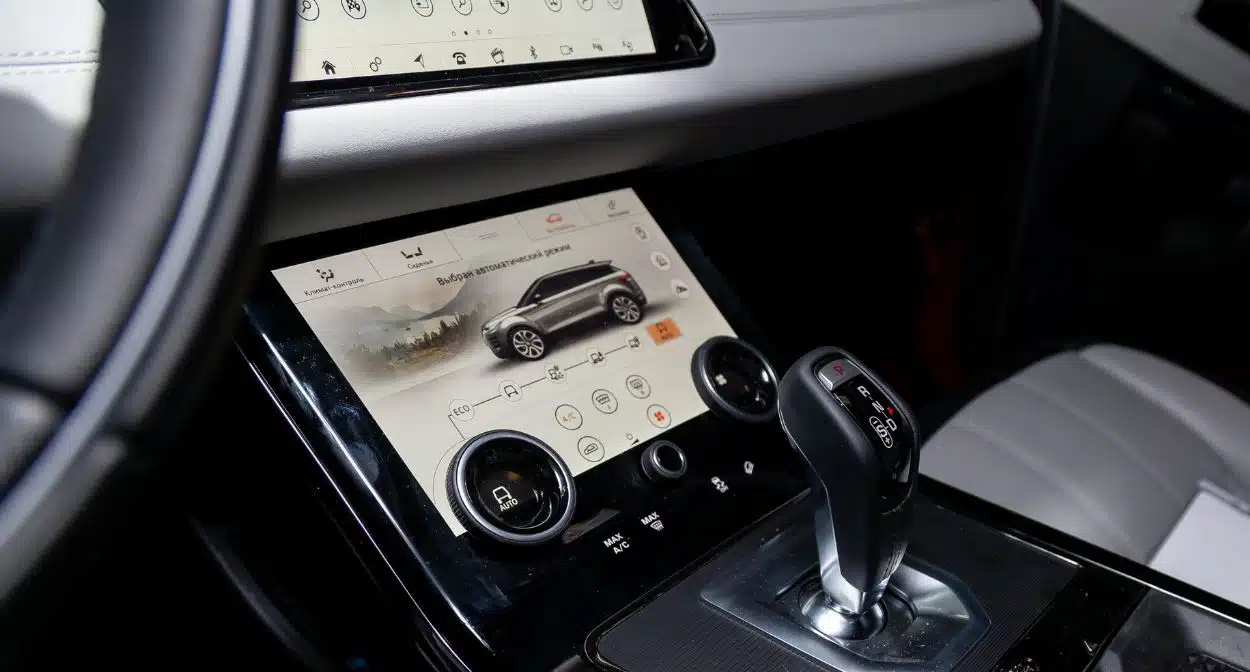
Common electrical problems you’ll see
Range Rovers show a few repeat issues. These are the ones I see most in the shop.
- Faulty battery and charging system
- Batteries age faster with advanced start-stop systems. A weak battery can trigger modules and false faults.
- Body control module and CAN bus faults
- Communication errors across modules can cause multiple unrelated warnings.
- Infotainment and touchscreen failures
- Touchscreens can freeze, reboot, or lose features after software updates or moisture ingress.
- Sensor and camera malfunctions
- Parking sensors, cameras, and ADAS sensors can fail or misalign.
- Wiring harness damage and connector corrosion
- Rodent damage, abrasion, or water can cause shorts and intermittent issues.
- Alternator and grounding problems
- Poor grounds create odd electrical behavior and false diagnostics.
Each of these makes electrical issues common in Range Rover vehicles. Fixing one problem often clears several warnings. But hidden or intermittent faults take more time to find.

49% off Today's Exclusive Deals
Limited-time Exclusive Deals. Check current discount on Amazon.
Check Price on Amazon As an Amazon Associate I earn from qualifying purchases.Why these electrical issues happen
There are clear reasons these problems occur. Simple causes lead to complex symptoms.
- High systems density
- More modules equals more failure points.
- Advanced software reliance
- Software bugs and failed updates can impair modules.
- Harsh operating conditions
- Off-road use brings water, mud, and vibration into play.
- Cost-driven component design choices
- Some components favor compact design over rebuildability.
- Aging vehicles and deferred maintenance
- Older Range Rovers keep their tech but lose reliability in parts.
From my experience, moisture and poor grounds are two of the most common root causes. I’ve traced dashboard gremlins back to a corroded ground in the engine bay. That single fix stopped dozens of warning lights. These patterns show why electrical issues common in Range Rover vehicles are repeatable and often solvable.
 practical approach”
style=”max-width: 100%; height: auto; border: 2px solid black; border-radius: 10px; display: block; margin: 0 auto;”
loading=”lazy”
/>
How to diagnose electrical issues — a practical approach
Diagnosing is about isolating faults. Use a steady method.
- Start with the battery and charging system
- Check state of charge, voltage under load, and alternator output.
- Scan for diagnostic trouble codes (DTCs)
- Use a professional scan tool that can read all modules.
- Inspect grounds and connectors visually
- Look for corrosion, loose pins, and water entry points.
- Reproduce the fault safely
- Note conditions when the fault appears: speed, temp, weather.
- Use wiring diagrams and module data
- Trace signals instead of guessing.
I recommend a professional-level scanner for Range Rovers. Many generic OBD tools miss module-specific codes. In one case, a module reported a voltage glitch that only showed up on the dealer-level scan. That saved hours of unnecessary part changes. Following structured steps reduces repair cost and time.
Repair options and typical costs
Costs vary widely. Here are common fixes and price ranges to expect.
- Battery replacement
- Moderate cost. Batteries for models with start-stop systems cost more than standard batteries.
- Module reflash or software update
- Low to moderate cost if software is the issue.
- Sensor or camera replacement
- Moderate cost, sometimes requiring calibration.
- Wiring harness repair or connector replacement
- Can be inexpensive or expensive depending on access and damage.
- Control module replacement
- Can be costly, especially for major modules that require coding.
Expect anywhere from a few hundred dollars for simple fixes to several thousand for major module replacements and calibrations. Knowing the cause helps avoid unnecessary parts swaps. I’ve had customers save a lot by repairing a corroded connector rather than replacing the entire module.

Maintenance and prevention tips
Preventive care lowers the odds that electrical issues common in Range Rover vehicles will bite you. Try these practical tips.
- Keep the battery and terminals clean and tight
- Test battery health yearly.
- Maintain solid grounds
- Clean ground points and coat them to prevent corrosion.
- Protect wiring from moisture and abrasion
- Use looms and check seals after off-road use.
- Keep software up to date
- Use trusted service centers for updates.
- Inspect for rodent damage annually
- Pay attention if you park in rural areas.
- Use OEM or quality parts for sensors and connectors
- Cheap parts can cause repeat problems.
I make a habit of checking battery health and a few key grounds each time I service a Range Rover. That small effort prevented multiple visits in my own vehicle.

Ownership impact and reliability expectations
Range Rovers offer luxury and capability. But electrical complexity changes ownership math.
- Ownership experience
- Expect high comfort and tech. Expect more sophisticated fault diagnosis if something fails.
- Reliability trend
- Newer models improved software and diagnostics. Older models can be more problematic.
- Resale and repair costs
- Repair costs can be higher than average for electronics work. This impacts long-term cost of ownership.
If you plan to buy a used Range Rover, factor in inspection for electrical health. A pre-purchase inspection should include a full module scan and a battery/charging test. Doing this can reveal why electrical issues common in Range Rover vehicles happen and what budget to set aside.
When to seek professional help
Some issues are DIY-friendly. Others need a pro.
- DIY suitable
- Battery swaps, cleaning terminals, and replacing simple sensors.
- Professional needed
- Complex CAN-bus faults, intermittent module errors, and software reflashes.
- Choose the right shop
- Pick a shop familiar with Land Rover electronics or a dealer for module coding.
If a fault is intermittent or affects multiple systems, get professional diagnostics early. That reduces the chance of unnecessary parts replacement and recurring failures.

Frequently Asked Questions of Are electrical issues common in Range Rover vehicles?
Are electrical issues common in Range Rover vehicles?
Yes. Electrical issues common in Range Rover vehicles occur more often than in many simpler cars due to complexity and many electronic systems. Older models and units used off-road tend to show more problems.
What are the first signs of electrical trouble in a Range Rover?
Look for warning lights, infotainment glitches, dead batteries, or intermittent lighting failures. Multiple unrelated warnings often point to a communication or grounding issue.
Can software updates fix electrical problems?
Sometimes. Software updates can resolve bugs and improve module behavior, but they won’t fix wiring or corroded connectors. A proper scan can indicate whether an update is needed.
How much does it cost to diagnose electrical faults?
A diagnostic scan and basic inspection often cost a modest fee, while deep troubleshooting for intermittent faults can take hours and cost more. Expect higher costs if module coding or part replacement is required.
Is it safe to drive with electrical warnings on?
It depends on the warning. Some warnings are for convenience systems. Others affect safety systems or engine control. Get a scan and professional advice before long trips.
Conclusion
Range Rovers bring advanced technology and strong capability. That tech makes electrical issues common in Range Rover vehicles more likely than in simpler cars. You can reduce risk with regular checks, good maintenance, and prompt professional diagnostics when faults appear. Start by checking the battery, grounds, and getting a full module scan if you see odd behavior. Take action early to avoid bigger bills and keep your Range Rover reliable.
If you found this guide helpful, consider scheduling a diagnostic check, subscribing for more repair tips, or leaving a comment with your experience.