Porsche 911 can be expensive to maintain, but costs vary a lot by model, age, and care.
I’ve worked on and owned performance cars for years, and I know the Porsche 911 inside and out. This guide breaks down real costs, common repairs, service schedules, and smart ways to lower bills. If you want clear, practical answers about whether a Porsche 911 is expensive to maintain, read on—I’ll share numbers, personal tips, and what to expect for different model years and driving styles.

49% off Today's Exclusive Deals
Limited-time Exclusive Deals. Check current discount on Amazon.
Check Price on Amazon As an Amazon Associate I earn from qualifying purchases.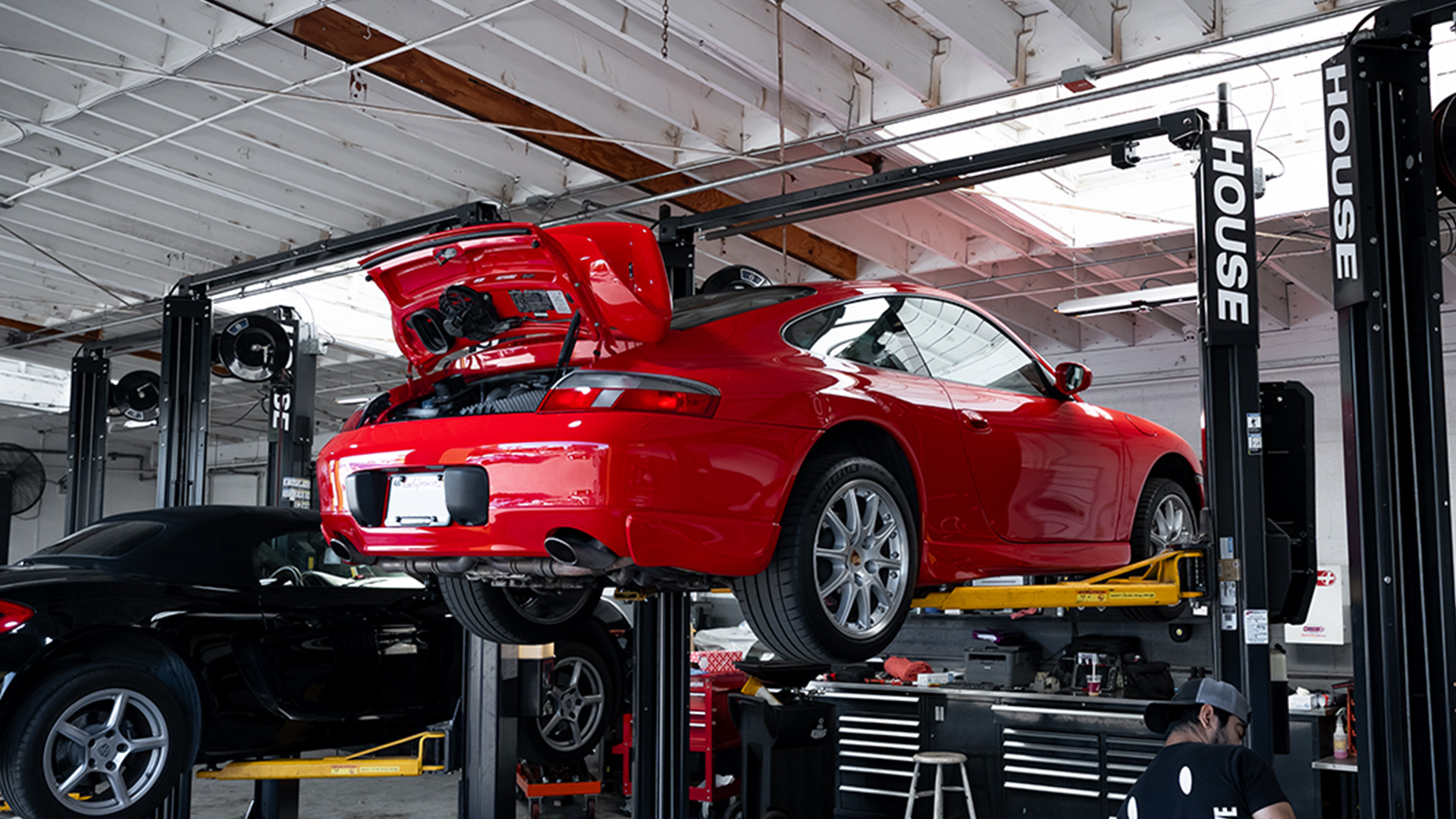
What drives Porsche 911 maintenance costs?
Porsche 911 maintenance costs come from parts, labor rates, scheduled services, and how you drive. High-performance parts and expert labor raise bills. Older 911s can cost more because of wear and age-related repairs. Newer 911s can be costly too if they need specialized parts or software work.
Common cost drivers:
49% off Today's Exclusive Deals
Limited-time Exclusive Deals. Check current discount on Amazon.
Check Price on Amazon As an Amazon Associate I earn from qualifying purchases.- Engine complexity and model generation affect parts and labor time.
- High-performance tires and brakes wear faster and cost more to replace.
- Labor rates at dealerships and specialists are higher than general shops.
- Warranty and coverage reduce short-term cost but add to purchase price.
- Track use or aggressive driving increases service frequency and parts wear.

Typical annual and long-term costs for a Porsche 911
Expect a wide range. A lightly used Porsche 911 driven mainly on the street may cost a modest amount each year. A track-driven 911 or an older model with overdue services will cost far more.
Typical ranges you can expect:
- Routine annual maintenance: $1,200 to $4,000 per year for basic servicing, fluids, filters, and wear items.
- Oil change: $200 to $400 for modern flat-6 engines and labor.
- Tire replacement: $400 to $800 per tire for high-performance tires; four tires often cost $1,600 to $3,200.
- Brake pads and rotors: $800 to $3,000 depending on front/rear, pad compound, and rotors.
- Major scheduled service (large interval): $1,500 to $6,000 depending on mileage and work required.
- Clutch replacement (manual): $3,000 to $6,000 including parts and labor.
- Transmission work or engine repair: can range from $5,000 to $30,000+ for major rebuilds.
Major service intervals and issues:
49% off Today's Exclusive Deals
Limited-time Exclusive Deals. Check current discount on Amazon.
Check Price on Amazon As an Amazon Associate I earn from qualifying purchases.- 10k–20k mile service: basic fluids, filters, inspections.
- 30k–60k mile major service: more intensive checks and parts replacement.
- Older 911 engines (certain years) are more prone to specific failures. Plan for targeted inspections if you buy an older model.
A real-world note: I once paid about $2,200 for a 30k service on a 911 where the wheel alignment, new tires, and brake pads were needed. That same year a neighbor put new track tires on his 911 and spent nearly $2,800 just for tires.
Short PAA-style questions (concise answers)
How much is a Porsche 911 oil change?
An oil change for a Porsche 911 typically costs $200 to $400 depending on engine type and shop rates.
Are Porsche 911 tires expensive?
Yes, Porsche 911 tires are high-performance and cost $400 to $800 each, with set prices often in the $1,600–$3,200 range.
Do Porsche 911s need frequent service?
They need regular checks and scheduled services. Frequency rises with aggressive driving, high mileage, and older age.

Dealer vs independent shop vs DIY
You can save money by choosing the right service route. Each option has pros and cons.
Dealer service:
- Pros: factory training, software updates, warranty work.
- Cons: highest labor rates and markup on parts.
Independent Porsche specialist:
- Pros: lower labor rates, deep experience, OEM-quality work.
- Cons: not all shops can do advanced software or warranty repairs.
DIY for simple tasks:
- Pros: big savings on oil changes, filters, and small parts.
- Cons: limited by tools and knowledge; risky for advanced systems.
Tips:
- Keep service records from any shop.
- Look for shops that specialize in Porsche 911 models.
- Use OEM parts for safety-critical components; low-cost parts can cost more long-term.
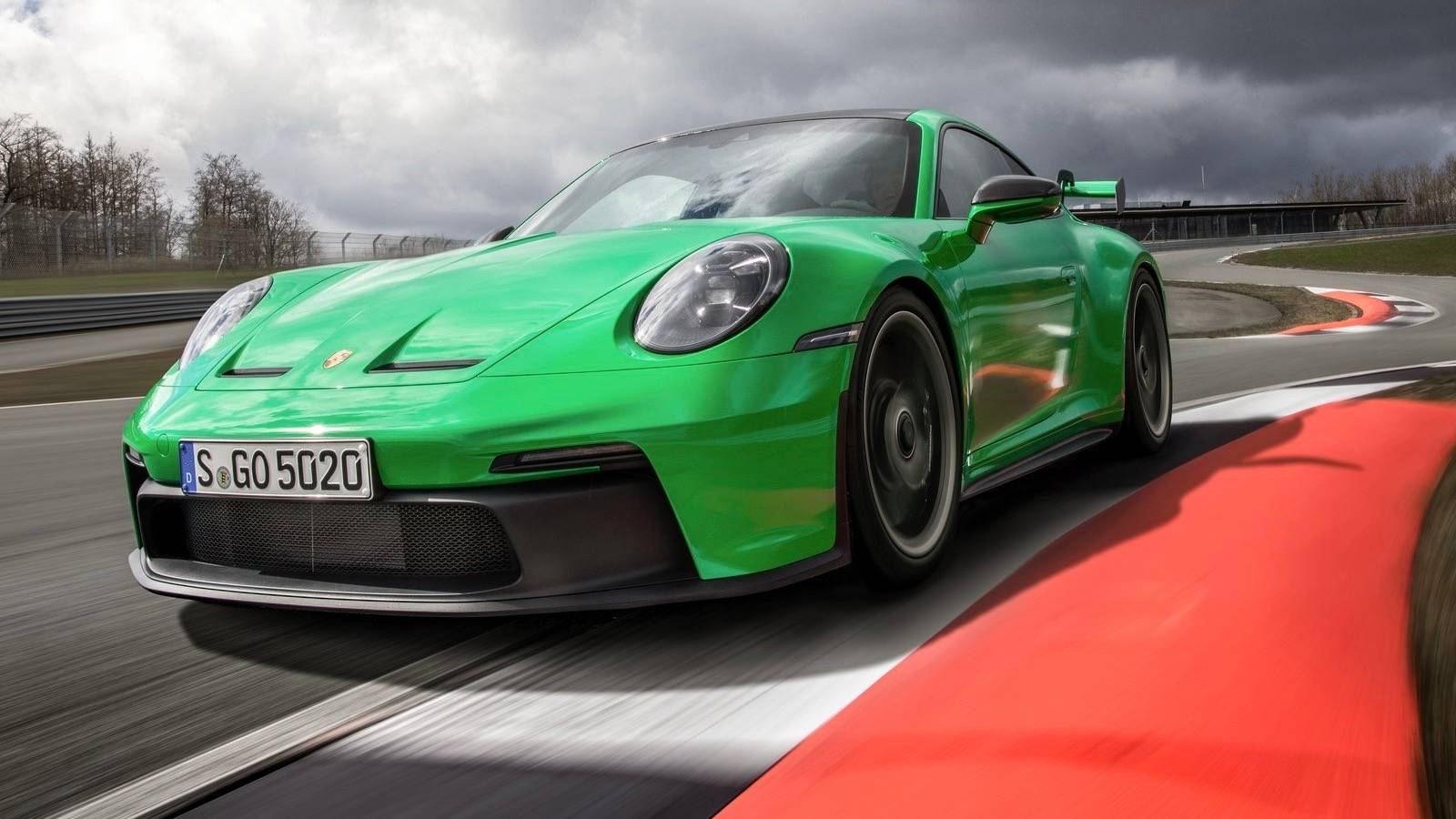
Ways to reduce Porsche 911 maintenance costs
Smart owners manage costs with a mix of prevention and savvy buying.
Practical cost-saving steps:
- Buy a certified pre-owned 911 with warranty to reduce early ownership costs.
- Do a pre-purchase inspection (PPI) to reveal hidden issues before you buy.
- Maintain a strict service schedule to catch small issues early.
- Use a trusted independent Porsche specialist for routine work.
- Shop for tires and brakes across vendors; consider used or lightly used wheels with tires.
- Avoid regular track days if you want lower wear and lower bills.
- Learn small DIY tasks like fluid checks and cabin air filter swaps.
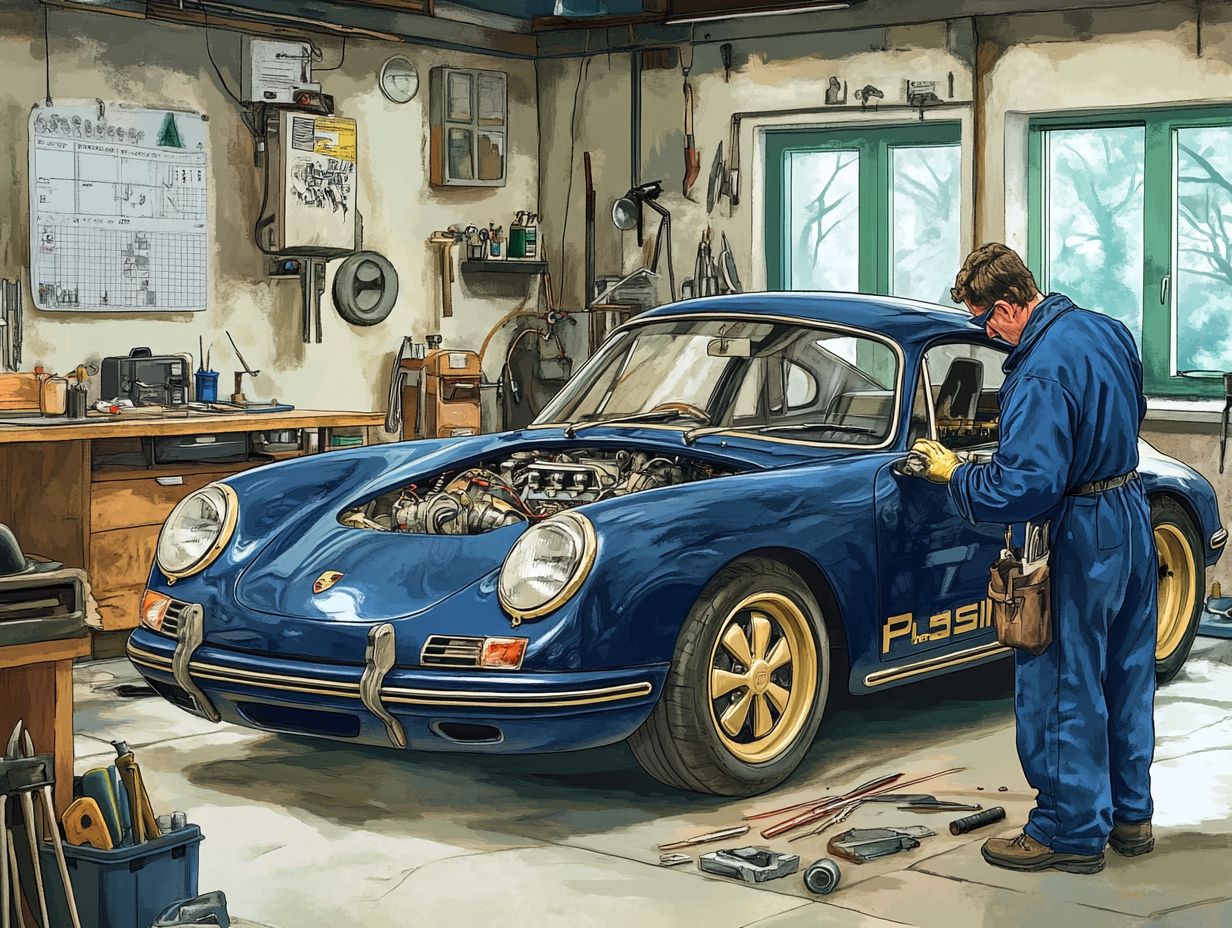
Personal experience and lessons learned
I’ve owned a Porsche 911 for several seasons and learned to budget and plan. Routine checks and timely tire replacement cut my surprise bills. I avoid dealer-only shops for routine work and use a trusted independent for major maintenance. That balance kept my yearly cost reasonable and my car reliable.
Lesson summary:
- Plan maintenance into your ownership budget.
- Prioritize an independent specialist and good service records.
- Track use dramatically raises true ownership cost.
Frequently Asked Questions
Is the Porsche 911 expensive to maintain long-term?
The Porsche 911 can be expensive long-term compared to economy cars, but costs vary by model year, driving habits, and maintenance history. Smart buying and proper care lower overall cost.
Which Porsche 911 model years are cheapest to maintain?
Newer models with active warranties are cheaper short-term, and some later-generation 911s improved reliability. Older generations may be cheaper to buy but can need more repairs.
How much should I budget per year for a Porsche 911?
Budget $1,500 to $5,000 per year for maintenance, not including insurance and depreciation. Track use or older cars push costs higher.
Are independent mechanics safe for a Porsche 911?
Yes, a qualified Porsche specialist is safe and often cheaper. Verify certifications, customer reviews, and experience with Porsche 911 models before committing.
What unexpected repairs should I expect with an older Porsche 911?
Expect wear items like clutch, suspension bushings, cooling components, and electrical glitches. Certain older engines may need targeted inspections for known issues.
Conclusion
Owning a Porsche 911 means enjoying a special driving experience and planning for higher maintenance costs than average cars. With the right approach—careful buying, regular service, and a trusted independent shop—you can keep costs predictable and enjoy the car more. Budget wisely, do a pre-purchase inspection, and choose maintenance partners you trust. If you found this helpful, consider subscribing, sharing your own 911 stories below, or asking a question to get personalized guidance.