The Chevrolet Corvette averages about 16–27 MPG depending on model, year, and driving style.
I’ve spent years testing sports cars and advising buyers, so I know what matters when asking, "What is the fuel economy of the Chevrolet Corvette?" This article breaks down real EPA numbers, how driving and options change MPG, practical tips to squeeze more miles from the tank, and what to expect for ownership costs. Read on for clear, experience-backed answers to help you decide if the Corvette’s fuel economy fits your needs.

49% off Today's Exclusive Deals
Limited-time Exclusive Deals. Check current discount on Amazon.
Check Price on Amazon As an Amazon Associate I earn from qualifying purchases.
Understanding EPA Ratings and Real-World MPG
EPA ratings give a standardized way to compare vehicles. They list city, highway, and combined miles per gallon. The fuel economy of the Chevrolet Corvette is usually reported using these EPA figures.
Real-world MPG often differs from EPA ratings. Driving style, traffic, temperature, and tire choice change results. Many Corvette owners see lower city numbers and close-to-EPA highway numbers when cruising.
49% off Today's Exclusive Deals
Limited-time Exclusive Deals. Check current discount on Amazon.
Check Price on Amazon As an Amazon Associate I earn from qualifying purchases.How much does driving style change MPG?
Aggressive acceleration and high RPMs drop fuel economy fast. Smooth throttle control and steady speeds improve MPG by noticeable margins.
Are EPA ratings reliable for the Corvette?
They are a good baseline for comparison. Expect real-world results to be within 10–20% of EPA numbers depending on use.

Fuel economy by Corvette generation and model
The fuel economy of the Chevrolet Corvette varies by generation and trim. Below are typical ranges for common models. Exact numbers depend on the year and options.
49% off Today's Exclusive Deals
Limited-time Exclusive Deals. Check current discount on Amazon.
Check Price on Amazon As an Amazon Associate I earn from qualifying purchases.- C8 Stingray (midengine, 6.2L V8): EPA-rated roughly 16 city / 24–27 highway / ~19 combined. This is the common benchmark for modern base Corvettes.
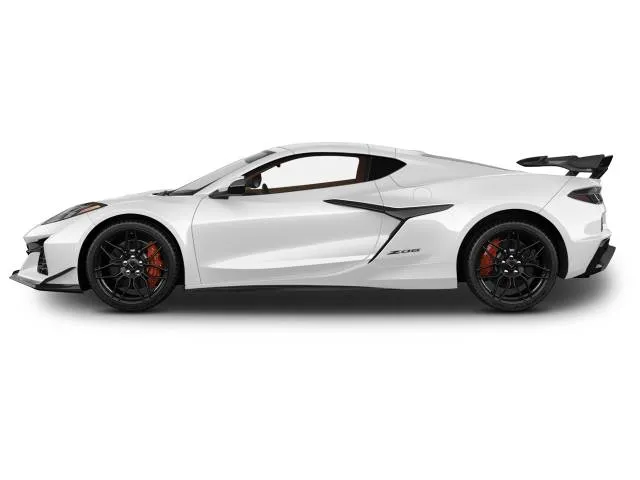
- Z06 and other high-performance trims: Expect lower MPG, often 14–16 city and 20–22 highway. These trims tune for power over efficiency.
- Earlier C7 and C6 models: Mid-teens city, high 20s highway for smaller-displacement versions; performance variants trend lower.
- Hybrid or electrified variants: Newer hybrid models aim to improve city economy but still balance performance. Check the specific year’s EPA rating for accuracy.
These ranges reflect typical factory ratings and observed owner reports. If you want exact MPG for a specific model year, check the EPA label for that car.

Factors that affect the fuel economy of the Chevrolet Corvette
Many variables change the Corvette’s fuel economy. Understanding them helps set realistic expectations.
- Engine and transmission: Larger, higher-output engines use more fuel. Dual-clutch or automatic gearboxes can help highway efficiency.
- Driving style: Hard launches, rapid acceleration, and track use lower MPG fast.
- Speed and road type: Highway cruising at moderate speeds maximizes MPG. City stop-and-go hurts economy.
- Weight and cargo: Added weight, roof racks, or heavy gear reduce MPG.
- Tires and alignment: Sticky performance tires and misalignment increase rolling resistance.
- Climate and accessories: A/C use and cold starts reduce efficiency.
- Fuel grade and tuning: Premium fuel and aftermarket tuning can affect consumption and power.

Real-world tips to improve MPG in a Corvette
You can improve the fuel economy of the Chevrolet Corvette with simple habits and setup changes.
- Drive gently: Smooth acceleration and early upshifts boost MPG.
- Use cruise control on highways: It prevents unnecessary speed changes.
- Maintain proper tire pressure: Underinflated tires waste fuel.
- Remove excess weight: Clear cargo and remove roof racks if unused.
- Use the right driving mode: Many Corvettes have modes tuned for efficiency—use them for daily driving.
- Keep the engine tuned and fluids fresh: Regular maintenance preserves efficiency.
- Plan routes: Avoid heavy traffic and repeated stop-and-go trips when possible.

Cost of fuel and ownership considerations
Fuel economy affects ownership cost. Here’s a simple way to estimate annual fuel expense using the fuel economy of the Chevrolet Corvette.
- Example calculation:
- Annual miles driven: 12,000 miles
- Combined MPG: 19 (typical for a Stingray)
- Cost per gallon: $4.00
- Annual fuel cost = 12,000 / 19 * 4.00 = about $2,526
Sports driving or a Z06 with lower MPG raises that figure. Factor in higher insurance, premium fuel requirements, and maintenance when budgeting.

Comparing Corvette fuel economy to other sports cars
If you're focused on MPG, compare the fuel economy of the Chevrolet Corvette to peers. The Corvette balances performance and reasonable highway efficiency for a V8 sports car.
- Versus sports coupes: Corvettes often match or beat larger V8 rivals on highway MPG while losing to smaller turbo cars.
- Versus European sports cars: Some competitors with smaller turbocharged engines get better city MPG but may not match Corvette performance.
- Versus performance SUVs: Corvettes typically offer better fuel economy than heavy performance SUVs on highway trips.
Use EPA figures side-by-side to find the best fit for your priorities.
Personal experience and lessons learned
I’ve driven Corvettes on road trips, city runs, and spirited canyon drives. My real-world notes on the fuel economy of the Chevrolet Corvette come from mixed use.
- On highway cruises I regularly saw near-EPA numbers when staying under 75 mph.
- In traffic or on spirited runs MPG dropped fast; heavy throttle ruined economy.
- Switching to lighter wheels and keeping tires properly inflated gave a small but noticeable MPG improvement.
- Using driving modes helped—Sport for fun, Tour or Eco for daily use.
Lessons learned: if you want Corvette performance and good MPG, be deliberate about when you push the car. Small changes in habit lead to measurable fuel savings.

Related questions people often ask (brief answers inside the article)
Does premium fuel improve MPG in a Corvette?
Premium fuel is often required for some Corvette engines. It can prevent knock and maintain power, but MPG gains are usually small.
Will aftermarket tuning hurt fuel economy?
Aggressive tuning for power usually reduces MPG. Mild, economy-focused tuning can sometimes improve highway efficiency.

Frequently Asked Questions of What is the fuel economy of the Chevrolet Corvette?
What MPG can I expect from a new Corvette Stingray?
Most new Stingrays are EPA-rated around 16 city and 24–27 highway, with a combined figure near 19 MPG. Your real-world MPG will vary with driving and options.
How much does the Z06 differ in fuel economy from the base Corvette?
The Z06 typically gets lower MPG due to its higher-output engine and track-focused tuning, often near 14–16 city and about 20–22 highway. Expect roughly a 10–30% fuel economy drop versus the base Stingray.
Can I improve my Corvette’s fuel economy without losing performance?
Yes. Simple steps like proper tire pressure, gentle driving, and using efficient driving modes improve MPG while preserving peak performance when you want it.
Are hybrid or electrified Corvette versions more fuel-efficient?
Electrified Corvettes aim to boost city efficiency and reduce short-trip consumption, but total efficiency depends on battery size and usage. Check EPA ratings for specific models.
How does fuel quality affect Corvette efficiency?
Using the manufacturer-recommended octane prevents engine knock and helps the engine run as designed. Higher octane doesn’t necessarily increase MPG, but lower quality can reduce performance and efficiency.
Conclusion
The fuel economy of the Chevrolet Corvette depends on the model, driving habits, and conditions—expect roughly mid-teens in the city and mid-to-high 20s on the highway for common Stingray models, with performance trims returning lower MPG. If you love the Corvette’s power but want better fuel economy, focus on steady driving, proper maintenance, and choosing the right trim for your needs. Take these tips, compare EPA ratings for model years you’re considering, and test drive to see real-world MPG for your routine. If this helped, consider subscribing, leaving a comment with your Corvette MPG experience, or checking EPA labels for the exact model year you’re targeting.