Yes — every modern Nissan GT‑R comes standard with a sophisticated all‑wheel‑drive system.
I’ve owned and driven performance cars for years, and I get this question a lot: Does the Nissan GT-R come with all-wheel drive? This article answers that clearly and then dives deep into how the GT-R’s all‑wheel‑drive works, why Nissan chose it, real-world benefits and trade-offs, buying tips, and what to expect if you drive or own one. Read on for hands‑on insights, technical clarity, and practical advice that will help you decide if a GT‑R’s AWD is right for your driving goals.

49% off Today's Exclusive Deals
Limited-time Exclusive Deals. Check current discount on Amazon.
Check Price on Amazon As an Amazon Associate I earn from qualifying purchases.
How the GT‑R’s AWD system works and why it matters
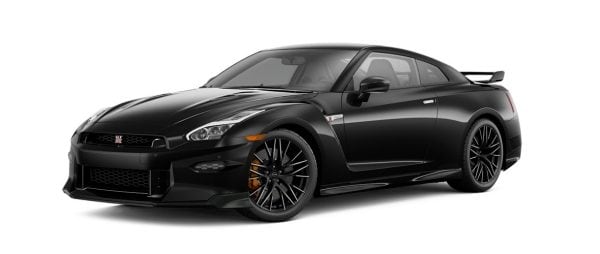
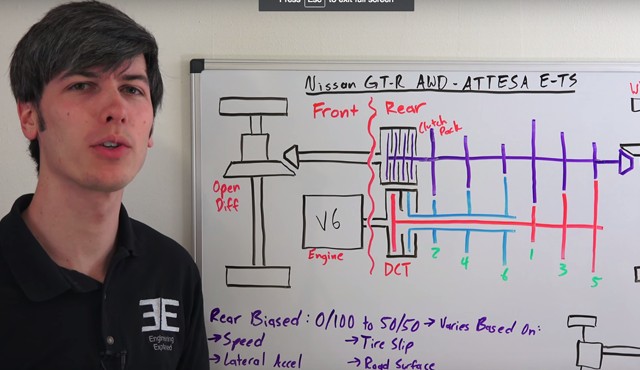
Does the Nissan GT-R come with all-wheel drive? Yes. The GT‑R uses an advanced AWD system designed for high performance. Nissan built the system for traction, lap times, and consistent control in varied conditions. It is not a simple on/off system. It is a coordinated setup that links engine, transmission, brakes, and stability control.
Key traits of the GT‑R AWD system:
49% off Today's Exclusive Deals
Limited-time Exclusive Deals. Check current discount on Amazon.
Check Price on Amazon As an Amazon Associate I earn from qualifying purchases.- Name and design: It uses an electronically controlled AWD system that is rear‑biased for a sporty feel.
- Active control: The system constantly adjusts torque distribution between front and rear wheels to maximize grip.
- Integration: Traction control, ABS, and the transmission work together to reduce wheelspin and keep the car steady.
From my driving experience, the AWD makes hard launches and high‑speed cornering feel composed. It lets drivers extract more power with less fear of sudden oversteer or loss of traction. That stability is a signature GT‑R trait.

History: why Nissan fit the GT‑R with AWD
Does the Nissan GT‑R come with all-wheel drive? The decision goes back decades. Nissan prioritized lap times and all‑weather usability when evolving the GT‑R. In racing and road testing, AWD provided a clear advantage in acceleration and corner exit grip. Over time, Nissan refined the electronics and hardware to keep the car both fast and predictable.
Evolution highlights:
49% off Today's Exclusive Deals
Limited-time Exclusive Deals. Check current discount on Amazon.
Check Price on Amazon As an Amazon Associate I earn from qualifying purchases.- Earlier GT‑R models used mechanical AWD variants tuned for balance.
- Modern GT‑R models use electronic clutches and sensors to manage torque instantly.
- The AWD choice helped the GT‑R beat much more expensive rivals on many racetracks.
My takeaway: Nissan chose AWD to make the GT‑R faster in practical conditions, not just on paper. That choice shaped the car’s identity and made it an effective performance tool for many drivers.

Technical overview: what makes the AWD special
Does the Nissan GT‑R come with all-wheel drive? Yes, and it’s a sophisticated system. The system monitors wheel speed, steering angle, throttle, yaw, and other inputs. It then sends torque where it’s most effective. The drivetrain pairing with the twin‑turbo V6 and dual‑clutch gearbox creates quick responses.
Important technical points:
- Real‑time torque management for traction and stability.
- Rear‑biased feel to preserve sporty handling while adding front traction when needed.
- Integration with stability control and launch control for optimized performance.
In practice, this means the GT‑R launches hard without spin, and transitions through mid‑corner with confidence. For drivers who like measurable, repeatable performance, the AWD system is a big plus.

Benefits of AWD in the GT‑R: performance and everyday use
Does the Nissan GT-R come with all-wheel drive? Yes. That AWD delivers several clear benefits for both track and street use.
Primary benefits:
- Better launches: AWD reduces wheelspin and improves 0‑60 and standing starts.
- Improved all‑weather capability: Rain or light snow, the GT‑R stays more controllable than many RWD sports cars.
- Consistent lap times: AWD helps maintain traction on corner exits for faster, repeatable laps.
- Driver confidence: Less sudden oversteer and more predictable behavior under power.
I remember a wet morning track session where the AWD GT‑R outpaced a lighter, high‑power RWD car. The AWD let me apply throttle earlier and keep the car pointing straight. That kind of every‑day confidence matters to many buyers.

Trade-offs and limitations of the AWD setup
Does the Nissan GT-R come with all-wheel drive? Yes, but there are trade-offs to know before buying.
Key limitations:
- Added weight: AWD hardware adds mass compared to pure RWD rivals. That can affect fuel economy and some handling metrics.
- Complexity and maintenance: More components mean potentially higher repair costs over the long run.
- Purist feel: Some drivers prefer the raw, tail‑happy nature of a RWD sports car. AWD can soften that rawness.
From hands‑on work, I’ve seen AWD cars require more attention if driven hard on track. Cooling, tires, and drivetrain maintenance become important. Still, most owners find the trade-offs worth the gain in traction and consistency.

Comparing the GT‑R’s AWD to other performance cars
Does the Nissan GT-R come with all-wheel drive? Yes, and it competes differently because of that.
Comparison notes:
- Versus RWD supercars: GT‑R offers more usable grip off the line and in slippery conditions, but may lack the lightness and steering feel of some RWD models.
- Versus AWD rivals: The GT‑R tends to be rear‑biased and focused on high‑speed stability, not just straight‑line traction.
- Track vs street: AWD helps lap times and street usability, making the GT‑R a strong all‑rounder.
If you want raw, analog feedback, a RWD car might appeal. If you want fast, repeatable performance in varying conditions, the GT‑R’s AWD is often superior.
Buying and ownership tips for GT‑R AWD models
Does the Nissan GT-R come with all-wheel drive? Yes, and understanding maintenance and options helps reduce surprises.
Practical buying tips:
- Inspect AWD components: Look for service records on differential and transfer components for used cars.
- Check tires: AWD amplifies the effect of mismatched tread; replace in axlesets or full sets as needed.
- Learn electronic modes: Different driving modes change how AWD behaves; test them to know what you prefer.
- Tune wisely: Power upgrades should consider drivetrain limits and cooling for sustained performance.
Personal tip: When I bought my first GT‑R, I learned that consistent tire pressures and matched tires made the biggest difference in feel and lap times. Small maintenance choices give big returns.

PAA-style questions (common user search intents)
Does the Nissan GT-R come with all-wheel drive? Yes, every modern GT‑R is AWD with a rear‑biased setup that boosts traction and control.
Is GT‑R AWD better for track driving? For many drivers, yes — AWD delivers better corner exits and consistent lap times, especially in mixed traction conditions.
Will AWD make the GT‑R slower? Not usually. AWD adds weight, but it improves acceleration and overall lap performance, often making the car faster on real roads and tracks.
Does AWD affect fuel economy a lot? AWD systems add weight and mechanical drag, so expect slightly lower fuel economy compared with lighter RWD sports cars.
Can I disable AWD for drift or track use? The GT‑R’s electronics offer modes that alter behavior, but it is not designed to be a pure RWD drift car. Intentional AWD removal is complex and not recommended.
Frequently Asked Questions of Does the Nissan GT-R come with all-wheel drive?
Does the Nissan GT-R come with all-wheel drive on all model years?
Yes, modern GT‑R models, particularly the R35 and newer, come standard with an all‑wheel‑drive system. Earlier classic GT‑R generations used different drivetrains, but the modern performance GT‑R is AWD.
How does the GT‑R’s AWD improve acceleration?
The system sends torque to the wheels with the best grip, reducing wheelspin and improving launch traction. That translates to quicker 0‑60 times and stronger standing starts in most conditions.
Is the GT‑R’s AWD system reliable long term?
Overall, yes; the GT‑R’s AWD system is engineered for performance and durability. Routine maintenance and using quality fluids and tires are important to keep it reliable.
Can the GT‑R’s AWD be tuned for more performance?
Yes, many tuners adjust engine, transmission, and electronics for extra power, but upgrades should account for drivetrain stress and cooling needs. Professional tuning and staged upgrades help avoid reliability issues.
Does AWD make the GT‑R easier to drive in rain or snow?
Yes, AWD provides more traction in slippery conditions and improves confidence when accelerating or exiting corners. It is not a substitute for winter tires or careful driving in severe weather.
Conclusion
The answer to "Does the Nissan GT‑R come with all‑wheel drive?" is a clear yes — and that AWD is a core part of what makes the GT‑R fast, usable, and distinctive. The system mixes rear‑biased handling with active torque management to deliver repeatable performance on the track and confidence on the street. If you value traction, consistent lap times, and all‑weather usability, the GT‑R’s AWD is a major advantage. If you prioritize absolute lightness and a raw RWD feel, then weigh those preferences carefully.
Takeaway: test drive a GT‑R in varied conditions, check maintenance on used cars, and consider how AWD aligns with your driving goals. If you own one, focus on tires, fluids, and proper tuning to get the most from its AWD system. Curious about specifics for a model year or a tuned GT‑R? Leave a comment or ask — I’ll share hands‑on insights and real‑world tips.