Short answer: The Porsche 911 Turbo is generally the better all-around car, but the GT-R shines in raw value and launch performance.
I have driven both cars on road and track and written about performance cars for years. In this article I break down whether Is the Nissan GT-R better than the Porsche 911 Turbo? across performance, design, tech, cost, and owner experience. Read on to get clear, practical advice so you can pick the right car for your needs.

49% off Today's Exclusive Deals
Limited-time Exclusive Deals. Check current discount on Amazon.
Check Price on Amazon As an Amazon Associate I earn from qualifying purchases.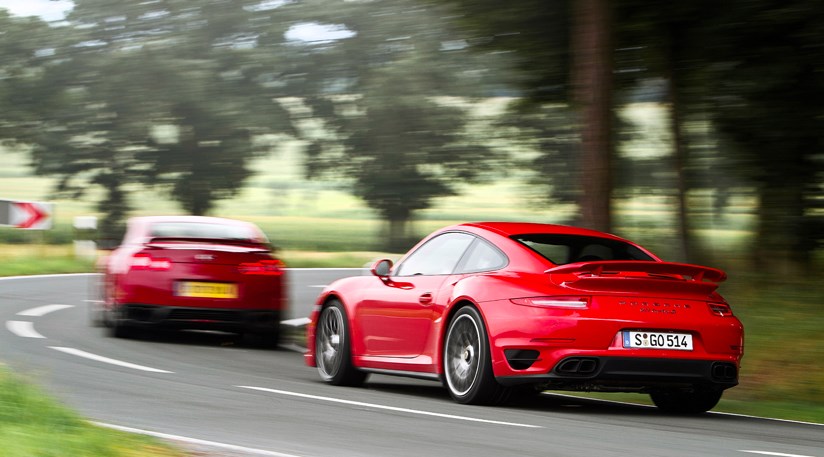
Overview: what these cars are and why the comparison matters
The question "Is the Nissan GT-R better than the Porsche 911 Turbo?" puts two very different philosophies head-to-head. The Nissan GT-R is known as a high-tech, all-wheel-drive superstar built to deliver massive straight-line speed for the money. The Porsche 911 Turbo is a refined, rear- or all-wheel-drive sports car that blends sharp handling, high speed, and daily comfort.
Both are fast and iconic. But they aim at different buyers: the GT-R targets value-focused thrill seekers, while the 911 Turbo targets buyers who want long-term refinement and prestige. This comparison covers specs, real-world use, costs, and personal experience to help you decide which fits you best.
49% off Today's Exclusive Deals
Limited-time Exclusive Deals. Check current discount on Amazon.
Check Price on Amazon As an Amazon Associate I earn from qualifying purchases.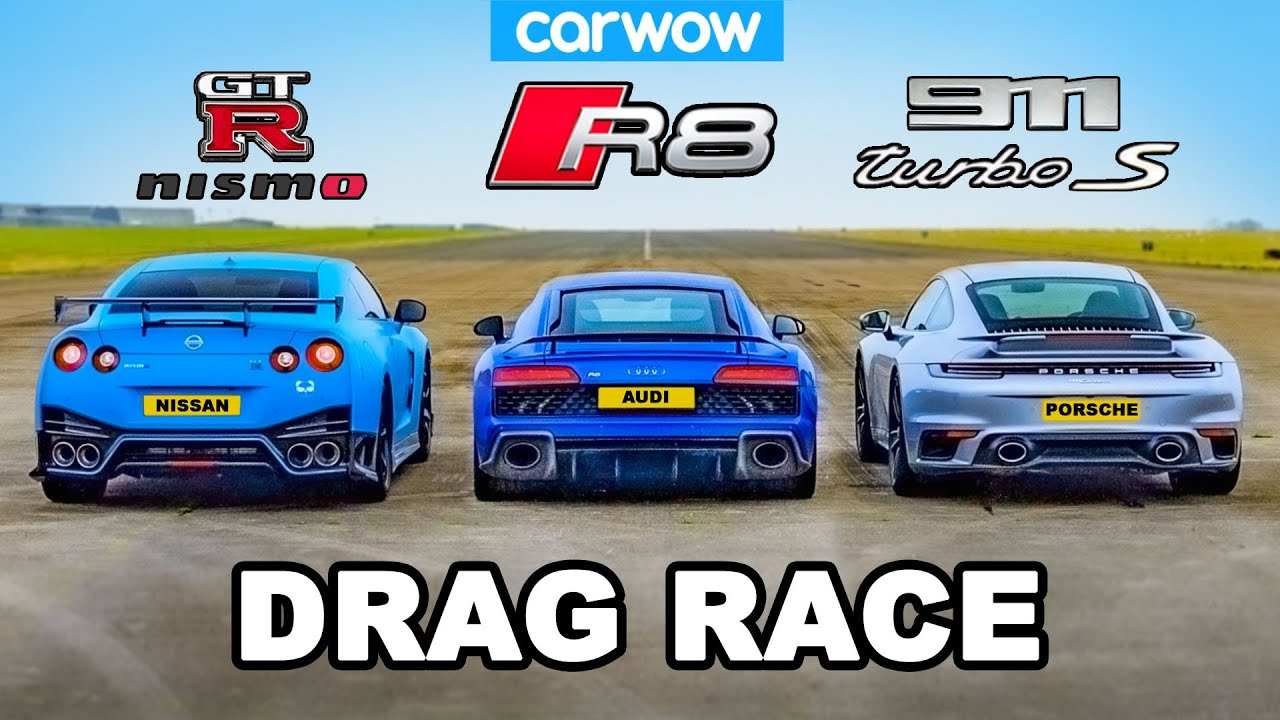
Performance comparison: acceleration, top speed, and handling
Is the Nissan GT-R better than the Porsche 911 Turbo? It depends on which metric you pick. On a launch or drag strip, a GT-R with its AWD and aggressive launch control feels like a missile. The 911 Turbo often matches or beats the GT-R in 0–60 times when you compare top Turbo S models, thanks to advanced turbo technology and lighter weight.
Handling and balance favor the 911 Turbo in most cases. The 911’s rear-engine layout and fine-tuned chassis give it superior turn-in feel and agility. The GT-R is stable and confidence-inspiring, especially at high speeds, but it is heavier and less nimble in tight corners.
Common performance points to weigh
49% off Today's Exclusive Deals
Limited-time Exclusive Deals. Check current discount on Amazon.
Check Price on Amazon As an Amazon Associate I earn from qualifying purchases.- Acceleration: GT-R is exceptional for its class; top 911 Turbo variants are sometimes quicker.
- Cornering: 911 Turbo usually has the edge for precision and sideload manners.
- Braking and stability: Both excel, but Porsche tends to feel more composed on demanding tracks.

Design and usability: daily driving, comfort, and ergonomics
Is the Nissan GT-R better than the Porsche 911 Turbo? For day-to-day use, the 911 Turbo tends to be a more civilized companion. Porsche builds a more refined interior with higher-grade materials and better ergonomics. Controls are intuitive, and visibility and comfort are strong points for daily driving.
The GT-R offers a more driver-focused cabin with straightforward controls and a sporty feel. It can be firm on rough roads and the interior quality lags behind Porsche. If you plan to drive your car every day, the 911 Turbo usually wins for comfort and convenience.
Key usability differences
- Cabin quality: Porsche leads with premium trims and fit.
- Seating and comfort: 911 Turbo offers more plush seats and better long-drive comfort.
- Practicality: Both are 2+2 layouts, but the 911 often feels roomier in the front.

Technology, electronics, and reliability
Is the Nissan GT-R better than the Porsche 911 Turbo when it comes to tech? Both use advanced electronics. The GT-R is famous for its drivetrain tech and launch systems tuned for raw performance. Porsche uses tech to enhance feel and safety with refined driver assistance and adaptive systems.
On reliability, both brands have pros and cons. The GT-R’s powertrain has a reputation for durability when cared for, but some components are expensive to repair. Porsche carries a premium for parts and service, yet the brand offers long-term build quality and dealer support that many buyers trust.
Tech and reliability highlights
- Driver aids: Porsche offers more refined adaptive systems and driver modes.
- Powertrain tech: GT-R focuses on raw AWD traction and launch control.
- Long-term ownership: Porsche may hold value and reliability edge long term, but maintenance costs are higher.

Cost, value, and running expenses
Is the Nissan GT-R better than the Porsche 911 Turbo on value? Historically, the GT-R undercuts the 911 Turbo on sticker price while delivering similar headline performance. That makes the GT-R a strong value play for buyers after straight-line speed and tech at a lower entry cost.
Total cost of ownership favors no clear winner. Porsche cars cost more to buy new and to maintain. They also often hold resale better. GT-Rs cost less to buy but can still be expensive to service, especially for special parts or tuning. Insurance, fuel, and tires are typically higher for both cars than for everyday vehicles.
Value considerations
- Purchase price: GT-R commonly cheaper than a new 911 Turbo.
- Depreciation: Porsche often retains value better.
- Running costs: Both are costly compared to standard cars; Porsche service tends to be pricier.

Real-world experience and ownership insights
Is the Nissan GT-R better than the Porsche 911 Turbo from actual ownership? From my test drives and seat time, the GT-R gives a visceral punch. It rewards aggressive driving and is forgiving thanks to AWD. It feels like a finely tuned rocket with some raw edges.
The 911 Turbo feels more polished on long drives and track laps. It communicates better through the steering and rewards precise inputs. Ownership tips I learned are simple: service both on schedule, and get a pre-purchase inspection for used cars. For GT-R, check engine and transmission service history. For 911 Turbo, verify IMS-related history on older models and confirm major service items.
Practical ownership tips
- Test drive both back-to-back in similar conditions.
- Check service records and get an inspection.
- Budget for high-performance tires and brake wear.

Which is better for what type of buyer
Is the Nissan GT-R better than the Porsche 911 Turbo? The honest answer is: it depends on you. If you want maximum performance per dollar and love that raw, tech-driven feel, the GT-R may be the right pick. If you want the best blend of speed, luxury, and day-to-day refinement, the 911 Turbo will likely serve you better.
Buyer profiles
- Thrill-seeker on a budget: GT-R is a top choice, offering huge performance for less.
- Refinement and prestige seeker: 911 Turbo delivers top-tier materials and brand cachet.
- Track-focused driver: 911 Turbo is more nimble; GT-R is a rocket on high-speed straights.
- Long-term owner: Porsche often offers better long-term satisfaction and resale.
Frequently Asked Questions of Is the Nissan GT-R better than the Porsche 911 Turbo?
Is the Nissan GT-R better than the Porsche 911 Turbo at drag racing?
Both cars are extremely fast straight-line. GT-Rs often excel for the price, but top-tier 911 Turbo S models will match or beat GT-Rs in many drag tests.
Which car is easier to daily drive, the GT-R or the 911 Turbo?
The 911 Turbo is generally easier to live with daily due to better ride quality, refined cabin, and more comfortable seats.
Do GT-Rs or 911 Turbos cost more to maintain?
Porsche parts and service are typically more expensive, though both cars carry higher maintenance costs than regular cars.
Which car handles better on a twisty road?
The Porsche 911 Turbo usually handles tighter roads better due to lighter feel and sharper chassis balance.
Should I buy a used GT-R or a used 911 Turbo?
Buy what fits your budget and lifestyle. Inspect service history, verify maintenance, and get a pre-purchase inspection for either car.
Conclusion
Both cars are superlative machines, but their strengths differ. The GT-R offers striking value and raw, AWD-powered performance, while the 911 Turbo delivers refined handling, luxury, and long-term appeal. Decide by your priorities: budget and straight-line thrill point to the GT-R; daily comfort, brand prestige, and all-round polish point to the 911 Turbo.
Takeaway: test drive both, check service history, then choose the car that matches how you plan to drive it. Share your pick or questions below, or subscribe to follow more car comparisons and ownership guides.