Yes. The Nissan GT-R requires premium fuel for optimal performance and engine protection.
I have worked on performance cars and driven GT-Rs for years. I will explain why premium fuel matters for the GT-R. This guide covers manufacturer guidance, engine behavior, real-world fuel tips, costs, and what to avoid. Read on to get clear, practical answers about Does the Nissan GT-R require premium fuel?

49% off Today's Exclusive Deals
Limited-time Exclusive Deals. Check current discount on Amazon.
Check Price on Amazon As an Amazon Associate I earn from qualifying purchases.
Why gasoline octane matters for performance
Does the Nissan GT-R require premium fuel? The GT-R uses a turbocharged, high-compression engine. Such engines need higher octane to prevent knock. Higher octane fuel resists premature combustion. That helps the engine run timing and boost safely. Using premium lets the ECU keep stronger ignition timing and more boost for best power.
49% off Today's Exclusive Deals
Limited-time Exclusive Deals. Check current discount on Amazon.
Check Price on Amazon As an Amazon Associate I earn from qualifying purchases.Manufacturer recommendation and warranty implications
Does the Nissan GT-R require premium fuel? Nissan recommends high-octane fuel for the GT-R. Following the owner’s manual protects performance and can affect warranty coverage for engine issues. The manual often lists a minimum octane rating. For GT-Rs, that rating is typically 91 AKI or higher. Running lower octane against guidance can risk damage and reduce reliability.
What happens if you use regular gas in a GT-R?
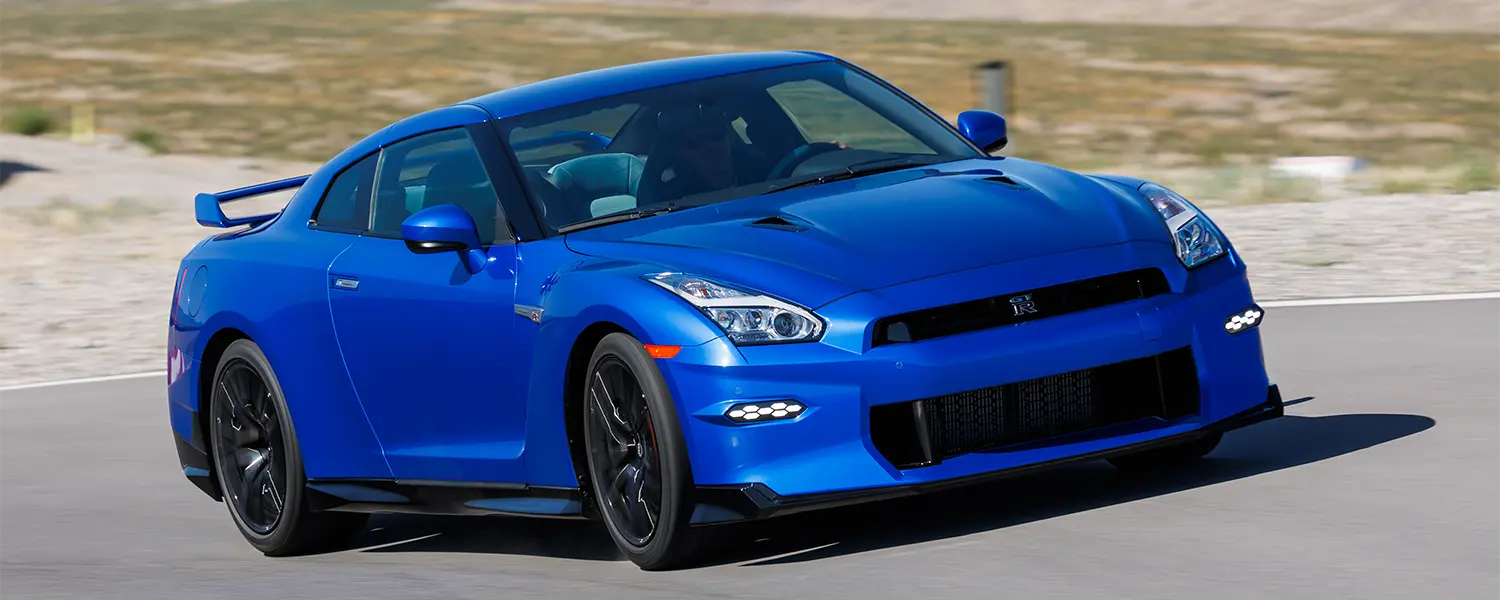
Does the Nissan GT-R require premium fuel? If you use lower-octane gas, the car may detect knock. Modern GT-R ECUs will retard timing or reduce boost to protect the engine. That leads to less power and worse fuel economy. In severe cases, persistent knock can cause long-term damage. Short fills of regular gas may not ruin the motor, but repeated use hurts performance and safety.
49% off Today's Exclusive Deals
Limited-time Exclusive Deals. Check current discount on Amazon.
Check Price on Amazon As an Amazon Associate I earn from qualifying purchases.Practical advice: fueling, tuning, and cost
Does the Nissan GT-R require premium fuel? Yes, and here are clear steps to follow.
-
Fill with recommended octane
Always top up with 91 AKI or higher as listed in the manual. This keeps performance consistent. -
When cheaper fuel is tempting
A one-off tank of regular may be okay for calm driving. Avoid heavy acceleration or track use on low octane. -
If you tune or modify the GT-R
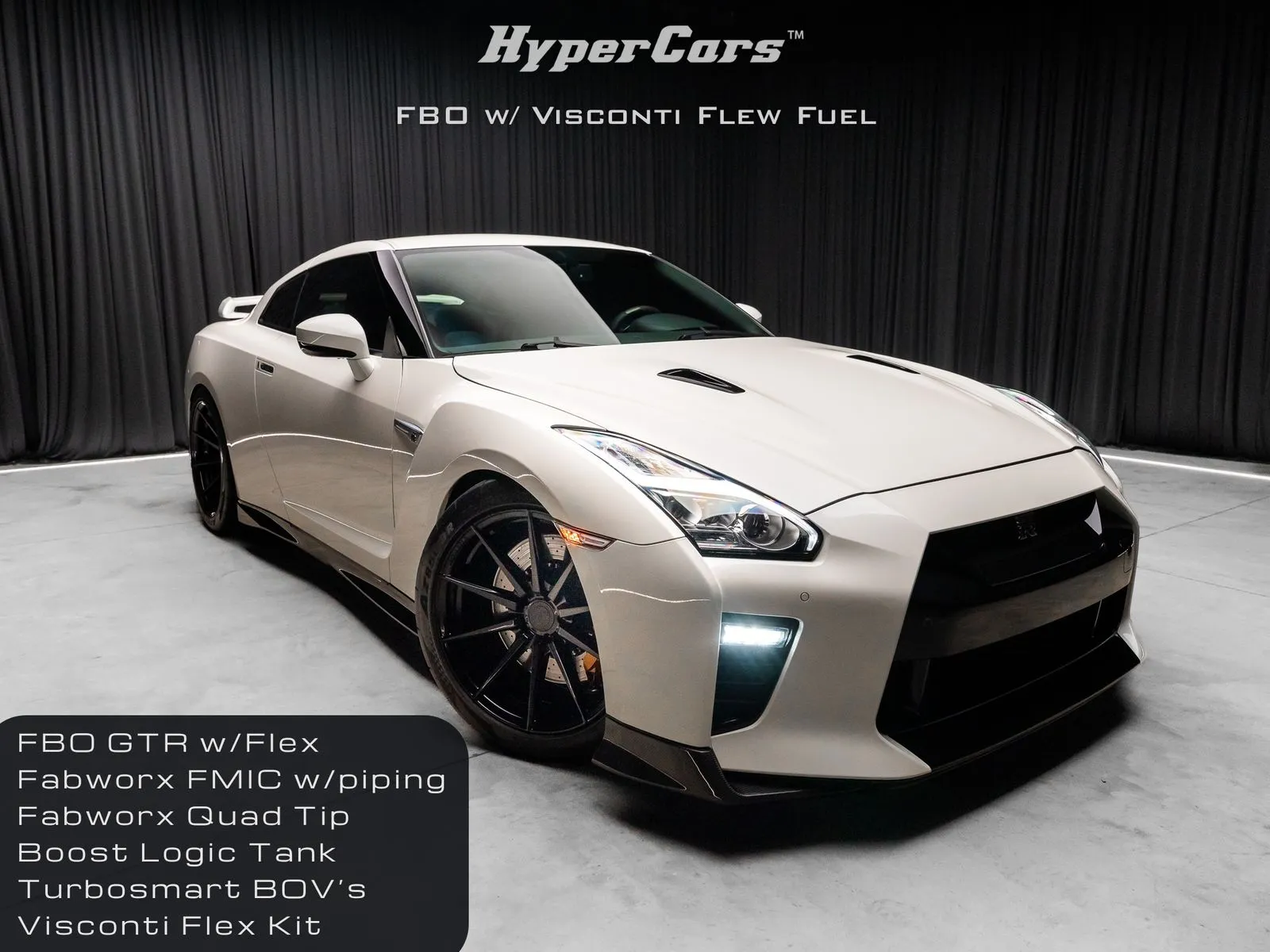
Performance tuning often raises octane needs further. Work with an experienced tuner and adjust fueling for the new map. -
Watch the price vs. benefit
Premium costs more per gallon. But the GT-R returns smoother power and avoids engine stress. Consider cost per mile against lost performance.
Quick PAA-style questions (brief answers)
Does the Nissan GT-R require premium fuel to avoid damage?
Yes. Using premium reduces knock and lets the ECU run optimized timing, lowering damage risk.
Can mid-grade fuel be a compromise for the GT-R?
Mid-grade offers some protection, but it can still force timing adjustments and power loss. Stick with premium for best results.
Is E85 a good option for a stock GT-R?
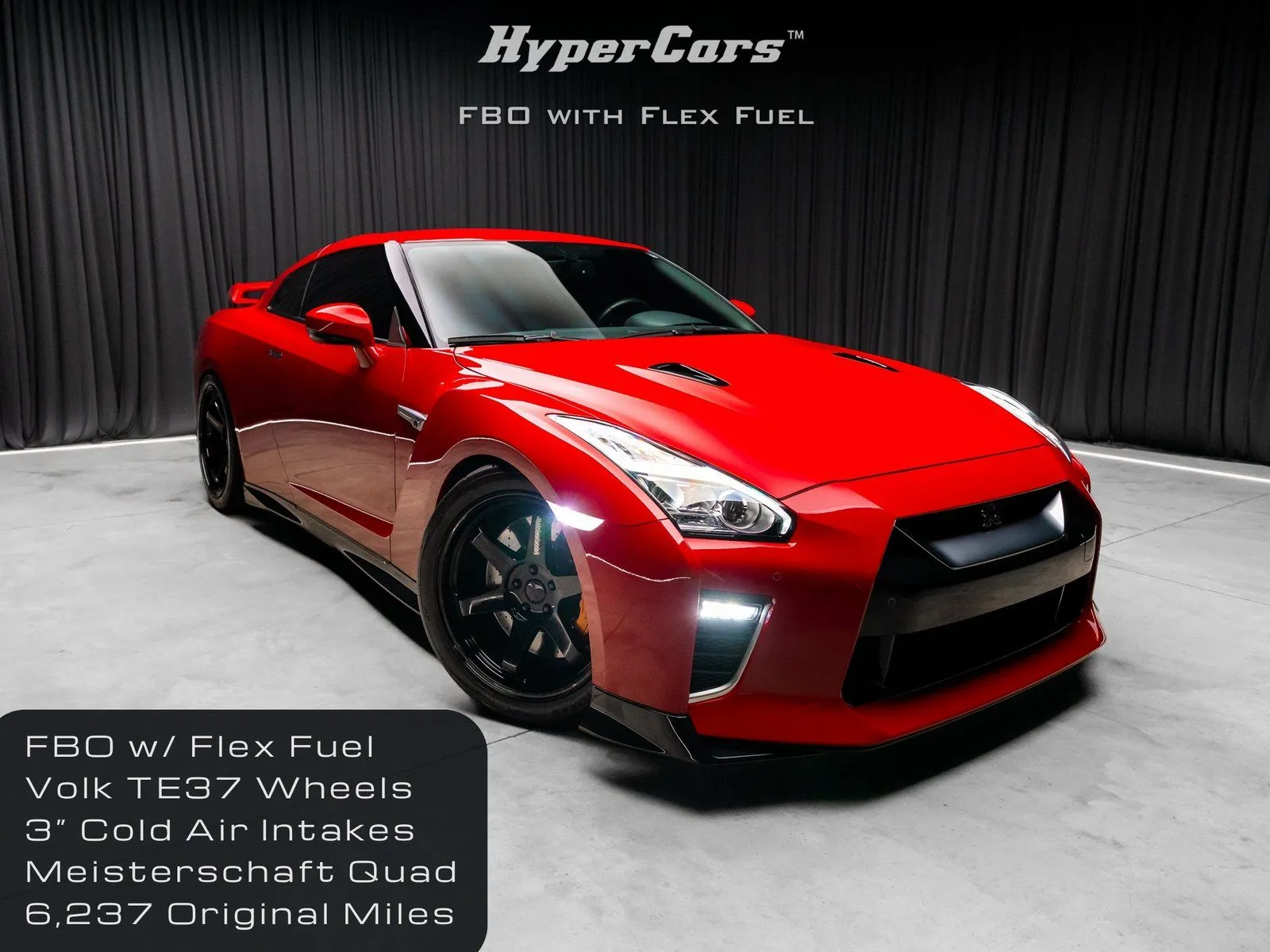
E85 gives more octane but needs proper tuning and fuel system changes. Don’t switch without professional support.

Personal experience and real-world examples
Does the Nissan GT-R require premium fuel? From my hands-on work, the answer is clear. I once drove a GT-R on lower-octane gas during a road trip. The car felt sluggish and returned worse economy. After refueling with premium, the power and responsiveness came back. I also serviced a GT-R where long-term use of low octane caused pre-ignition damage that required costly repairs. The lesson: use the right fuel.
Engine science simplified
Does the Nissan GT-R require premium fuel? Think of octane like a safety margin. Higher octane stops the fuel-air mix from igniting too soon. Turbocharged engines compress the mix harder. That raises the chance of early ignition. Premium fuel raises the threshold and keeps combustion controlled. The ECU can then use more aggressive timing and boost. That makes the car faster and safer.
Common signs your GT-R is not getting the correct fuel
Does the Nissan GT-R require premium fuel? Watch for these simple signs.
-
Engine pinging or knocking sound under load
This can indicate low octane or detonation. -
Noticeable loss of power during acceleration
The ECU may have pulled timing to protect the motor. -
Poor fuel economy despite normal driving
Reduced efficiency can come from conservative timing and boost limits. -
Check engine or knock sensors triggered
These stored codes often point to octane-related issues.
Maintenance and long-term care
Does the Nissan GT-R require premium fuel? For long life, yes, feed it the fuel Nissan recommends. Regular oil changes and tune-ups are also vital. If you plan track days, use even higher octane or race fuel and monitor engine health. Keep fuel system parts clean. Replace spark plugs at recommended intervals. These habits preserve performance and reduce repair risk.
Frequently Asked Questions of Does the Nissan GT-R require premium fuel?
Does the Nissan GT-R require premium fuel to achieve advertised horsepower?
Yes. The GT-R’s advertised power assumes the engine runs on the recommended high-octane fuel so the ECU can use full timing and boost.
Can I use regular gas for short daily drives in a GT-R?
You can in a pinch, but expect reduced power and potential ECU timing retard. Regular use of low-octane fuel is not advised.
Will using premium fuel improve fuel economy in a GT-R?
Premium may improve economy slightly by allowing optimal timing and boost. Gains depend on driving style and conditions.
Does tuning the GT-R change its fuel needs?
Yes. Many tunes increase boost or compression and raise octane needs. Always consult a tuner about fuel recommendations.
Could low-octane fuel void my GT-R warranty?
If damage directly results from failing to follow fuel recommendations, warranty coverage may be affected. Follow the owner’s manual to stay protected.
Conclusion
The short, practical takeaway is simple: Does the Nissan GT-R require premium fuel? Yes—use the recommended high-octane fuel to keep power, reliability, and warranty coverage intact. Treat the GT-R like a performance tool. Give it the right fuel, do routine maintenance, and consult pros when tuning. If you found this guide helpful, try following the fuel tips on your next fill-up, share your experience, or leave a comment with questions.