The Nissan GT-R uses a hand-built 3.8-liter twin-turbo V6 engine known as the VR38DETT.
I’ve worked on performance cars and spent time behind the wheel of a GT-R. I know the sound, the spool, and the way the VR38DETT delivers power. This article explains what engine does the Nissan GT-R use? I will break down the engine’s core design, its evolution, real-world performance, maintenance needs, and tuning potential. Read on to learn how this engine made the GT-R a supercar challenger and what to expect if you own one.

49% off Today's Exclusive Deals
Limited-time Exclusive Deals. Check current discount on Amazon.
Check Price on Amazon As an Amazon Associate I earn from qualifying purchases.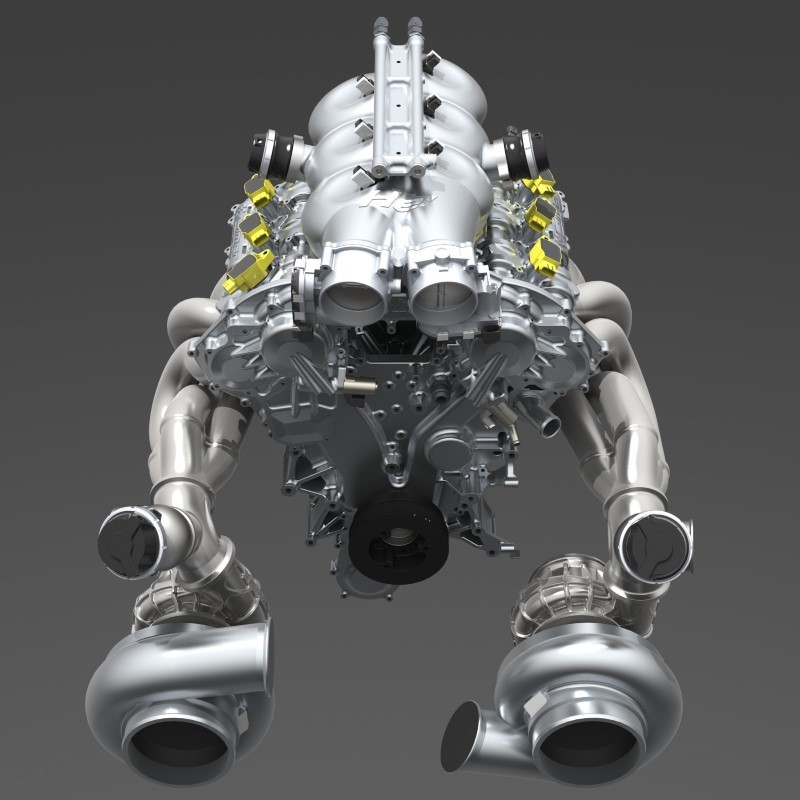
Engine overview: what engine does the Nissan GT-R use?
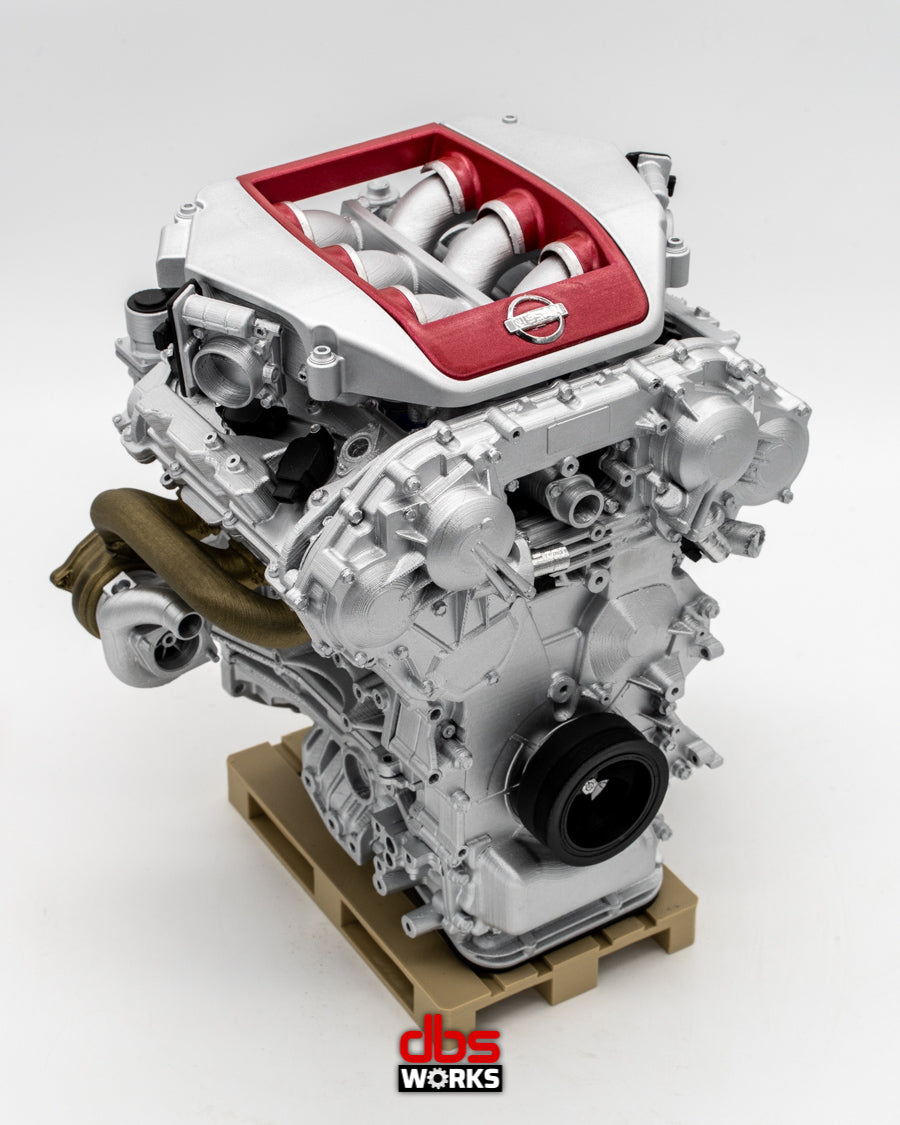
The Nissan GT-R uses the VR38DETT engine. This is a 3.8-liter V6. It is twin-turbocharged and built with a focus on strength and response. The engine is assembled by hand by master technicians. Each engine gets a plaque signed by the builder. That hand-built nature is a big part of the GT-R’s identity.
What engine does the Nissan GT-R use? It uses modern tech but follows old-school build care. The engine pairs with a quick twin-clutch gearbox and an advanced all-wheel-drive system. That combo gives the car fast launches and steady on-track performance.
49% off Today's Exclusive Deals
Limited-time Exclusive Deals. Check current discount on Amazon.
Check Price on Amazon As an Amazon Associate I earn from qualifying purchases.PAA-style quick questions
What engine does the Nissan GT-R use? It uses the VR38DETT, a 3.8L twin-turbo V6 built by Nissan.
Is the engine hand-built? Yes. Skilled craftsmen assemble and sign each unit.
Key design and technologies
The VR38DETT focuses on power, durability, and heat control. It is a DOHC design with four valves per cylinder. Twin turbochargers provide strong midrange torque. The turbos spool quickly for sharp throttle response.
What engine does the Nissan GT-R use? It uses direct fueling and modern engine controls to manage boost and timing. The block and head materials resist heat and stress from high boost. The engine also uses efficient cooling and oiling systems to handle repeated hard runs.
49% off Today's Exclusive Deals
Limited-time Exclusive Deals. Check current discount on Amazon.
Check Price on Amazon As an Amazon Associate I earn from qualifying purchases.Main tech highlights
- 3.8-liter displacement for a compact, powerful layout.
- Twin turbochargers for quick boost and high peak power.
- Advanced engine management for precise fueling and timing.
- Hand assembly for quality control and consistency.

Evolution and power outputs
Across the GT-R’s run, the engine was tuned in steps. Early R35 GT-Rs delivered strong power for the time. Later updates raised peak power and torque. Special editions and the Nismo models increased boost, refined internals, and pushed output even higher.
What engine does the Nissan GT-R use? The base architecture stayed the same while tuning and hardware evolved. That means the engine you find in a 2009 GT-R will share its heart with a later model, but the exact output varies by year and trim. Tuners also extract significant gains thanks to the strong baseline design.

Performance and driving impressions (personal experience)
I’ve driven a GT-R on road and track. The engine feels instant. Turbo spool comes quickly and delivers a steady surge. That surge is linear enough for confidence in corners and raw enough for straight-line speed.
What engine does the Nissan GT-R use? It uses an engine tuned for both daily use and track abuse. The power delivery is broad. You get usable torque low and high. On a hot lap, the engine rarely feels out of breath.

Maintenance, reliability, and tuning potential
Routine care keeps the VR38DETT happy. Regular oil changes, cooling checks, and air filters matter more than exotic parts. The engine is robust, but like any high-performance unit, it needs respect.
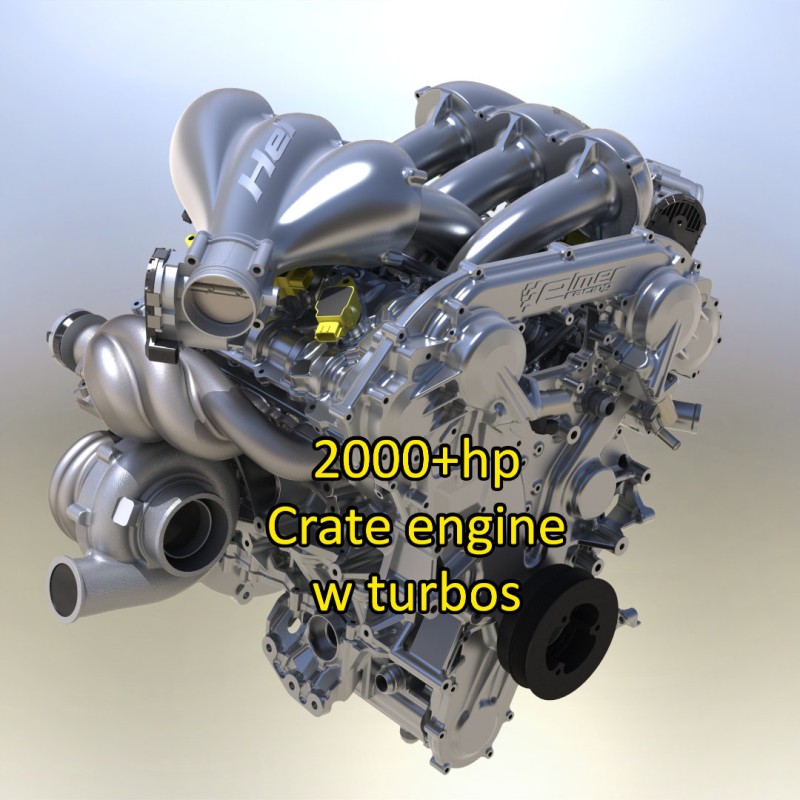
What engine does the Nissan GT-R use? It uses a design that responds well to sensible maintenance and upgrades. Common shop items include turbo service, gasket checks, and ignition tune updates. If you want power, start with intake, exhaust, and ECU work, then upgrade fueling and cooling for big gains.
Maintenance tips from experience
- Change oil with high-quality synthetic on schedule.
- Monitor coolant and turbo heat; keep cooling system fresh.
- Inspect intake boots and intercooler piping for leaks.
- Use reputable tuners for software and hardware upgrades.
Buying advice and model choices
When shopping, ask which version of the VR38DETT is under the hood. Service history tells a lot. A well-kept older GT-R can be a bargain. A modified GT-R may have more power but could also hide neglected maintenance.
What engine does the Nissan GT-R use? It uses a highly tunable platform. If you want a low-maintenance daily, choose a gently driven, lightly modified, or stock example. If you want a track car, plan for stronger cooling, renewed fluids, and occasional engine inspection.
Considerations when buying
- Check for oil service and coolant service records.
- Ask about turbo or ECU modifications.
- Inspect for leaks and listen for unusual noises at idle.
- Verify who built or tuned the engine if it has aftermarket changes.

Frequently Asked Questions of What engine does the Nissan GT-R use?
What engine does the Nissan GT-R use in simple terms?
The Nissan GT-R uses the VR38DETT, a 3.8-liter twin-turbo V6. It is built for high performance and durability and is hand-assembled.
Is the GT-R engine hand-built?
Yes. Skilled technicians assemble each VR38DETT by hand and attach a signed plaque to the engine. This is part of the GT-R tradition and quality control.
How much power does the GT-R engine make?
Power varies by year and trim. Base models and later updates differ, while Nismo or special editions offer higher outputs. Tuned examples can produce substantially more.
Can I tune the GT-R engine safely?
Yes, with the right support. Upgrades to intake, exhaust, fueling, and cooling are common. Use reputable tuners and strengthen supporting systems for big power.
Are VR38DETT engines reliable?
They are generally reliable if maintained well. Regular oil service, cooling system care, and proper driving habits extend longevity. Forced induction parts and mods need extra attention.
Is the GT-R engine expensive to maintain?
Routine costs are higher than for a normal car but reasonable for a performance vehicle. Repairs can be costly only after heavy track use or if upgrades are pushed without proper support.
Conclusion
The Nissan GT-R uses the VR38DETT, a 3.8-liter twin-turbo V6 that blends modern tech with careful hand assembly. That engine gives the GT-R its character: fast spool, strong midrange, and room for tuning. If you love driving and value engineering, this engine is a standout. Learn more, inspect carefully if buying, and enjoy wrenching or tuning with respect. Share your GT-R stories or questions in the comments, or subscribe to get more hands-on guides and tips.